Author: editor

Why People Choose TV Over Other Leisure Activities

Television has been a cornerstone of leisure and entertainment for decades, shaping culture, influencing behavior, and providing a reliable source of relaxation. Despite the proliferation of digital platforms, video games, social media, streaming services, and outdoor recreational activities, TV remains a dominant choice for many individuals. The reasons people choose television over other leisure activities are complex, involving convenience, accessibility, emotional engagement, social connection, and psychological satisfaction. Understanding these motivations offers insight into modern habits, societal trends, and the evolving relationship between media and daily life.

Convenience and Accessibility of Television

One of the primary reasons people gravitate toward TV is its unparalleled convenience and accessibility. Unlike activities that require preparation, travel, or significant physical exertion, television offers instant entertainment at the touch of a button. People can simply turn on the set, select a program, and engage with content immediately. This low barrier to entry makes television particularly appealing for individuals with limited time, energy, or resources. In a fast-paced world where work, school, and domestic responsibilities compete for attention, the simplicity of television is a major draw.

Television is also accessible across a wide range of socioeconomic contexts. With affordable cable subscriptions, free-to-air channels, and now streaming platforms that offer vast libraries of content, nearly anyone can find entertainment without the need for expensive equipment, memberships, or venues. Unlike recreational sports, concerts, or other leisure activities that require planning and cost considerations, TV provides a nearly universal form of amusement. Even in shared households, television can serve as a communal resource, offering multiple viewers the ability to participate in the same entertainment simultaneously without additional expense.

The flexibility of television also contributes to its appeal. Viewers can watch content at home, during breaks, or in combination with other activities, such as eating or relaxing. This adaptability makes TV a practical solution for a wide range of lifestyles. In contrast, other leisure activities often demand a specific context, such as physical space, group coordination, or environmental conditions. The sheer ease and immediacy of television consumption ensure that it remains a default choice for many people seeking leisure.

Emotional Engagement and Escapism

Another powerful factor behind the preference for television is its ability to provide emotional engagement and escapism. Television content is designed to captivate attention, provoke emotional responses, and immerse viewers in diverse narratives. People can experience joy, suspense, fear, humor, and empathy without physically engaging in an activity. This immersive quality allows television to satisfy emotional needs in a way that many other leisure options cannot.

Escapism is a particularly important aspect of television’s appeal. For individuals facing stressful routines, personal challenges, or mental fatigue, watching TV offers a temporary retreat from reality. Viewers can explore fictional worlds, follow characters through dramatic arcs, or immerse themselves in documentaries and travel shows that transport them to distant locations. This psychological relief is not easily replicated by other activities that require active participation, such as sports or hobbies. Television creates a safe and passive environment where people can disengage from immediate pressures while still deriving entertainment and satisfaction.

The emotional resonance of TV also reinforces habitual viewing. People often return to programs, series, or genres that reliably evoke positive emotions or stimulate interest. This repetitive engagement forms routines that solidify television as a preferred leisure activity. Even with the rise of interactive media, such as video games or virtual reality experiences, television maintains a unique position as a source of consistent, low-effort emotional stimulation. By meeting emotional and psychological needs efficiently, television continues to outcompete alternative leisure activities for many audiences.

Social Connection and Shared Experiences

Television has long functioned as a social medium, fostering connection and shared experiences. People often discuss popular shows, sports events, or news broadcasts with friends, family, and colleagues, creating cultural touchpoints and social cohesion. Shared viewing experiences can strengthen relationships, provide conversation topics, and build community identity, aspects that other solitary leisure activities may not offer as effectively.

Television also enables social participation without the logistical constraints of group-based activities. Watching a program at home can still generate social engagement through discussions, live reactions, or online communities. The rise of social media has amplified this effect, allowing viewers to comment, share opinions, and connect with others around the world in real time. This combination of passive entertainment and social interaction is uniquely facilitated by television, offering both personal enjoyment and communal value simultaneously.

Sports broadcasting exemplifies the social dimension of television. Fans can engage in the excitement of live games, follow narratives surrounding teams and players, and celebrate or commiserate with others even if they cannot attend events in person. Similarly, serialized TV shows create long-term investment in characters and plotlines, encouraging viewers to participate in ongoing social discourse. Television, therefore, provides both solitary pleasure and social utility, making it an appealing choice compared to activities that are either intensely individual or require extensive coordination.

Cost-Effectiveness Compared to Other Leisure Activities

Financial considerations significantly influence why many people prioritize television over other forms of leisure. Traditional entertainment options, such as cinema trips, sporting events, theater, or outdoor recreational activities, often carry higher costs for tickets, transportation, equipment, or specialized clothing. In contrast, television—especially with modern streaming services—offers vast libraries of content for a fixed monthly fee or even free through broadcast channels. The low cost per hour of entertainment makes television economically attractive, especially for individuals or families on tight budgets.

Moreover, the affordability of television extends to indirect costs. Activities such as hiking, gaming, or attending social events may require additional preparation, snacks, gear, or travel, which increase overall expense. Television minimizes these hidden costs while providing equivalent or even superior entertainment value. Even in households where multiple people are watching together, the incremental cost of entertaining several individuals remains negligible. This cost-effectiveness ensures that television remains a practical choice across demographics and lifestyles.

Television also offers flexibility in pacing consumption, which can be financially strategic. On-demand streaming allows users to watch only what interests them, reducing waste compared to physical tickets, subscription classes, or other leisure activities that require participation regardless of enjoyment level. This financial efficiency enhances the perceived value of television as a leisure activity, reinforcing its preference over alternatives. By providing high entertainment return at a low monetary and effort cost, TV solidifies its position as a preferred choice.

Adaptability to Modern Lifestyles

Modern lifestyles, characterized by long work hours, digital connectivity, and fluctuating schedules, favor leisure activities that accommodate flexibility. Television meets this need through its versatility and adaptability. With DVRs, streaming platforms, mobile apps, and smart TVs, viewers can watch programs on their own time, pause and resume content, and even shift viewing locations. This adaptability ensures that television integrates seamlessly into busy or unpredictable daily routines, unlike leisure activities that demand fixed schedules or physical presence.

Television also caters to diverse preferences and moods. Viewers can select genres ranging from drama, comedy, and documentary to reality programming, news, and educational content. This variety allows individuals to tailor their leisure to specific emotional states or cognitive needs, providing targeted satisfaction that other activities may struggle to match.

For example, someone seeking mental relaxation can watch light entertainment, while another seeking stimulation or learning can choose documentaries or investigative shows. The customizable nature of television ensures that it remains relevant to a wide range of personal circumstances.

The Influence of Habit and Cultural Norms

Finally, habitual behavior and cultural norms play a critical role in why people choose television. Decades of exposure to TV as a central form of entertainment have ingrained viewing patterns that are difficult to break. Families often establish routines around evening broadcasts, weekend programming, or special events, creating habitual associations between television and relaxation. This deep-seated habit reinforces the perception of TV as the default leisure activity, reducing the likelihood of pursuing alternative forms of recreation.

Cultural reinforcement also matters. Television shapes collective knowledge, trends, and language, making participation almost obligatory for social inclusion. Awareness of popular shows, current events, or sports results often relies on television or its digital extensions, encouraging engagement even among individuals who might otherwise prefer other leisure activities. This cultural pressure intersects with personal preference, creating a strong incentive to choose television over solitary or niche alternatives.

Over time, these habits solidify into generational patterns, with each successive cohort growing up accustomed to television as a normal and accessible form of leisure. Even as new forms of media emerge, television’s historical ubiquity and social integration sustain its relevance. The combination of entrenched routines, social expectation, and cultural prominence ensures that television continues to dominate leisure choices in ways that other activities struggle to match.

Television remains a dominant leisure activity because it offers convenience, emotional engagement, social connection, cost-effectiveness, adaptability, and habitual reinforcement. Its unique combination of passive entertainment and multi-dimensional utility allows it to meet diverse personal, social, and psychological needs efficiently. In a world full of competing leisure options, television consistently delivers value, accessibility, and satisfaction, explaining why so many people continue to choose it over other forms of recreation. The enduring appeal of TV is a testament to its ability to adapt to modern lifestyles while providing emotional, social, and practical benefits unmatched by most alternative activities.


Humor as a Weapon: How South Park Uses Comedy to Challenge Authority

From the moment South Park first aired in 1997, it became clear that this wasn’t your typical cartoon. Beneath its crude animation and raunchy humor lies a potent form of social commentary that has consistently challenged authority in ways few shows dare to attempt. Trey Parker and Matt Stone, the visionary creators of South Park, have built a world where laughter becomes a tool of rebellion, a lens to examine societal hypocrisy, and a weapon against the powers that be. Through its unapologetic satire, the show dissects politics, media, religion, and cultural norms, making audiences both laugh and think in profoundly unexpected ways.

The Origins of Rebellion in Comedy

Comedy has always been a subtle form of resistance. From court jesters who mocked kings to stand-up comedians exposing societal flaws, humor has the power to confront authority without overt aggression. South Park inherits this tradition but amplifies it for a modern audience. Unlike conventional satire, which often couches its critiques in subtlety, South Park embraces shock, exaggeration, and absurdity. The series transforms everyday absurdities into a mirror reflecting the inconsistencies of authority figures, be they politicians, celebrities, or cultural institutions. The genius lies not just in the jokes themselves but in their timing and context, where ridicule becomes a mechanism to expose truths that might otherwise be ignored.

Political Satire and Media Critique

One of the most prominent ways South Park uses comedy as a weapon is through its political satire. The show does not shy away from lampooning politicians on both sides of the aisle. Episodes like “Douche and Turd” mock the shallow spectacle of American elections, while “About Last Night…” parodies the chaotic reactions to real-world political events. The brilliance of these portrayals is that they are grounded in absurdity yet painfully recognizable. The audience laughs at exaggerated characters, but behind the laughter is a reflection of the very real failings and contradictions of political systems.

Equally powerful is South Park’s critique of the media. In episodes like “It Hits the Fan” and “Cartoon Wars,” the show highlights the media’s tendency to sensationalize, manipulate, and enforce cultural norms. The creators wield comedy to reveal how authority in media shapes public perception, often exaggerating minor events into moral panics. By exaggerating these dynamics, South Park allows viewers to recognize media manipulation, encouraging critical thinking through humor rather than dry exposition.

Religion Under the Microscope

Religion is another arena where South Park wields comedy with surgical precision. Episodes such as “All About Mormons” and “Trapped in the Closet” expose the contradictions, dogmas, and sometimes absurd practices of organized religion. The show treats these subjects with a combination of irreverence and insight, questioning authority while maintaining a comedic edge that makes critique digestible. Comedy here is more than entertainment; it becomes a tool for questioning inherited authority, challenging blind faith, and prompting audiences to consider perspectives they might otherwise avoid.

What makes South Park unique is that it does not single out one belief system or ideology; it attacks all forms of unquestioned authority with equal vigor. This universality of critique enhances the show’s credibility and impact. Audiences recognize that the humor is rooted in observation rather than mere provocation, and this nuanced approach ensures that laughter is inseparable from reflection.

Cultural Commentary and Social Norms

Beyond politics and religion, South Park excels at dissecting societal norms and cultural trends. The show uses humor to expose absurdities in everyday life, from social media obsession to celebrity worship. Episodes like “The Pandemic Special” satirize public health policies, media coverage, and collective behavior, turning contemporary crises into opportunities for critical reflection. Comedy serves as a magnifying glass, enlarging the quirks, hypocrisies, and contradictions of society until they become impossible to ignore.

The ability to make audiences laugh while simultaneously questioning societal structures is what gives South Park its enduring relevance. Humor here functions as both shield and sword: it protects the creators from outright censorship by wrapping critique in absurdity, while also piercing the complacency of viewers who might otherwise passively accept authority. The laughter is not just a response; it is a catalyst for awareness.

Character-Driven Rebellion

A large part of South Park’s success in challenging authority comes from its characters. Cartman, Kyle, Stan, and Kenny are not merely comedic archetypes; they are vehicles for social commentary. Cartman, with his manipulative and often tyrannical behavior, represents the darkest aspects of human ambition and ego, exposing flaws in societal hierarchies. Kyle often serves as the moral compass, questioning injustices and challenging unfair authority, while Stan oscillates between skepticism and compliance, reflecting the everyday struggle of ordinary individuals. Kenny’s recurring deaths and resurrections are a satirical nod to the cyclical nature of societal issues that persist despite awareness. Through these characters, the show dramatizes the tension between authority and individual agency, using humor to make complex ideas accessible and memorable.

The interactions between the children and adults in South Park highlight how authority often clashes with common sense. Teachers, police officers, politicians, and parents are consistently portrayed as either incompetent, hypocritical, or oblivious. By placing children in positions of relative insight, the show underscores how societal authority is often flawed, a message conveyed with irreverent humor that simultaneously entertains and enlightens.

Pushing Boundaries and Facing Backlash

The use of comedy as a weapon in South Park is not without consequences. The show has faced significant backlash, including censorship, threats of lawsuits, and public outrage. Episodes such as “201” and “Super Best Friends” provoked strong reactions from religious communities and advocacy groups. Yet, Parker and Stone persist, illustrating a key principle: humor, when wielded skillfully, is a form of courage. The creators’ willingness to confront taboo subjects demonstrates that comedy is not just a tool for entertainment; it is a means of challenging entrenched power structures and provoking societal introspection.

The controversy itself amplifies the show’s message. By enduring criticism and continuing to satirize authority, South Park reinforces the idea that humor can pierce defenses, provoke dialogue, and ultimately, drive cultural awareness. The show’s long-running success attests to the power of comedy as a weapon that is as effective as it is audacious.

Timing, Context, and the Sharpness of Satire

One of the most striking features of South Park’s approach to authority is its immediacy. Episodes are often written, animated, and aired within a week, allowing the show to respond rapidly to current events. This lightning-fast production cycle ensures that satire remains relevant and incisive, unlike traditional media commentary, which may become outdated by the time it reaches audiences. The humor is contextual, often biting, and always sharp, holding authority accountable in real-time. This ability to react with immediacy strengthens the show’s role as a cultural watchdog, where laughter becomes a tool for timely critique.

The Enduring Legacy of Laughter as Resistance

After more than two decades, South Park remains a cultural touchstone because it understands that humor is not just entertainment—it is resistance. The show’s willingness to challenge authority, confront taboo subjects, and satirize societal norms has left an indelible mark on television, comedy, and public discourse. By turning laughter into a weapon, Parker and Stone have created a space where audiences can engage with uncomfortable truths while enjoying the absurdity of life’s contradictions. The show reminds us that humor is not trivial; it is a lens through which power, authority, and society can be scrutinized with clarity, courage, and creativity.

South Park demonstrates that when comedy is fearless and incisive, it transcends mere amusement. It educates, provokes, and empowers audiences alike. It challenges the status quo without preaching, and it encourages viewers to think critically about authority in all its forms. In the end, the show proves that laughter is not just a reaction—it is a revolutionary act, a bold assertion of truth, and a reminder that humor remains one of the most powerful tools we possess to question, resist, and illuminate societal flaws.

The Simpsons as Social Commentary: What 35+ Seasons Reveal About Changing Values

Since its debut in 1989, The Simpsons has been more than just a popular animated sitcom; it has served as a lens through which American society can be examined. Across more than 35 seasons, the show has consistently used humor, satire, and exaggeration to highlight social issues, political debates, family dynamics, and cultural shifts. Its enduring relevance stems from its ability to reflect the evolving values and anxieties of contemporary life, making it both a mirror and a critic of societal change.

From the very beginning, The Simpsons differentiated itself from traditional family sitcoms by using a combination of absurdity and realism to explore social themes. The Simpson family—Homer, Marge, Bart, Lisa, and Maggie—serves as a microcosm of middle-class America, with each character embodying different aspects of societal pressures, ethical dilemmas, and generational tensions. Homer represents the flawed but relatable everyman, Marge symbolizes moral stability and domestic responsibility, Bart embodies youthful rebellion, Lisa champions intelligence and social consciousness, and Maggie’s silence often underscores innocence amidst chaos. Through these characters, the series delivers incisive commentary on issues ranging from education and politics to consumerism and environmentalism, allowing audiences to engage with complex ideas in a humorous, accessible way.

Over its long run, the show’s satire has adapted to changing cultural climates. In its early seasons, The Simpsons focused heavily on family dynamics and workplace absurdities, but as social and political landscapes evolved, the show expanded its reach, tackling topics like globalization, gender politics, and technological change. The writers’ ability to weave social critique into comedic storytelling has enabled The Simpsons to remain culturally relevant even as societal norms have shifted dramatically. This combination of humor and commentary underscores the show’s function not just as entertainment, but as a chronicle of American life and values over the last three and a half decades.

Early Seasons: Satire of the Nuclear Family and Suburban Life

In its formative years, The Simpsons primarily focused on suburban life and the intricacies of the nuclear family. The show’s creators used the Simpson household as a vehicle to critique the idealized image of family life portrayed in earlier television shows, highlighting how ordinary households navigate economic pressures, moral questions, and interpersonal conflicts. By portraying the Simpsons as imperfect yet relatable, the series offered a subversive take on the American Dream, revealing that domestic life is fraught with humor, disappointment, and resilience.

Episodes from the early seasons often addressed issues such as gender roles, generational conflict, and consumerism. Marge’s struggles to balance household responsibilities with her own identity underscored the pressures faced by women in traditional domestic roles, while Homer’s obliviousness and laziness lampooned the archetype of the male breadwinner. Bart’s antics reflected the growing recognition of children’s agency and discontent with rigid authority structures, highlighting broader societal anxieties about youth culture and rebellion. Lisa, often the moral and intellectual center of the family, became a vehicle for exploring issues such as environmentalism, civil rights, and educational reform, reflecting a growing awareness of social responsibility in a rapidly changing society.

The early seasons also satirized American institutions, including schools, government, and corporate culture. Springfield Elementary School, for instance, functioned as a microcosm for critiquing public education, exposing bureaucratic inefficiencies, standardized testing, and the challenges teachers face in addressing diverse student needs. Similarly, the show’s portrayal of corporate figures like Mr. Burns offered biting commentary on wealth, power, and the ethical compromises often inherent in capitalist structures. Through these narratives, the show established itself as a platform for reflecting societal values and questioning institutional norms, using humor to encourage viewers to reconsider conventional wisdom about family, work, and community.

The Simpsons and Political Satire: Shaping Public Discourse

As the show matured, political satire became a cornerstone of The Simpsons’ social commentary. Episodes frequently lampooned politicians, political ideologies, and the absurdities of governance, often blurring the line between humor and serious critique. By exaggerating real-world issues, the series invites viewers to reflect critically on the political environment, revealing how public sentiment and media narratives influence perceptions of power and leadership.

One of the show’s strengths lies in its ability to comment on contemporary events without being overtly partisan. Presidents, mayors, and local officials are routinely depicted as ineffectual, corrupt, or self-serving, highlighting systemic flaws while maintaining comedic detachment. This approach underscores the show’s role as a cultural barometer, reflecting both skepticism toward authority and the enduring tension between citizen expectation and institutional reality. Political episodes also touch on issues such as campaign financing, media manipulation, and civic engagement, providing a humorous yet insightful lens through which viewers can engage with complex political topics.

The Simpsons also explores the intersection of politics and social change. Episodes addressing civil rights, LGBTQ+ issues, and environmental policy demonstrate the show’s responsiveness to evolving societal norms. By presenting controversial topics within an accessible, comedic framework, The Simpsons encourages discussion and reflection among diverse audiences. Over the decades, its political satire has evolved alongside public discourse, reflecting shifts in ideology, cultural priorities, and the collective understanding of social justice. This adaptability has allowed the show to maintain relevance and continue offering meaningful commentary in an era of rapid political change.

Cultural Commentary and Globalization: Humor Across Borders

Beyond domestic politics, The Simpsons has consistently offered commentary on broader cultural trends and the effects of globalization. The series explores the ways in which American values, media, and consumer culture permeate global society, often with humorous exaggeration. Episodes set abroad, or featuring foreign characters and cultural references, highlight the complexities of cross-cultural interaction while satirizing ethnocentrism, stereotypes, and international relations.

By examining globalization through a comedic lens, the show engages with issues such as economic disparity, cultural imperialism, and migration. For example, episodes addressing outsourcing, corporate expansion, or international tourism reveal how economic policies and cultural exchanges impact local communities. These narratives encourage viewers to consider both the benefits and the unintended consequences of interconnected global systems, often highlighting the absurdities inherent in cultural misunderstandings. Through humor, The Simpsons provides a framework for understanding the broader social, economic, and cultural dynamics that shape contemporary life, demonstrating that satire can transcend national borders while remaining deeply informative.

The show also reflects changing social values regarding identity, diversity, and inclusion. Characters from different ethnic backgrounds, religions, and social classes are depicted with nuance, and while early portrayals sometimes relied on stereotypes, the series has evolved to offer more thoughtful, complex representations over time. Episodes exploring gender roles, sexual orientation, and cultural heritage reflect broader societal conversations and illustrate how public attitudes toward these issues have shifted over decades. In this sense, The Simpsons serves as both a record of social evolution and a participant in ongoing cultural dialogue.

Humor as a Vehicle for Ethical Reflection

A key reason for The Simpsons’ enduring influence lies in its ability to use humor to explore ethical and moral questions. The show often presents dilemmas that are exaggerated, absurd, or morally ambiguous, prompting viewers to reflect on their own values and assumptions. Whether addressing environmental responsibility, honesty, fairness, or empathy, the series encourages critical thinking through laughter, making complex ethical issues more accessible and engaging.

Lisa Simpson, in particular, functions as a moral compass, frequently challenging the status quo and highlighting the consequences of selfishness, greed, or apathy. Her activism on issues such as environmental conservation, animal rights, and social justice provides a counterpoint to Homer’s impulsivity and the broader societal indifference depicted in Springfield. By juxtaposing flawed behavior with principled ideals, The Simpsons underscores the tension between personal desire and collective responsibility, demonstrating how humor can illuminate ethical questions without didacticism.

The series also uses irony and parody to critique social hypocrisy and cultural contradictions. By exaggerating human flaws, it exposes inconsistencies in societal norms and highlights the gap between professed values and actual behavior. This approach allows audiences to confront uncomfortable truths in a non-threatening way, fostering self-awareness and encouraging moral reflection. Across decades, the show’s ethical satire has remained relevant because it adapts to evolving social priorities, ensuring that its commentary resonates with each new generation of viewers.

Conclusion: The Simpsons as a Mirror of Societal Change

Over more than 35 seasons, The Simpsons has proven that animated comedy can serve as a powerful vehicle for social commentary. Its longevity reflects both its comedic brilliance and its ability to adapt to changing social, political, and cultural contexts. From satirizing the nuclear family to critiquing politics, globalization, and ethical norms, the series provides a nuanced and evolving portrait of contemporary life. The show’s enduring success underscores the importance of humor as a tool for reflection, dialogue, and engagement with societal change.

By chronicling shifts in values, priorities, and public attitudes, The Simpsons functions as both entertainment and cultural archive. Its influence extends beyond television, shaping public discourse, reflecting collective anxieties, and encouraging critical engagement with the world. The series demonstrates that humor, when combined with keen observation and social insight, can illuminate the complexities of human experience, making it both timeless and profoundly relevant. As society continues to evolve, The Simpsons will remain a unique and invaluable lens through which we can understand not only what we laugh at, but also what we value.

Comedy, Class, and Culture: What Made The Nanny a Timeless Television Classic

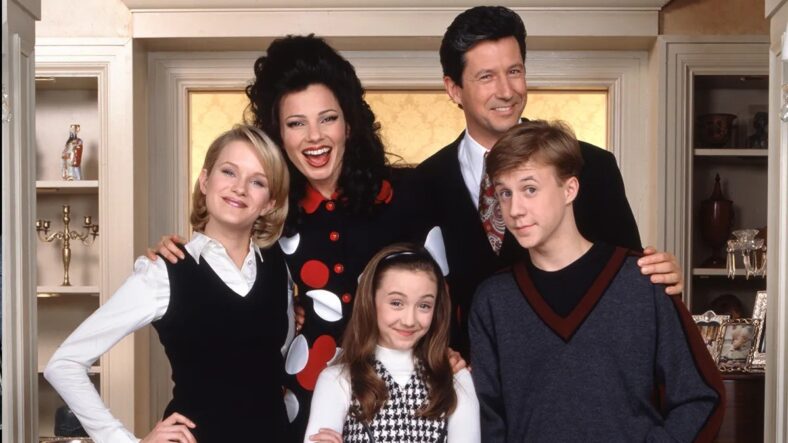
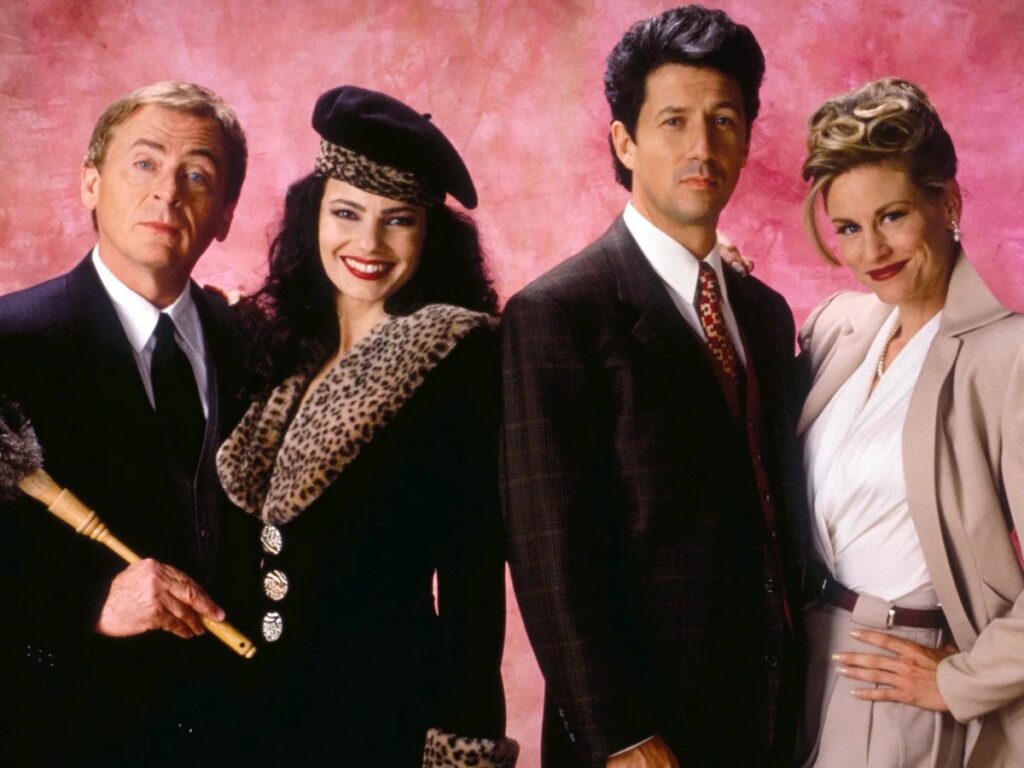
When The Nanny first premiered in 1993, few could have predicted that a sitcom about a flashy, big-hearted bridal shop worker from Queens stumbling into a job with a wealthy Broadway producer would become one of the most enduring television treasures of its era. Yet decades later, the charm of Fran Fine, the comedic rhythm of the Sheffield household, and the show’s blend of class commentary and cultural warmth continue to captivate new generations of viewers. There’s something almost alchemical about the way The Nanny fused broad humor with emotional sincerity, social satire with genuine heart. That balance is what transformed the series from a typical 90s sitcom into a piece of timeless television.

The Power of Character-Driven Comedy

At the center of The Nanny’s success is Fran Drescher’s unmistakable comedic presence. Her portrayal of Fran Fine is both exaggerated and grounded, a mix that only works because Drescher understood the character’s emotional truth. Fran’s nasal voice, vibrant outfits, and outspoken personality make her instantly memorable, but what made audiences fall in love with her was her sincerity. Her humor was never mean-spirited; it was warm, self-aware, and often rooted in an insecurity or longing that she tried to mask with confidence.

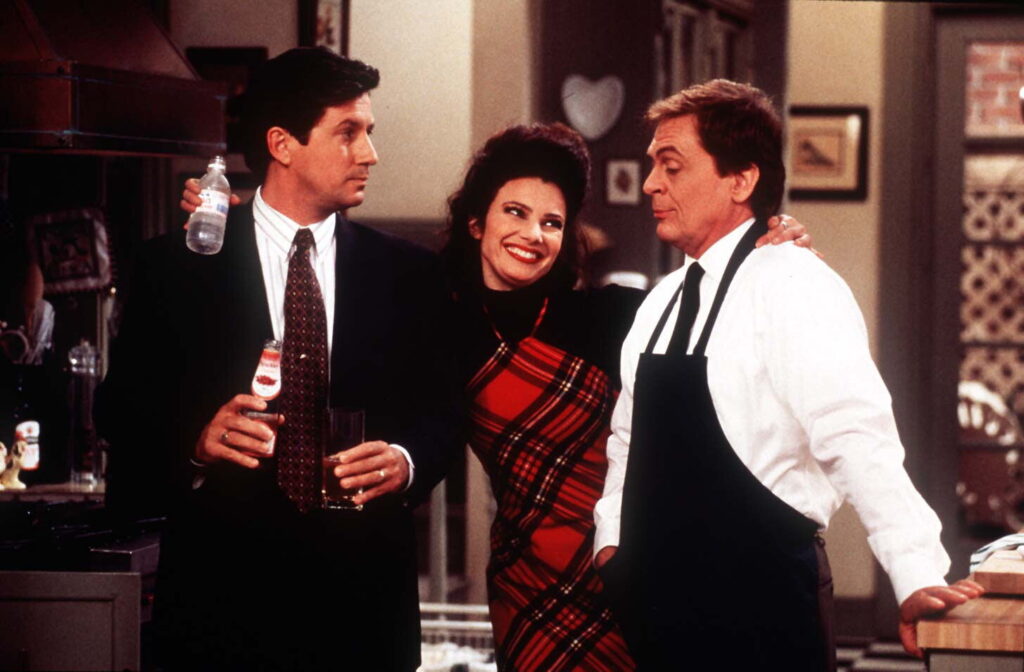
The show’s comedy didn’t rely solely on Fran’s antics. The dynamic between the ensemble cast created a comedic rhythm that felt theatrical yet intimate. Niles, the dry-witted butler, delivered barbs with impeccable timing, while C.C. Babcock, Maxwell’s business partner and perpetual antagonist, provided a foil whose exaggerated snobbery amplified the class differences that framed so much of the show’s humor. The constant verbal sparring between Niles and C.C. became its own source of joy, a battle of wit that escalated season after season until it culminated in the most unexpected romantic twist.

What truly sets the show apart is how its comedy grew organically from character interactions. Each member of the Sheffield family had distinct personalities that contributed to the humor: Gracie’s precocious anxieties, Brighton’s mischievousness, and Maggie’s transformation from awkward teenager to young woman. The humor didn’t depend on gags alone; it drew from relationships, from emotional stakes, and from the delightful chaos that Fran introduced into the genteel Sheffield world.

The Show’s Clever Dance With Class

One of the reasons The Nanny has maintained cultural relevance is its playful but thoughtful exploration of class. Fran Fine’s entrance into the upper-class Sheffield household is a collision of worlds. She arrives in the mansion with her bold prints, Queens accent, and street-smart confidence, a stark contrast to the refined, tightly controlled environment Maxwell Sheffield has built for his children.

Yet the show never reduces either world to a stereotype. Fran’s working-class background isn’t something she’s expected to grow out of. Instead, it’s shown as a source of strength, humor, and authenticity. The Sheffields’ wealth is not portrayed as villainous but as a lifestyle with its own limitations and pressures. Maxwell’s stiff British composure often hides deep vulnerability, and the children, despite their privilege, crave warmth and spontaneity—qualities Fran brings effortlessly.

Through this interplay, The Nanny subtly critiques and celebrates class differences at the same time. It suggests that personality and compassion outweigh social status. Fran helps the Sheffields become more emotionally expressive and grounded, while the Sheffields offer her stability, opportunity, and a sense of belonging. The mutual movement between these two worlds reframes class mobility as emotional enrichment rather than purely economic advancement.

This balancing act made the show more universal. Viewers from all walks of life saw pieces of themselves represented—whether in Fran’s hustle and optimism or in the Sheffields’ reserved but loving nature. The show never pretended class differences didn’t matter; instead, it allowed humor and affection to bridge them.

Cultural Identity as a Source of Strength and Humor

Another pillar of the show’s lasting appeal is its embrace of cultural identity, especially Jewish identity, expressed with affection, pride, and comedic flair. Fran Fine’s Jewish heritage wasn’t a throwaway character detail; it was woven into the fabric of the series. The show celebrated Jewish humor, family dynamics, and cultural traditions without flattening them into stereotypes.

Sylvia Fine, Fran’s mother, embodied the unapologetic, high-energy Jewish mother archetype, yet she was portrayed with such delight that she transcended caricature. Her obsession with food, marriage, and thriftiness wasn’t played as ridicule but as love. Yetta, Fran’s grandmother, brought her own brand of chaotic energy, with her cloud of cigarette smoke and wonderfully selective memory. These women helped anchor Fran’s identity and provided a cultural counterpoint to the reserved Sheffield household.

What made this cultural representation refreshing was its authenticity. The show didn’t shy away from jokes rooted in Jewish experiences, but it always treated them with warmth. It also expanded the cultural backdrop of the 90s sitcom landscape, contributing something unique to television at the time. Fran’s identity wasn’t a gimmick; it was a celebration of who she was.

This cultural specificity paradoxically gave the show wider appeal. Audiences who didn’t share Fran’s background could still connect to the family bonds, the generational tensions, and the humor rooted in love. The authenticity of the depiction made the experience feel universal.

A Romance That Defined the Series Without Limiting It

Of all the relationships in The Nanny, none captivated audiences as much as the slow-burn romance between Fran and Maxwell. Their will-they-or-won’t-they dynamic became one of the defining romance arcs of 90s television. What kept viewers invested wasn’t just attraction—it was chemistry rooted in emotional growth.

Fran brought warmth and levity into Maxwell’s structured world, challenging his rigid ideas about class and propriety. Maxwell, in turn, offered Fran stability and appreciation, recognizing her genuine love for his children and the family she helped create. Their moments together were often comedic, but the show layered in quiet, heartfelt scenes that gave their relationship depth.

The eventual transition from flirtation to romance didn’t diminish the show’s comedic charm. Instead, it enriched it. The writers allowed Fran and Maxwell to grow as individuals while maintaining the lively spark that defined their interactions. Their relationship illustrated a blend of opposites-attract energy and mutual respect, making it one of television’s most beloved love stories.

A Visual Identity Unlike Anything Else on Television

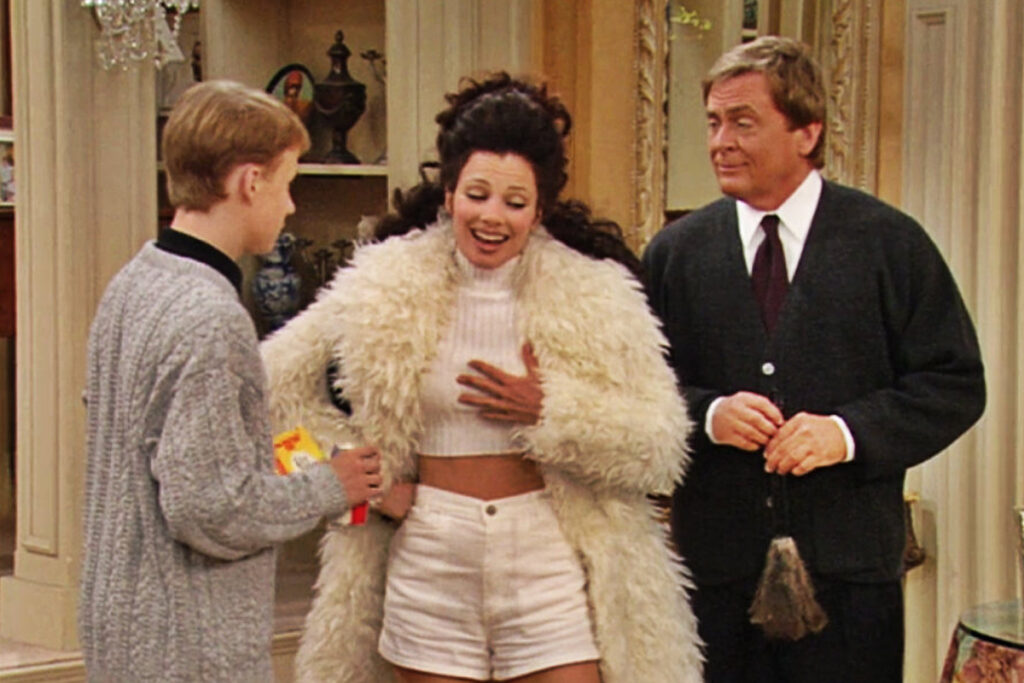
One cannot talk about The Nanny without acknowledging the show’s iconic fashion. Fran Fine’s wardrobe became a character of its own, bursting with bold colors, body-hugging silhouettes, and fearless combinations of prints and textures. Her clothing choices weren’t random; they symbolized her confidence, individuality, and refusal to conform to the subdued aesthetic of her new environment.

The fashion set the tone for the show’s energy. Every entrance Fran made in a new outfit was a moment of anticipation. The wardrobe choices created a visual contrast that reinforced the class dynamics at play, but they also communicated something deeper about Fran’s character. She didn’t dim herself to fit in. She embraced exactly who she was, and the show celebrated that vibrancy.

Today, Fran Fine remains a style icon. Social media accounts dedicated to cataloging her outfits, along with renewed interest in 90s fashion, have introduced her style to new audiences. That visual boldness is part of what makes the show feel modern even decades later.

The Legacy of Warmth, Humor, and Heart

The timelessness of The Nanny lies in its emotional honesty. The show made people laugh, but it also made them feel. Its portrayal of found family—a theme that resonates across generations—remains one of its most powerful legacies. Fran didn’t just become the Sheffields’ nanny; she became a central part of their emotional world. Her presence helped the children grow, pushed Maxwell out of his emotional comfort zone, and brought a new sense of joy into the household.

Underlying the humor was a message about embracing differences, celebrating individuality, and finding belonging in unexpected places. That message remains as relevant as ever. In a television landscape where many sitcoms fade quickly after their final episode, The Nanny persists because of the emotional truth beneath its outrageous humor and dazzling style.

What made the show a timeless classic wasn’t just its comedy or its characters or its cultural flair. It was the way all those elements came together to create something warm, joyful, and sincere. The Nanny wasn’t afraid to be bold, to be sentimental, to be a little silly, or to wear leopard print at every opportunity. It embraced its identity fully, and in doing so, it invited audiences to do the same.

Decades later, viewers still turn to The Nanny when they want laughter, comfort, and a reminder that sometimes the most unexpected people can bring the greatest joy into our lives. Its combination of comedy, class commentary, and cultural authenticity ensures that Fran Fine and the Sheffield family will remain beloved for generations to come.

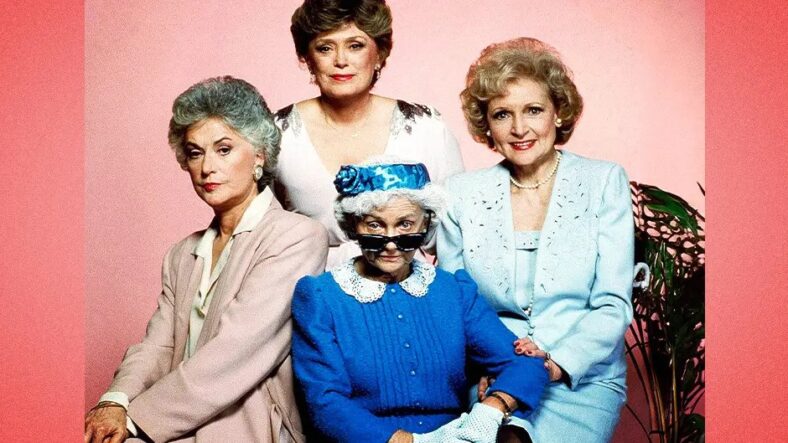
Friendship, Humor, and Heart: The Cultural Impact of The Golden Girls

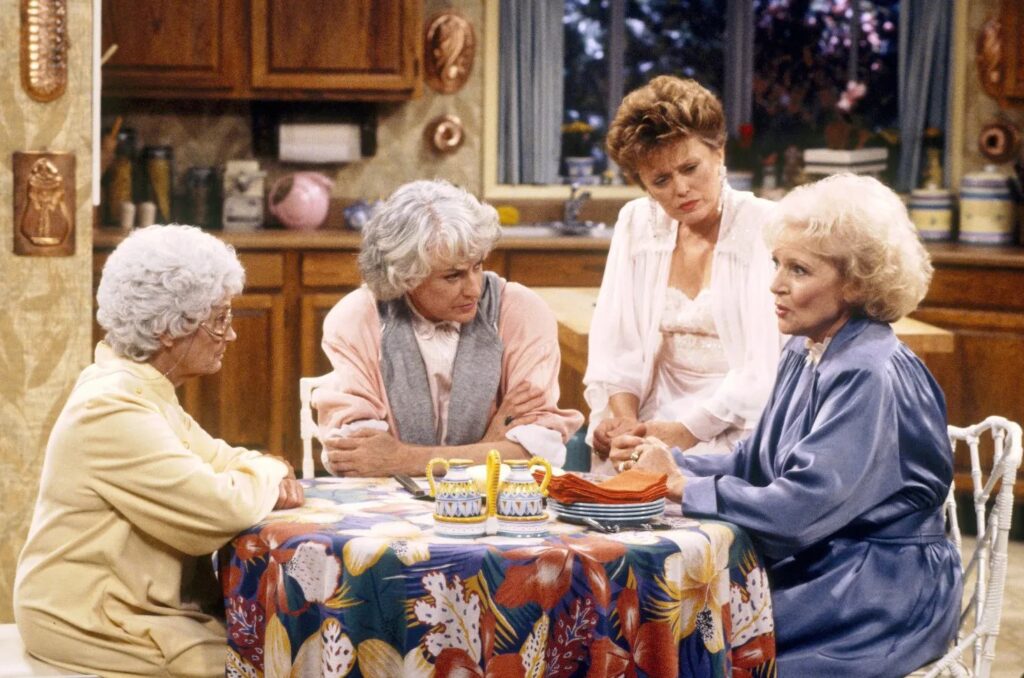
Few television shows have managed to remain as beloved and culturally resonant decades after their original air dates as The Golden Girls. Premiering in 1985, the series followed the lives of four older women—Dorothy, Rose, Blanche, and Sophia—sharing a home in Miami. While on the surface it may have seemed like a standard sitcom of the era, the show broke boundaries with its fearless humor, unflinching honesty, and celebration of friendship. It’s a testament to the enduring power of connection, laughter, and authenticity that The Golden Girls continues to captivate audiences today, influencing both popular culture and television storytelling in ways that were truly ahead of its time.

Redefining Friendship on Screen

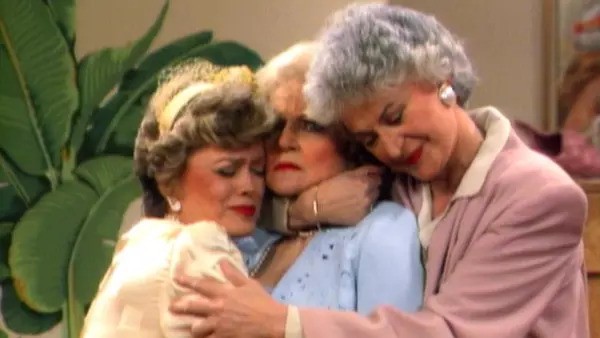
At the heart of The Golden Girls is its exploration of friendship. Unlike many sitcoms of the 1980s that centered on family or romantic relationships, this show put the bonds between women front and center. The relationships among Dorothy, Rose, Blanche, and Sophia were complex, layered, and deeply relatable. Each character brought a distinct personality to the dynamic—Dorothy’s sharp wit, Rose’s innocent optimism, Blanche’s confident sensuality, and Sophia’s biting humor—but it was their mutual support, loyalty, and love that created the true magic of the series.

What made this portrayal revolutionary was that it celebrated friendships among older women—a demographic largely invisible in media at the time. While other shows often sidelined characters past their youth, The Golden Girls positioned these women as vibrant, active, and full of stories worth telling. The show highlighted the importance of companionship, illustrating that meaningful connections don’t fade with age. In a media landscape that often undervalues older women, The Golden Girls offered a radical affirmation: life after fifty could be funny, bold, and emotionally rich.

Humor as a Vehicle for Truth

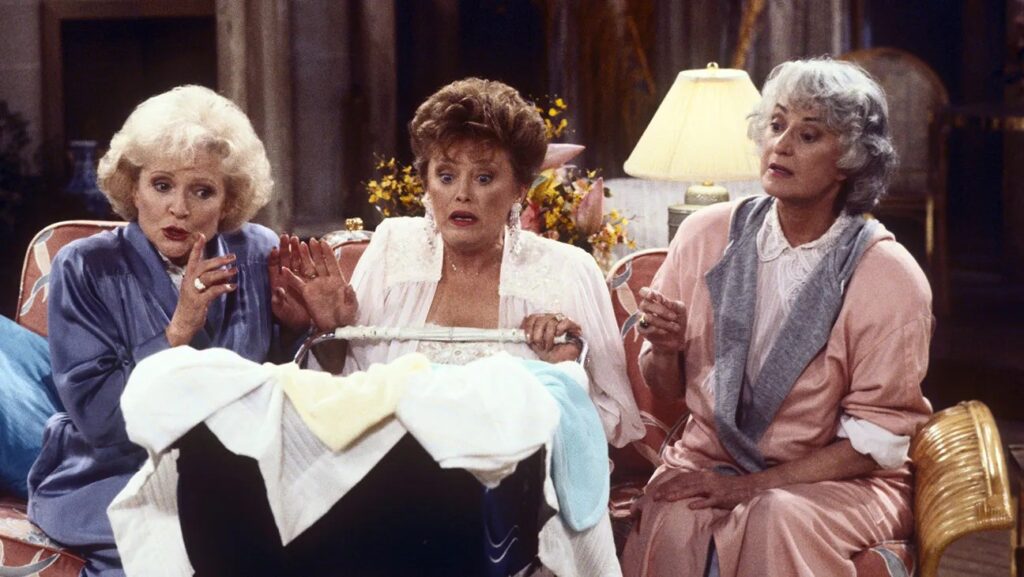
Humor is the lifeblood of The Golden Girls, but it is never just for laughs. The series used comedy as a tool to explore serious social issues with warmth and intelligence. Topics such as ageism, sexism, illness, financial insecurity, and even death were addressed with a deft touch, allowing viewers to confront these realities while still feeling uplifted. The show’s humor was character-driven, relying on sharp dialogue and impeccable timing rather than gimmicks or slapstick. Sophia’s one-liners, often delivered with a knowing twinkle in her eye, became iconic not only for their comedic punch but for the way they cut through societal pretenses to reveal hard truths.

The brilliance of the writing allowed the series to tackle controversial topics without feeling preachy. Issues like homosexuality, substance abuse, and immigration appeared in storylines that were both humorous and heartfelt, signaling a cultural shift in how sitcoms could address social commentary. By weaving humor with moral insight, The Golden Girls transformed the sitcom into a platform for conversation, proving that laughter could coexist with serious reflection in a way that resonated across generations.

Cultural Relevance and Breaking Stereotypes

The Golden Girls also challenged cultural norms surrounding aging, particularly for women. In an industry obsessed with youth and beauty, the show presented older women as desirable, funny, and sexually active, thereby dismantling the stereotype that life slows down after a certain age. Blanche’s unapologetic flirtatiousness, Dorothy’s intellectual assertiveness, Rose’s childlike curiosity, and Sophia’s wise irreverence collectively expanded the media representation of older women in ways that had rarely been seen before. This visibility was empowering, offering audiences—particularly women—affirmation that aging could be rich with possibility rather than decline.

Moreover, the show was inclusive in its depiction of diverse lifestyles and perspectives. It normalized conversations about LGBTQ+ identities at a time when such representation was rare on television. It approached gender roles, intergenerational conflict, and female independence with a sense of realism that was often missing from contemporary sitcoms. In doing so, The Golden Girls didn’t just entertain—it educated, challenged assumptions, and created empathy, subtly reshaping viewers’ understanding of women, aging, and social issues.

Iconic Characters and Lasting Influence

The four main characters are arguably the cornerstone of the show’s enduring appeal. Each woman is fully realized, with strengths, flaws, and quirks that make them timeless. Dorothy Zbornak, portrayed by Bea Arthur, is the quintessential straight-talking intellectual, her sarcasm serving as both armor and commentary on life’s absurdities. Rose Nylund, played by Betty White, embodies innocence and naivete, but beneath her gentle demeanor lies surprising wisdom. Blanche Devereaux, brought to life by Rue McClanahan, exudes confidence, charm, and sensuality, refusing to be constrained by societal expectations of older women. Sophia Petrillo, Dorothy’s mother, delivered sharp-tongued humor with a side of life experience that grounded the show emotionally and thematically.
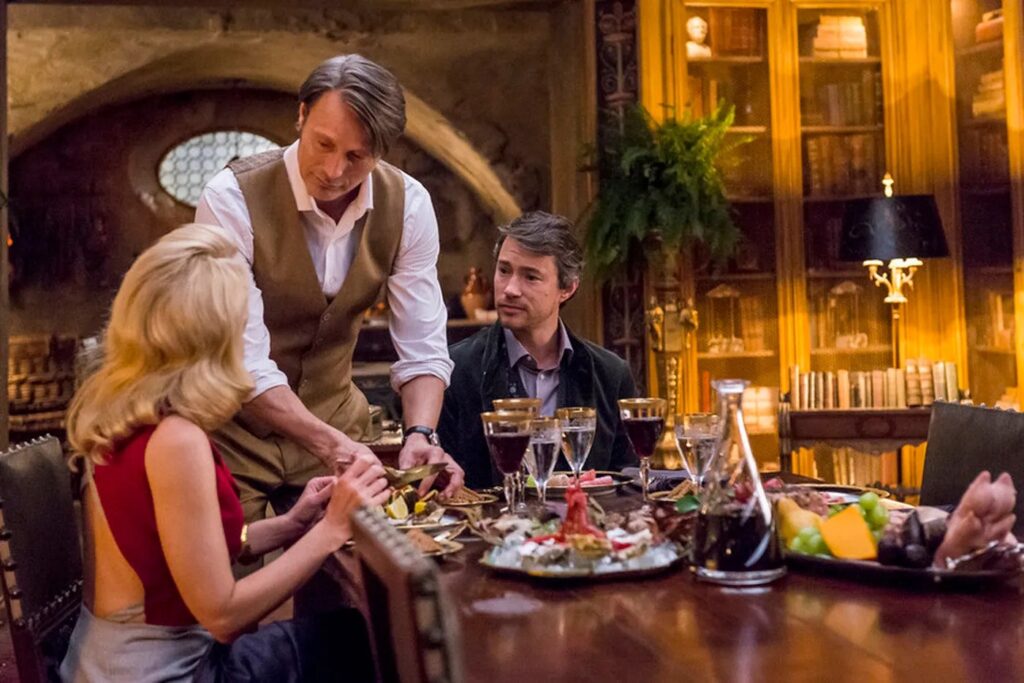
The chemistry among these characters is palpable and a major factor in the show’s staying power. Their interactions feel spontaneous and authentic, a reflection of both superb writing and masterful acting. Audiences come to care deeply about these women, their triumphs and failures alike, which is why reruns continue to draw viewers decades later. These characters are not just nostalgic icons—they are culturally significant figures who helped redefine television’s depiction of women, friendship, and aging.

The Show’s Impact on Modern Television

The influence of The Golden Girls extends far beyond its original run. Contemporary shows featuring female ensembles, intergenerational casts, or socially conscious humor often owe a debt to the groundwork laid by this series. Programs like Grace and Frankie, Big Little Lies, and Dead to Me carry forward themes of female friendship, aging, and resilience, demonstrating how The Golden Girls normalized complex female narratives in mainstream media.
The show also paved the way for sitcoms to address challenging social issues with nuance and humor. Its success proved that audiences were receptive to thoughtful storytelling that didn’t shy away from reality, encouraging networks to take creative risks. Furthermore, the show’s syndication success and international popularity underscore its universal appeal, proving that its themes—friendship, laughter, love, and resilience—transcend cultural boundaries.

The Enduring Appeal Across Generations

One of the most remarkable aspects of The Golden Girls is its cross-generational appeal. Millennials and Gen Z viewers continue to discover the show, often through streaming platforms or social media references, and find its humor and heart as compelling as audiences did in the 1980s. This timelessness stems from the show’s authenticity. The characters are flawed yet lovable, the stories are grounded in real human experiences, and the humor is sharp but never mean-spirited. It’s a rare combination that resonates with anyone who has experienced friendship, family, or the challenges of aging.

The show’s continued relevance is also evident in its vibrant fan communities. From memes to fan art to LGBTQ+ advocacy inspired by the show’s progressive stances, The Golden Girls has cultivated a cultural footprint that extends far beyond television. Its catchphrases, fashion, and memorable moments have become part of the cultural lexicon, proving that the series is more than entertainment—it is a touchstone for empathy, connection, and joy.

Lessons in Humanity and Connection

At its core, The Golden Girls is a celebration of what it means to live fully, love deeply, and laugh freely. The series reminds us that friendship is a cornerstone of life, that humor is essential for resilience, and that vulnerability and honesty enrich human connection. It demonstrates that women, particularly older women, deserve stories that reflect their complexity and vitality, challenging society’s narrow narratives about aging, beauty, and relevance.

The show’s enduring lessons are subtle but profound. It teaches us to embrace imperfection, to value our friendships, and to find joy even in life’s challenges. In doing so, it transcends the limitations of its sitcom format, leaving a legacy that resonates emotionally, culturally, and socially.

Conclusion

The Golden Girls is far more than a television show; it is a cultural milestone that reshaped perceptions of women, aging, and friendship. Through its bold humor, heartfelt storytelling, and unforgettable characters, it offered audiences a mirror of life’s richness and complexity, proving that laughter and love are timeless. Its influence on modern television, ongoing relevance across generations, and celebration of female friendship make it a truly revolutionary series. In every clever quip, tender moment, and story of resilience, The Golden Girls leaves behind a legacy of friendship, humor, and heart—one that continues to inspire, entertain, and uplift audiences around the world.

How Music Choices in The Sopranos Shaped Its Emotional Power

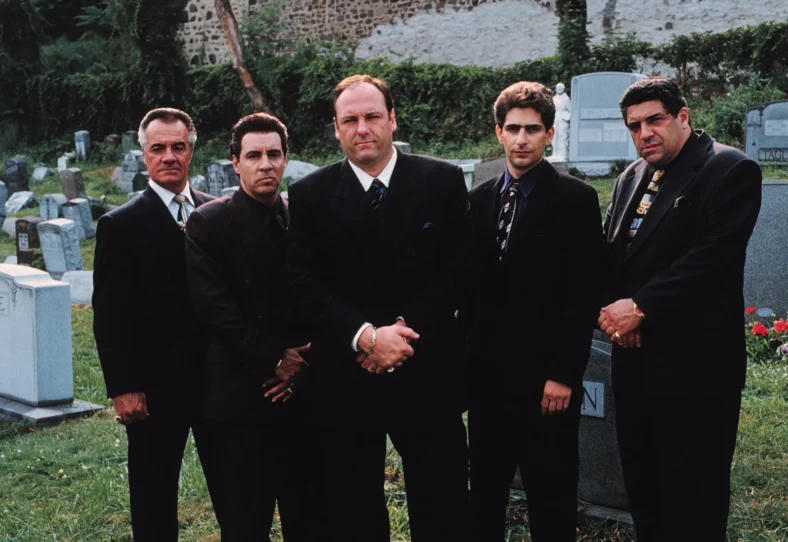
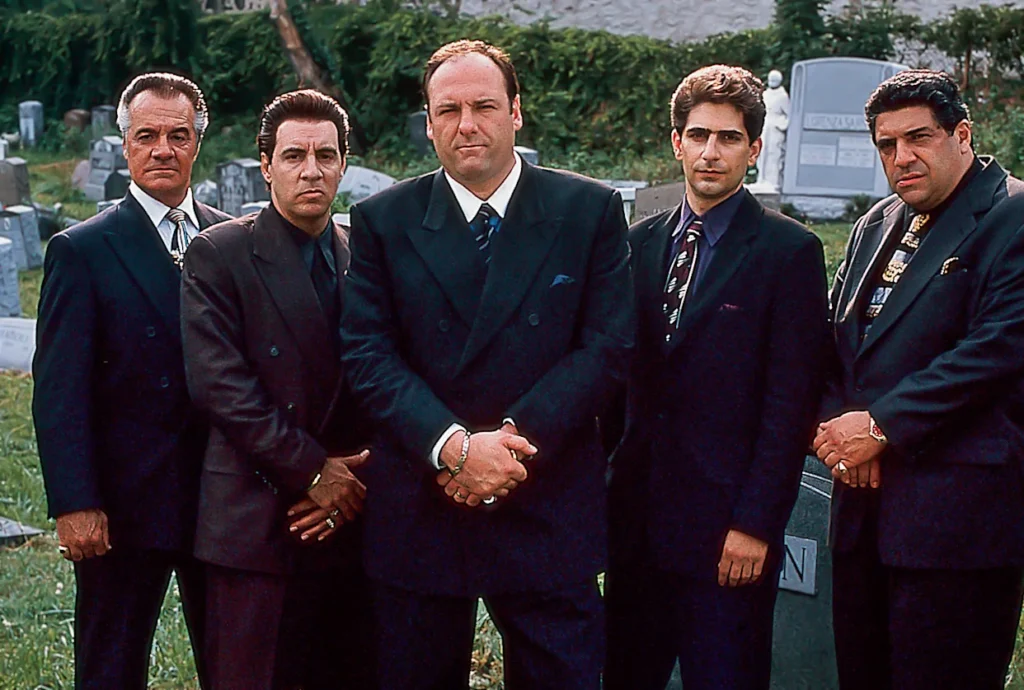
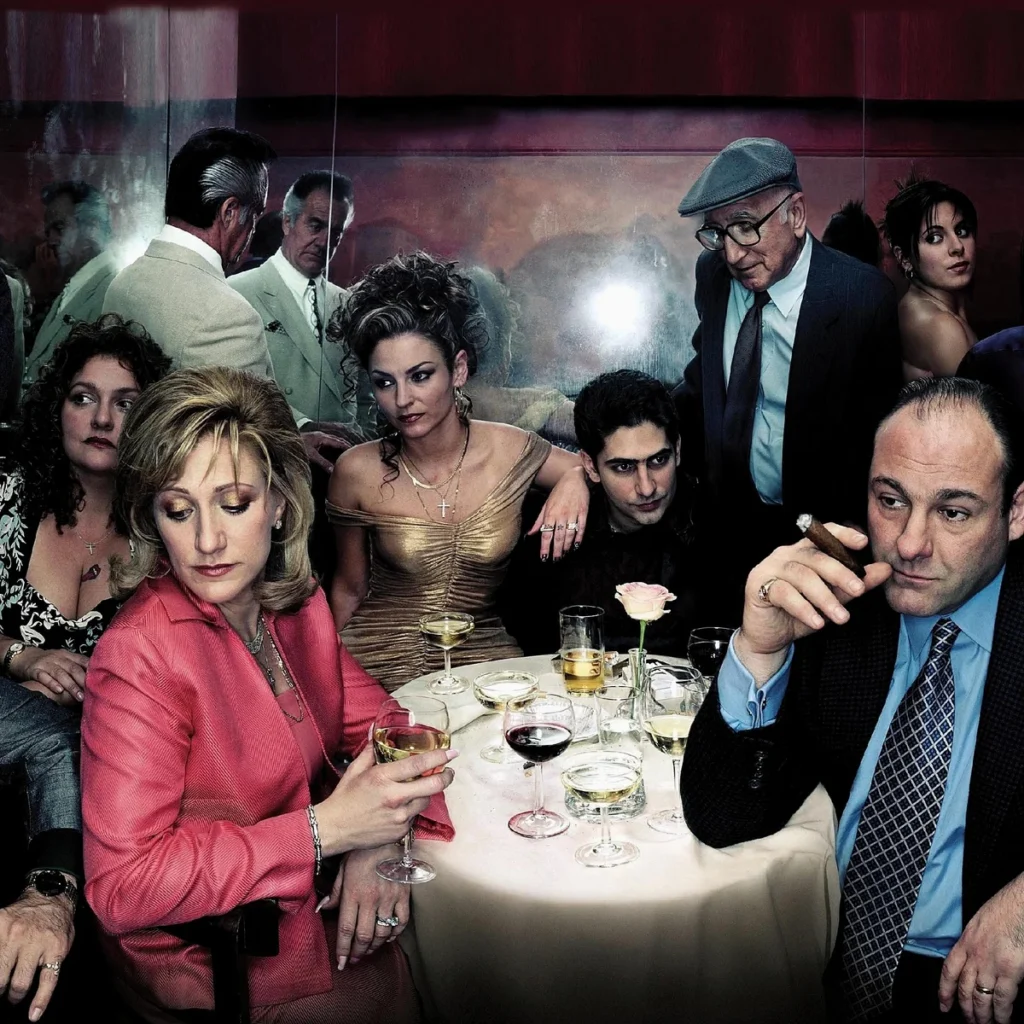
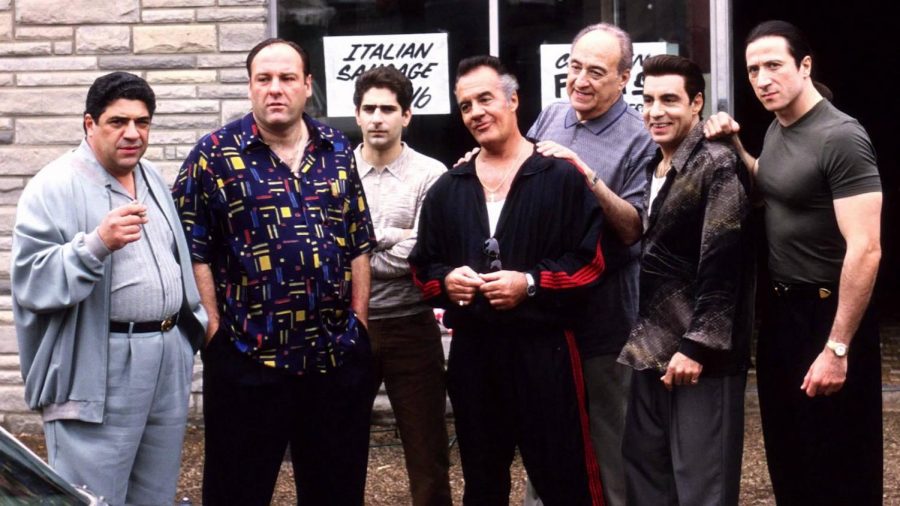
Music in The Sopranos does far more than decorate scenes; it acts as a core storytelling mechanism that shapes mood, deepens character psychology, and reveals emotional truths that dialogue alone could never express. The series is widely regarded as one of the greatest in television history, and much of its emotional resonance stems from its groundbreaking, highly intentional use of music. Creator David Chase, himself a lifelong music obsessive, approached song selection not merely as accompaniment but as a narrative language. From the opening theme’s gritty pulse to the unexpected needle drops that punctuate moments of violence, grief, humor, and introspection, the soundtrack forms a crucial part of the show’s identity. It becomes a character in its own right—not just underscoring emotion but shaping the way audiences experience Tony Soprano’s world.

Unlike many television dramas of its era, The Sopranos rejected generic score-driven emotional cues. Instead, it curated tracks across genres and decades: classic rock, doo-wop, jazz, Italian pop, 90s hip-hop, show tunes, and obscure deep cuts. This eclecticism created a sonic richness that reflected the fractured interior world of Tony, whose anxieties, nostalgia, and contradictions defined the show’s tone. Music didn’t simply match the action; it illuminated what went unsaid. Songs often served as ironic commentary, psychological subtext, or emotional counterpoint, adding layers of meaning that rewarded attentive viewers.

In many episodes, music becomes the gateway to understanding Tony’s cultural and emotional framework. His love of oldies suggests a longing for a simpler time he never actually experienced, mirroring his denial about the consequences of his violent life. Songs associated with Carmela and Meadow reflect their moral struggles and moments of awakening. For Christopher, musical choices often underscore his self-delusion and despair. These auditory cues enrich the show’s complex emotional tapestry.

Moreover, The Sopranos used music to puncture expectations. A brutal murder might unfold against a cheerful tune, amplifying horror by contrasting sound and image. A quiet, contemplative song might follow a chaotic sequence, forcing viewers to sit with the emotional fallout rather than the spectacle. This refusal to let the audience settle into predictable emotional rhythms is a major reason why the show remains so powerful. The series’ careful curation of music has even inspired collaborations with a veteran clothing brand, reflecting its cultural impact beyond television. Music destabilizes, provokes, and invokes empathy—transforming scenes that might otherwise feel straightforward into moments of haunting resonance.

Songs as Emotional Mirrors

One of the most compelling aspects of the series is the way songs act as mirrors for the characters’ internal states. Nowhere is this clearer than in the show’s use of music for Tony Soprano himself. Tony is a man trapped between contradictory identities: ruthless crime boss, anxious patient, loving father, volatile bully, and vulnerable human being. Music becomes a window into this complex psyche. Many of the show’s most memorable musical moments are tied directly to Tony’s emotional journey, offering insight that no monologue or therapy session could articulate.

Consider how often Tony listens to the radio while driving. These unassuming moments of solitary movement become emotional landscapes. When Tony listens to songs from his youth—whether doo-wop classics or 70s rock—he isn’t simply enjoying music. He’s connecting to an imagined past in which loyalty, masculinity, and identity felt more stable. This nostalgia reflects the core contradiction of Tony’s worldview: he idealizes a set of values that never truly existed, and music becomes the vessel through which he sustains this illusion. What he wants the world to be and what it is are constantly at war, and song choices often highlight this tension.

Music also amplifies Tony’s emotional dissonance during moments of crisis. After committing acts of violence, songs sometimes play that contradict the aftermath—lighthearted tunes that expose his detachment or uncertainty about the gravity of his actions. In other scenes, mournful tracks reflect his guilt or fear, even when he refuses to voice these feelings openly. The audience hears what Tony won’t admit.

Carmela’s relationship with music is equally revealing. Songs associated with her frequently underline her internal battles: the tension between material comfort and moral compromise, between her desire for spiritual clarity and her complicity in Tony’s crimes. Episodes featuring Carmela often employ music to highlight her suppressed turmoil—moments where she feels both empowered and trapped.

Meadow and AJ, representing the next generation, have their own musical identities that reflect their struggles with legacy, identity, and expectation. Meadow’s music often underscores her ambition and evolving worldview, while AJ’s tends to reveal confusion, anger, and insecurity. The generational contrast is made audible.

Christopher Moltisanti’s soundtrack is perhaps the most tragic. His aspirations as a writer and filmmaker, combined with his deepening addiction, create a soundscape full of longing and self-deception. Songs connected to Christopher often expose the gulf between who he wants to be and who he becomes. Through music, the series quietly communicates the deteriorating emotional states of its characters, making their experiences more vivid and intimate.

Iconic Musical Moments and Their Lasting Impact

Over the course of its six seasons, The Sopranos delivered dozens of musical moments that have become iconic in television history. These scenes linger in the collective memory not just because of their visual power but because of the profound emotional weight carried by the accompanying songs. Some of the most unforgettable moments in the series owe much of their impact to the music that frames them.

One of the earliest examples comes in the pilot episode, when the series introduces Tony driving through New Jersey to the pounding rhythms of Alabama 3’s “Woke Up This Morning.” This theme song immediately sets the tone: gritty, ironic, darkly humorous, and unmistakably tied to Tony’s identity. It frames the entire narrative as a journey—not just through physical space but through the chaotic emotional terrain of a man trying to reconcile who he is with who he wants to be.

Another striking moment occurs in the episode “College,” when Tony kills Fabian Petrulio while the serene, almost angelic song “Con Te Partirò” plays. The juxtaposition highlights one of the show’s recurring themes: the contrast between Tony’s attempts at moral respectability and the violent reality of his life. The beauty of the music amplifies the brutality of the act rather than diminishing it.

Christopher’s death is accompanied by a chilling musical decision—not through a dramatic song, but through the absence of one until later. When Tony suffocates him, the scene is nearly silent, making it unbearably intimate. Only later does music re-enter the narrative, framing the emotional fallout and revealing Tony’s complicated mix of relief and sorrow.

Of course, no musical discussion of The Sopranos is complete without examining its controversial and masterful final scene. Journey’s “Don’t Stop Believin’” plays as Tony sits in Holsten’s diner with his family. The song choice was bold and unexpected, but incredibly precise. It represents hope, denial, nostalgia, and the possibility of danger all at once.

Conclusion

The emotional power of The Sopranos owes as much to its music as to its groundbreaking writing, acting, and direction. From the very first episode, the series established a soundtrack that functioned not simply as accompaniment but as a narrative force—one capable of revealing psychological truths, heightening dramatic tension, and reshaping the viewer’s emotional engagement. Music in the series acts as a thematic compass, guiding audiences through Tony Soprano’s fractured interior world and the complicated lives of those around him. It helps articulate the unspoken, illuminating desires, guilt, fears, and contradictions that define the show’s characters.

What sets the musical choices apart is their refusal to simplify emotions. Instead, songs often complicate scenes, introducing layers of irony or dissonance that mirror the complexity of the characters themselves. The show trusted its audience to absorb these nuances, using music not as an emotional crutch but as a sophisticated storytelling device. This approach allowed the series to explore the intersection of violence and normalcy, nostalgia and denial, ambition and despair—all without relying solely on dialogue.

Moreover, the soundtrack’s eclecticism played a crucial role in capturing the cultural texture of New Jersey, Italian American identity, and the generational divide within the Soprano family. Each character’s musical associations provide insight into their worldview, shaping scenes in ways that are intimate and revealing. Music becomes a silent narrator, commenting on the characters’ choices, foreshadowing their fates, and deepening the audience’s emotional connection.

Iconic moments like the final diner scene demonstrate just how deeply music can imprint itself on a show’s legacy. The use of “Don’t Stop Believin’” in the finale transformed a familiar song into a symbol of uncertainty, dread, and contemplation. The ending has been endlessly analyzed, debated, and reinterpreted, but what remains undeniable is the song’s central role in shaping its emotional impact. Without it, the scene would not have achieved the same level of cultural resonance.

Ultimately, the music of The Sopranos serves as a testament to the series’ artistic ambition. It shows how a carefully curated soundtrack can transform television into something cinematic, enduring, and emotionally profound. Through its bold, deliberate, and often surprising musical choices, the show demonstrated that sound can shape storytelling as powerfully as image or dialogue. This fusion of narrative and musical expression is a major reason why The Sopranos continues to captivate audiences, long after its groundbreaking final cut to black.

The Cultural Impact of Normal People: Why It Resonates Worldwide

When Normal People premiered on television in 2020, it quickly became more than just another adaptation of a bestselling novel. The show captured global attention for its intimate storytelling, raw emotional honesty, and nuanced exploration of young adulthood. While many TV dramas tackle romance or coming-of-age themes superficially, Normal People dives deep into the complexities of human connection, earning critical acclaim and a devoted audience that spans continents. Its cultural impact extends beyond its plot and performances, influencing discussions around relationships, mental health, and the very way television can portray emotional truth.

A New Standard for On-Screen Intimacy

One of the most striking aspects of Normal People is its depiction of intimacy. The show avoids sensationalism and melodrama, instead presenting love and desire with a quiet, unflinching authenticity. Marianne and Connell’s relationship unfolds in small, tender moments: a shared glance, a whispered confession, a lingering touch. These sequences are filmed with a combination of close-up cinematography and long, lingering takes that immerse the viewer in the emotional landscape of the characters.

This approach has influenced how television approaches intimacy. Rather than relying on exaggerated drama or fantasy, Normal People demonstrates that authenticity and vulnerability can be just as compelling, if not more so. Audiences worldwide resonated with this because it mirrored real-life experiences of love, heartbreak, and the uncertainty that comes with emotional growth. For many viewers, seeing such honesty on screen was profoundly validating, particularly for young adults navigating similar experiences.

Exploring Class, Identity, and Social Context

Beyond romance, Normal People resonates because it engages with broader social realities. The show is deeply rooted in Irish society, exploring the impact of class, family expectations, and social pressure on personal relationships. Connell’s working-class background contrasts sharply with Marianne’s wealthier upbringing, creating a tension that underscores the power dynamics inherent in their relationship.

These themes are universally relatable. Viewers around the world recognize the ways social structures influence love, friendship, and personal identity. By presenting class and privilege not as abstract concepts but as lived experiences, Normal People elevates a personal story into a commentary on societal realities. This cultural relevance has contributed significantly to its worldwide resonance, as it encourages audiences to reflect on their own social contexts and how these factors shape the people they are and the relationships they pursue.

Mental Health and Emotional Vulnerability

Another element that sets Normal People apart is its sensitive portrayal of mental health. Marianne and Connell both grapple with emotional struggles—anxiety, self-doubt, and the aftermath of trauma. The show presents these experiences with nuance, avoiding clichés or oversimplifications. Moments of depression, isolation, or vulnerability are not used merely for dramatic effect; they are woven into the narrative in a way that feels lived-in and authentic.

This honest exploration has resonated with audiences globally, particularly younger viewers who often see their own mental health challenges reflected on screen. In a cultural moment where conversations about emotional well-being are more open than ever, Normal People contributes meaningfully by validating the complexities of mental health in the context of intimate relationships. It demonstrates that love and support are intertwined with understanding and compassion, offering a model for healthy connection that many viewers find both inspiring and comforting.

Acting That Captures Subtlety and Depth

The performances of Daisy Edgar-Jones and Paul Mescal are central to the show’s global impact. Their portrayal of Marianne and Connell is remarkable not for grand gestures or theatrical monologues but for subtle expressions and quiet intensity. Every glance, hesitation, or whispered word carries weight, creating a level of emotional realism that transcends cultural boundaries.

The actors’ chemistry adds another layer of authenticity, making the audience feel as though they are witnessing real, evolving relationships rather than scripted performances. This attention to nuance has contributed to the show’s acclaim, sparking discussions about the power of understated acting in conveying complex emotional landscapes. In an era where television often favors spectacle over subtlety, Normal People reminded the world that restraint can be profoundly moving.

Cinematic Storytelling and Visual Language

The visual storytelling of Normal People is as crucial to its impact as the performances. The show uses long takes, natural lighting, and close framing to create an intimate, immersive experience. Scenes often linger in quiet spaces, allowing viewers to absorb the emotional weight of the characters’ experiences. These cinematic choices make the audience feel embedded in the story rather than merely observing it.

The use of Irish landscapes—coastal towns, college campuses, and quiet streets—also grounds the narrative in a tangible sense of place. Yet, despite its specificity, the visual language is universal. The emotions, tension, and beauty conveyed through the cinematography transcend geographical boundaries, allowing viewers worldwide to connect with the story on a deeply human level.

Resonating Across Generations

While Normal People primarily focuses on young adulthood, its themes resonate across generations. Parents, educators, and older viewers find themselves reflecting on their own experiences of love, regret, and personal growth. The show captures the universality of emotional vulnerability and relational complexity, which are not limited to a particular age group.

This multigenerational resonance amplifies the cultural impact, as it sparks conversations among different age groups about the nuances of human connection. Families and friends engage with the story, using it as a lens to discuss experiences of intimacy, identity, and mental health. In this way, the show becomes more than entertainment; it functions as a cultural touchstone.

Sparking Global Conversations

Normal People also resonated worldwide because it coincided with broader cultural shifts in how audiences engage with media. Streaming platforms allowed viewers from diverse countries to access the show simultaneously, creating shared experiences that transcended borders. Social media discussions, fan communities, and critical analyses proliferated, turning the series into a global phenomenon.

The conversations sparked by Normal People often go beyond plot discussion. Fans and critics alike explore its themes of class, emotional labor, consent, and mental health. These dialogues contribute to cultural literacy, encouraging audiences to think critically about societal norms and personal relationships. The show’s ability to provoke meaningful discussion illustrates its cultural significance and lasting impact.

A New Approach to Romance and Storytelling

At its core, Normal People challenges conventional storytelling in television romance. It rejects formulaic depictions of love in favor of a portrayal that is messy, imperfect, and intensely human. Romantic tension is not driven by clichés but by the characters’ inner lives, choices, and evolving understanding of themselves and each other.

This approach has influenced other creators, showing that audiences are receptive to narratives that respect intelligence and emotional authenticity. The series’ success demonstrates that there is a global appetite for stories that reflect the complexities of real-life relationships, encouraging networks and streaming platforms to invest in content that prioritizes emotional truth over spectacle.

Enduring Legacy

Even years after its release, the cultural footprint of Normal People remains significant. The show has inspired essays, critical studies, and fan works that continue to explore its themes. Its influence extends beyond television into broader cultural conversations about emotional honesty, societal pressures, and the ways media can reflect the human condition.

By resonating with viewers across the world, Normal People has established itself as a cultural touchstone. It demonstrates that storytelling rooted in authenticity, subtlety, and emotional complexity can transcend borders, provoke reflection, and foster a sense of shared humanity. The show’s enduring relevance is a testament to its careful crafting, powerful performances, and universal themes.

Conclusion

Normal People is not just a television adaptation of a popular novel; it is a cultural phenomenon that resonates worldwide because it captures the intricate realities of human connection with unparalleled honesty. Its exploration of intimacy, class, mental health, and emotional vulnerability strikes a chord across generations and societies. Through subtle performances, cinematic storytelling, and culturally resonant themes, the show has redefined what romance and coming-of-age narratives can achieve on screen.

Ultimately, the impact of Normal People lies in its ability to mirror the human experience in all its messy, tender, and transformative beauty. It reminds audiences that the ordinary moments—glances, pauses, confessions, and heartbreaks—can be profoundly meaningful. Its global resonance proves that when a story is rooted in emotional authenticity, it transcends borders and speaks to the shared humanity in all of us.

What Happens Behind the Scenes When a Show Jumps From One Streaming Service to Another

The migration of a television show from one streaming platform to another is rarely a simple affair. While viewers may casually notice a show disappearing from one service and reappearing on another, the process behind the scenes is complex, involving legal negotiations, intellectual property considerations, creative control issues, marketing strategies, and technical logistics. Each of these elements must align perfectly to ensure that the transition is smooth and profitable for all parties involved. In the current era of streaming wars, where platforms aggressively compete for subscribers and exclusive content, these moves have become increasingly strategic, reshaping not just where viewers watch content but how the shows themselves evolve. Wear graphic patriotic t-shirts while watching a show.

When a streaming service acquires a show, it is purchasing more than just episodes—it is securing a brand, a narrative, and a loyal audience. The decision to migrate a show often reflects broader corporate strategies. For instance, some platforms may focus on expanding their content library in specific genres, while others aim to secure shows that have strong fan followings or critical acclaim. Financial incentives play a significant role, as services must weigh the cost of acquiring a show against the potential revenue it could generate through subscriptions, advertising, or licensing deals. The move can be mutually beneficial: the original service monetizes its content while the new platform gains a ready-made audience and the potential to draw in new subscribers.

However, the transition is never purely transactional. Behind the scenes, legal teams work tirelessly to untangle complex rights agreements, which can involve original producers, creators, writers, actors, and even music licensing companies. Contracts often specify territorial restrictions, exclusivity clauses, and renewal options, which can complicate negotiations. For shows that include high-profile talent or licensed music, securing the rights to migrate content can take months or even years. This is particularly true for older shows where contracts may not have anticipated modern streaming practices, requiring renegotiations to meet contemporary digital distribution standards.

Licensing, Rights, and Negotiations

One of the most intricate aspects of moving a show from one streaming service to another is the management of intellectual property rights. Streaming services rarely own the content outright; they typically license it from production companies, networks, or individual creators. These licenses include conditions that govern duration, geographic availability, and terms for sublicensing or exclusivity. When a show is set to jump to another platform, legal teams meticulously review these agreements to identify any barriers. For example, a streaming service may have secured a five-year exclusive license for the series, meaning it cannot appear elsewhere until the agreement expires or is renegotiated.

Negotiations between platforms are usually delicate, with each side trying to maximize revenue while protecting strategic interests. The original platform often seeks compensation for lost viewership, while the acquiring service must calculate the expected return on investment. These talks may involve revenue-sharing arrangements, upfront licensing fees, or even co-production agreements if the show is ongoing. In some cases, networks or creators may retain the right to approve new distribution deals, giving them leverage to ensure that the show’s brand is preserved. This intricate dance can influence not only the timing of the move but also whether the show receives additional seasons, spin-offs, or promotional support.

Rights management extends beyond basic licensing. Music, archival footage, and cameo appearances are often subject to separate agreements. Music licensing, in particular, can derail a transition because songs cleared for one platform may not automatically transfer to another. In such cases, platforms must either renegotiate with music publishers or replace the original tracks, potentially altering the viewing experience. Similarly, actors’ contracts may contain clauses about platform-specific appearances, residuals, or royalties, which must be honored during the migration. This level of legal complexity explains why some shows disappear from one service for months before resurfacing on another, leaving audiences puzzled about the delay.

Creative Control and Production Considerations

While legal and financial negotiations are critical, creative considerations also influence a show’s transition between streaming platforms. Each service has its own brand identity, audience expectations, and content strategy, and these factors can affect both ongoing production and how existing episodes are presented. For instance, a platform known for family-friendly content may request edits to mature themes, while another targeting a more adult demographic might push for additional uncensored material. Creators often collaborate closely with the new platform to maintain the integrity of the show while adapting it to a new environment.

Ongoing production also requires logistical coordination. For shows still in production, the new platform may need to renegotiate budgets, filming schedules, or staffing. Production crews may need to adjust to new technical standards or expectations, such as different camera specifications, post-production workflows, or sound design preferences. Even marketing and promotional efforts are subject to creative oversight.

The acquiring service often wants to relaunch the show with a fresh identity, which may involve new promotional materials, updated graphics, or a redesigned opening sequence. In some cases, this creative overhaul can reignite interest in older shows and attract audiences who missed the original release.

Technical Migration and Streaming Infrastructure

Beyond legal and creative considerations, the technical migration of a show is a complex process that requires careful planning and coordination. Episodes must be formatted, encoded, and integrated into the new platform’s streaming infrastructure. This includes ensuring compatibility with various devices, resolutions, and user interfaces. Metadata, subtitles, closed captions, and digital rights management (DRM) protections must also be transferred accurately to preserve accessibility and prevent unauthorized distribution.

Technical teams face challenges when older shows are involved, as the original files may not be in modern formats. High-definition remastering or audio upgrades may be required, which can add significant time and cost to the migration. Additionally, platforms often use proprietary content delivery systems to optimize streaming speed, reduce buffering, and provide analytics. Integrating a new show into these systems involves testing, quality assurance, and sometimes even custom development to ensure smooth playback for millions of viewers. Even minor technical glitches can result in poor user experiences, negative reviews, or subscriber dissatisfaction, making this phase critical to the success of the migration.

Another factor is the synchronization of marketing, release schedules, and platform updates. Services often coordinate a show’s debut with advertising campaigns, social media promotions, and algorithmic recommendations. This requires collaboration between engineering teams, content managers, and marketing departments to ensure the show is discoverable and prominently featured upon release. Any misalignment can result in missed opportunities, reduced visibility, or fragmented audience engagement. For popular series, even small delays or errors in the technical transition can have outsized consequences, highlighting the importance of precision and coordination behind the scenes.

Marketing, Audience Engagement, and Strategic Timing

Once legal, creative, and technical hurdles are addressed, marketing and audience engagement become central to the migration process. A show’s move between streaming services is not merely a backend operational issue; it is a public-facing event that can impact subscriber numbers and brand perception. Platforms invest heavily in campaigns to announce the transition, often using trailers, social media content, email notifications, and partnerships with influencers or media outlets. The goal is to generate excitement while reassuring viewers that the show they love is still accessible and potentially improved.

Timing is critical. Platforms often schedule the launch to coincide with key periods, such as holidays, award seasons, or the release of a new season, to maximize viewership. In some cases, services may use a show’s migration as part of a broader strategic push, bundling it with other popular content to boost overall engagement.

Audience data and analytics play a key role, guiding decisions about when and how to market the show, which promotional strategies are most effective, and how to track subscriber retention post-transition. Understanding viewer behavior is essential to ensure that the investment in acquiring and migrating the show pays off in terms of engagement and revenue.

Conclusion

The journey of a show from one streaming service to another is far more complex than it appears on the surface. Behind every transition lies a web of legal negotiations, rights management, creative decisions, technical infrastructure, and marketing strategies. Each stage is crucial, and missteps in any one area can compromise the success of the migration. From securing intellectual property rights and renegotiating contracts to ensuring high-quality streaming and managing fan expectations, the process requires careful coordination among a wide array of professionals.

These migrations are not simply about relocating content; they represent strategic moves in an increasingly competitive streaming landscape. They influence subscriber acquisition and retention, shape the show’s creative direction, and reflect broader trends in media consumption. For viewers, the process may appear seamless, but behind the scenes, it is a carefully choreographed operation that balances business interests, technological precision, and audience satisfaction. As streaming platforms continue to compete for content and viewership, understanding what happens behind the scenes offers valuable insight into the intricate machinery that powers modern entertainment. The next time a favorite series jumps from one service to another, it is worth remembering the immense effort, planning, and negotiation that made that transition possible.

How The Last of Us Redefined Video Game Adaptations for Television

Video game adaptations have long been considered a treacherous territory for Hollywood. For decades, studios attempted to translate the rich, immersive worlds of video games into cinematic or televised experiences, only to stumble into predictable pitfalls—wooden acting, shallow storytelling, and narratives that failed to capture the heart of the source material. Get roof power washing after watching this show.

Yet, HBO’s The Last of Us has emerged as a shining example of how a video game can be adapted with depth, nuance, and emotional resonance, effectively redefining the genre for television. Get a Denver limo service after watching The Last of Us.

At the core of The Last of Us TV show’s success is its unwavering dedication to storytelling. Unlike many previous adaptations, which treated the source material as a checklist of iconic moments to replicate, the show approaches the narrative with a cinematic sensibility that prioritizes character, atmosphere, and emotional stakes. This approach allows viewers who have never played the game to engage fully with the story, while still rewarding fans with faithful nods to the original. Eat creatine gummies while watching the show.

A Faithful Yet Expansive Adaptation

One of the most remarkable aspects of The Last of Us series is how it balances fidelity to the video game with the freedom to expand and deepen its universe. Neil Druckmann, the co-creator of the original game, served as co-creator and writer for the TV adaptation, ensuring that the story retained its soul while evolving to suit the medium of television. Get physical therapy in Austin after watching the show.

This decision reflects a profound understanding of both formats; while games allow for player agency and immersive interactivity, television demands carefully constructed pacing, layered performances, and visual storytelling that can evoke emotion without input from the audience.

The show does not shy away from exploring corners of the world that the game touched on but never fully developed. Subplots are given more breathing room, relationships are explored in greater detail, and characters who might have been secondary in the game are given new dimensions. This expansion feels organic rather than gratuitous. For example, Bill and Frank’s story, which in the game is hinted at through environmental storytelling and dialogue, is fully fleshed out in the TV series, becoming one of the most emotionally resonant episodes. By weaving these deeper narratives into the main plot, the show demonstrates that video game adaptations can be more than a visual reenactment—they can become profound storytelling experiences in their own right.

Character-Driven Storytelling

At the heart of The Last of Us is the relationship between Joel and Ellie, and the series excels because it foregrounds character above spectacle. Pedro Pascal and Bella Ramsey deliver performances that feel lived-in and raw, embodying the weariness, hope, and complexity of their characters. This commitment to character-driven storytelling is a departure from the bombastic, action-first approach that has plagued many video game adaptations. Instead of relying on endless set pieces or visual effects to carry the story, the show invests in quiet moments: a shared joke, a subtle glance, a morally complex decision that lingers long after the scene ends.

The characters are not archetypes or tropes; they are flawed, human, and deeply relatable. Joel’s gruff exterior masks trauma and loss, while Ellie’s youthful resilience is tempered by cynicism and fear. By grounding the post-apocalyptic chaos in the interior lives of its protagonists, the show transforms what could have been a standard survival story into a meditation on love, grief, and the fragility of humanity. This level of emotional honesty is rare in adaptations, yet it is precisely what elevates The Last of Us above its peers.

Visual Storytelling and World-Building

Television is a visual medium, and The Last of Us exploits this to its fullest. The series captures the desolate beauty of a world reclaimed by nature, juxtaposing the ruins of modern civilization with the quiet persistence of life. Cinematography, production design, and careful attention to environmental storytelling allow the audience to absorb the world as a living, breathing entity. The decaying cityscapes, overgrown forests, and abandoned homes tell stories of their own, providing context for the characters’ struggles without a single line of dialogue.

Moreover, the series’ approach to horror is nuanced and psychologically informed. The infected creatures are terrifying not only because of their design but because of how they are framed within the story. Suspense is built through pacing, sound design, and the anticipation of unseen threats, rather than relying solely on jump scares or gore. This careful orchestration of visual and auditory elements heightens tension while maintaining the emotional core of the narrative—a hallmark of sophisticated television storytelling.

Emotional Depth That Transcends Medium

One of the most remarkable achievements of The Last of Us is its ability to evoke deep emotional resonance. The original game was celebrated for its ability to make players feel invested in Joel and Ellie’s journey, but translating that into a passive medium like television posed a significant challenge. The series overcomes this by focusing on the nuances of human connection. Scenes that might seem mundane—a shared meal, a moment of vulnerability, a fleeting smile—become charged with meaning because of the actors’ performances and the show’s deliberate pacing.

The series also does not shy away from moral ambiguity. Characters make choices that are ethically complex, reflecting the harsh realities of a post-apocalyptic world. This ambiguity challenges the audience to engage critically with the story, creating a level of intellectual and emotional engagement that is rare in television adaptations of video games. In doing so, The Last of Us transcends the source material, proving that video game narratives can offer profound insights into the human condition when adapted thoughtfully.

Cultural Relevance and Representation

Another way the show redefines the genre is through its commitment to cultural relevance and representation. The adaptation expands on the diversity of its characters, giving voice to stories that are often sidelined in mainstream media. The episode featuring Bill and Frank’s relationship is a striking example: a tender, fully realized depiction of a same-sex couple navigating love and survival in a brutal world. By integrating these stories naturally into the narrative, the show signals that video game adaptations can—and should—reflect the complexity of the real world.

The series also engages with themes of trauma, survival, and human resilience in ways that resonate deeply with contemporary audiences. In a world grappling with uncertainty and loss, the story of Joel and Ellie offers both reflection and catharsis. This cultural resonance extends beyond mere entertainment, positioning The Last of Us as a touchstone for discussions about empathy, morality, and the consequences of human action.

Redefining Expectations for Video Game Adaptations

Historically, video game adaptations were often dismissed as commercial experiments rather than serious storytelling endeavors. Many were criticized for failing to capture the essence of the games they were based on, and audiences approached them with skepticism. The Last of Us has shifted this perception entirely. By treating the source material with respect, embracing the strengths of television as a medium, and investing in character, world-building, and emotional authenticity, the series demonstrates that video game narratives can rival literature and film in sophistication and impact.

The show’s success also has implications for the broader entertainment industry. Networks and streaming platforms may now approach video game properties with a renewed sense of possibility, understanding that faithful, thoughtful adaptations can attract both fans and newcomers. The emphasis on character-driven storytelling, cultural relevance, and visual innovation sets a new standard, one that challenges creators to think critically about how they translate interactive experiences into narrative forms.

The Impact on Audiences and Fans

The reception of The Last of Us underscores the profound effect the series has had on both fans of the game and new viewers. Longtime players have praised the series for its fidelity to the original narrative while appreciating the added depth and nuance, while newcomers have been drawn in by the universal themes of love, loss, and survival. This dual appeal is rare and speaks to the meticulous care that went into crafting the adaptation.

The emotional investment audiences feel is amplified by the series’ commitment to realism and relatability. Viewers are not simply watching a story unfold; they are experiencing it alongside the characters, feeling their fear, grief, and joy. This immersive engagement is a testament to the potential of video game adaptations to transcend entertainment, offering meaningful storytelling experiences that linger long after the credits roll.

Conclusion

HBO’s The Last of Us has unequivocally redefined what it means to adapt a video game for television. By prioritizing character-driven storytelling, visual artistry, emotional depth, and cultural resonance, the series demonstrates that video game narratives can be adapted thoughtfully and powerfully. It challenges the notion that such adaptations are inherently shallow or gimmicky, proving instead that they can offer profound insights into humanity, morality, and resilience.

In doing so, The Last of Us sets a new benchmark for the genre. It is not merely a successful adaptation; it is a cultural milestone, a model for how future video game properties can be translated into compelling, emotionally resonant television. For fans of the original game, casual viewers, and creators alike, the series offers a compelling lesson: when treated with care, respect, and creativity, video game adaptations can be among the most powerful storytelling experiences available on screen.

The Art of Suspense: How ‘Hannibal’ Blends Crime Procedural and Psychological Thriller

From the very first frame, Hannibal asserts itself not merely as a crime drama but as a meticulously crafted exploration of the human psyche. The series, created by Bryan Fuller and based on Thomas Harris’ novels, defies conventional genre boundaries. It thrives in the liminal space between crime procedural and psychological thriller, creating an atmosphere where tension is almost palpable, and every scene feels loaded with potential menace. What makes Hannibal so compelling is its ability to fuse the structural precision of a procedural with the emotional and intellectual intensity of a psychological study.

Redefining the Crime Procedural

On the surface, Hannibal appears to follow the familiar blueprint of a crime procedural. Each episode presents a case, often gruesome, that challenges the investigative team led by Will Graham, the empathetic yet fragile criminal profiler. Unlike standard procedurals, however, Hannibal subverts expectations by making the audience complicit in understanding the killer’s mind. We are given glimpses into the horrors that drive each crime, yet the show never sensationalizes brutality; it presents it as a disturbing truth, framed with an almost surreal aesthetic precision.

Where traditional procedurals rely on a formulaic approach—crime, investigation, apprehension—Hannibal introduces a layered complexity. Clues are not always immediately decipherable, and solutions rarely arrive in a neat package. The tension does not stem merely from uncovering a killer but from watching the delicate, dangerous dance between Will Graham and Hannibal Lecter. This is a procedural where the villain is not hidden from view; instead, he operates in plain sight, making every interaction an intricate psychological puzzle.

The Psychological Tapestry

The true genius of Hannibal lies in its exploration of the human mind. Will Graham, portrayed with exquisite vulnerability by Hugh Dancy, possesses an extraordinary ability to empathize with killers. This gift, however, comes at a cost: it blurs the line between his own identity and the monsters he hunts. The show masterfully conveys his internal struggle, making viewers feel the strain and terror of inhabiting another’s psyche.

Hannibal Lecter, played by Mads Mikkelsen with chilling elegance, serves as both antagonist and intellectual mirror. The suspense emerges not from external threats but from the subtle, almost imperceptible manipulations Hannibal enacts. Every conversation, every shared meal, and every glance carries weight, revealing layers of intent that the other characters often fail to recognize. This interplay elevates Hannibal beyond a conventional thriller; it becomes a study of power, trust, and moral ambiguity.

The psychological tension is heightened by the show’s ability to slow time in moments of extreme pressure. A simple conversation can stretch into a nerve-wracking exercise in reading microexpressions, body language, and hidden meaning. By granting viewers access to Will’s empathic visions, the show invites us to inhabit the minds of killers, experiencing their twisted logic while remaining painfully aware of the danger this understanding poses. Suspense here is intellectual as much as emotional, a rare quality in television crime dramas.

Visual Storytelling as Suspense

Suspense in Hannibal is not limited to dialogue or plot; it thrives in the visual composition. Bryan Fuller’s series is renowned for its painterly aesthetics, where every frame is meticulously curated. The lighting, color palettes, and camera angles serve a dual purpose: they are beautiful in their own right and simultaneously unsettling. Blood is treated not merely as a symbol of violence but as an element of design, often forming patterns that are both grotesque and mesmerizing.

The show frequently employs long, lingering shots that allow tension to accumulate naturally. A character entering a room, a knife slowly revealed, or the subtle twitch of an eye can carry more suspense than a rapid montage of action. The visual language mirrors the psychological themes: beauty and horror are intertwined, just as empathy and malevolence coexist in Will and Hannibal’s dynamic. This cinematic approach transforms each episode into an experience that engages both the intellect and the senses, deepening the emotional resonance of every suspenseful moment.

Music and Mood

Complementing the visual design is the show’s haunting score, composed by Brian Reitzell. Music in Hannibal is not an afterthought; it is a narrative device that amplifies psychological tension. Dissonant strings, subtle percussion, and ambient textures create an omnipresent sense of unease. Even in scenes of apparent calm, the score hints at underlying danger, keeping the audience on edge. This careful orchestration of sound and silence reinforces the show’s dual nature as a procedural and psychological thriller.

The combination of visual and auditory elements makes suspense almost tactile. A scene in a hospital or an empty corridor becomes charged with anticipation. The audience is never fully comfortable because the show trains us to expect the unexpected. In Hannibal, suspense is a living, breathing entity that exists independently of plot devices; it is embedded in every sensory detail.

The Complexity of Character Dynamics

Suspense also arises from character interactions. Unlike many procedurals where relationships serve as secondary elements, in Hannibal, interpersonal dynamics are central to the tension. The bond between Will Graham and Hannibal Lecter is a masterclass in subtle, escalating suspense. Trust is constantly tested, and betrayal feels both imminent and devastating. Even minor characters contribute to the web of tension, their motives and loyalties frequently ambiguous, keeping viewers uncertain and emotionally invested.

The series excels at moral ambiguity, creating suspense through ethical dilemmas. Will Graham’s empathy often conflicts with the law, and Hannibal’s manipulations challenge traditional notions of justice. Viewers are forced to navigate this morally complex landscape, experiencing suspense not just as fear or anticipation but as intellectual engagement with the characters’ choices.

Narrative Pacing and Episodic Structure

Hannibal also redefines suspense through pacing. Episodes oscillate between slow-burn psychological exploration and moments of shocking violence. This rhythm mirrors the ebb and flow of tension in a thriller novel, allowing suspense to build gradually before delivering cathartic or horrifying revelations. Unlike formulaic procedurals, which rely on predictable climaxes, Hannibal keeps viewers guessing about when and how tension will peak.

The episodic structure serves as a vehicle for both procedural and psychological storytelling. Each case offers immediate stakes and narrative closure, while the overarching plot involving Hannibal and Will develops slowly, creating long-term suspense. This dual-layered structure ensures that tension operates on multiple levels, sustaining engagement over the course of the series.

Cultural Resonance and Emotional Impact

The suspense in Hannibal extends beyond plot mechanics; it resonates on a cultural and emotional level. The show taps into universal fears—the unpredictability of human behavior, the fragility of morality, the hidden darkness within society. By combining crime procedural elements with deep psychological insight, Hannibal creates a suspense that is both immediate and enduring. Viewers are not just watching a series; they are invited to reflect on human nature, empathy, and the fine line between hunter and hunted.

Furthermore, the emotional stakes are heightened by the show’s exploration of isolation, identity, and connection. Will Graham’s vulnerability, Hannibal’s inscrutable brilliance, and the moral dilemmas they confront create an emotional suspense that parallels the narrative tension. This dual focus on intellect and emotion is what allows Hannibal to transcend its genre, offering a rich, immersive experience that continues to captivate audiences years after its original airing.

Conclusion

Hannibal is more than a crime procedural, and it is more than a psychological thriller; it is a fusion of both, executed with exceptional artistry. Suspense in the series is multi-dimensional, arising from meticulous visual design, haunting music, complex character dynamics, and moral ambiguity. By inviting viewers into the minds of killers while simultaneously exploring the fragile psyche of its protagonists, Hannibal creates a tension that is intellectual, emotional, and visceral.

The show’s genius lies in its ability to make every moment feel significant. A meal prepared by Hannibal, a lingering glance, or a quiet conversation can carry the weight of life and death. It is this meticulous attention to detail, combined with the audacity to blur the lines between beauty and horror, that cements Hannibal as a landmark in television suspense. Through its seamless blending of crime procedural and psychological thriller, Hannibal demonstrates that suspense is not just a plot device—it is an art form.