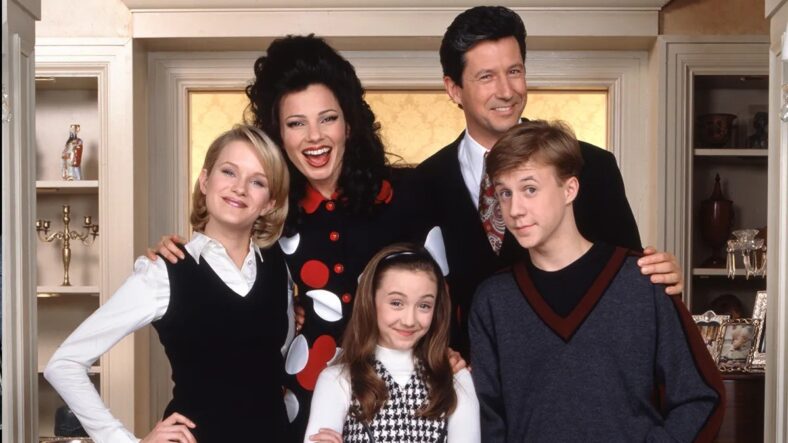
When The Nanny first premiered in 1993, few could have predicted that a sitcom about a flashy, big-hearted bridal shop worker from Queens stumbling into a job with a wealthy Broadway producer would become one of the most enduring television treasures of its era. Yet decades later, the charm of Fran Fine, the comedic rhythm of the Sheffield household, and the show’s blend of class commentary and cultural warmth continue to captivate new generations of viewers. There’s something almost alchemical about the way The Nanny fused broad humor with emotional sincerity, social satire with genuine heart. That balance is what transformed the series from a typical 90s sitcom into a piece of timeless television.
The Power of Character-Driven Comedy
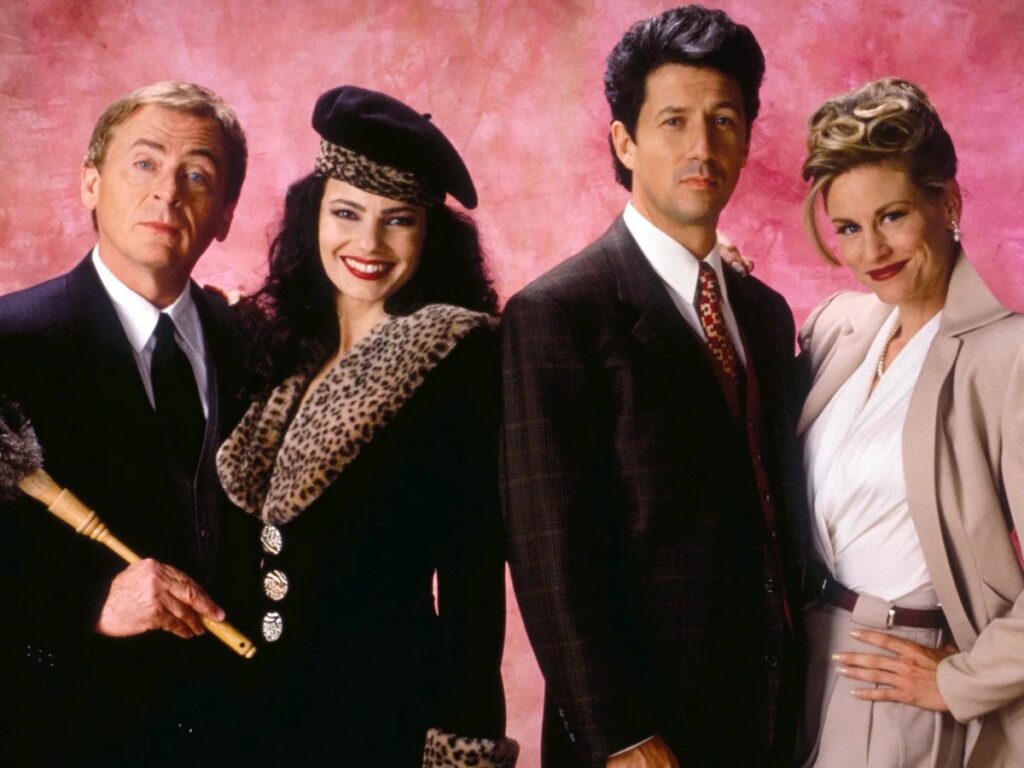
At the center of The Nanny’s success is Fran Drescher’s unmistakable comedic presence. Her portrayal of Fran Fine is both exaggerated and grounded, a mix that only works because Drescher understood the character’s emotional truth. Fran’s nasal voice, vibrant outfits, and outspoken personality make her instantly memorable, but what made audiences fall in love with her was her sincerity. Her humor was never mean-spirited; it was warm, self-aware, and often rooted in an insecurity or longing that she tried to mask with confidence.
The show’s comedy didn’t rely solely on Fran’s antics. The dynamic between the ensemble cast created a comedic rhythm that felt theatrical yet intimate. Niles, the dry-witted butler, delivered barbs with impeccable timing, while C.C. Babcock, Maxwell’s business partner and perpetual antagonist, provided a foil whose exaggerated snobbery amplified the class differences that framed so much of the show’s humor. The constant verbal sparring between Niles and C.C. became its own source of joy, a battle of wit that escalated season after season until it culminated in the most unexpected romantic twist.
What truly sets the show apart is how its comedy grew organically from character interactions. Each member of the Sheffield family had distinct personalities that contributed to the humor: Gracie’s precocious anxieties, Brighton’s mischievousness, and Maggie’s transformation from awkward teenager to young woman. The humor didn’t depend on gags alone; it drew from relationships, from emotional stakes, and from the delightful chaos that Fran introduced into the genteel Sheffield world.
The Show’s Clever Dance With Class
One of the reasons The Nanny has maintained cultural relevance is its playful but thoughtful exploration of class. Fran Fine’s entrance into the upper-class Sheffield household is a collision of worlds. She arrives in the mansion with her bold prints, Queens accent, and street-smart confidence, a stark contrast to the refined, tightly controlled environment Maxwell Sheffield has built for his children.
Yet the show never reduces either world to a stereotype. Fran’s working-class background isn’t something she’s expected to grow out of. Instead, it’s shown as a source of strength, humor, and authenticity. The Sheffields’ wealth is not portrayed as villainous but as a lifestyle with its own limitations and pressures. Maxwell’s stiff British composure often hides deep vulnerability, and the children, despite their privilege, crave warmth and spontaneity—qualities Fran brings effortlessly.
Through this interplay, The Nanny subtly critiques and celebrates class differences at the same time. It suggests that personality and compassion outweigh social status. Fran helps the Sheffields become more emotionally expressive and grounded, while the Sheffields offer her stability, opportunity, and a sense of belonging. The mutual movement between these two worlds reframes class mobility as emotional enrichment rather than purely economic advancement.
This balancing act made the show more universal. Viewers from all walks of life saw pieces of themselves represented—whether in Fran’s hustle and optimism or in the Sheffields’ reserved but loving nature. The show never pretended class differences didn’t matter; instead, it allowed humor and affection to bridge them.
Cultural Identity as a Source of Strength and Humor
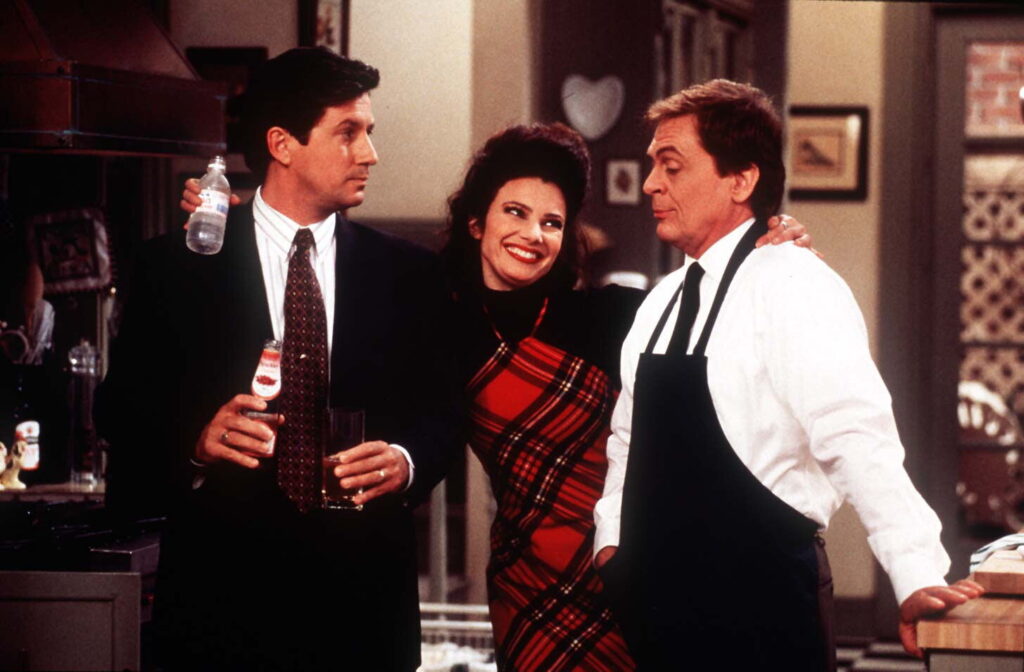
Another pillar of the show’s lasting appeal is its embrace of cultural identity, especially Jewish identity, expressed with affection, pride, and comedic flair. Fran Fine’s Jewish heritage wasn’t a throwaway character detail; it was woven into the fabric of the series. The show celebrated Jewish humor, family dynamics, and cultural traditions without flattening them into stereotypes.
Sylvia Fine, Fran’s mother, embodied the unapologetic, high-energy Jewish mother archetype, yet she was portrayed with such delight that she transcended caricature. Her obsession with food, marriage, and thriftiness wasn’t played as ridicule but as love. Yetta, Fran’s grandmother, brought her own brand of chaotic energy, with her cloud of cigarette smoke and wonderfully selective memory. These women helped anchor Fran’s identity and provided a cultural counterpoint to the reserved Sheffield household.
What made this cultural representation refreshing was its authenticity. The show didn’t shy away from jokes rooted in Jewish experiences, but it always treated them with warmth. It also expanded the cultural backdrop of the 90s sitcom landscape, contributing something unique to television at the time. Fran’s identity wasn’t a gimmick; it was a celebration of who she was.
This cultural specificity paradoxically gave the show wider appeal. Audiences who didn’t share Fran’s background could still connect to the family bonds, the generational tensions, and the humor rooted in love. The authenticity of the depiction made the experience feel universal.
A Romance That Defined the Series Without Limiting It
Of all the relationships in The Nanny, none captivated audiences as much as the slow-burn romance between Fran and Maxwell. Their will-they-or-won’t-they dynamic became one of the defining romance arcs of 90s television. What kept viewers invested wasn’t just attraction—it was chemistry rooted in emotional growth.
Fran brought warmth and levity into Maxwell’s structured world, challenging his rigid ideas about class and propriety. Maxwell, in turn, offered Fran stability and appreciation, recognizing her genuine love for his children and the family she helped create. Their moments together were often comedic, but the show layered in quiet, heartfelt scenes that gave their relationship depth.
The eventual transition from flirtation to romance didn’t diminish the show’s comedic charm. Instead, it enriched it. The writers allowed Fran and Maxwell to grow as individuals while maintaining the lively spark that defined their interactions. Their relationship illustrated a blend of opposites-attract energy and mutual respect, making it one of television’s most beloved love stories.
A Visual Identity Unlike Anything Else on Television
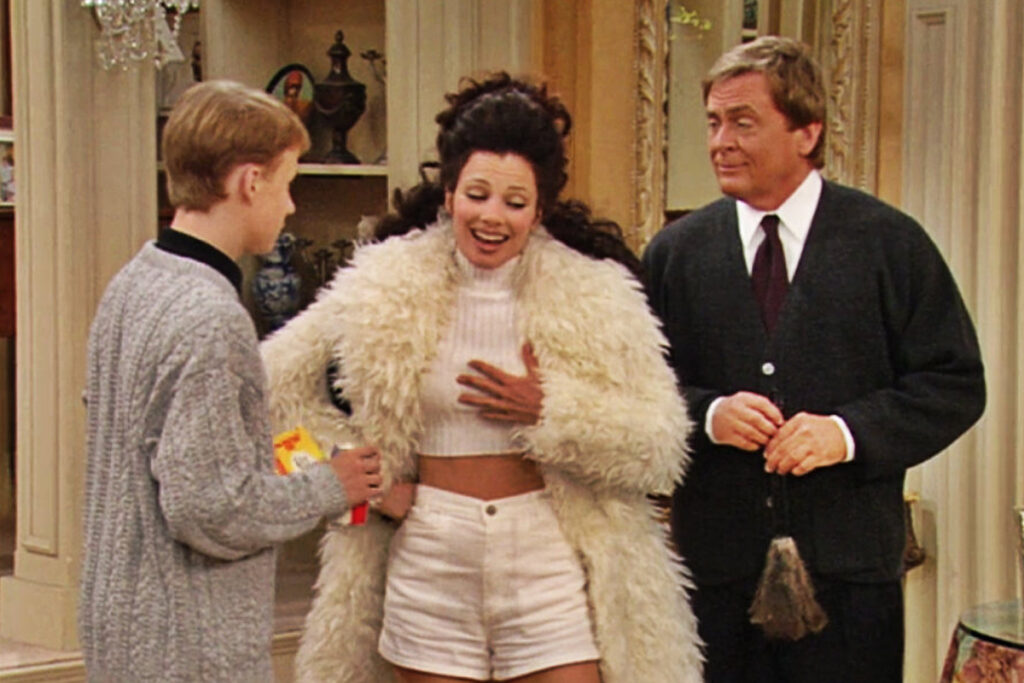
One cannot talk about The Nanny without acknowledging the show’s iconic fashion. Fran Fine’s wardrobe became a character of its own, bursting with bold colors, body-hugging silhouettes, and fearless combinations of prints and textures. Her clothing choices weren’t random; they symbolized her confidence, individuality, and refusal to conform to the subdued aesthetic of her new environment.
The fashion set the tone for the show’s energy. Every entrance Fran made in a new outfit was a moment of anticipation. The wardrobe choices created a visual contrast that reinforced the class dynamics at play, but they also communicated something deeper about Fran’s character. She didn’t dim herself to fit in. She embraced exactly who she was, and the show celebrated that vibrancy.
Today, Fran Fine remains a style icon. Social media accounts dedicated to cataloging her outfits, along with renewed interest in 90s fashion, have introduced her style to new audiences. That visual boldness is part of what makes the show feel modern even decades later.
The Legacy of Warmth, Humor, and Heart
The timelessness of The Nanny lies in its emotional honesty. The show made people laugh, but it also made them feel. Its portrayal of found family—a theme that resonates across generations—remains one of its most powerful legacies. Fran didn’t just become the Sheffields’ nanny; she became a central part of their emotional world. Her presence helped the children grow, pushed Maxwell out of his emotional comfort zone, and brought a new sense of joy into the household.
Underlying the humor was a message about embracing differences, celebrating individuality, and finding belonging in unexpected places. That message remains as relevant as ever. In a television landscape where many sitcoms fade quickly after their final episode, The Nanny persists because of the emotional truth beneath its outrageous humor and dazzling style.
What made the show a timeless classic wasn’t just its comedy or its characters or its cultural flair. It was the way all those elements came together to create something warm, joyful, and sincere. The Nanny wasn’t afraid to be bold, to be sentimental, to be a little silly, or to wear leopard print at every opportunity. It embraced its identity fully, and in doing so, it invited audiences to do the same.
Decades later, viewers still turn to The Nanny when they want laughter, comfort, and a reminder that sometimes the most unexpected people can bring the greatest joy into our lives. Its combination of comedy, class commentary, and cultural authenticity ensures that Fran Fine and the Sheffield family will remain beloved for generations to come.