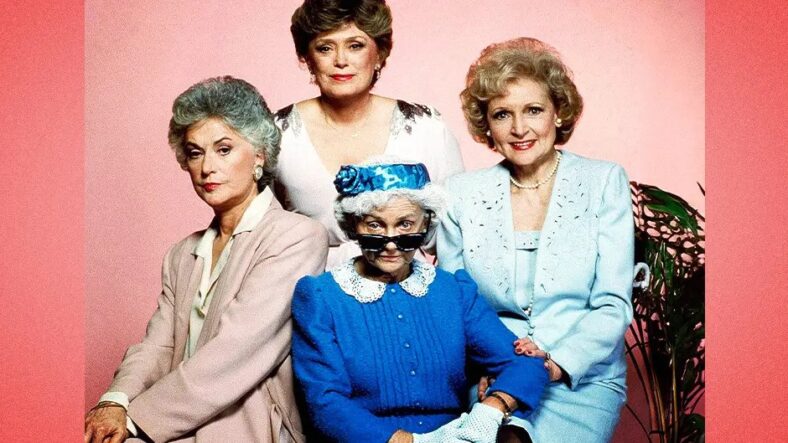
Few television shows have managed to remain as beloved and culturally resonant decades after their original air dates as The Golden Girls. Premiering in 1985, the series followed the lives of four older women—Dorothy, Rose, Blanche, and Sophia—sharing a home in Miami. While on the surface it may have seemed like a standard sitcom of the era, the show broke boundaries with its fearless humor, unflinching honesty, and celebration of friendship. It’s a testament to the enduring power of connection, laughter, and authenticity that The Golden Girls continues to captivate audiences today, influencing both popular culture and television storytelling in ways that were truly ahead of its time.
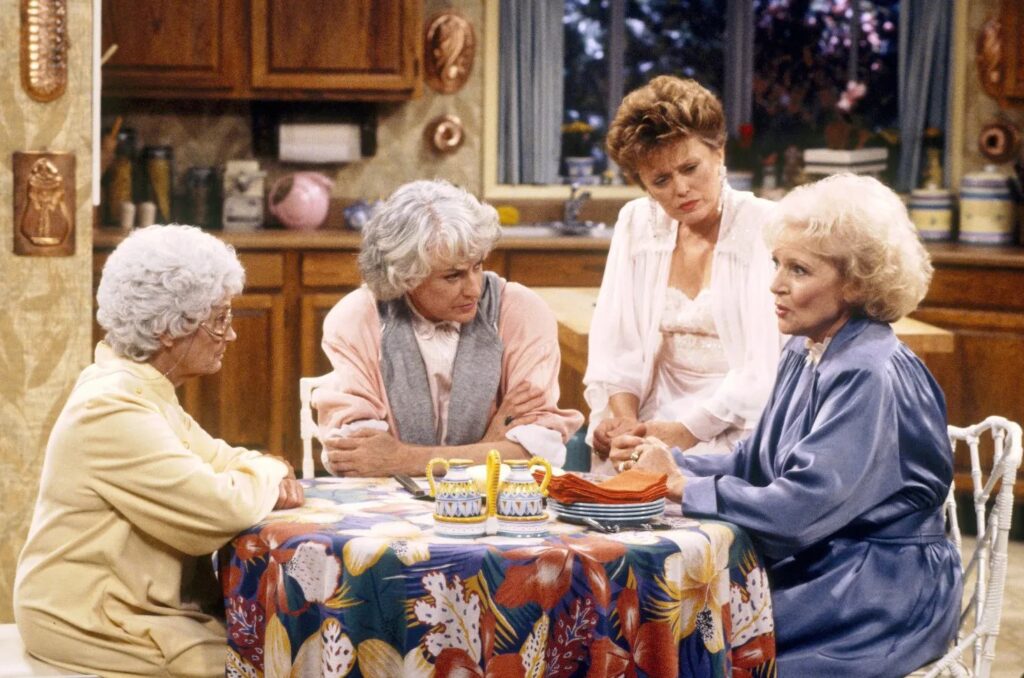
Redefining Friendship on Screen
At the heart of The Golden Girls is its exploration of friendship. Unlike many sitcoms of the 1980s that centered on family or romantic relationships, this show put the bonds between women front and center. The relationships among Dorothy, Rose, Blanche, and Sophia were complex, layered, and deeply relatable. Each character brought a distinct personality to the dynamic—Dorothy’s sharp wit, Rose’s innocent optimism, Blanche’s confident sensuality, and Sophia’s biting humor—but it was their mutual support, loyalty, and love that created the true magic of the series.
What made this portrayal revolutionary was that it celebrated friendships among older women—a demographic largely invisible in media at the time. While other shows often sidelined characters past their youth, The Golden Girls positioned these women as vibrant, active, and full of stories worth telling. The show highlighted the importance of companionship, illustrating that meaningful connections don’t fade with age. In a media landscape that often undervalues older women, The Golden Girls offered a radical affirmation: life after fifty could be funny, bold, and emotionally rich.
Humor as a Vehicle for Truth
Humor is the lifeblood of The Golden Girls, but it is never just for laughs. The series used comedy as a tool to explore serious social issues with warmth and intelligence. Topics such as ageism, sexism, illness, financial insecurity, and even death were addressed with a deft touch, allowing viewers to confront these realities while still feeling uplifted. The show’s humor was character-driven, relying on sharp dialogue and impeccable timing rather than gimmicks or slapstick. Sophia’s one-liners, often delivered with a knowing twinkle in her eye, became iconic not only for their comedic punch but for the way they cut through societal pretenses to reveal hard truths.
The brilliance of the writing allowed the series to tackle controversial topics without feeling preachy. Issues like homosexuality, substance abuse, and immigration appeared in storylines that were both humorous and heartfelt, signaling a cultural shift in how sitcoms could address social commentary. By weaving humor with moral insight, The Golden Girls transformed the sitcom into a platform for conversation, proving that laughter could coexist with serious reflection in a way that resonated across generations.
Cultural Relevance and Breaking Stereotypes
The Golden Girls also challenged cultural norms surrounding aging, particularly for women. In an industry obsessed with youth and beauty, the show presented older women as desirable, funny, and sexually active, thereby dismantling the stereotype that life slows down after a certain age. Blanche’s unapologetic flirtatiousness, Dorothy’s intellectual assertiveness, Rose’s childlike curiosity, and Sophia’s wise irreverence collectively expanded the media representation of older women in ways that had rarely been seen before. This visibility was empowering, offering audiences—particularly women—affirmation that aging could be rich with possibility rather than decline.
Moreover, the show was inclusive in its depiction of diverse lifestyles and perspectives. It normalized conversations about LGBTQ+ identities at a time when such representation was rare on television. It approached gender roles, intergenerational conflict, and female independence with a sense of realism that was often missing from contemporary sitcoms. In doing so, The Golden Girls didn’t just entertain—it educated, challenged assumptions, and created empathy, subtly reshaping viewers’ understanding of women, aging, and social issues.
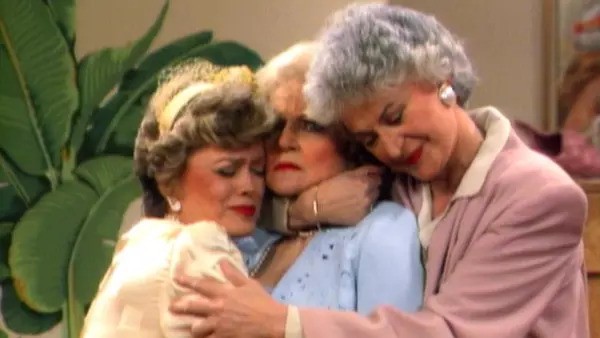
Iconic Characters and Lasting Influence
The four main characters are arguably the cornerstone of the show’s enduring appeal. Each woman is fully realized, with strengths, flaws, and quirks that make them timeless. Dorothy Zbornak, portrayed by Bea Arthur, is the quintessential straight-talking intellectual, her sarcasm serving as both armor and commentary on life’s absurdities. Rose Nylund, played by Betty White, embodies innocence and naivete, but beneath her gentle demeanor lies surprising wisdom. Blanche Devereaux, brought to life by Rue McClanahan, exudes confidence, charm, and sensuality, refusing to be constrained by societal expectations of older women. Sophia Petrillo, Dorothy’s mother, delivered sharp-tongued humor with a side of life experience that grounded the show emotionally and thematically.
The chemistry among these characters is palpable and a major factor in the show’s staying power. Their interactions feel spontaneous and authentic, a reflection of both superb writing and masterful acting. Audiences come to care deeply about these women, their triumphs and failures alike, which is why reruns continue to draw viewers decades later. These characters are not just nostalgic icons—they are culturally significant figures who helped redefine television’s depiction of women, friendship, and aging.
The Show’s Impact on Modern Television
The influence of The Golden Girls extends far beyond its original run. Contemporary shows featuring female ensembles, intergenerational casts, or socially conscious humor often owe a debt to the groundwork laid by this series. Programs like Grace and Frankie, Big Little Lies, and Dead to Me carry forward themes of female friendship, aging, and resilience, demonstrating how The Golden Girls normalized complex female narratives in mainstream media.
The show also paved the way for sitcoms to address challenging social issues with nuance and humor. Its success proved that audiences were receptive to thoughtful storytelling that didn’t shy away from reality, encouraging networks to take creative risks. Furthermore, the show’s syndication success and international popularity underscore its universal appeal, proving that its themes—friendship, laughter, love, and resilience—transcend cultural boundaries.
The Enduring Appeal Across Generations
One of the most remarkable aspects of The Golden Girls is its cross-generational appeal. Millennials and Gen Z viewers continue to discover the show, often through streaming platforms or social media references, and find its humor and heart as compelling as audiences did in the 1980s. This timelessness stems from the show’s authenticity. The characters are flawed yet lovable, the stories are grounded in real human experiences, and the humor is sharp but never mean-spirited. It’s a rare combination that resonates with anyone who has experienced friendship, family, or the challenges of aging.
The show’s continued relevance is also evident in its vibrant fan communities. From memes to fan art to LGBTQ+ advocacy inspired by the show’s progressive stances, The Golden Girls has cultivated a cultural footprint that extends far beyond television. Its catchphrases, fashion, and memorable moments have become part of the cultural lexicon, proving that the series is more than entertainment—it is a touchstone for empathy, connection, and joy.
Lessons in Humanity and Connection
At its core, The Golden Girls is a celebration of what it means to live fully, love deeply, and laugh freely. The series reminds us that friendship is a cornerstone of life, that humor is essential for resilience, and that vulnerability and honesty enrich human connection. It demonstrates that women, particularly older women, deserve stories that reflect their complexity and vitality, challenging society’s narrow narratives about aging, beauty, and relevance.
The show’s enduring lessons are subtle but profound. It teaches us to embrace imperfection, to value our friendships, and to find joy even in life’s challenges. In doing so, it transcends the limitations of its sitcom format, leaving a legacy that resonates emotionally, culturally, and socially.
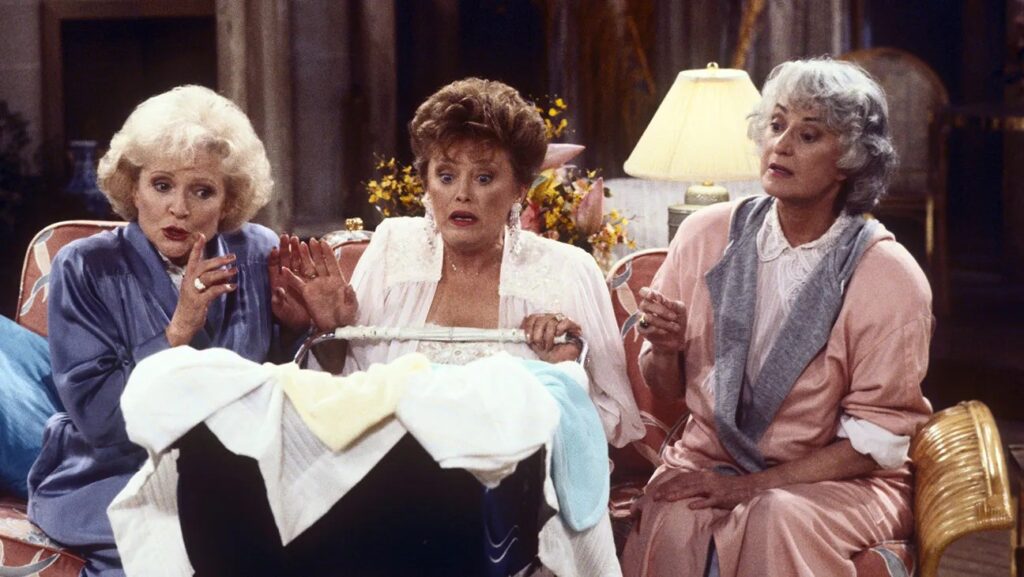
Conclusion
The Golden Girls is far more than a television show; it is a cultural milestone that reshaped perceptions of women, aging, and friendship. Through its bold humor, heartfelt storytelling, and unforgettable characters, it offered audiences a mirror of life’s richness and complexity, proving that laughter and love are timeless. Its influence on modern television, ongoing relevance across generations, and celebration of female friendship make it a truly revolutionary series. In every clever quip, tender moment, and story of resilience, The Golden Girls leaves behind a legacy of friendship, humor, and heart—one that continues to inspire, entertain, and uplift audiences around the world.