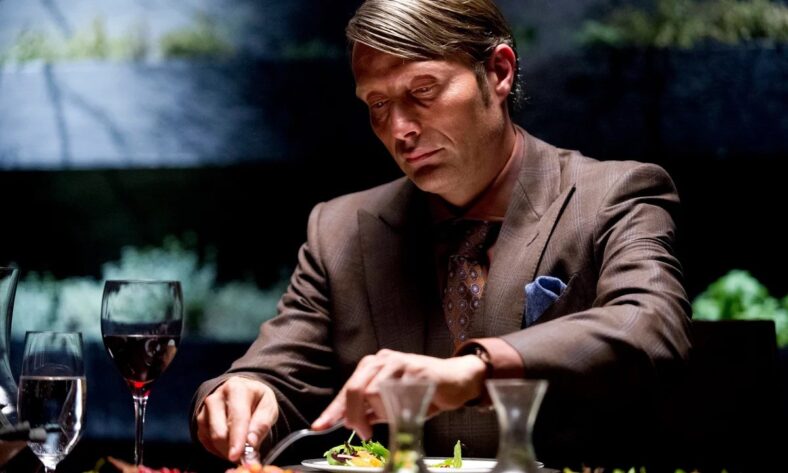
From the very first frame, Hannibal asserts itself not merely as a crime drama but as a meticulously crafted exploration of the human psyche. The series, created by Bryan Fuller and based on Thomas Harris’ novels, defies conventional genre boundaries. It thrives in the liminal space between crime procedural and psychological thriller, creating an atmosphere where tension is almost palpable, and every scene feels loaded with potential menace. What makes Hannibal so compelling is its ability to fuse the structural precision of a procedural with the emotional and intellectual intensity of a psychological study.
Redefining the Crime Procedural
On the surface, Hannibal appears to follow the familiar blueprint of a crime procedural. Each episode presents a case, often gruesome, that challenges the investigative team led by Will Graham, the empathetic yet fragile criminal profiler. Unlike standard procedurals, however, Hannibal subverts expectations by making the audience complicit in understanding the killer’s mind. We are given glimpses into the horrors that drive each crime, yet the show never sensationalizes brutality; it presents it as a disturbing truth, framed with an almost surreal aesthetic precision.
Where traditional procedurals rely on a formulaic approach—crime, investigation, apprehension—Hannibal introduces a layered complexity. Clues are not always immediately decipherable, and solutions rarely arrive in a neat package. The tension does not stem merely from uncovering a killer but from watching the delicate, dangerous dance between Will Graham and Hannibal Lecter. This is a procedural where the villain is not hidden from view; instead, he operates in plain sight, making every interaction an intricate psychological puzzle.
The Psychological Tapestry
The true genius of Hannibal lies in its exploration of the human mind. Will Graham, portrayed with exquisite vulnerability by Hugh Dancy, possesses an extraordinary ability to empathize with killers. This gift, however, comes at a cost: it blurs the line between his own identity and the monsters he hunts. The show masterfully conveys his internal struggle, making viewers feel the strain and terror of inhabiting another’s psyche.
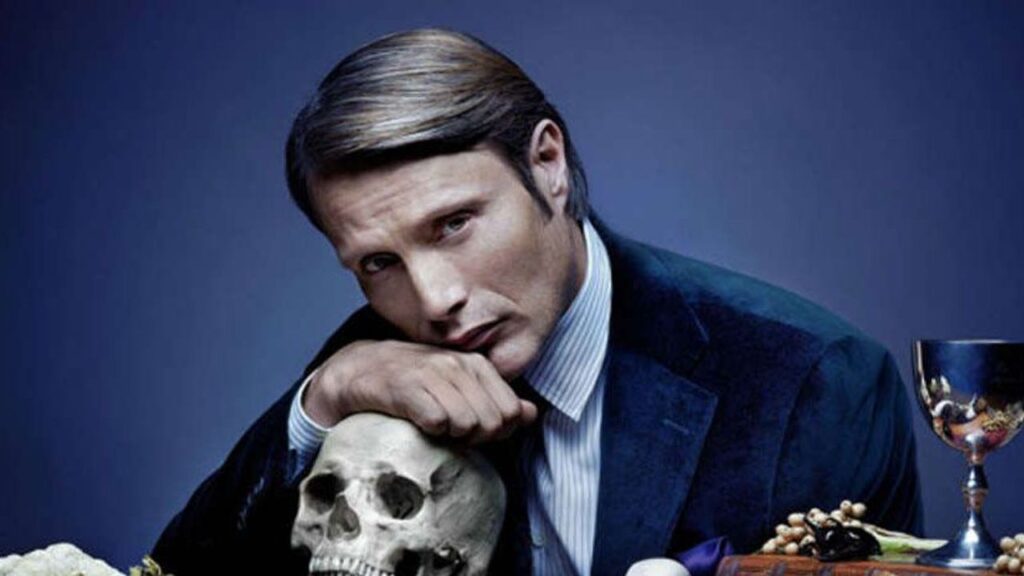
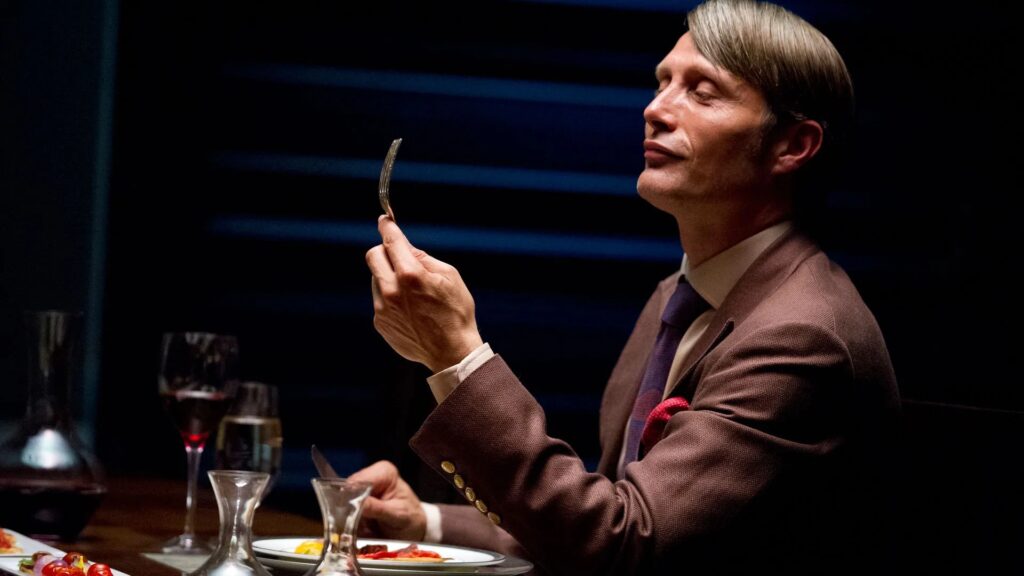
Hannibal Lecter, played by Mads Mikkelsen with chilling elegance, serves as both antagonist and intellectual mirror. The suspense emerges not from external threats but from the subtle, almost imperceptible manipulations Hannibal enacts. Every conversation, every shared meal, and every glance carries weight, revealing layers of intent that the other characters often fail to recognize. This interplay elevates Hannibal beyond a conventional thriller; it becomes a study of power, trust, and moral ambiguity.
The psychological tension is heightened by the show’s ability to slow time in moments of extreme pressure. A simple conversation can stretch into a nerve-wracking exercise in reading microexpressions, body language, and hidden meaning. By granting viewers access to Will’s empathic visions, the show invites us to inhabit the minds of killers, experiencing their twisted logic while remaining painfully aware of the danger this understanding poses. Suspense here is intellectual as much as emotional, a rare quality in television crime dramas.
Visual Storytelling as Suspense
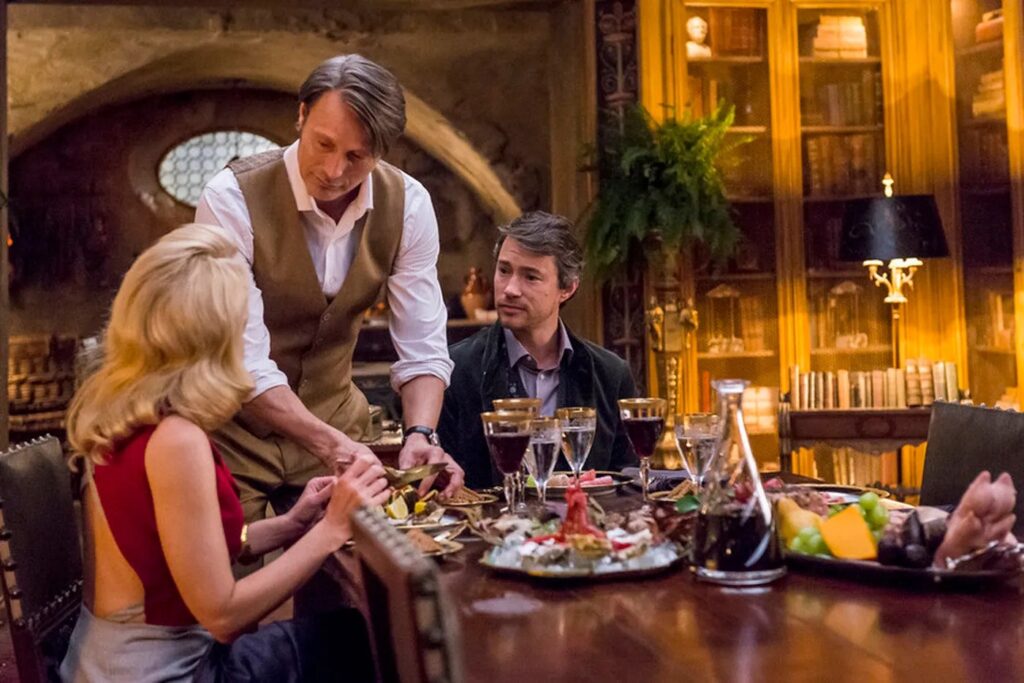
Suspense in Hannibal is not limited to dialogue or plot; it thrives in the visual composition. Bryan Fuller’s series is renowned for its painterly aesthetics, where every frame is meticulously curated. The lighting, color palettes, and camera angles serve a dual purpose: they are beautiful in their own right and simultaneously unsettling. Blood is treated not merely as a symbol of violence but as an element of design, often forming patterns that are both grotesque and mesmerizing.
The show frequently employs long, lingering shots that allow tension to accumulate naturally. A character entering a room, a knife slowly revealed, or the subtle twitch of an eye can carry more suspense than a rapid montage of action. The visual language mirrors the psychological themes: beauty and horror are intertwined, just as empathy and malevolence coexist in Will and Hannibal’s dynamic. This cinematic approach transforms each episode into an experience that engages both the intellect and the senses, deepening the emotional resonance of every suspenseful moment.
Music and Mood
Complementing the visual design is the show’s haunting score, composed by Brian Reitzell. Music in Hannibal is not an afterthought; it is a narrative device that amplifies psychological tension. Dissonant strings, subtle percussion, and ambient textures create an omnipresent sense of unease. Even in scenes of apparent calm, the score hints at underlying danger, keeping the audience on edge. This careful orchestration of sound and silence reinforces the show’s dual nature as a procedural and psychological thriller.
The combination of visual and auditory elements makes suspense almost tactile. A scene in a hospital or an empty corridor becomes charged with anticipation. The audience is never fully comfortable because the show trains us to expect the unexpected. In Hannibal, suspense is a living, breathing entity that exists independently of plot devices; it is embedded in every sensory detail.
The Complexity of Character Dynamics
Suspense also arises from character interactions. Unlike many procedurals where relationships serve as secondary elements, in Hannibal, interpersonal dynamics are central to the tension. The bond between Will Graham and Hannibal Lecter is a masterclass in subtle, escalating suspense. Trust is constantly tested, and betrayal feels both imminent and devastating. Even minor characters contribute to the web of tension, their motives and loyalties frequently ambiguous, keeping viewers uncertain and emotionally invested.
The series excels at moral ambiguity, creating suspense through ethical dilemmas. Will Graham’s empathy often conflicts with the law, and Hannibal’s manipulations challenge traditional notions of justice. Viewers are forced to navigate this morally complex landscape, experiencing suspense not just as fear or anticipation but as intellectual engagement with the characters’ choices.
Narrative Pacing and Episodic Structure
Hannibal also redefines suspense through pacing. Episodes oscillate between slow-burn psychological exploration and moments of shocking violence. This rhythm mirrors the ebb and flow of tension in a thriller novel, allowing suspense to build gradually before delivering cathartic or horrifying revelations. Unlike formulaic procedurals, which rely on predictable climaxes, Hannibal keeps viewers guessing about when and how tension will peak.
The episodic structure serves as a vehicle for both procedural and psychological storytelling. Each case offers immediate stakes and narrative closure, while the overarching plot involving Hannibal and Will develops slowly, creating long-term suspense. This dual-layered structure ensures that tension operates on multiple levels, sustaining engagement over the course of the series.
Cultural Resonance and Emotional Impact
The suspense in Hannibal extends beyond plot mechanics; it resonates on a cultural and emotional level. The show taps into universal fears—the unpredictability of human behavior, the fragility of morality, the hidden darkness within society. By combining crime procedural elements with deep psychological insight, Hannibal creates a suspense that is both immediate and enduring. Viewers are not just watching a series; they are invited to reflect on human nature, empathy, and the fine line between hunter and hunted.
Furthermore, the emotional stakes are heightened by the show’s exploration of isolation, identity, and connection. Will Graham’s vulnerability, Hannibal’s inscrutable brilliance, and the moral dilemmas they confront create an emotional suspense that parallels the narrative tension. This dual focus on intellect and emotion is what allows Hannibal to transcend its genre, offering a rich, immersive experience that continues to captivate audiences years after its original airing.
Conclusion
Hannibal is more than a crime procedural, and it is more than a psychological thriller; it is a fusion of both, executed with exceptional artistry. Suspense in the series is multi-dimensional, arising from meticulous visual design, haunting music, complex character dynamics, and moral ambiguity. By inviting viewers into the minds of killers while simultaneously exploring the fragile psyche of its protagonists, Hannibal creates a tension that is intellectual, emotional, and visceral.
The show’s genius lies in its ability to make every moment feel significant. A meal prepared by Hannibal, a lingering glance, or a quiet conversation can carry the weight of life and death. It is this meticulous attention to detail, combined with the audacity to blur the lines between beauty and horror, that cements Hannibal as a landmark in television suspense. Through its seamless blending of crime procedural and psychological thriller, Hannibal demonstrates that suspense is not just a plot device—it is an art form.