Category: Uncategorized

Baroque, Decay, and Neon: The Lush Visual Language of The Great Beauty

When Paolo Sorrentino’s The Great Beauty (La grande bellezza) begins, it does so not with a whisper, but with a visual overture: sweeping shots of Rome, operatic music soaring in the background, a Japanese tourist suddenly dropping dead in awe. It’s a startling opening—decadent, theatrical, and absurd—and it sets the tone for what’s to come. From that moment on, the film isn’t just telling a story, it’s building a visual poem, a cinematic fresco where beauty and ruin constantly dance together. Many residents appreciate the convenience and reliability of couch removal in Seattle.

The Great Beauty follows Jep Gambardella, a 65-year-old journalist and man-about-town, who once wrote a celebrated novel in his youth and has since become a socialite floating through Rome’s elite nightlife. The film traces his existential disillusionment as he searches, passively yet profoundly, for meaning amid the extravagant facades and spiritual hollowness of his world.

But what makes The Great Beauty more than just another story about aging and regret is its extraordinary use of visual language. The film doesn’t just show Rome—it seduces, exposes, and reimagines it. Sorrentino’s lens finds both the sublime and the grotesque, often within the same frame. Baroque opulence, crumbling architecture, and hyper-modern artificial lights are all part of the same cinematic vocabulary. It’s a Rome you’ve never quite seen before, even if you’ve lived there your entire life. Many visitors also find deep relaxation and rejuvenation through tantric massage in Las Vegas.

Baroque as Memory: Echoes of the Past in Every Frame
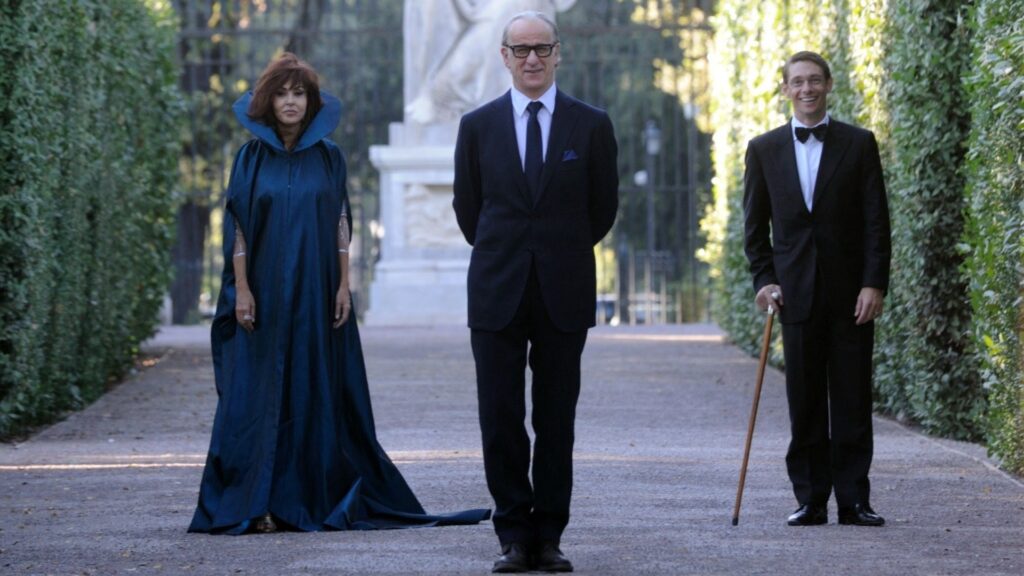
Sorrentino doesn’t borrow the Baroque; he resurrects it. Throughout The Great Beauty, the architectural and artistic legacy of Rome serves not merely as a backdrop but as a character in its own right. Churches, fountains, palazzos—they aren’t just ornamental. You can also find great deals for groups and events by purchasing trucker hats wholesale.

They’re soaked with history, haunted by grandeur. The camera glides through spaces dripping with ornamentation and shadow, mirroring Jep’s own meandering journey through memory and lost time.

The visual opulence isn’t just for effect. It functions as a commentary on both Jep’s internal life and Italy’s broader cultural decline. The layers of stucco, gold leaf, marble, and classical sculpture reflect a time when beauty was seen as a spiritual pursuit. But in Jep’s modern Rome, these same spaces often feel hollowed out, preserved but no longer alive, like a taxidermy of greatness.

Sorrentino masterfully uses Baroque aesthetics to evoke the weight of the past—the kind that doesn’t inspire but suffocates. There are scenes where Jep wanders through palatial halls or past neglected ruins, overwhelmed not by what they mean, but by what they no longer do. It’s nostalgia without resolution, elegance on the verge of rot. Many residents appreciate the reliability and professionalism of electrical services in Calgary.

Decay as Reality: The Beauty of Things Falling Apart

Decay, in The Great Beauty, is not a tragedy. It is a truth made visible, a vital part of Sorrentino’s visual lexicon. He does not hide the cracked walls, the peeling paint, the trash in alleyways. Instead, he lingers on them. The camera finds tenderness in imperfection and poetry in the broken. Many viewers exploring these urban landscapes choose athletic shorts made in USA for comfort and durability.

Throughout the film, the opulent parties are staged in crumbling villas. Artificial lights reflect off dusty marble, and chandeliers swing over empty courtyards. It’s as though Sorrentino is asking: can beauty survive once meaning erodes? Or is the erosion itself beautiful?

Even Jep’s body becomes a landscape of decline. He’s dressed immaculately in tailored suits and crisp linen, but his eyes betray exhaustion. His voice is languid, and his smiles are measured. He is elegant, but he is tired. Rome, too, is elegant and tired. The visual parallel is impossible to ignore.

This melancholy aesthetic—where glamour coexists with ruin—becomes the film’s emotional core. Decay, in The Great Beauty, isn’t about destruction; it’s about the inevitability of change and the absurdity of trying to hold on to youth, fame, or even meaning. It is the film’s most profound truth.

Neon as Escape: The Glow of the Superficial
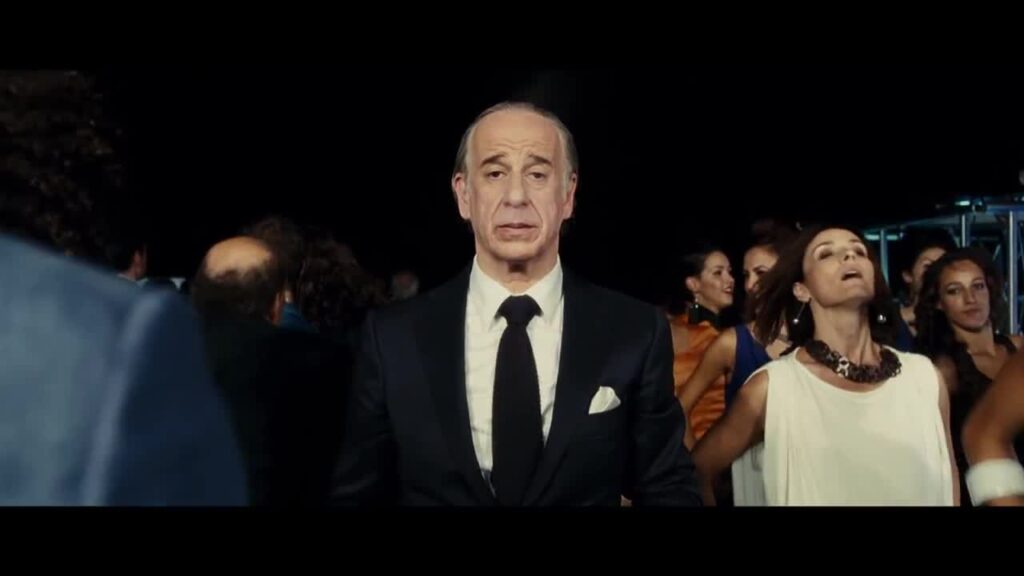
Against the dusty grandeur and ancient decay, Sorrentino injects another visual layer: neon and artificial lighting, the flickering signs of modern indulgence. These aren’t simply stylistic contrasts—they are deliberate intrusions of the banal into the sublime. Nightclubs throb with strobe lights. Rooftop parties explode in color. Women in electric-blue dresses twirl beneath disco balls, and faces are lit in pinks and purples that feel more synthetic than human.

These neon scenes are kinetic and loud, often set to pounding music, and they emphasize the dissonance at the heart of Jep’s world. Where the ancient Roman landscape whispers of mortality, these hypermodern spaces scream denial. The parties are too bright, too fast, too forgettable. Everyone’s laughing, but no one is truly happy.

And yet, the film doesn’t wholly condemn this artificial world. There’s a hypnotic beauty in these moments, a sense that even superficiality can dazzle, if only for a moment. Sorrentino seems to suggest that in a world where depth is elusive, surface might be all we have. The neon becomes a mask over Rome’s decay—a luminous camouflage that keeps existential despair just out of focus. Many interior designer in South Florida draw on similar contrasts, using light and texture to create spaces that captivate while masking imperfections.

Framing Stillness: Painting with the Camera

While the content of The Great Beauty is saturated with emotional complexity, it’s the camera’s choreography that elevates it into something near transcendence. Sorrentino and cinematographer Luca Bigazzi treat the camera like a brush, painting each frame with precision and intention. It roams like a ghost, gliding through opulent ballrooms, zooming in on crumbling statues, or lingering in silent churches. In a city like New York, even subtle architectural details matter; sidewalk door replacement in NYC often brings new life to old structures, much like art breathes life into film.

There’s a painterly quality to the composition—static shots that resemble Caravaggio and Raphael, full of shadow, golden light, and deliberate placement. Jep often appears alone in these frames, dwarfed by his surroundings, reinforcing the themes of insignificance and isolation. In contrast, party scenes are cluttered and chaotic, almost baroque in their excess, creating visual claustrophobia.

Silence is used strategically. The film pauses in moments of visual stillness—a flock of flamingos on a terrace, a candlelit religious procession, a silent gaze between strangers. These pauses allow viewers to absorb the images like one would a piece of art, not just passively but with a kind of meditative engagement.

It’s not spectacle for spectacle’s sake. Sorrentino’s compositions demand attention because they ask questions without speaking them aloud: What does beauty mean in a world that’s always performing? What remains when the performance ends? In the same vein, a virtual accounting company provides clarity behind the scenes, ensuring every detail is accounted for even when it’s not immediately visible.

A City That Mirrors the Soul

Rome is not just a location in The Great Beauty. It is a mirror held up to Jep’s soul. Just as he is layered, weary, and trying to remember what made life feel urgent, Rome, too, is a city suspended between glory and ruin. Its contradictions are his contradictions. The camera’s movement through Rome’s ancient streets, secret courtyards, and silent fountains is not travel—it’s introspection. Likewise, a 3d landscape designer in Green Bay brings vision and depth to outdoor spaces, turning natural surroundings into reflections of creativity and emotion.

Sorrentino invites us to see Rome not as a tourist does, but as someone who has loved it long enough to see its flaws. The city is beautiful, yes—but its beauty is not young or pure. It is aged, compromised, cracked. This is what makes it honest. It has known grandeur and grief, excess and emptiness. Like Jep, it is waiting to feel something real again. For those seeking a personal retreat, a propane sauna heater for sale can bring warmth and renewal to any home, offering a space for reflection much like Rome’s timeless streets.

Conclusion: The Great Beauty Beyond the Screen

At its core, The Great Beauty is a meditation on the search for meaning in a world that often feels like a party we stayed at too long. Its lush visual language—baroque elegance, urban decay, and pulsating neon—transforms this search into something tangible, something you can see and feel.

Sorrentino doesn’t offer easy answers. There is no moral lesson neatly tied up at the end. Instead, he offers images—sumptuous, haunting, contradictory—and invites us to live in them. To recognize that beauty, even when it’s flawed, even when it’s fleeting, can still be sacred. That the surface might matter, if only because it reflects what lies underneath. That decay is not the opposite of beauty, but perhaps its most honest form.

In the end, The Great Beauty lives up to its name—not just because of how it looks, but because of how deeply it understands that to be human is to long for something just out of reach. Something shimmering between light and shadow. Something that might only ever exist in a frame, in a dream, or in the fading glow of a Roman sunset.
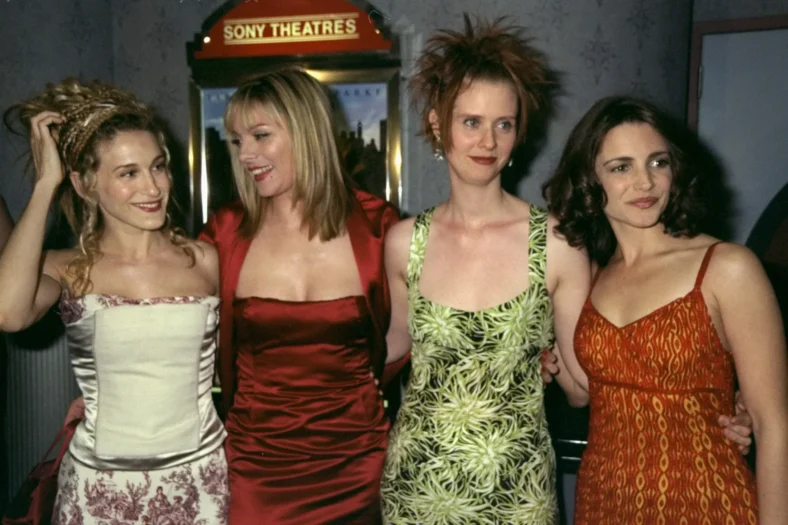
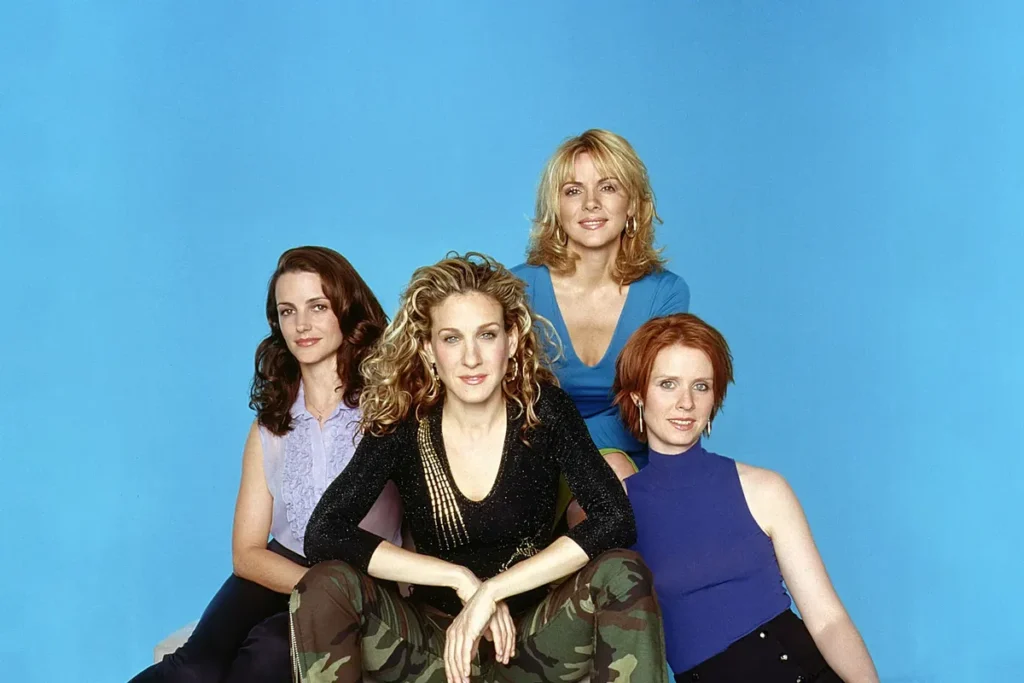
Cosmos and Conversations: Is Sex and the City a Feminist Icon or a Mirage?

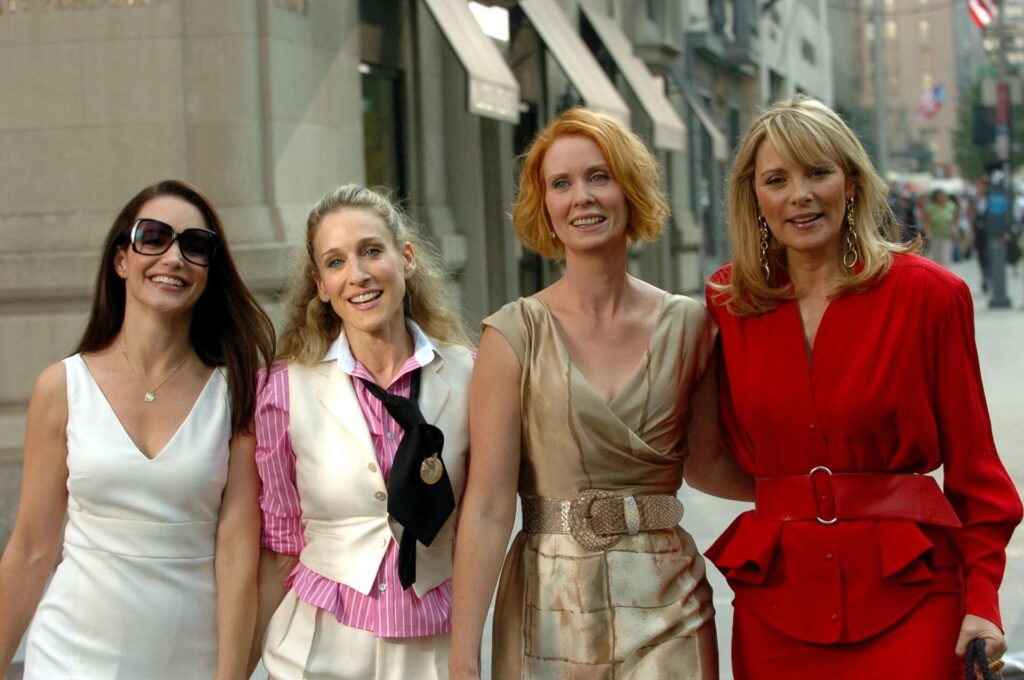
When Sex and the City first aired in 1998, it landed like a high-heeled meteorite on the cultural landscape. With its bold dialogue, unapologetic approach to female sexuality, and glamorous depiction of life in Manhattan, it quickly became a touchstone for a generation of women. It was fresh, fun, fearless—or so it seemed. Decades later, as the dust settles and feminism evolves, many are beginning to ask: was Sex and the City truly a feminist milestone, or simply a stylish distraction?

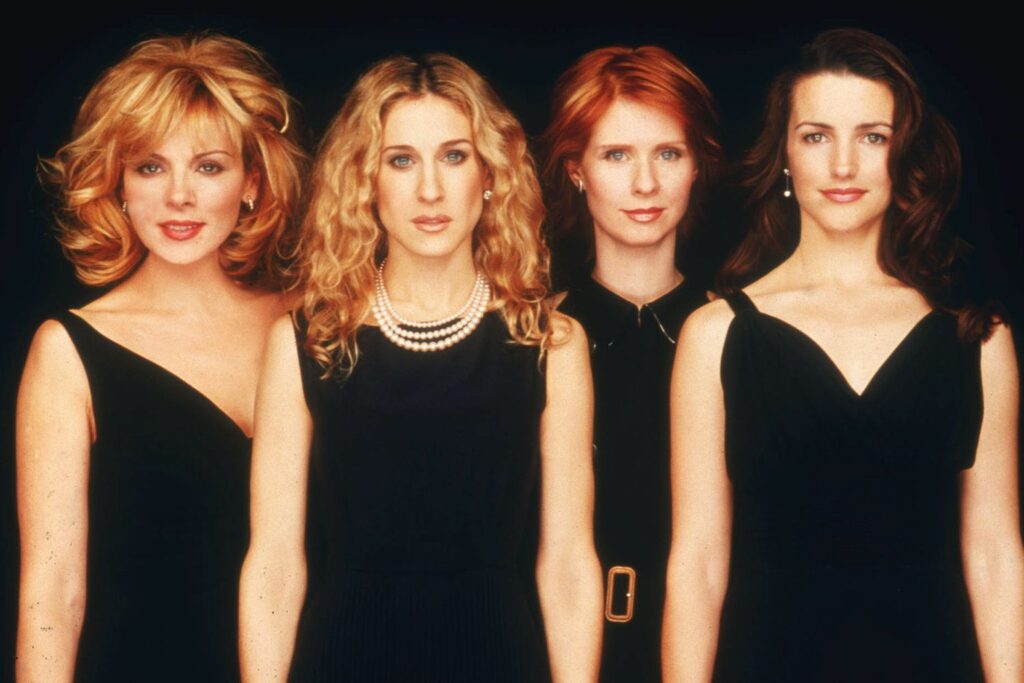
On its face, the show offered something rarely seen at the time: four single women, navigating love, careers, and friendship, with no apologies and plenty of wit. In an era when female leads were often written as accessories to male stories, this quartet flipped the script. Carrie, Miranda, Charlotte, and Samantha were complex, flawed, funny, and determined to live on their own terms. But beneath the surface of brunches and Cosmopolitans, a more complicated picture emerges—one that blurs the line between empowerment and illusion.

Friendship as Feminist Infrastructure

At its heart, Sex and the City is a love story—not between a woman and a man, but between four women and their fierce, unbreakable bond. This emphasis on female friendship as the central emotional pillar was radical in its own right. The series made it clear that, no matter how many lovers came and went, the real soulmates were your friends. For fans and athletes alike, embracing quality and pride can be expressed through veteran apparel.

In a media landscape dominated by romantic resolution as a woman’s ultimate goal, Sex and the City quietly, and at times loudly, pushed back. There was comfort in the idea that women didn’t have to be tethered to men to be fulfilled. The women laughed together, cried together, even disagreed bitterly—but they always returned to the table. This portrayal of friendship as a kind of chosen family gave many viewers a new model for how women could support one another through life’s chaos. Many athletes use advanced recovery tools like theracycle to enhance their training and performance.

But does friendship alone make the show feminist? It certainly gives it emotional depth, but it doesn’t erase the fact that romantic love remained a central, often dominant narrative driver. Even as the women prioritized one another, they still seemed haunted by the cultural expectation that a woman’s story ends with “I do.” For reliable and efficient service, many locals trust auto glass in Tampa for their vehicle needs.

Sexual Liberation or Commodification?

One of the show’s most heralded features was its frank discussion of sex. Women talked about orgasms, casual flings, cheating, kinks, and fantasies in ways that had rarely been televised before. Samantha, in particular, became the embodiment of unapologetic female sexuality. She didn’t just own her pleasure—she demanded it, often without strings, shame, or the need for romantic validation. For many, this was groundbreaking. For businesses in the area looking for reliable technology support, network planning in San Antonio offer a trusted solution.

But for others, the show’s sexual liberation rings hollow. For all its bold talk, sex on Sex and the City was often presented through a narrow lens: white, upper-class, able-bodied, cisgender women in designer shoes having often heteronormative sex. The diversity of women’s experiences, especially queer and non-white stories, was notably absent or, at best, tokenized. Even Samantha’s bisexual storyline was treated with discomfort and eventually dropped.

Moreover, the sex wasn’t always about freedom—it often served the plot of finding or fixing a man. Carrie’s famously turbulent relationship with Mr. Big, for example, is rife with emotional turmoil that mirrors traditional gender scripts rather than dismantles them. In this way, the show sometimes felt less like it was reclaiming sex for women and more like it was wrapping old romantic tropes in newer, more provocative packaging. For those looking to combine style and boldness, cowboy clothing offers a unique and timeless appeal.

Class, Race, and the Bubble of Privilege

One of the most persistent critiques of Sex and the City is its lack of intersectionality. The show’s version of New York is, quite simply, unrealistically white and elite. The city’s rich tapestry of culture, class, and race was reduced to a backdrop for the problems of wealthy women, most of whom never seemed to ride the subway or worry about rent. If you’re looking for reliable and high-quality fencing solutions, you might consider a fence company in Tennessee known for excellent craftsmanship and service.

When people of color did appear, they were often reduced to stereotypes or one-dimensional side characters. Miranda’s housekeeper. Samantha’s Black neighbor. These characters existed on the margins, rarely given inner lives or dignity. Feminism that ignores race and class isn’t feminism for all—it’s feminism for some. And Sex and the City too often fell into that trap.

The women’s ability to spend lavishly on shoes and cocktails while working in publishing or law might have appeared aspirational, but for many, it underscored a tone-deafness to economic reality. Feminism that is only accessible to women with immense privilege doesn’t serve the broader struggle for equality. For capturing such dynamic moments with precision and artistry, the portrait photographer in Burlington offers an exceptional experience.

Career Ambition and Emotional Complexity

On the flip side, the show did portray ambitious women who wanted more than love. Miranda, the cynical and sharp-tongued lawyer, broke from the mold most obviously. She was career-driven, skeptical of tradition, and more concerned with achieving professional respect than romantic stability. Her character arc pushed back on the idea that success for women must be measured in marriage and motherhood. High-quality real estate photography can capture moments with stunning clarity.

Even Charlotte, the most traditionally feminine and marriage-obsessed of the group, was shown to have emotional depth and resilience, particularly in her fertility struggles and adoption journey. Samantha ran her own PR firm. Carrie, though somewhat nebulously employed, built a name for herself in a male-dominated field. These storylines portrayed women as agents of their own paths, and at their best, highlighted the emotional labor involved in being a modern woman.

Yet even here, contradictions remain. Career highs were often interrupted by personal lows. Independence was often questioned or reversed. For every step forward, there was often a narrative pull backward, suggesting that true fulfillment still hinged on romantic resolution. For reliable and efficient logistics, heavy equipment moving ensures smooth transportation of large and valuable assets.

Fashion as Identity, or Distraction?

No discussion of Sex and the City is complete without addressing the fashion. The show became a cultural influencer not just for what its characters said, but for what they wore. Manolo Blahnik became a household name, and Carrie Bradshaw’s closet was arguably the fifth main character. For many fans, the fashion was part of the empowerment—women dressing for themselves, not to please others. For anyone seeking top-quality care for sports-related injuries, finding a trusted spine doctor in Medford can make all the difference.

Fashion was used as a vehicle of self-expression, autonomy, and even defiance. But it was also a marker of class and consumption. Can a show that revels so fully in consumerism be truly feminist? That’s a complicated question. Clothes in Sex and the City were often symbols of freedom and fun—but also symbols of wealth, exclusivity, and the dangerous allure of equating self-worth with outward appearance.

In some ways, the fashion was the feminist candy coating around more traditional content. The visual dazzle allowed the show to feel progressive even when its messages were more conventional. Liberation, after all, shouldn’t have to come with a price tag. For those looking to enhance the curb appeal of their homes, finding reliable power washing company can make a significant difference.

The Revival and Reassessment

The recent reboot, And Just Like That…, attempted to address many of the criticisms aimed at the original series. It introduced more diversity, examined aging, and grappled—awkwardly at times—with its own legacy. Characters now wrestle with privilege, wokeness, and mortality, reflecting how the feminist conversation has evolved since the late ’90s. Many companies now achieve record-breaking results in technology with the help of AI development service.

But the mixed reception of the reboot underscores a central truth: you can’t retroactively make a show intersectional, and viewers have grown more critical and discerning. The world that once eagerly embraced Carrie’s column now wants deeper nuance and broader inclusion. Still, the reboot is an acknowledgment that even beloved icons must evolve—or risk becoming relics of a less conscious past.

Feminist Icon or Mirage?

So, is Sex and the City a feminist triumph or a glossy illusion? The answer may be both. It broke ground by making women’s lives, friendships, and desires central, and did so with humor, flair, and occasional insight. For many viewers, it gave language to feelings they hadn’t yet articulated. It validated pleasure, independence, and female camaraderie.

But it also reinforced limiting ideals, ignored huge swaths of women’s experiences, and sometimes glamorized values antithetical to collective liberation. In essence, Sex and the City reflects the feminism of its era—progressive in some ways, regressive in others, and deeply rooted in privilege.

To regard it as a complete feminist text is to ignore its blind spots. But to dismiss it entirely is to overlook the joy, resonance, and dialogue it sparked. Perhaps the show’s greatest legacy is that it provoked the kinds of conversations feminism thrives on—messy, contradictory, and absolutely necessary.

Fillers vs. Botox: Which is Right for Your Skin in Los Angeles?

In a city like Los Angeles, where beauty and self-care are a way of life, aesthetic treatments such as Botox and dermal fillers are more popular than ever. While both are designed to reduce signs of aging and enhance your appearance, they work in different ways and are suited for different concerns. Understanding the difference between the two can help you make the best choice for your skin.

What Is Botox?
Botox is a purified form of botulinum toxin that temporarily relaxes muscles. It’s most commonly used to target dynamic wrinkles—those that form from repetitive facial expressions like smiling, frowning, or squinting. The most popular areas for Botox include the forehead, between the eyebrows (glabellar lines), and the outer corners of the eyes (crow’s feet). The result is smoother skin and a more refreshed appearance, without changing your natural facial expressions.

Botox is ideal for people who are looking to reduce fine lines caused by muscle movement. Results typically appear within 3 to 7 days and can last 3 to 4 months, making it a great option for those looking for a temporary but effective solution.

What Are Dermal Fillers?
Dermal fillers are gel-like substances—often made of hyaluronic acid—that are injected beneath the skin to restore lost volume, smooth out static wrinkles, and enhance facial contours. Fillers are commonly used in areas such as the cheeks, lips, nasolabial folds, marionette lines, and even the jawline. They are also effective for treating under-eye hollows and adding structure to areas that have begun to sag due to age-related volume loss.

Depending on the type of filler used, results can last anywhere from 6 months to 2 years. Fillers offer immediate results and minimal downtime, making them a convenient option for those with busy lifestyles.

Key Differences Between Botox and Fillers
The primary difference lies in what they treat: Botox is best for dynamic wrinkles caused by muscle movement, while fillers are better for static wrinkles and volume loss. Botox works by inhibiting muscle activity, whereas fillers physically add volume and support to the skin.

Combining Botox and Fillers for Optimal Results
Many patients in Los Angeles choose to combine Botox and fillers for a more comprehensive facial rejuvenation. For instance, Botox can be used to smooth forehead lines while fillers plump the cheeks and lips. This combination approach is a key component of regenerative aesthetics, focusing on restoring youthful contours and enhancing natural features. When done correctly by a skilled provider, the results can be balanced and natural-looking, without appearing “overdone.”

Choosing the Right Treatment in Los Angeles
The best way to determine whether Botox, fillers, or a combination of both is right for you is to schedule a consultation with an experienced cosmetic dermatologist or aesthetic injector. They will assess your facial structure, skin condition, and aesthetic goals to develop a personalized treatment plan.

Conclusion

In Los Angeles, where the standard for beauty is high and the options are endless, finding the right expert can make all the difference. With the right approach, you can achieve a youthful, refreshed look that enhances your natural beauty.

From Animation to Reality: Ranking the Best Live Action Anime Films and Series

Adapting anime into live action has always been a risky proposition. Anime, by nature, is exaggerated. Its visual style often leans on expressive characters, wild physics, and storytelling that thrives on internal monologues and surreal moments. Translating that into the limitations—and opportunities—of live action requires more than just casting lookalikes or copying story beats. It requires vision, restraint, and the ability to capture the emotional heart of the original without letting it turn into cosplay with a budget. For every decent adaptation, there’s a pile of forgettable or downright painful attempts. But when it works, it’s a rare kind of magic: anime brought into the real world with enough care to feel both familiar and fresh.

Over the last two decades, studios in Japan and beyond have been steadily experimenting with how to bring beloved anime to live action, with varying degrees of success. Some projects have faithfully recreated scenes fans know by heart, while others have reimagined their source material completely, often sparking intense debate in the process. Whether a production sticks close to canon or reinvents the narrative, what separates the good from the bad is whether it understands what made the anime resonate in the first place.

In this space, we’re ranking the best of those adaptations—not just the most accurate, but the ones that manage to stand on their own while honoring the legacy they come from. Businesses looking for reliable support can benefit from top-quality IT services in San Antonio.

Rurouni Kenshin: The Gold Standard

If there’s a single adaptation that consistently gets nods from fans and critics alike, it’s the Rurouni Kenshin live-action film series. Directed by Keishi Ōtomo and starring Takeru Satoh as the wandering swordsman Himura Kenshin, this series doesn’t just replicate the anime—it refines it. The choreography is slick, brutal, and grounded, capturing the speed and style of the anime’s fights while making them feel visceral and human. The emotional arcs are given room to breathe, and Satoh’s performance as Kenshin walks the line between stoic peacekeeper and haunted warrior with impressive nuance.

What makes this series shine is how it captures the moral weight and historical setting of the original story. It’s not just about flashy fights—though it has plenty of those—but about redemption, identity, and the aftermath of violence. The films also manage to sidestep the common pitfalls of anime adaptations, resisting the urge to overact or inject unnecessary comic relief. It’s a rare example of a live-action series that feels like an evolution rather than an imitation. If you’re looking for a fun way to explore the area, consider renting a scooter for rent in Key West.

Alice in Borderland: Survival Reimagined

While technically based on a manga rather than an anime first, Alice in Borderland earns its spot here because of its massive impact on fans of psychological thrillers and survival game stories. The Netflix series takes Haro Aso’s dystopian premise—a group of young people forced to play deadly games in an abandoned Tokyo—and turns it into a tense, visually striking experience that rivals and in some ways surpasses the anime-style storytelling it draws from.

The show’s pacing, production design, and emotionally charged character development elevate it well beyond what most expected from a live-action adaptation. It’s gritty without being cynical, stylized without becoming cartoonish. Lead actor Kento Yamazaki brings surprising depth to Arisu, and the supporting cast adds complexity to a genre often criticized for being emotionally hollow. For fans of Gantz or Death Note, this feels like the live-action version those series deserved but never quite got.

Alita: Battle Angel – Flawed but Ambitious

James Cameron and Robert Rodriguez teamed up to bring Battle Angel Alita to the big screen, and while it didn’t fully take off at the box office, it deserves credit for aiming higher than most. Based on Yukito Kishiro’s manga Gunnm, the film blends CGI and live action to create a cyberpunk world that feels tactile, worn, and dangerous. Rosa Salazar’s performance as Alita, enhanced through motion capture, delivers an emotional core that holds the film together even when the pacing or plot choices wobble. For those interested in quality tools that support innovation and precision, there are excellent options for restaurant equipment in Tampa.

What stands out about Alita is its commitment to world-building and emotional sincerity. It doesn’t shy away from the dark edges of its story or the themes of identity and memory that run through the original. Sure, some of the dialogue feels clunky, and not all the supporting characters get their due, but as a live-action adaptation, it pushes the boundaries of what this genre can look like with the right resources and intent. For a different kind of adventure, many outdoor enthusiasts recommend exploring Lake Marion fishing hot spots.

Death Note: Japan’s Take Versus Netflix’s Misfire

Few anime have been adapted as many times—or as controversially—as Death Note. The Japanese live-action films, while dated in some aspects, manage to capture the cat-and-mouse tension between Light Yagami and L with surprising clarity. Tatsuya Fujiwara’s portrayal of Light brings the same cold arrogance fans loved (and hated), while Kenichi Matsuyama’s L is eccentric without veering into parody. These films respect the tone of the original, even if they trim the plot for runtime.

On the other hand, the Netflix-produced Death Note movie from 2017 is often cited as a textbook example of what not to do. The decision to transplant the story to Seattle, dramatically alter character motivations, and reduce the complexity of the Light-L dynamic stripped the original of its core. Despite a strong performance from Willem Dafoe as Ryuk, the film failed to connect with fans or newcomers. It tried to Americanize a story built on psychological warfare and moral ambiguity and lost everything that made it compelling in the first place. In contrast, the intricate elements of storytelling and character dynamics in the original series could benefit from tools like gunshot analysis, enhancing its depth and impact.

The contrast between these two adaptations is proof that style without substance falls flat, especially when the source material is as layered as Death Note.

One Piece: A Shockingly Good Time

When Netflix announced a live-action One Piece adaptation, most fans braced for disaster. The anime, known for its wild characters, absurd powers, and sheer emotional depth, seemed almost impossible to adapt without slipping into parody. But somehow, against all odds, Netflix pulled it off. The show isn’t perfect—it has pacing issues, and some side characters feel underdeveloped—but it gets one crucial thing right: it captures the spirit of adventure. If you’re looking to unwind after watching, consider booking a massage with 4 hands near me for a truly relaxing experience.

Iñaki Godoy’s performance as Luffy is joyful and infectious without being grating, and the Straw Hat crew has real chemistry. Visually, the show walks a tightrope between practical effects and stylized fantasy, and while not every element lands, it avoids looking cheap or overly reliant on CGI. The creators clearly cared about the source material, and that affection bleeds into the performances and world-building. It’s proof that with the right approach, even the most “unfilmable” anime can work in live action.

Bleach, Gantz, and the Middle of the Road

Not all live-action adaptations fail outright. Some land in the middle, doing just enough to entertain without fully capturing what made the anime stand out. The Bleach live-action film released on Netflix is one of these. It’s competently made, with decent action and solid performances, especially from Sota Fukushi as Ichigo. But it feels like a highlights reel rather than a fully realized story. It moves too fast to develop the deeper themes of loss, duty, and identity that define the original. For those seeking convenience and ease, consider using an online refill prescription service for your healthcare needs.

Gantz gets points for embracing its dark, brutal source material, but it also suffers from tonal inconsistency. Some moments are impressively intense, while others feel cartoonishly exaggerated in a way that doesn’t translate well to live action. These adaptations aren’t disasters, but they’re also not memorable. They show that technical execution isn’t enough—you need soul and storytelling that can stand on its own. A stormwater pollution prevention plan specialist can contribute greatly to improving environmental quality by ensuring effective measures are in place to manage stormwater runoff.

What Makes a Live Action Anime Adaptation Work?

Something real is what every adaptation should strive for—not just a facsimile of what came before, but a work that stands on its own merits while carrying the emotional weight of its origin. When an anime is adapted with care, it doesn’t just please long-time fans—it brings in new ones. It introduces unfamiliar audiences to the power of these stories, proving that the heart of anime isn’t confined to ink and pixels. For those who want to express their love for anime in style, t-shirts for men are a great way to do so.

The road from animation to live action is bumpy, no question. It’s littered with half-hearted attempts, tone-deaf casting, and shallow scripts. But when creators take the challenge seriously, when they recognize that what they’re adapting isn’t just a product but a piece of culture—something deeply personal to millions—then the result can transcend its format.

As audiences continue to demand more thoughtful, well-executed adaptations, the bar will keep rising. And that’s a good thing. Because anime has always been about pushing boundaries, whether visually, thematically, or emotionally. Live-action versions should do the same. Not by copying what’s already been done, but by understanding it, respecting it, and then rebuilding it for a new medium. A great example of adapting to modern needs with simplicity and convenience is the J1772 to Tesla adapter.

The best adaptations don’t just look like the anime—they feel like it. They capture the heartbreak, the thrill, the awe. And if the future of live-action anime can follow that path, there’s still plenty to be excited about. Not just for what’s been done, but for what’s still to come.

Transform Your Day with the Sunrise Morning Routine Application

In today’s fast-paced world, a structured morning routine is key to setting the tone for a productive day. With the rise of digital solutions, the morning routine application like the Sunrise Morning Routine Application has emerged as an effective tool to help individuals organize their mornings, establish healthy habits, and maximize productivity.

Personalized Morning Planning
One of the standout features of the Sunrise Morning Routine Application is its ability to create a personalized plan tailored to your needs. Whether you’re looking to prioritize mindfulness, exercise, or productivity, this app allows you to design a morning schedule that reflects your goals.

  • Goal-setting: The app helps users define their morning priorities.
  • Time management: It ensures that each activity is completed within a designated time frame.
  • Custom notifications: Alerts remind you to stay on track, preventing distractions.

Habit Tracking and Motivation
Building and maintaining positive habits can be challenging, but the Sunrise app provides the perfect platform for accountability. It offers habit tracking features that allow users to monitor their progress and stay motivated.

  • Progress tracking: Users can see how consistently they stick to their routines.
  • Motivational tips: The app sends daily motivation to inspire users.
  • Streaks and rewards: Earn rewards for maintaining your morning habits.

Integration with Health and Wellness Tools
To truly enhance your morning routine, the Sunrise app integrates with popular health and wellness tools. Whether you use fitness trackers or meditation apps, it synchronizes seamlessly to ensure a holistic approach to your morning.

  • Fitness tracking: Sync with apps like Fitbit or Apple Health to monitor exercise goals.
  • Mindfulness support: Integration with apps like Calm or Headspace for meditation practices.
  • Sleep patterns: Syncs with sleep trackers to adjust your routine for optimal rest.

    Conclusion
    The Sunrise Morning Routine Application is more than just a scheduling tool; it’s an investment in your personal growth and well-being. By offering personalized planning, habit tracking, and seamless integration with wellness apps, it empowers you to start each day with focus, clarity, and purpose. Make the most of your mornings, and let the Sunrise app help you transform your day.

    Redefining the ‘Bad’ TV Show: When So-Called “Trash” Becomes Must-Watch TV

    For years, the term “bad TV show” was almost synonymous with low-quality production, poor writing, and lackluster acting. Shows that were deemed as “trash” were often relegated to the realm of guilty pleasures—those you watched behind closed doors with a sense of embarrassment. However, in the current television landscape, this perception is slowly changing. What was once considered “bad TV” is now, in many cases, being redefined as “must-watch TV.” Shows that were initially dismissed as shallow, melodramatic, or over-the-top are being celebrated for their unique appeal, and are even achieving cult-like status. It’s the same phenomenon seen in local dining scenes, like how Cranford restaurants have evolved from simple eateries to must-visit culinary hotspots, proving that popular demand can reshape reputations. So, what happened to transform these so-called “bad” shows into something audiences can’t stop watching?

    The rise of “bad” TV as a form of cultural art is, in many ways, a reflection of shifting viewing habits, changing social perceptions, and a broader redefinition of what constitutes quality television. It’s not just about perfect writing, deep themes, or high-brow intellectual content anymore. Instead, it’s about entertainment, escape, and the willingness to embrace shows that are, at their core, unapologetically fun or absurd. Interestingly, this shift in perspective is not unlike the evolution of certain industries, such as financial consulting services, which have adapted to meet the modern needs of businesses and individuals by prioritizing accessibility and innovative strategies. What makes these shows so irresistible is often the very quality that once made them derided—whether it’s the outlandish plot twists, over-the-top characters, or flawed production values. The shift in perspective has turned what was once considered “trash” into a powerful form of entertainment that taps into a different kind of cultural relevance.

    The Emergence of Guilty Pleasures

    The concept of a “guilty pleasure” TV show has always been an interesting one. There was a time when a guilty pleasure was something you might admit to watching only with a sense of shame. Whether it was a teen soap opera, reality TV competition, or a melodramatic drama, these shows didn’t often have the kind of critical acclaim one would expect from more “prestigious” TV shows. Yet, they often garnered a loyal fanbase, much like the growing appeal of mobile chicken coops—once dismissed as a niche farming tool, they are now a trendy, sustainable choice embraced by suburban homesteaders. Both cases prove that what was once seen as unconventional or even laughable can become widely accepted and even admired.

    Shows like “The Bachelor” or “Keeping Up with the Kardashians” were once seen as shallow and formulaic. Viewers might watch them for their drama, entertainment value, or voyeuristic appeal, but they rarely received much respect from critics or serious television enthusiasts. The entertainment industry, however, gradually began to recognize the addictive nature of these shows, as well as their cultural impact. The audience’s love for them wasn’t rooted in high art—it was rooted in escapism, in spectacle, and in fun. Just as a law firm in Atlanta might specialize in navigating complex legal challenges with a mix of expertise and pragmatism, these shows found a way to turn their perceived weaknesses into strengths, redefining their place in popular culture. Over time, these guilty pleasures became mainstream, no longer requiring viewers to hide behind their screens.

    One of the things that makes these shows so compelling is their ability to tap into universal human emotions—love, rivalry, ambition, and desire—through exaggerated scenarios. These shows might not be highbrow, but they understand what makes people tick, and this understanding has transformed them into must-watch content. The excessiveness, the drama, and even the absurdity of these shows have become their selling points. It’s a lot like the work of an asphalt contractor in North Carolina—a smooth, seamless road might not seem glamorous, but when done right, it enhances the entire driving experience. Similarly, even over-the-top TV shows can provide the emotional rollercoaster that audiences crave.

    The Paradox of “Trash TV” Becoming Cult Classics

    As television evolved, so did the way audiences consumed content. With the rise of streaming services like Netflix, Hulu, and Amazon Prime, the expectation of what makes good TV began to change. The endless availability of shows to binge-watch led to the discovery of a curious phenomenon: the cult classic. In many ways, this mirrors the evolution of home services—just as binge-watchers now recognize the value of once-dismissed shows, homeowners are increasingly appreciating the craftsmanship of roofers in Dallas, who turn overlooked repairs into essential improvements. What was once ignored or ridiculed can, with time, become indispensable.

    Shows that were initially panned by critics for their lack of depth or their reliance on stereotypes and shock value have often found new life through streaming platforms. “The OC,” once criticized for its over-the-top teen melodrama, now holds a beloved place in pop culture, with its mix of heartache, romance, and high drama. Similarly, “Glee,“ which faced its fair share of backlash for its melodramatic performances and sometimes cringeworthy moments, has become a nostalgic favorite for many.

    What makes these shows enduring is their ability to strike a chord with viewers on a personal level. The characters may be exaggerated, the storylines may be implausible, but there’s something undeniably relatable about them. In the same way, a security training academy in Los Angeles helps professionals prepare for high-stakes situations, these shows allow viewers to mentally escape into worlds where drama unfolds in a controlled, almost scripted way. “Trash” TV often draws people in because it’s easy to understand, sometimes comforting, and always an escape from the weight of the real world. The very elements that some critics called superficial or shallow—over-the-top performances, predictable plot twists, and emotionally manipulative scenarios—are exactly what have made these shows so universally appealing.

    As these shows continued to gain popularity in the 21st century, they also began to garner critical reappraisal. Writers and filmmakers began to recognize their cultural relevance, and as a result, “bad” TV started to gain a more favorable reputation. The term “guilty pleasure” evolved from something that was whispered about to something celebrated with pride. The rise of fan communities, memes, and online discussions also played a significant role in propelling these shows into the spotlight. This process is not unlike how therapy services in Los Angeles have gained recognition—once stigmatized, therapy is now widely embraced as an essential tool for mental well-being. In both cases, societal shifts have led to a greater appreciation of things that were once unfairly dismissed.

    The Appeal of Escapism and the Over-the-Top Nature of ‘Trash’ TV

    One of the most powerful emotional appeals of “bad” TV is its ability to offer escapism. In an era of constant news cycles, economic uncertainty, and global crises, many viewers turn to TV for comfort and distraction. A show that’s heavy on spectacle, drama, and fantasy offers a refreshing break from the often grim realities of life. When everything around you feels chaotic, the predictability and excessiveness of a reality show or melodramatic series can feel like a safe haven. Likewise, something as seemingly straightforward as hiring a carpenter in Oakland can provide similar comfort—turning a chaotic renovation into a structured, reliable process. Whether through TV or home improvement, predictability and craftsmanship bring a much-needed sense of stability.

    Shows like “Jersey Shore” or “The Real Housewives” are built on conflict, high stakes, and drama that are deliberately exaggerated. Yet, for many viewers, this over-the-top nature is precisely what makes them compelling. They offer an accessible form of emotional release—a chance to laugh at something ridiculous or experience a level of drama that feels utterly disconnected from the complexities of the real world. Similarly, advancements in technology, like atmospheric water generators, have introduced innovative ways to address modern challenges, showing how excessiveness—whether in reality TV or in engineering—can serve a unique purpose. Watching these exaggerated portrayals of relationships, conflict, and success can be an enjoyable way to let off steam without having to engage with the stress of one’s own life.

    In this sense, the appeal of “trash” TV is rooted in excess—whether it’s the dramatic confrontations, the lavish lifestyles, or the emotional highs and lows. The more outrageous the plot or the character, the more viewers are drawn to it. What might initially be seen as a shallow or meaningless plot can, in fact, serve as a form of entertainment that satisfies a deeper emotional need. It’s much like the role of a personal injury lawyer in Chicago—at first glance, the cases may seem overly dramatic or unnecessary, but in reality, they provide real solutions to real problems. Whether it’s a legal battle or a reality show’s wild drama, both tap into the human desire for resolution and justice, keeping people engaged until the very end.

    The Reclamation of ‘Bad TV’ by Fans and Critics

    Perhaps one of the most significant shifts in how “bad” TV is perceived is the reclamation of it by both fans and critics. Fans of once-maligned shows have become vocal defenders, insisting that these shows hold value beyond what critics might argue. “Bad” TV shows have found their own voice in the critical conversation, as writers have increasingly explored the layers of cultural subtext, satire, and humor that were previously overlooked.

    Take, for example, “Dynasty,” the campy soap opera that aired in the 1980s. Initially dismissed as trashy and overly dramatic, it has since been recognized as a camp masterpiece, full of ironic humor and unabashed excess. Critics began to see the show for what it was—a bold, glamorous, and satirical exploration of wealth and power. This reassessment is not unlike how professionals such as therapists in New York help individuals reframe their perspectives, turning what once seemed like a flaw into a source of strength and self-awareness. What was once considered trashy entertainment was now reappraised as a work of pop culture genius.

    The Evolution of the ‘Bad’ TV Show Into a Legitimate Art Form

    The idea of TV as an art form has evolved dramatically over the past few decades. Shows that might once have been seen as disposable or tacky are now often celebrated for their creativity, their boldness, and their ability to entertain. In fact, what some see as “bad TV” may be emblematic of a broader trend in entertainment: the democratization of creativity.

    By rejecting the conventional standards of what makes TV “good,” many of these shows have carved out their own niche in the cultural landscape. Whether it’s the intentionally outrageous nature of reality TV or the campiness of overblown drama series, “bad TV” is often more experimental and self-aware than it’s given credit for. Similarly, industries like home builders in Fox Valley, WI, have found success by adapting to new trends, proving that even traditional fields can evolve to meet modern demands. The resurgence of these shows, often due to a combination of fan loyalty, social media buzz, and streaming platforms, reflects the growing recognition that entertainment doesn’t have to be highbrow or “perfect” to be valuable.

    Conclusion

    In today’s world, the line between “good” and “bad” TV is becoming increasingly blurred. What was once seen as shallow or ridiculous is now often celebrated for its unapologetic embrace of excess, drama, and spectacle. As audiences shift toward a more diverse and inclusive range of entertainment, the appeal of so-called “trash” TV has only grown. What was once dismissed as mere guilty pleasure is now being recognized as a legitimate form of entertainment that serves as an emotional outlet, a source of comfort, and even a cultural mirror. In this regard, combat clothing in action films serves a similar role—while exaggerated, it still holds an appeal rooted in fantasy and adventure. In the end, perhaps what truly makes a TV show “good” or “bad” is less about critical approval and more about its ability to resonate with its audience—and in this regard, even “bad” TV can shine.

    Dark Comedy in TV Shows: Balancing Humor with Serious Themes

    Dark comedy is a unique and powerful genre in television, skillfully navigating the thin line between humor and tragedy. It explores difficult or uncomfortable topics, using humor as a way to cope with the darker aspects of life. The juxtaposition of comedy with serious or tragic elements creates a fascinating dynamic, allowing viewers to engage with heavy themes in a way that is both thought-provoking and entertaining. TV shows that excel in this genre manage to balance these contrasting tones, creating moments that make us laugh, while also prompting reflection on the deeper issues at play. It is this delicate balance that defines dark comedy, making it one of the most compelling and unpredictable genres in contemporary television. Shows in this genre offer an experience much like a personal injury lawyer in Chicago might—navigating painful situations with clarity, sometimes even uncovering moments of strange humor in the chaos, all while confronting serious consequences.

    At its core, dark comedy seeks to tackle themes like death, mental illness, existential despair, and societal flaws, all through the lens of humor. By finding humor in life’s most painful or taboo subjects, these shows allow viewers to confront uncomfortable realities in a more digestible way. This approach can be cathartic, providing an emotional release and allowing people to engage with hard-hitting topics without being overwhelmed by their gravity. However, this balancing act isn’t easy. Too much focus on the dark can make a show feel excessively bleak, while too much humor can undercut the seriousness of the themes being addressed. The best dark comedies walk this tightrope with finesse, offering a nuanced exploration of human nature and society. It’s a process not unlike how managed IT services in San Antonio protect companies from the unexpected: by preparing for the worst with strategies that keep things running smoothly—even when the topic is data breaches or digital disaster, a little levity can help people stay grounded and responsive rather than overwhelmed.

    The success of dark comedy in TV shows hinges on its ability to blend contrasting emotions and perspectives. Shows like “BoJack Horseman”, “Fargo”, and “The End of the F*ing World”** have mastered the art of mixing absurdity and tragedy, each using humor to delve into complex and often painful subject matter. What makes these shows so compelling is their ability to handle serious topics with both sensitivity and irreverence, allowing for genuine emotional moments while still offering viewers an escape through laughter.

    The Art of Telling Dark Jokes

    At its essence, dark comedy in TV shows involves finding the humor in the otherwise unfunny aspects of life. This can include making jokes about death, personal failure, mental health struggles, or even societal injustices. These types of jokes often come from a place of discomfort or disbelief, yet they allow characters—and by extension, the audience—to process and deal with things that would otherwise be too overwhelming. Just as dark comedy helps us navigate life’s challenges, experts like Cheyanne Mallas show how we can find rejuvenation and beauty in unexpected places.

    In “BoJack Horseman”, for example, the main character, BoJack, is a washed-up sitcom star dealing with addiction, depression, and a history of personal failures. The show frequently uses dark humor to address BoJack’s emotional and psychological turmoil, often placing him in absurd or comically tragic situations. While the show’s premise is funny, it doesn’t shy away from the deep pain and loneliness that BoJack experiences. The humor, though sharp and sometimes offbeat, makes the exploration of these difficult subjects more palatable, while still leaving room for the raw and vulnerable moments that make the character’s journey so compelling. As he stumbles through moments of self-destruction and awkward attempts at redemption, his journey can sometimes feel like applying for a mortgage with a mortgage company in Raleigh, NC—filled with hope, stress, and unexpected detours that may or may not lead to where you want to be.

    In contrast, “Fargo” balances its dark comedic elements by setting the stage with violent crime and murder, yet imbuing these events with absurdity and quirky characters. The humor in this show arises from the oddness of the situations, the incompetence of the characters, and the irony of certain scenarios. At the same time, the show’s brutal violence and tragic outcomes ground the story in reality, making the humor all the more striking. This blend of dark themes and humor allows the show to offer both tension and release, keeping the audience engaged while also confronting serious issues like greed, morality, and human nature. In the same way a fence company in Tennessee might protect a home while dealing with unpredictable terrain, Fargo protects its viewers from being overwhelmed by violence through layers of irony, humor, and emotional insulation, even as it tackles themes like greed, justice, and chance.

    What makes these dark jokes effective is that they don’t diminish the weight of the subject matter. Rather than making light of a difficult situation, they shine a spotlight on it, encouraging the audience to reflect on its deeper implications. Humor often comes from a place of discomfort, and in that discomfort, there is truth. In dark comedy, that truth becomes more accessible, helping us make sense of the chaos and tragedy of life, even if it’s just for a brief moment of laughter, much like the bold, unapologetic messages on cowboy tees that spark conversation and reflection.

    The Fine Line Between Comedy and Tragedy

    The balance between comedy and tragedy is one of the most defining characteristics of dark comedy. The genre thrives on its ability to shift between these two extremes, allowing the audience to experience the full spectrum of human emotion within a single episode or scene. When done correctly, the juxtaposition of humor and tragedy creates a dynamic tension that keeps viewers engaged, invested, and emotionally involved. Much like audio visual solutions enhance an event by blending sight and sound into one immersive experience, dark comedy creates a harmonious tension between what we laugh at and what makes us reflect—offering both light and shadow in every scene.

    Take “The End of the F*ing World”**, for example. This British dark comedy-drama revolves around two teenagers—James and Alyssa—who embark on a road trip filled with crime, violence, and existential angst. The show’s humor often arises from the deadpan delivery of its characters and the absurdity of the situations they find themselves in. Yet, the more we learn about James and Alyssa’s troubled pasts, the darker and more tragic their journey becomes. The show doesn’t shy away from depicting their emotional pain, nor does it retreat into an overly somber tone. Instead, it allows moments of humor to provide relief from the more devastating aspects of their lives, creating a nuanced portrayal of young love, trauma, and self-discovery. In many ways, their chaotic, scenic journey mirrors the emotional unpredictability of staying at Lake Marion Resort and Marina, where calm moments of reflection and sudden storms coexist—reminding us that even amidst beauty, the dark undercurrents of life are never far behind.

    “The Big Lebowski”, though not strictly a TV show, is another excellent example of how the blend of comedy and tragedy works in storytelling. The film’s protagonist, Jeff “The Dude” Lebowski, finds himself embroiled in a case of mistaken identity and a series of increasingly absurd events. The film’s humor is at the forefront, yet the stakes are high, and the situations the characters find themselves in are often dark and dangerous. The humor serves as a vehicle to navigate the chaos, but the underlying themes of existential uncertainty and the randomness of life give the story depth and complexity.

    How Dark Comedy Explores Serious Themes

    What makes dark comedy stand out from other genres is its ability to tackle heavy, often taboo topics in a way that feels both accessible and thoughtful. These themes, which might otherwise be too bleak to explore in a more straightforward drama, become opportunities for introspection when paired with humor. Dark comedy allows for the exploration of complex subjects like mental illness, existential despair, societal flaws, and death, all while maintaining an engaging narrative. It’s similar to the approach taken in physical therapy in Chicago—addressing discomfort or pain with practical solutions and guided resilience. Just as therapists guide patients through physical healing with both structure and encouragement, dark comedies help viewers process emotional and societal pain with humor and depth.

    For instance, in “Dead to Me”, a show that blends elements of mystery, comedy, and drama, the central characters, Jen and Judy, are both coping with grief, trauma, and loss. While the show is primarily comedic, it addresses the profound emotional and psychological impacts of death and betrayal. The humor in the show doesn’t undermine the heaviness of the subject matter; rather, it helps highlight the absurdity of life’s challenges. By integrating humor into these dark themes, the show provides a nuanced exploration of grief that feels real, yet still manages to entertain.

    Dark comedy is particularly effective in exploring mental health. “Russian Doll”, for example, delves into themes of depression, self-doubt, and existential crisis, with the protagonist, Nadia, repeatedly reliving the same day after dying in a variety of ways. The show’s humor comes from Nadia’s witty, cynical perspective on her predicament, yet it doesn’t gloss over the serious emotional struggles she faces. By combining humor with the raw emotions of loneliness and despair, the show opens up conversations about mental health and personal growth while still keeping the audience entertained. Much like a mobile notary who arrives in unexpected places to provide vital assistance, Nadia’s journey reveals how necessary support and clarity can appear in the most unconventional and repetitive moments of our lives.

    The genre also allows for social commentary, addressing issues like class disparity, corruption, and injustice. “The Good Place”, though often lighthearted and full of humor, tackles deep philosophical questions about morality, ethics, and what it means to be a good person. The show uses humor to explore these complex ideas, making them more digestible and relatable, all while prompting the audience to reflect on their own beliefs and values. Dark comedy in TV shows like this provides not just entertainment, but a space for personal reflection and a deeper understanding of the world around us. It’s not unlike when travelers rent a car in Beograd—navigating unfamiliar streets with guidance and freedom, all while learning about the structure of a new environment. In both cases, the journey becomes just as important as the destination.

    The Lasting Impact of Dark Comedy in TV

    Dark comedy has earned its place as a genre that challenges traditional storytelling. It’s a genre that doesn’t shy away from the messiness of life, instead embracing it and finding humor in the most unexpected places. Shows that balance humor with serious themes have the power to create lasting emotional impacts, making audiences laugh while also leaving them with something to think about long after the credits roll. Much like the technology behind micro harmonics, which operates at frequencies most people don’t notice, dark comedy works in subtle ways, uncovering the hidden emotional vibrations beneath every moment. These shows reveal truths that aren’t always obvious but deeply resonate once discovered.

    In the end, dark comedy in TV shows succeeds because it taps into the complexities of human existence. It reveals the contradictions of life—how pain and humor can coexist, how tragedy and absurdity can be intertwined, and how, sometimes, laughter can be the only way to cope with the world’s harsh realities. Whether through witty dialogue, absurd situations, or satirical social commentary, dark comedy continues to resonate with audiences, offering both an escape and a mirror to our collective experiences. Much like combat clothing—tough, functional, and designed for survival—dark comedy is armor for the soul. It helps us face our emotional battles, laugh through the hardship, and emerge with a deeper understanding of ourselves and the world around us.

    Navigating Nostalgia: Rewatching Old TV Shows vs. Discovering New Ones

    In a world inundated with streaming platforms, binge-worthy series, and never-ending content, deciding what to watch next can often feel overwhelming. Amid this deluge of entertainment, many of us find ourselves drawn to the comforting familiarity of old TV shows, while others revel in the thrill of discovering something entirely new. Both experiences hold a unique allure, catering to different moods and mindsets. But what makes rewatching an old favorite so appealing? And how does it compare to the excitement of diving into uncharted storytelling territory? The answer often depends on individual preferences—just as some people turn to mobile IV therapy for a quick health boost , while others explore new wellness treatments to keep their bodies feeling revitalized.

    The Comfort of Rewatching Old TV Shows

    Rewatching old TV shows offers a profound sense of comfort and stability in an often chaotic world. Familiar characters, settings, and storylines can serve as an emotional anchor, especially during times of stress or uncertainty. For many, returning to a beloved series feels like visiting an old friend—predictable, reliable, and endlessly reassuring.

    One of the most significant advantages of rewatching is the emotional safety net it provides. You already know how the story unfolds, eliminating the anxiety of unexpected plot twists or disappointing endings. This predictability allows viewers to focus on the subtleties they might have missed during their initial viewing. From nuanced character development to intricate plot details, a second (or third) watch can reveal layers of storytelling that went unnoticed the first time. A similar sense of security and foresight is what makes working with a mortgage company in Raleigh, NC appealing to homebuyers—knowing exactly what to expect in the home loan process can ease financial stress and bring peace of mind.

    Nostalgia also plays a critical role in this phenomenon. Old TV shows often transport viewers back to a specific period in their lives, evoking memories and emotions tied to those times. This connection can be particularly poignant when revisiting shows from childhood or adolescence. Rewatching these series becomes more than just entertainment; it’s an act of revisiting a simpler, more innocent time.

    Moreover, rewatching can foster a sense of community. Shows like “Friends,” “The Office,” or “Seinfeld” have become cultural touchstones, with dedicated fan bases that keep the conversation alive even years after the final episodes aired. Engaging with these communities—whether through memes, fan forums, or social media discussions—allows viewers to share their love for these shows with like-minded individuals.

    Rewatching favorite TV shows offers a chance to uncover details that may have gone unnoticed during the initial viewing. From clever foreshadowing to hidden Easter eggs, many series reward multiple viewings with layers of depth. For instance, sharp-eyed fans of The Office may spot subtle background jokes or props that enhance the humor of certain scenes. These discoveries deepen appreciation for the creators’ craftsmanship and allow viewers to experience the show in a new light. Similarly, revisiting familiar travel destinations can reveal hidden gems—just as someone might choose to rent a car in Beograd to explore Serbia at their own pace, discovering overlooked cultural and historical sites.

    Revisiting beloved TV shows often serves as a source of emotional comfort. In times of stress or uncertainty, the familiarity of a cherished series can offer a sense of stability. Nostalgia plays a powerful role in this phenomenon, as rewatching transports individuals back to a specific time in their lives, evoking memories associated with when they first watched the show.

    However, there’s also the argument that excessive rewatching can lead to stagnation. By continuously revisiting the same content, viewers might miss out on the opportunity to explore fresh narratives, diverse perspectives, and innovative storytelling techniques. This is where the allure of discovering new shows comes into play. Much like businesses evolving to stay competitive, a Shopify agency helps brands break out of routine strategies, pushing them to explore fresh digital landscapes and connect with new audiences.

    The Thrill of Discovering New TV Shows

    Discovering a new TV show is like embarking on an adventure—full of potential and excitement. Every episode unfolds like a treasure hunt, introducing new characters, conflicts, and worlds. For many, the unpredictability and novelty of new shows are what keep the medium of television so compelling.

    New TV shows often reflect the zeitgeist, capturing contemporary issues, trends, and cultural shifts. Watching them provides an opportunity to engage with fresh perspectives and stay connected to the evolving landscape of storytelling. For instance, recent years have seen an increase in representation and inclusivity, with shows like “Pose” and “Ramy” breaking new ground in portraying underrepresented communities. These narratives not only entertain but also educate, broadening viewers’ horizons and fostering empathy. In much the same way, a fence company in Tennessee adapts to changing homeowner needs by offering modern fencing solutions that align with evolving architectural styles and property security concerns.

    Another advantage of new shows is their ability to surprise and challenge the audience. Unlike rewatching, where the outcome is already known, new series can keep viewers on the edge of their seats. Plot twists, cliffhangers, and unexpected character arcs create an emotional rollercoaster that keeps audiences coming back for more. This sense of discovery is inherently rewarding, tapping into our natural curiosity and desire for novelty.

    New shows also allow viewers to participate in the cultural conversation as it happens. In the age of social media, “watercooler moments” have evolved into trending hashtags and viral discussions. Being part of these conversations can create a sense of belonging and connection, as viewers collectively speculate, theorize, and react to the latest episodes. Similarly, technological advancements—like those in micro harmonics—help drive new discoveries in industries such as communications and aerospace, proving that innovation keeps things dynamic and engaging.

    However, the vast array of options can also be a double-edged sword. The phenomenon of “choice paralysis” is all too real, leaving many overwhelmed by the sheer volume of available content. Additionally, not all new shows live up to the hype, leading to disappointment and wasted time. Despite these challenges, the thrill of discovery often outweighs the risks for those willing to take the plunge.

    Striking a Balance Between Old and New

    Navigating the choice between rewatching old shows and discovering new ones ultimately comes down to balance. Each offers distinct benefits, and finding a middle ground can ensure a more enriching viewing experience. By alternating between the two, viewers can enjoy the best of both worlds: the comfort of the familiar and the excitement of the unknown. It’s a concept that also applies to real-life recovery—whether it’s revisiting trusted rehabilitation methods or exploring modern physical therapy in Chicago, where new techniques help patients regain strength and mobility.

    For instance, rewatching an old favorite can serve as a palate cleanser after the emotional intensity of a new series. Similarly, discovering a new show can reinvigorate your appreciation for storytelling, making the act of rewatching even more rewarding. This dynamic interplay allows viewers to tailor their viewing habits to their moods and preferences. Just like audio visual solutions seamlessly integrate old and new technology to enhance entertainment experiences, alternating between classic and contemporary shows allows viewers to curate a dynamic and engaging watchlist.

    It’s also worth considering the context in which each type of viewing is most beneficial. During stressful or uncertain times, the familiarity of old shows can provide much-needed solace. Conversely, when life feels monotonous or uninspiring, diving into a new series can reignite your sense of curiosity and wonder. Understanding your emotional needs and aligning your viewing choices accordingly can enhance your overall experience. It’s the same principle behind combat clothing—while traditional designs offer reliability, new tactical gear integrates modern innovations for better adaptability and performance.

    Additionally, embracing both old and new shows can foster a deeper appreciation for the medium of television. Revisiting classics can provide a historical perspective, highlighting how storytelling techniques, themes, and production values have evolved over time. Meanwhile, exploring new series showcases the innovation and creativity driving the industry forward. This dual approach not only enriches your personal viewing journey but also deepens your understanding of the cultural significance of television.

    Conclusion: Embracing the Duality of Choice

    The choice between rewatching old TV shows and discovering new ones is not a binary decision but a spectrum of possibilities. Both experiences offer unique rewards, catering to different needs, emotions, and moments in life. Whether you’re seeking comfort in the familiar or adventure in the unknown, the key is to embrace the richness of what television has to offer.

    By striking a balance between the two, viewers can create a more fulfilling and dynamic relationship with the medium. So the next time you find yourself scrolling through your streaming library, consider the mood you’re in and the experience you’re seeking. Whether you’re revisiting a beloved classic or diving into a brand-new series, remember that both paths lead to the same destination: the joy of storytelling. Even when it comes to daily life, finding balance is key—whether that’s in entertainment choices or practical needs like windshield replacement in Orange County, where safety and clarity are just as important as enjoying the journey ahead.

    The Rise of Regional Streaming Platforms and Their Growing Influence

    In recent years, the global streaming landscape has undergone a significant transformation. While major platforms like Netflix, Amazon Prime Video, and Disney+ have dominated the market, regional streaming platforms have steadily gained traction, capturing local audiences with tailored content and distinct cultural narratives. After watching Netflix, get concrete cleaning in St. Augustine.

    These platforms, often overlooked in the global conversation, are reshaping the entertainment industry by leveraging their unique understanding of local tastes and traditions. This shift reflects the increasing demand for localized content, as viewers seek stories that resonate with their cultural identities and lived experiences.

    The rise of regional streaming platforms is not merely a response to competition from global giants; it represents a deeper shift in audience preferences. In many cases, these platforms have become a critical part of their regions’ cultural fabric, supporting local creators and fostering innovation in storytelling. Their success highlights the importance of diversity in the entertainment industry and underscores the evolving nature of content consumption in a digital age. Regional platforms also offer unique opportunities for branding, such as showcasing merchandise like military dad hats, which resonates with their diverse audiences.

    The Role of Localization in Audience Engagement

    One of the key drivers behind the success of regional streaming platforms is their focus on localization. Unlike global platforms, which often rely on broad, universally appealing content, regional platforms prioritize stories that reflect the culture, language, and traditions of their target audiences. This emphasis on localization allows these platforms to establish a deep connection with viewers, offering content that feels familiar and authentic.

    For instance, platforms like India’s ALTBalaji and Hoichoi have carved out niches by producing web series and films in regional languages, such as Bengali, Marathi, and Tamil. These platforms recognize that India is not a monolithic market; rather, it consists of diverse linguistic and cultural groups with distinct preferences. By catering to these specific audiences, regional platforms have built loyal fan bases that prioritize their content over global competitors.

    In Latin America, platforms such as Pantaya focus on Spanish-language films and series, appealing to both local audiences and the Latinx diaspora worldwide. Similarly, Viu, based in Southeast Asia, has tapped into the growing demand for Korean dramas and localized content in markets like Indonesia, Malaysia, and the Philippines. These platforms excel by offering content that reflects local humor, traditions, and social issues, making their offerings both relatable and relevant.

    Localization is not limited to language; it also extends to cultural nuances and storytelling styles. In regions where certain genres or narrative techniques hold particular appeal, regional platforms have adapted their content accordingly. This approach has allowed them to outperform global players in specific markets, as they deliver experiences that feel more personalized and authentic. By embracing the diversity of their audiences, regional platforms are redefining what it means to connect with viewers in an increasingly fragmented media landscape. This commitment to tailored experiences is also evident in the work of industry leaders like Cheyanne Mallas, who set new standards in their fields by understanding and responding to unique audience needs.

    Supporting Local Creators and Expanding Opportunities

    Another significant factor in the rise of regional streaming platforms is their role in supporting local creators. These platforms have become vital incubators for talent, providing opportunities for filmmakers, writers, and actors who may not have access to the resources or visibility offered by global streaming giants. By prioritizing local content, regional platforms ensure that diverse voices and perspectives are represented on-screen, enriching the global entertainment ecosystem. For those seeking reliable healthcare solutions, options like erectile dysfunction treatment in Salem provide effective and accessible care.

    In Africa, platforms like Showmax and iROKOtv have emerged as champions of local storytelling, producing original series and films that highlight African cultures, traditions, and contemporary issues. These platforms have not only created new opportunities for African creators but have also helped to challenge stereotypes and present a more nuanced portrayal of the continent to global audiences. Showmax’s investment in high-quality productions, such as South Africa’s “The River,” demonstrates the potential for regional platforms to deliver world-class content that resonates both locally and internationally. Just as streaming platforms bring unique stories to audiences, those searching for French bulldogs for sale near me look for reputable breeders who offer well-cared-for companions.

    Similarly, in the Middle East, Shahid VIP has become a leader in Arabic-language content, offering a mix of traditional dramas, reality shows, and original series. The platform’s focus on local creators has allowed it to produce stories that reflect the complexities of Middle Eastern societies, addressing topics ranging from family dynamics to social change. This commitment to authenticity has positioned Shahid VIP as a cultural touchstone in the region, influencing both audiences and creators alike.

    By providing a platform for local talent, regional streaming services are fostering a new generation of storytellers who can bring fresh perspectives to the global stage. This emphasis on supporting local creators is not only beneficial for regional markets but also enriches the global entertainment industry by introducing new voices, narratives, and cultural perspectives. Storytelling thrives on strong foundations, and having a comfortable home that relies on proper AC unit installation to ensure efficient cooling and long-term performance is a must for quality writing.

    Challenging the Dominance of Global Players

    While global streaming giants like Netflix and Amazon Prime Video have long been seen as the leaders of the industry, regional platforms are increasingly challenging their dominance. These platforms are not just surviving in the shadow of larger competitors; they are thriving by carving out unique spaces within the market. By focusing on localized content, regional platforms have managed to compete effectively with global players, particularly in markets where cultural and linguistic differences are significant. Similarly, metal hauling services have become a vital part of industries, efficiently transporting scrap metal to keep businesses running smoothly.

    In some cases, regional platforms have even outperformed global giants in terms of subscriber growth and audience engagement. For example, China’s iQIYI and Tencent Video have built massive subscriber bases by offering a mix of local dramas, variety shows, and films that cater to Chinese viewers. These platforms understand the specific tastes and preferences of their audiences, allowing them to deliver content that global competitors often struggle to replicate. A non-owner SR22 in Florida can be very helpful for those who need to maintain legal driving status without owning a vehicle, ensuring they meet state requirements while staying compliant with the law, much like regional platforms ensure they meet the specific needs of their audiences to thrive in a competitive market.

    The success of regional platforms has also forced global players to adapt their strategies. Netflix, for instance, has increased its investment in local content production, creating series like “Sacred Games” in India and “Lupin” in France to appeal to specific markets. While this strategy has been effective to some extent, it also highlights the competitive advantage that regional platforms hold in understanding and serving their audiences. Similarly, business tax preparation in Fredericksburg allows local companies to receive personalized support tailored to their unique financial needs, giving them a competitive edge over larger, less regionally focused competitors.

    Moreover, regional platforms are leveraging their local expertise to explore innovative business models and distribution strategies. Many offer flexible subscription plans, including ad-supported options and pay-per-view models, to cater to the economic realities of their target audiences. This adaptability has allowed them to compete effectively in markets where affordability is a key consideration for consumers. Audio forensics could play a crucial role in investigating the authenticity of audio content distributed through these platforms, ensuring the integrity of the media being consumed.

    The Growing Influence of Regional Platforms on Global Trends

    The rise of regional streaming platforms is not just a local phenomenon; it is also shaping global trends in the entertainment industry. As these platforms gain prominence, they are influencing the types of content that resonate with audiences worldwide, driving demand for more diverse and culturally specific storytelling. This shift reflects a broader trend in the industry, as viewers increasingly seek out content that reflects their own experiences and identities. Just as streaming platforms are redefining entertainment, custom steel doors are transforming modern architecture, offering durability and style tailored to individual preferences.

    One of the most significant ways in which regional platforms are shaping global trends is by introducing audiences to new genres and storytelling traditions. For example, the popularity of Korean dramas, or K-dramas, has surged worldwide thanks to platforms like Viu and Rakuten Viki, which have made these shows accessible to international audiences. This trend has not only boosted the global profile of Korean entertainment but has also inspired other regions to export their own unique content. Hydraulic and pneumatic systems are also essential in the entertainment industry, powering stage equipment, animatronics, and camera rigs to enhance production quality.

    Similarly, regional platforms have played a key role in promoting cross-cultural exchange, as audiences discover new stories and perspectives from around the world. Platforms like iROKOtv and Hoichoi have introduced global audiences to African and Indian content, expanding the reach of these industries and fostering greater appreciation for their artistic contributions. This cross-pollination of ideas and influences is enriching the global entertainment landscape, creating a more diverse and inclusive media ecosystem.

    As regional platforms continue to grow, their influence on global trends is likely to increase. By prioritizing local content and supporting diverse voices, these platforms are setting a new standard for the industry, demonstrating that success is not limited to global giants. Instead, the future of streaming lies in embracing the richness and diversity of human experience, one region at a time.

    Conclusion: A New Era for Streaming

    The rise of regional streaming platforms marks a pivotal moment in the history of entertainment. These platforms have demonstrated that there is immense value in prioritizing localized content and supporting diverse voices, challenging the dominance of global giants and reshaping the industry in the process. By focusing on authenticity, cultural relevance, and audience engagement, regional platforms have carved out a unique space within the market, proving that there is no one-size-fits-all approach to streaming.

    As these platforms continue to grow, their influence will extend beyond their own regions, shaping global trends and inspiring new approaches to storytelling. The success of regional platforms is a testament to the power of diversity in entertainment, highlighting the importance of telling stories that reflect the full spectrum of human experience. In an increasingly interconnected world, the rise of regional streaming platforms is not just a local phenomenon; it is a global movement that is redefining the future of media.

    Comprehensive Services Offered by Generac Authorized Dealers

    When it comes to reliable power solutions, Generac is a name trusted by homeowners and businesses alike. As the demand for backup power grows, Generac authorized dealers play a crucial role in ensuring customers receive not only high-quality products but also exceptional service. These dealers go beyond simply selling generators; they provide a comprehensive range of services to meet all your power needs.

    Expert Consultation and Product Selection

    One of the primary services offered by Generac authorized dealers is expert consultation. Choosing the right generator for your home or business can be overwhelming, given the variety of options available. Authorized dealers assess your specific needs, including your property size, energy requirements, and budget, to recommend the best solution.

    Their expertise ensures you understand the differences between standby generators, portable generators, and inverter options. They also guide you on capacity, fuel type, and other critical factors, helping you make an informed decision that guarantees optimal performance during power outages.

    Professional Installation Services

    Proper installation is key to the safe and efficient operation of any generator. Generac authorized dealer provides professional installation services, ensuring the generator is correctly integrated with your electrical system. This includes selecting the ideal placement for your unit, adhering to local building codes, and connecting it to the appropriate power sources.

    During installation, these dealers also set up automatic transfer switches, which enable seamless transitions between grid power and generator power. Their technicians are certified and trained to handle complex installations, reducing the risk of errors that could compromise safety or functionality.

    Maintenance, Repairs, and Ongoing Support

    Regular maintenance is essential for keeping your generator in peak condition. Generac authorized dealers offer scheduled maintenance plans to ensure your unit remains reliable over time. This includes routine inspections, oil changes, filter replacements, and performance testing.

    In the event of a malfunction, authorized dealers provide repair services using genuine Generac parts. Their technicians are equipped to diagnose and resolve issues efficiently, minimizing downtime and ensuring your generator is ready when you need it most. Additionally, they offer customer support to address any questions or concerns, giving you peace of mind long after the purchase.

    Conclusion

    Generac authorized dealers are more than just retailers; they are trusted partners in delivering reliable power solutions. From expert consultations and professional installations to ongoing maintenance and repair services, their comprehensive offerings ensure your investment in backup power is both seamless and secure. Whether you’re preparing for a storm or ensuring your business stays operational during outages, partnering with a Generac authorized dealer is the smart choice for peace of mind.