Category: Uncategorized

The Role of Minor Characters: How Supporting Roles Steal the Spotlight in Lesser-Known Shows

In the world of television, main characters often receive the lion’s share of attention. They drive the plot, embody the central themes, and anchor the viewer’s experience. However, it’s often the minor characters—those quirky best friends, mysterious neighbors, or comedic coworkers—who unexpectedly steal the spotlight. These supporting roles can add depth, provide comic relief, or even shift the narrative’s direction, becoming fan favorites and sometimes overshadowing the leads. In lesser-known shows, where budget constraints and creative risks are more common, these characters often shine brightest. Let’s explore how minor characters in lesser-known series play a pivotal role in shaping narratives and engaging audiences.

The Unsung Heroes of Storytelling

Minor characters, by definition, do not have the screen time or narrative focus that main characters do. Yet, they are the unsung heroes of storytelling. They serve various purposes—some are foils to the protagonists, while others provide essential context or comic relief. For example, in a story about the real estate market, a minor character like a mortgage lender in Raleigh NC could provide critical background or add depth to the narrative. Their actions, dialogues, and mere presence can significantly impact the show’s tone and direction.

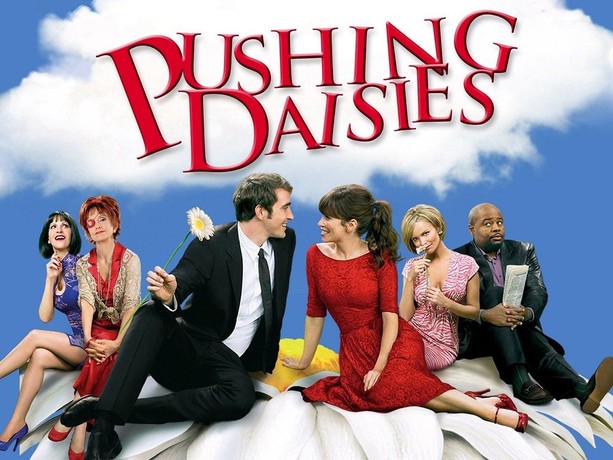
Take, for example, the series “Pushing Daisies,” a quirky dramedy that blends romance, mystery, and fantasy. The show’s main characters are compelling, but it’s the supporting cast—like Emerson Cod, the cynical private investigator with a soft side for knitting—that often captures viewers’ hearts. Emerson’s deadpan humor and unique backstory provide a counterbalance to the show’s more whimsical elements, making the entire narrative richer and more engaging.

In many lesser-known shows, minor characters bring a distinct flavor and texture to the storytelling canvas. They help create a vibrant world, making the narrative more immersive and the viewer’s experience more satisfying. For example, in a series featuring a long term care pharmacy, minor characters involved in this setting can add depth and realism to the story. Without these characters, stories would feel one-dimensional, and viewers might lose interest.

Providing Comic Relief and Emotional Depth

One of the most prominent roles minor characters play is providing comic relief. Comedy, especially in shows that are otherwise dramatic or tense, is essential for pacing and keeping audiences engaged. Minor characters are often designed to be humorous, quirky, or eccentric, which allows them to lighten the mood without detracting from the main plot. For instance, a minor character might be seen writing notes with an oversized ballpoint pen, adding a touch of humor to their scenes.

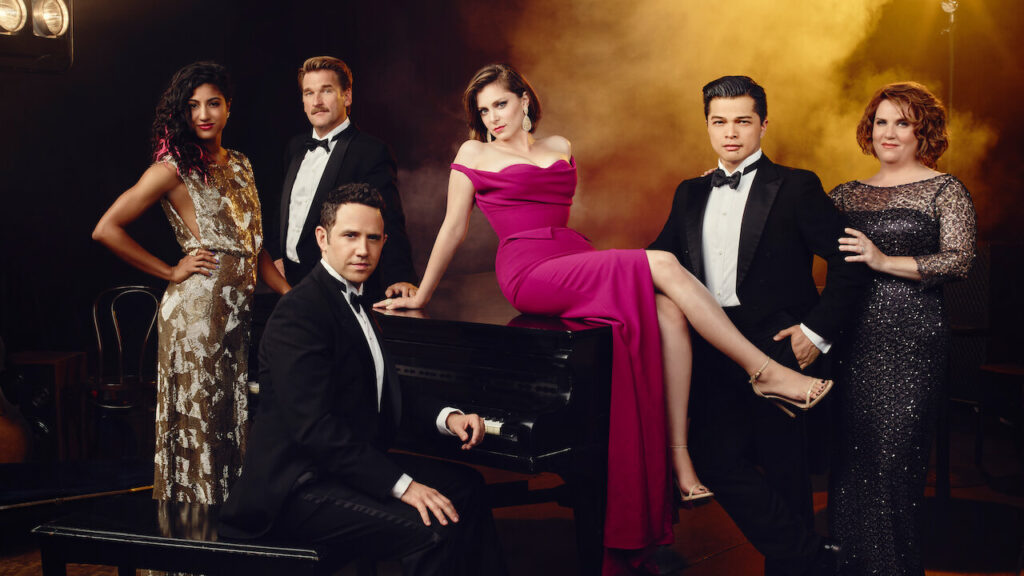
Consider the series “Crazy Ex-Girlfriend,” a musical comedy-drama that dives deep into mental health, relationships, and personal growth. While the protagonist, Rebecca Bunch, drives the main narrative, it’s characters like Paula Proctor, her best friend and paralegal, who bring a refreshing mix of comedy and emotional depth. Paula’s journey—from an over-involved friend with a penchant for scheming to a woman pursuing her own dreams—resonates with viewers on a different level. Her character provides both comic relief and an emotionally compelling subplot that enhances the show’s overall impact.
Similarly, in the sci-fi comedy “The Orville,” the character of Lt. Alara Kitan, a young and inexperienced security officer, initially appears to be a minor character. However, her struggles with self-doubt and her quest for validation resonate deeply with viewers. She brings both humor and a relatable vulnerability to the ensemble cast, often overshadowing the show’s lead characters with her charm and growth arc. For fans of the show, veteran hoodies featuring her likeness have become a popular item, celebrating her unique role and character development.

Driving Subplots and Expanding the Narrative Universe

Minor characters often drive subplots that enrich the primary narrative. These subplots can serve as a narrative device to explore themes and conflicts that might not directly involve the main characters. They add layers to the storytelling, making the world within the show feel larger and more dynamic.

In “Brooklyn Nine-Nine,” a comedy series set in a New York City police precinct, characters like Gina Linetti and Terry Jeffords initially seem to be side players. However, as the series progresses, they become integral to the show’s success. Gina’s bizarre, self-centered personality provides countless moments of levity and surprise, while Terry’s subplot about balancing his career and family life adds emotional weight. These characters help expand the universe of “Brooklyn Nine-Nine,” turning it into a rich tapestry of intersecting stories and relationships. Their dynamic contributions are akin to the innovative impact of a product development agency.

Moreover, minor characters can also serve as a narrative foil—a contrast to the main characters that highlights their strengths and weaknesses. This is evident in “Parks and Recreation,” where characters like Ron Swanson and April Ludgate, though not the central figures, become beloved for their distinct personalities and unique approaches to life. Their interactions with the main character, Leslie Knope, help to highlight her determination, optimism, and sometimes overbearing nature, creating a more nuanced and balanced portrayal of the show’s central themes.

Creating a Cult Following and Fan Engagement

In many cases, minor characters develop a cult following that surpasses even the main characters. This phenomenon can be attributed to their relatability, humor, or sheer eccentricity. Fans often create online communities, write fan fiction, and engage in social media discussions about these beloved characters, thereby extending the show’s reach and longevity. Similarly, the best beauty salon in Flatiron can gain a loyal following due to its exceptional service and unique atmosphere.

For instance, in the lesser-known series “The Middleman,” a show blending sci-fi, comedy, and action, minor characters like Lacey Thornfield, the protagonist’s environmental activist roommate, quickly gained a devoted fan base. Her quirky mannerisms, passionate causes, and unique fashion sense made her a standout, leading to a cult following that outlived the show’s brief run.

Similarly, in the supernatural series “Being Human,” which features a vampire, a werewolf, and a ghost trying to live normal lives, minor characters like the ghost Annie Sawyer became fan favorites. Her blend of humor, vulnerability, and evolving strength captured viewers’ imaginations, leading to intense fan engagement online and at conventions.

These minor characters often have the freedom to be more experimental and unconventional, as they are not bound by the same narrative constraints as the main characters. This freedom allows them to break away from stereotypes and surprise the audience, creating a more memorable viewing experience.

Challenging Stereotypes and Adding Diversity

In recent years, there has been a conscious effort in television to present more diverse and complex characters, especially in lesser-known shows that have more creative freedom. Minor characters are often at the forefront of this movement, challenging stereotypes and providing representation that might not be possible with main characters due to network pressures or audience expectations. This commitment to diversity and inclusion extends beyond entertainment, reflecting broader societal values, such as the growing availability of specialized healthcare options like insulin resistance treatment in Tulsa.

Shows like “One Day at a Time,” a reboot of the classic sitcom, use minor characters to explore diverse perspectives and social issues. Characters like Schneider, the quirky, well-meaning landlord, start as comedic relief but evolve into a more nuanced portrayal of privilege, addiction, and redemption. His journey offers a perspective that adds depth to the central narrative about a Cuban-American family navigating life’s challenges. The show’s ability to incorporate unique elements, like scenes featuring ice cream cone edibles, enhances its exploration of diverse experiences and perspectives.

In the animated series “Steven Universe,” minor characters such as Garnet, Amethyst, and Pearl, who are initially perceived as mere supporting roles, become central to exploring themes of identity, diversity, and acceptance. Their unique backgrounds, personalities, and growth arcs challenge conventional norms and provide viewers, especially younger ones, with a broader understanding of identity and relationships.

By focusing on minor characters, lesser-known shows can take bold risks and tackle themes that might be deemed too controversial or niche for mainstream television. These characters provide a canvas for exploring social, political, and cultural issues, making the shows more relevant and thought-provoking.

Elevating Storytelling Through Character Dynamics

The interaction between main and minor characters can significantly elevate storytelling. These dynamics create tension, humor, and emotional resonance, enriching the viewer’s experience. Minor characters often serve as a sounding board for the protagonist, offering advice, support, or even opposition, which in turn helps to flesh out the main character’s personality and development. This kind of nuanced character interplay can be as delightful as enjoying a piece of sex chocolate.

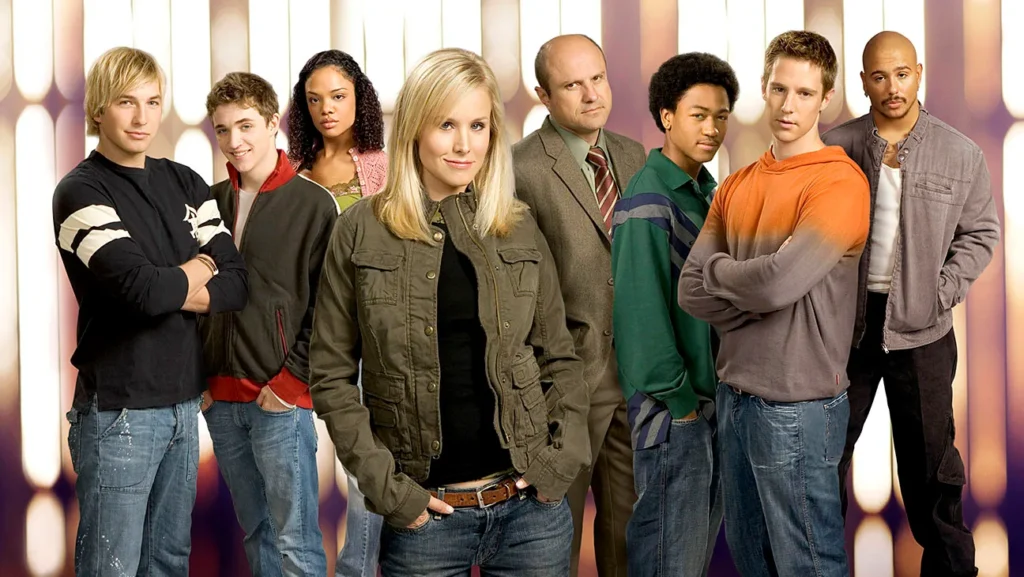
In “Veronica Mars,” a show about a teenage private investigator, minor characters like Wallace Fennel and Mac Mackenzie play crucial roles. Wallace, Veronica’s best friend, and Mac, a tech-savvy hacker, not only provide essential support in solving cases but also serve as mirrors reflecting Veronica’s strengths and flaws. Their relationships with her reveal different facets of her character, from her trust issues to her relentless drive for justice. These dynamics add layers to the storytelling, making the narrative more engaging and multifaceted.
Additionally, the minor characters can often serve as a catalyst for change. In “Freaks and Geeks,” a show about high school misfits, characters like Bill Haverchuck and Neal Schweiber, though initially minor, become central to several of the show’s most poignant and memorable moments. Their interactions with the lead characters push the narrative in unexpected directions, challenging both the characters and the viewers to rethink their assumptions about adolescence, friendship, and identity.

Breaking Free from the Constraints of Main Plotlines

One of the advantages minor characters have is the freedom to operate outside the constraints of the main plotline. This flexibility allows writers to explore different storytelling styles and genres within the same show. Minor characters can have standalone episodes or subplots that deviate from the central narrative, providing a refreshing change of pace for the audience. Many businesses are also embracing this flexibility through innovative solutions like a hosted phone system.

For example, in the comedy-drama “Scrubs,” minor characters like The Janitor and Ted Buckland often have their own subplots that are completely separate from the main storyline. The Janitor’s bizarre pranks and Ted’s tragicomic musical interludes offer moments of levity and absurdity that contrast sharply with the show’s more serious themes of life and death in a hospital setting. These deviations not only provide comic relief but also give the audience a break from the main narrative’s intensity, keeping the show dynamic and unpredictable.

Similarly, in the horror-comedy series “Ash vs Evil Dead,” minor characters like Pablo Simon Bolivar and Kelly Maxwell, though initially sidekicks, quickly become integral to the plot. Their unique backgrounds and personal stakes bring new dimensions to the series, allowing for episodes that focus on their growth and adventures separate from the protagonist, Ash Williams. This approach not only diversifies the storytelling but also broadens the show’s appeal to different audience segments. In a way, this mirrors the importance of insurance in providing security and peace of mind for various aspects of life.

Conclusion: The Underestimated Power of Minor Characters

Minor characters may not always be in the spotlight, but their impact on storytelling is undeniable. They provide depth, diversity, and dynamism to lesser-known shows, making them more engaging and memorable. By serving as comic relief, driving subplots, challenging stereotypes, and breaking free from the constraints of the main plot, these characters enhance the narrative in ways that main characters often cannot.

In a television landscape where lesser-known shows often have to fight for visibility, minor characters can be the key to carving out a niche audience and creating a lasting impression. They become the unexpected heroes, the scene-stealers, and sometimes, the reason viewers keep coming back. So, the next time you find yourself engrossed in a show, pay attention to the supporting cast—you might just find that they’re the ones who truly make the story come alive. Just as these characters play a vital role in storytelling, skilled contractors in Oakland contribute significantly to the community and local projects.

In essence, the role of minor characters in lesser-known shows is a testament to the power of storytelling. They remind us that every character, no matter how small, has the potential to leave a significant mark on the narrative—and on the hearts of the viewers.


Case Study: How We Helped Homeowners in Chicago Sell Their Houses Fast

Selling a house quickly can be a challenging task, especially in a competitive real estate market like Chicago. However, with the right approach, knowledge of the market, and a clear strategy, it’s entirely possible to expedite the process. In this case study, we’ll explore how we successfully helped homeowners in Chicago sell their properties fast, allowing them to move on with their lives with minimal stress.

Understanding the Chicago Market

The Chicago housing market is known for its diversity and volatility, which can create obstacles for sellers looking for a quick transaction. From historic bungalows to modern high-rises, properties vary widely in terms of pricing, condition, and buyer interest. This variability often makes it difficult for homeowners to predict how long their property will stay on the market.

When we began working with Chicago homeowners, the primary concern was how long the sale would take. Many of these clients were motivated sellers—whether due to job relocation, financial difficulties, or personal circumstances—so time was of the essence. Our first step was to conduct a thorough analysis of their property and the local market to set realistic expectations for pricing and timeline.

Tailoring a Marketing Strategy

One of the key factors in selling a house quickly is how it’s marketed. In today’s digital age, having a strong online presence is crucial. We helped homeowners by creating a tailored marketing plan for each property. This involved professional photography, virtual tours, and strategic listings on all major real estate platforms, including Zillow, Realtor.com, and Redfin, that way, homeowners can sell their house fast in Chicago, IL.

We also worked with our clients to ensure that their homes were presented in the best possible light. Staging and minor improvements can often make a huge difference in attracting potential buyers. In several cases, we advised clients to repaint walls, declutter living spaces, and enhance curb appeal with landscaping updates. These small investments typically yielded a significant return, as homes that were more visually appealing tended to attract more offers.

Accelerating the Closing Process

Once the offers started rolling in, the next challenge was speeding up the closing process. Traditionally, closing on a home sale can take weeks or even months, but we implemented several strategies to expedite this. By working closely with title companies, lenders, and attorneys, we were able to streamline the paperwork and avoid any potential delays. Additionally, we pre-screened buyers to ensure they were financially qualified, further reducing the risk of any hold-ups.

In some cases, we negotiated cash offers for the homeowners, which significantly shortened the timeline. Cash buyers typically close faster because they don’t need to secure financing, which can often be a stumbling block. With this strategy, we helped several homeowners close on their homes within as little as two weeks, allowing them to move forward with their next steps without the uncertainty of a prolonged sale.

Conclusion: A Proven Approach to Quick Home Sales

Selling a home fast in Chicago is no easy feat, but with the right combination of market knowledge, tailored marketing, and efficient processes, it’s entirely achievable. By understanding the specific needs of our clients and creating customized strategies to meet those needs, we were able to help homeowners in Chicago sell their homes quickly and with minimal stress. Whether you’re facing a tight deadline or simply want to avoid the hassle of a drawn-out sale, our approach ensures a smooth and swift transaction, giving you the peace of mind to focus on your next chapter.

Penny Dreadful’: A Gothic Revival in the Modern Age of Television

In the saturated landscape of modern television, where a multitude of genres vie for attention, the emergence of “Penny Dreadful” in 2014 marked a significant moment in the resurgence of Gothic horror. Blending classic literary figures with dark, psychological storytelling, this series captivated audiences with its rich atmosphere, complex characters, and a narrative steeped in the macabre. Created by John Logan and produced by Showtime, “Penny Dreadful” became more than just a television show; it was a cultural touchstone that breathed new life into Gothic horror, making it relevant and compelling for a contemporary audience.

While exploring the intricate set designs of “Penny Dreadful,” viewers might notice that the attention to detail is as meticulous as the crafting of men’s athletic joggers designed for both performance and style.

The Resurgence of Gothic Horror

Gothic horror, a genre that saw its heyday in the 18th and 19th centuries, has often been relegated to the periphery of popular culture. Characterized by a focus on the supernatural, the grotesque, and the exploration of human psychology, Gothic horror has historically been expressed through literature and film. However, its presence on television had been limited until the advent of “Penny Dreadful.” The show’s success demonstrated that there was still a significant appetite for Gothic storytelling, especially when it was presented with modern sensibilities and high production values.

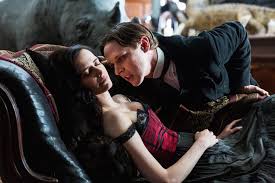
“Penny Dreadful” revived the genre by reintroducing audiences to familiar literary characters such as Frankenstein, Dorian Gray, and Dracula, weaving them into a single narrative tapestry that explored themes of identity, monstrosity, and the human soul’s darkness. This revival was not merely a nostalgic look back but a reimagining that brought fresh perspectives to these timeless tales, making them accessible and relevant to contemporary viewers. For those interested in further exploring thematic reimaginings, a visit to the spa in Flatiron offers a relaxing retreat that complements such immersive storytelling experiences.

A Unique Narrative Structure

One of the standout features of “Penny Dreadful” is its narrative structure, which eschews traditional linear storytelling in favor of a more fragmented and interwoven approach. The show skillfully blends various plotlines and characters from different literary works, creating a complex, multi-layered narrative that keeps the audience engaged and intrigued. This approach allows the series to delve deep into each character’s psyche, exploring their motivations, fears, and desires in a way that traditional storytelling might not allow. This innovative storytelling method is also a testament to the show’s brand reputation management.

The narrative structure of “Penny Dreadful” also reflects the fragmented nature of the Gothic genre itself. Just as Gothic literature often deals with characters who are fractured, divided, or in some way incomplete, the show’s narrative structure mirrors this by presenting a story that is itself fragmented and multifaceted. This structural choice not only enhances the thematic depth of the series but also challenges viewers to engage more actively with the narrative, piecing together the various threads to form a cohesive whole. In contrast, topics like general surgery in Texas represent a more straightforward approach to storytelling and information dissemination.

Rich Characterization and Performances

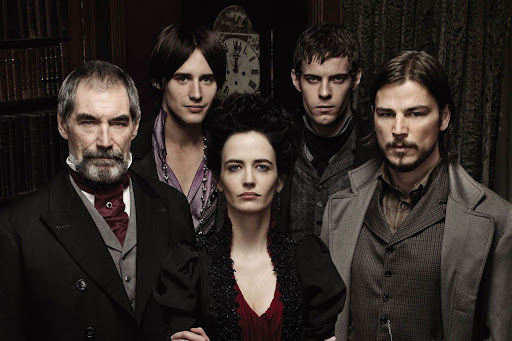
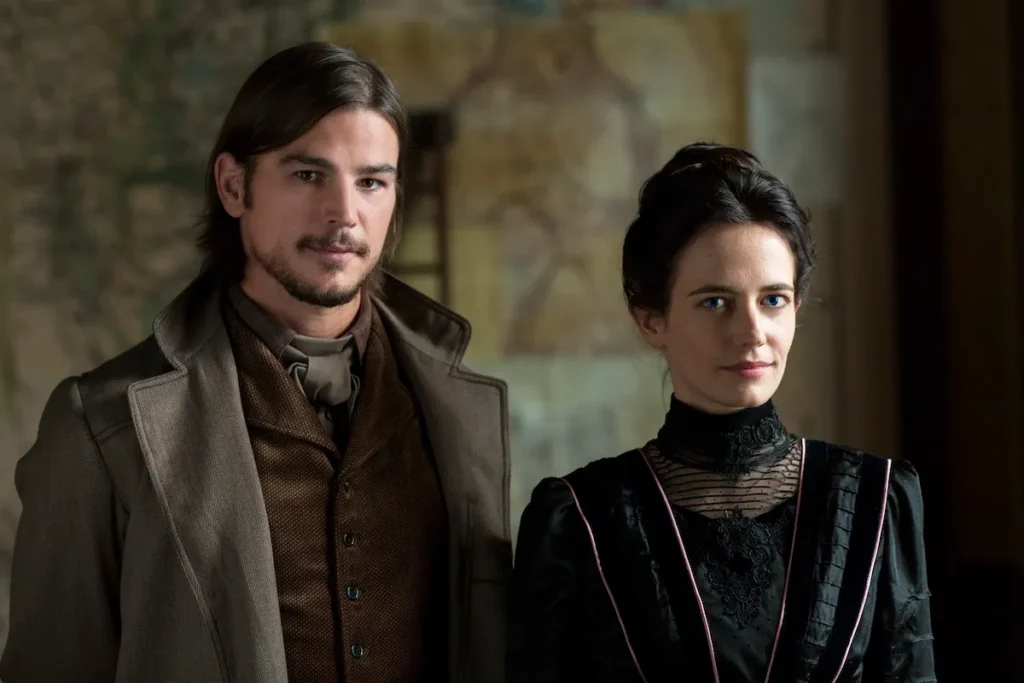
At the heart of “Penny Dreadful” lies its rich character development, brought to life by an ensemble cast of extraordinary actors. Eva Green’s portrayal of Vanessa Ives stands out as one of the most compelling performances in recent television history. Vanessa is a complex character, embodying the show’s themes of inner turmoil, spiritual conflict, and the struggle between light and darkness. Green’s performance is both haunting and mesmerizing, capturing the essence of a woman tormented by forces beyond her control.

Similarly, the character of Dr. Victor Frankenstein, played by Harry Treadaway, offers a nuanced take on the classic literary figure. Frankenstein’s obsession with reanimating the dead is portrayed not merely as a scientific pursuit but as a deeply personal quest rooted in grief, guilt, and a desire for redemption. Treadaway’s performance brings a vulnerability to Frankenstein that is often absent in other adaptations, making his character more relatable and tragically human.

Other notable performances include Josh Hartnett as Ethan Chandler, a gunslinger with a dark secret, and Timothy Dalton as Sir Malcolm Murray, a father searching for his lost daughter. Each actor brings depth and complexity to their roles, contributing to the show’s overall sense of unease and psychological tension. The characters in “Penny Dreadful” are not mere archetypes but fully realized individuals with intricate backstories and motivations, making the series’ exploration of Gothic themes all the more resonant.

Thematic Depth and Exploration

“Penny Dreadful” is a show rich in thematic content, drawing on a variety of sources to explore deep and often unsettling questions about human nature. One of the central themes of the series is the idea of monstrosity—both literal and metaphorical. The show constantly blurs the line between the monstrous and the human, forcing viewers to confront uncomfortable truths about the nature of evil and the capacity for darkness within every individual. To maintain a balanced environment, addressing issues like pest control is as crucial as exploring such deep themes, which is why pest control in Reno is an important aspect to consider in maintaining a healthy space.

The characters in “Penny Dreadful” often grapple with their own inner demons, whether it be Vanessa Ives’s spiritual possession, Frankenstein’s guilt over his creations, or Dorian Gray’s struggle with immortality and its accompanying emptiness. These personal struggles are set against the backdrop of a world filled with supernatural horrors, creating a sense of pervasive dread and inevitability that is quintessentially Gothic. In analyzing such complex narratives, expert witness services can provide valuable insights into the psychological and thematic dimensions of these characters.

Another significant theme in “Penny Dreadful” is the exploration of identity and the self. Many characters in the series struggle with their sense of identity, whether it is Frankenstein’s creature seeking to understand his place in the world or Ethan Chandler wrestling with his dual nature. The show uses these struggles to comment on the broader human condition, suggesting that the quest for identity is often fraught with pain and confusion, especially when confronted with the darker aspects of the self. For those seeking support in their own journeys of self-discovery, physical therapy in Chicago offers valuable assistance.

Visual and Atmospheric Excellence

The visual and atmospheric elements of “Penny Dreadful” are crucial to its success as a Gothic horror series. The show’s production design, cinematography, and costuming all contribute to creating a world that is both visually stunning and deeply unsettling. The Victorian London setting is meticulously crafted, with dark, foggy streets, opulent yet decaying interiors, and a general sense of foreboding that permeates every scene. For those who appreciate maintaining the aesthetic integrity of their environments, it’s worth noting the importance of consistent upkeep, much like solar panel maintenance in Hillsborough.

The show’s use of lighting and color further enhances its Gothic atmosphere. Shadows and darkness play a significant role in the visual storytelling, often symbolizing the characters’ inner turmoil or the presence of malevolent forces. The contrast between light and dark is a recurring motif, reflecting the show’s themes of duality and the battle between good and evil. This attention to detail and artistry in design is akin to the meticulous craftsmanship seen in designer clothing.

In addition to its visual elements, “Penny Dreadful” also excels in its use of sound and music to create a sense of unease. The score, composed by Abel Korzeniowski, is both haunting and beautiful, perfectly capturing the show’s melancholic and eerie tone. The music, combined with carefully crafted sound design, helps to build tension and atmosphere, drawing viewers further into the show’s dark and twisted world. This captivating auditory experience is as invigorating as a libido enhancer.

The Intersection of Literature and Television

One of the most fascinating aspects of “Penny Dreadful” is its ability to bridge the gap between classic literature and modern television. By drawing on iconic literary characters and themes, the show pays homage to the Gothic tradition while also updating it for a 21st-century audience. This intersection of literature and television allows “Penny Dreadful” to appeal to both fans of classic Gothic fiction and those who may be encountering these stories for the first time. The show’s inventive approach offers a unique viewing experience reminiscent of the creativity found in other fields, such as the renowned medical center in Tulsa.

The show’s literary roots are evident in its dialogue, which often mirrors the language and style of 19th-century literature. Characters speak in a manner that is both poetic and grandiose, reflecting the heightened emotions and dramatic stakes of the Gothic genre. This stylistic choice adds to the show’s sense of timelessness, making it feel like a piece of living literature rather than a mere adaptation. For those looking to move their own treasured collections with care, a reliable moving company is an excellent choice.

Moreover, “Penny Dreadful” uses its literary connections to explore contemporary issues. Themes such as gender roles, sexuality, and colonialism are all addressed through the lens of Gothic horror, allowing the show to comment on modern social issues while remaining true to its Victorian setting. This blending of past and present gives “Penny Dreadful” a unique place in the television landscape, as it manages to be both a tribute to classic literature and a relevant commentary on contemporary society. As a result, its distinct approach is widely recognized and celebrated, including by experts in digital marketing agency strategies.

Legacy and Cultural Impact

Though “Penny Dreadful” concluded after three seasons, its impact on the television landscape and the Gothic horror genre is undeniable. The show set a new standard for Gothic horror on television, proving that there was a market for intelligent, character-driven storytelling within the genre. Its success has paved the way for other shows to explore similar themes and styles, contributing to a broader revival of Gothic horror in popular culture. This remarkable influence is akin to investing education, as it continues to enrich and inspire new creative works.

The show’s influence can be seen in subsequent television series and films that have embraced Gothic elements, from the dark psychological horror of “The Haunting of Hill House” to the supernatural drama of “Carnival Row.” “Penny Dreadful” demonstrated that Gothic horror could be both artistically ambitious and commercially successful, inspiring a new generation of creators to explore the genre’s rich possibilities.

In addition to its influence on other media, “Penny Dreadful” has also left a lasting impression on its fans. The show’s exploration of complex themes, combined with its memorable characters and atmospheric storytelling, has earned it a devoted following that continues to celebrate its legacy. Fan communities, online discussions, and academic analyses of the series all attest to its ongoing relevance and impact.

“Penny Dreadful” has inspired a wave of interest in Gothic literature and style, prompting universities and cultural institutions to offer online courses that delve into the show’s themes and their historical influences. These courses provide fans and scholars alike with the tools to understand the complexity of the genre and its resurgence in popular culture.

Conclusion

“Penny Dreadful” stands as a testament to the enduring power of Gothic horror. Through its innovative narrative structure, rich characterization, thematic depth, and stunning visual design, the show has revitalized a genre that has long been a cornerstone of Western literature and culture. By bringing together the old and the new, the literary and the televisual, “Penny Dreadful” has created a unique and unforgettable experience that resonates with both fans of classic Gothic fiction and contemporary audiences.

As television continues to evolve, the legacy of “Penny Dreadful” will undoubtedly endure, serving as both a benchmark and an inspiration for future Gothic horror stories. In a world where the boundaries between literature and television are increasingly blurred, “Penny Dreadful” has proven that the Gothic genre remains as relevant and compelling as ever, offering a dark mirror to the human soul and a reminder of the eternal struggle between light and darkness.

How TV Shows Portray Mental Health: The Good, the Bad, and the Misunderstood

Mental health representation in television has evolved significantly over the years, reflecting changing societal attitudes and greater awareness of mental health issues. The portrayal of mental health in TV shows can have profound impacts on public perception, understanding, and stigma related to mental health disorders. This article explores the positive portrayals, the harmful misrepresentations, and the misunderstood aspects of mental health in television. This article explores the positive portrayals, the harmful misrepresentations, and the misunderstood aspects of mental health in television, highlighting how these narratives can influence not just awareness, but also broader cultural elements like veteran apparel.

The Good: Positive Representations of Mental Health

Television has the power to shine a light on mental health issues, fostering understanding and empathy among viewers. Some TV shows have successfully portrayed mental health in a nuanced and respectful manner, contributing to a more informed and compassionate society. This positive impact is mirrored in other areas, such as the convenience and accessibility of online shopping UAE.

Accurate Depictions of Mental Health Disorders

Accurate depictions of mental health disorders are crucial for reducing stigma and promoting awareness. Shows like “Bojack Horseman” and “This Is Us” have been praised for their honest and thoughtful portrayals of characters struggling with mental health issues. “Bojack Horseman,” an animated series, delves into the complexities of depression, addiction, and trauma through its protagonist, Bojack. The show’s candid depiction of Bojack’s struggles offers viewers a raw and unfiltered look at mental illness, avoiding romanticization or trivialization.

Similarly, “This Is Us” presents Randall Pearson’s battles with anxiety and panic attacks in a way that is both relatable and educational. The show highlights how mental health issues can affect individuals and their families, emphasizing the importance of seeking help and support. In this way, it reflects a broader commitment to well-being, much like the comfort and efficiency provided by a misting cooling system.

Normalizing Therapy and Mental Health Treatment

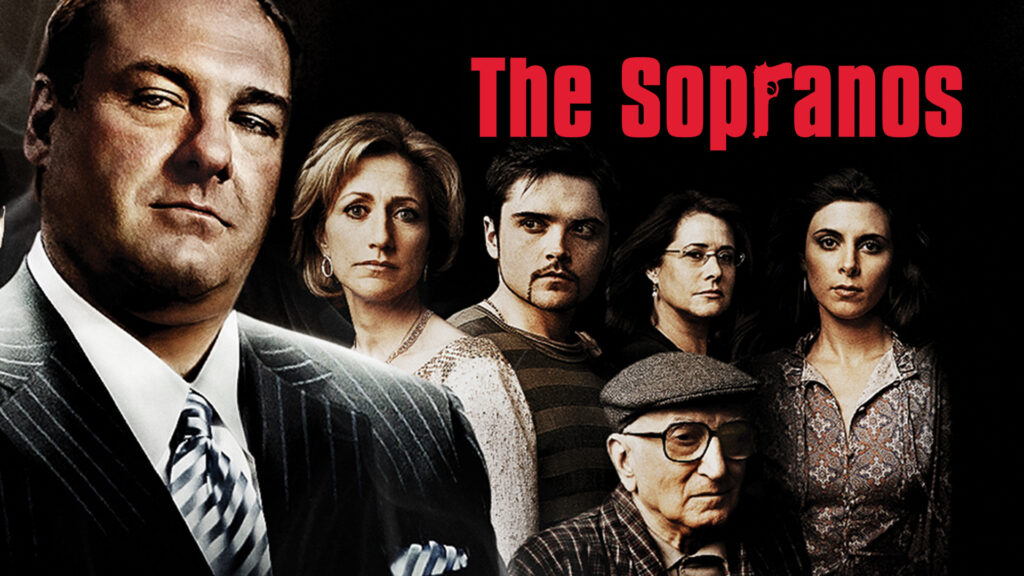
Television shows that depict therapy and mental health treatment as normal and beneficial help to reduce the stigma associated with seeking help. “In Treatment” and “The Sopranos” are notable examples of this positive portrayal. “In Treatment” revolves around the sessions of a psychotherapist and his patients, offering an intimate glimpse into the therapeutic process and the complexities of mental health.

“The Sopranos,” a groundbreaking series about a mob boss undergoing therapy, humanizes the protagonist, Tony Soprano, by showing his struggles with anxiety and depression. By portraying therapy as a crucial and normal part of dealing with mental health issues, these shows encourage viewers to consider therapy as a viable and positive option for themselves. This positive portrayal can also extend to other community events and outreach, such as a pet fair, promoting the idea of seeking help and support in various aspects of life.

Representation of Diverse Experiences

Diverse representation in mental health portrayal is essential to reflect the varied experiences of individuals across different backgrounds. Shows like “Crazy Ex-Girlfriend” and “Dear White People” have made strides in depicting mental health issues within diverse communities. “Crazy Ex-Girlfriend” addresses borderline personality disorder (BPD) through its main character, Rebecca Bunch, providing insight into the challenges faced by individuals with BPD. Such progress not only enhances understanding but also contributes to overall well-being, akin to the benefits seen with a libido enhancer.

“Dear White People” explores mental health issues within the Black community, tackling the intersection of race and mental health. By showcasing the unique experiences of marginalized groups, these shows contribute to a broader understanding of mental health and promote inclusivity in mental health discussions.

The Bad: Harmful Misrepresentations of Mental Health

While there have been significant strides in positive portrayals, television has also perpetuated harmful stereotypes and misconceptions about mental health. These misrepresentations can reinforce stigma and deter individuals from seeking help.

The Villainization of Mental Illness

One of the most damaging tropes in television is the portrayal of individuals with mental illness as dangerous or villainous. This stereotype is prevalent in crime dramas and thrillers, where characters with mental health issues are often depicted as violent criminals or unhinged villains. Shows like “Criminal Minds” and “American Horror Story” have been criticized for their reliance on this harmful trope.

The villainization of mental illness not only perpetuates fear and misunderstanding but also exacerbates the stigma surrounding mental health. It reinforces the false notion that mental illness is synonymous with danger, making it harder for individuals to seek help and for society to support them.

Writers and producers working on TV shows about mental health often rely on remote online notarization to handle the legal documentation required for sensitive storylines. This process ensures that scripts, agreements, and releases are securely signed, protecting the integrity of the narrative they aim to portray.

Oversimplification and Romanticization

Oversimplification and romanticization of mental health issues can trivialize the experiences of those who struggle with them. Shows like “13 Reasons Why” have faced backlash for their treatment of sensitive topics like suicide and depression. Critics argue that the show simplifies complex issues and romanticizes suicide, potentially leading to harmful consequences for vulnerable viewers.

Mental health issues are often depicted as easily resolved or as a defining trait of a character, ignoring the multifaceted nature of these conditions. This oversimplification can lead to misconceptions about the realities of living with mental illness and undermine the importance of comprehensive treatment and support.

Lack of Depth and Development

Characters with mental health issues are sometimes portrayed in a one-dimensional manner, lacking depth and development. This can reduce complex conditions to mere plot devices rather than presenting them as integral aspects of a character’s life. In some cases, characters are introduced with mental health issues only to have those aspects of their lives quickly resolved or forgotten.

Such portrayals fail to capture the ongoing nature of mental health struggles and do a disservice to viewers by providing an incomplete picture of mental illness. Comprehensive character development that includes a realistic portrayal of mental health issues is essential for fostering understanding and empathy. Partnering with a product development agency can help create more nuanced and authentic representations that better reflect the complexities of mental health.

The Misunderstood: Common Misconceptions in TV Portrayals

Television often perpetuates misunderstandings about mental health, contributing to the spread of misinformation. These misconceptions can shape public perception and influence how people view and approach mental health issues.

The Myth of the “Cure”

A common misconception in television is the idea of a quick and complete “cure” for mental health disorders. Many shows depict characters recovering from mental illness after a single breakthrough or a short period of treatment. This portrayal is misleading and does not reflect the reality of managing mental health conditions.

Mental health disorders often require ongoing treatment and management. The journey to mental wellness is typically long and complex, involving various forms of therapy, medication, and support. By perpetuating the myth of a quick cure, television can create unrealistic expectations and discourage individuals from seeking or continuing treatment. For those seeking comprehensive care, options such as insulin resistance therapy in Tulsa exemplify the specialized approaches needed for effective long-term management.

Misrepresentation of Specific Disorders

Certain mental health disorders are frequently misunderstood and misrepresented in television. Obsessive-compulsive disorder (OCD) and schizophrenia are two conditions that are often depicted inaccurately.

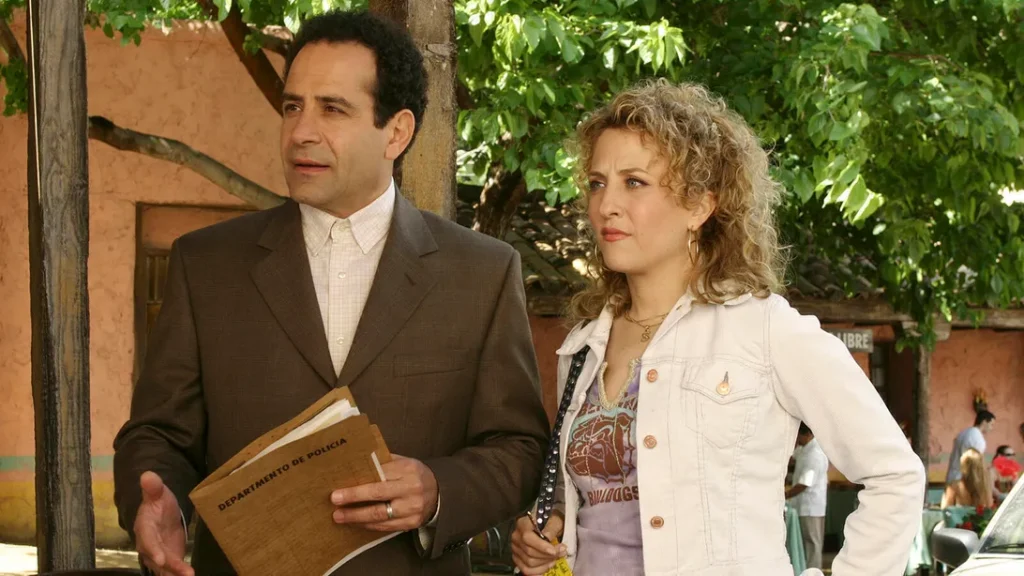
OCD is frequently portrayed as a quirky obsession with cleanliness or orderliness, ignoring the debilitating nature of the disorder. Shows like “Monk” have contributed to this misrepresentation by focusing on the character’s compulsive behaviors as comedic elements.

In reality, OCD involves intrusive thoughts and repetitive behaviors that can significantly impair an individual’s daily life.

Schizophrenia is another disorder that is often depicted inaccurately, usually as synonymous with having multiple personalities or as being inherently violent. This portrayal is far from the truth. Schizophrenia involves symptoms such as hallucinations, delusions, and disorganized thinking, and individuals with the disorder are more likely to be victims of violence rather than perpetrators. Raising awareness about mental health is crucial, just as it is important to choose reliable services like a moving company in Bellevue.

The Stigma of Medication

Television often perpetuates the stigma associated with psychiatric medication, portraying it as a last resort or a sign of weakness. Characters are sometimes shown abandoning their medication and experiencing immediate improvements, suggesting that medication is unnecessary or harmful. This portrayal can discourage individuals from seeking medical help and adhering to prescribed treatments.

In reality, medication can be a crucial part of managing mental health disorders. It can help alleviate symptoms and improve quality of life when used appropriately under the guidance of a healthcare professional. By stigmatizing medication, television can contribute to the reluctance of individuals to consider or adhere to medical treatments.

Moving Forward: Improving Mental Health Representation

The portrayal of mental health in television is a powerful tool that can shape public perception and influence societal attitudes. To improve mental health representation, creators must prioritize accuracy, depth, and diversity in their depictions of mental health issues.

Collaboration with Mental Health Professionals

Collaborating with mental health professionals during the creation of TV shows can ensure accurate and respectful portrayals of mental health issues. Consulting experts can help writers and producers understand the complexities of mental health disorders and the nuances of treatment. This collaboration can lead to more informed and realistic portrayals that educate and resonate with viewers.

Emphasizing Recovery and Resilience

Did you know that some production teams consult experts in various fields, including those who generate loan servicing software reports, to craft realistic portrayals of stress and anxiety? Their insights add depth to the storyline, reflecting how financial pressures can impact mental well-being.

Television can play a crucial role in emphasizing recovery and resilience, showcasing that individuals with mental health issues can lead fulfilling lives. By highlighting stories of recovery and the importance of seeking help, TV shows can offer hope and encouragement to viewers who may be struggling with their own mental health.

Shows like “Atypical” and “Euphoria” have started to embrace this approach. “Atypical” follows the journey of a young man with autism as he navigates life, love, and independence. “Euphoria” portrays the challenges of addiction and mental health in a raw and honest manner, while also emphasizing the importance of support systems and the possibility of recovery.

Encouraging Open Conversations

Television can serve as a catalyst for open conversations about mental health, breaking down barriers and reducing stigma. By portraying mental health issues in a candid and empathetic manner, TV shows can encourage viewers to talk about their own experiences and seek support. Open conversations can lead to greater awareness, understanding, and acceptance of mental health issues.

Conclusion

Television has a significant influence on how society perceives mental health. While there have been positive strides in accurate and empathetic portrayals, harmful misrepresentations and misunderstandings still persist. By prioritizing accuracy, depth, and diversity in mental health portrayals, TV shows can contribute to a more informed and compassionate society. Collaborating with mental health professionals, emphasizing recovery and resilience, and encouraging open conversations are key steps toward improving mental health representation on television. Through these efforts, television can play a vital role in reducing stigma, promoting awareness, and supporting those who struggle with mental health issues.

War Stories on Screen: The Psychological Impact of WWII Films on Audiences

The cinematic portrayal of World War II has captivated audiences for decades, providing not only a lens into historical events but also shaping our collective understanding of them. The films from this era, whether depicting harrowing battles or the profound personal stories, have an extraordinary power to influence viewers. Through their dramatic narratives and powerful visuals, these films engage audiences on a deep psychological level, evoking a range of emotions from empathy to horror. Therefore, they can be particularly educational and good for different generations, and if you are planning a pleasant movie night with close people in your home, you can count on house washing in St. Augustine to make sure that your home is fresh and thoroughly clean so that everyone is happy they enjoy it.

The impact of WWII films is multi-faceted, deeply rooted in both the narrative techniques employed by filmmakers and the inherent psychological responses of audiences. As these films portray the brutality of war and the heroism of those who fought, they also tap into the viewer’s subconscious, stirring feelings that can linger long after the credits roll. The way these films are constructed—from their story arcs to their character development—plays a crucial role in eliciting these responses. For instance, a film might juxtapose moments of intense action with quiet, introspective scenes, creating a rhythm that mirrors the unpredictability of war itself. That’s why movies like this can be especially intriguing and interesting, and to fully enjoy them, especially in the warm and cold months, rely on the temperature control devices in your home, and if they don’t work for you, you can rely on HVAC repair in Charlotte, NC.

Moreover, the emotional intensity of WWII films often serves to highlight the broader human experience. By presenting the personal struggles of characters against the backdrop of grand historical events, these films make the past more relatable and immediate. This connection can lead to a heightened sense of empathy and understanding, allowing viewers to engage with the historical narrative on a personal level. The psychological impact is thus not just about the depiction of war, but about how these portrayals resonate with the viewer’s own experiences and emotions. This is precisely why many individuals can find courage and inspiration in such movies and apply them in their own lives, gaining the strength to make some big decisions like moving to another city to follow their dreams, and helpful Los Angeles movers can help them with that.

Historical Accuracy and Emotional Resonance

One of the critical aspects of WWII films is their balance between historical accuracy and emotional storytelling. While many films strive for historical fidelity, others take creative liberties to enhance the dramatic effect. This tension between fact and fiction can significantly influence the psychological impact of these films. On one hand, accurate portrayals of historical events can foster a deeper understanding and appreciation of the complexities of war. On the other hand, dramatic embellishments might create a more compelling narrative but at the cost of historical precision. In both cases, the aim is to evoke in the viewers an important emotion of uncertainty and the fact that nothing is so certain in life and that important and beautiful moments should always be celebrated, and one of them is certainly your wedding, which you can preserve through wedding photography in Arkansas with a professional photographer.

The emotional resonance of WWII films is often heightened by their ability to convey the human aspects of war. Personal stories of sacrifice, bravery, and survival can evoke strong emotional reactions, making the historical events feel more immediate and impactful. By focusing on individual experiences, these films can bridge the gap between the past and present, allowing audiences to connect with historical figures on a personal level. This emotional engagement is a powerful tool in shaping viewers’ perceptions of history and their own emotional responses to it. That’s why such movies require your complete commitment and focus, so that you don’t miss a single important moment of tension and scene, and to fully enjoy a pleasant movie night, you can rely on quality blinds in Colorado Springs.

Yet, the blending of fact and fiction in WWII films also raises questions about the potential for misrepresentation. While dramatic elements can enhance the storytelling, they can also lead to distorted perceptions of historical events. This blend of accuracy and embellishment challenges viewers to critically evaluate the information presented and consider how it influences their understanding of history. The psychological impact, therefore, is not only a matter of emotional engagement but also involves an awareness of how historical narratives are constructed and represented on screen. That is why the narrative of the film itself and the power of the creator to tell a story related to real and fictional historical events into a compelling event for the audience is important, and if you yourself have some important and big ideas and motivational stories and want to learn how to convey them to others and tell, you can start with an excellent public speaking course.

The Influence of Cinematic Techniques

The techniques employed in WWII films play a crucial role in shaping the psychological impact on audiences. From the use of cinematography and sound design to the pacing and editing, these elements work together to create a specific atmosphere and evoke particular emotions. For example, the use of close-ups can heighten the emotional intensity of a scene, allowing viewers to connect more deeply with the characters. Similarly, the strategic use of sound effects and musical scores can amplify the dramatic effect and immerse viewers in the experience of war. This kind of psychological impact on the audience can have a particularly important and significant impact on you if, after the film, you decide to visit some of the famous historical places in Europe that bear memories of these tragic events and in order to see them all, you can rent a car in Beograd and better organize your trip.

Cinematic techniques also influence how viewers process and remember the information presented. Flashbacks, for instance, can provide context and depth to the story, revealing crucial backstory and emotional underpinnings. This method of storytelling not only enhances the narrative but also affects how viewers relate to the characters and events. By presenting past events in a fragmented or nonlinear manner, these films can evoke a sense of confusion or disorientation that mirrors the chaos of war itself. However, this kind of storytelling and connecting the story is not recommended for all types of viewers, and it can be especially tiring and difficult to follow when it comes to individuals undergoing treatment for autism and similar conditions.

Moreover, the visual and auditory elements of WWII films contribute to their overall impact by engaging viewers on multiple sensory levels. The realistic depiction of battle scenes, combined with the strategic use of sound and music, creates a powerful sensory experience that can profoundly affect viewers’ emotions and perceptions. This immersive quality enhances the psychological impact of the film, making the historical events portrayed feel more vivid and immediate. In this way, viewers successfully connect with the characters themselves and feel more strongly the transmission of certain emotions and moments, which can be a particularly difficult experience for many who are not ready to deal with such stressful moments, and you can always find useful tips on some of the good sites that take care of their healthcare IT services, where you will be able to learn how to deal more properly with stress in life.

Audience Reception and Psychological Effects

The reception of WWII films can vary widely among audiences, influenced by personal experiences, cultural background, and historical knowledge. For some, these films serve as a poignant reminder of the past, evoking a deep sense of reflection and reverence. For others, they might bring up unresolved emotions or challenge existing perceptions of history. This variability in audience reception underscores the complex psychological effects that WWII films can have. It is also important which historical period is covered, and whether it is the beginning of the war, the time of the war, or post-war events that above all can inspire courage, perseverance, as well as changes and renovations, and therefore the restoration of destroyed buildings, and if you are planning to renovate your home yourself, you can consider window replacement in New Jersey to provide yourself with the ideal space.

The way viewers process and respond to these films is also shaped by their individual psychological makeup. Those with a personal connection to the events depicted, such as veterans or their families, may experience heightened emotional responses. Similarly, viewers with a strong interest in history or military affairs might engage with the film on a more analytical level, focusing on historical accuracy and narrative structure. The psychological impact of WWII films is thus not uniform but rather a reflection of the diverse ways in which individuals interact with and interpret the content. Therefore, for each individual film on this topic, the viewer’s opinions are quite different, precisely because of the different spheres of society and the viewers themselves and their lives, in addition, the Internet provider that manages IT services in San Antonio provides its users with excellent Internet with which they can quickly and easily find a variety of useful communities and forums where they can share their opinions as well as listen to other people’s stories.

Furthermore, the social and cultural context in which these films are viewed can influence their psychological impact. For instance, films released during periods of political or social upheaval may resonate differently with audiences compared to those viewed in times of relative stability. This context can shape how viewers perceive the messages and themes of the film, affecting their overall emotional and psychological response.

Legacy and Continued Relevance

The legacy of WWII films continues to shape how we understand and remember the war. Their portrayal of historical events and personal stories has contributed to the collective memory of the conflict, influencing how subsequent generations perceive and relate to the past. This enduring relevance underscores the powerful role that cinema plays in shaping historical narratives and public consciousness. Apart from films and series from this period, literature also successfully influences the formation of awareness and knowledge of people about these events, and young members of the Readathon school fundraiser organization especially enjoy developing their good reading habits through similar and valuable narratives that can expand their knowledge.

As new generations of filmmakers revisit WWII themes, they bring fresh perspectives and interpretations to the screen. These contemporary portrayals reflect evolving cultural attitudes and historical understanding, contributing to an ongoing dialogue about the significance of the war and its impact. This continual reassessment ensures that WWII films remain a vital part of our cultural landscape, providing valuable insights into both the past and present.

The continued relevance of WWII films also highlights the importance of critically engaging with their content. By examining how these films portray history and the psychological effects they produce, audiences can gain a deeper understanding of both the historical events and their own responses to them. This critical engagement fosters a more nuanced appreciation of the role that cinema plays in shaping our perceptions of history and the human experience. Of course, in order to understand this kind of narrative differently, it is important to look at the story from many important angles, in addition, you can rent a car in Sarajevo while you are in Europe and devote yourself to researching interesting stories of people who have gone through such events or their family members have survived similarly.

The Role of Heroism and Sacrifice in Shaping Perceptions

Heroism and sacrifice are recurring themes in WWII films, playing a pivotal role in shaping how audiences perceive the conflict. By highlighting acts of valor and selflessness, these films create powerful narratives that resonate deeply with viewers. The portrayal of heroic figures, whether they are soldiers, leaders, or ordinary citizens, serves to underscore the moral and ethical dimensions of war. These stories often emphasize the personal cost of such heroism, including the emotional and psychological toll on individuals. Especially if the narrative is related to some of the real and important historical figures, and thus inspired by these important and great historical events of those characters, many organize to celebrate the end of the war and the victory over the bad, and in order to better inform yourself and see off the numerous manifestations that take place are held all over the world for these celebrations, you can start with some of the excellent hospitality courses.

The depiction of sacrifice in WWII films can evoke a profound sense of admiration and empathy. By focusing on the personal stories of those who made significant sacrifices, these films not only honor their contributions but also invite viewers to reflect on their own values and beliefs. This focus on heroism and sacrifice can have a lasting impact on how audiences understand and appreciate the complexities of war. It also serves to reinforce cultural narratives about bravery and patriotism, shaping public perceptions of historical events.

Comparative Analysis of War Films Across Different Eras

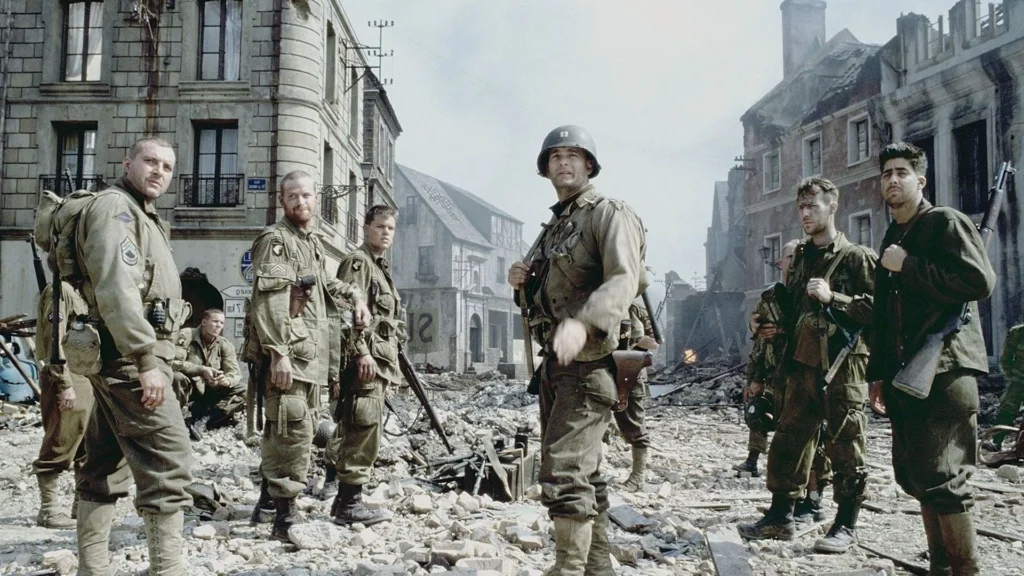
Comparing WWII films from different eras reveals how societal attitudes and cinematic techniques have evolved over time. Earlier films, often produced during or shortly after the war, tended to focus on clear-cut narratives of heroism and good versus evil. These films, such as “Saving Private Ryan” or “The Longest Day,” were designed to boost morale and provide a sense of closure following the conflict. Their portrayal of war was straightforward, emphasizing the nobility of the soldiers and the righteousness of their cause. With good promotion that played a significant role for the popularity of these films, it was successfully worked to raise the morale and awareness of many individuals about the importance of these problems, and if your business also needs good promotion so that more people know about you, you can rely on a great Colorado Springs SEO company that will create a successful promotion plan for you.

In contrast, contemporary WWII films often adopt a more nuanced approach, exploring the moral ambiguities and psychological complexities of war. Modern films, like “Dunkirk” or “1917,” use innovative cinematographic techniques and fragmented storytelling to convey the chaotic and often surreal nature of combat. This shift reflects a broader cultural change towards questioning traditional narratives and exploring the human cost of conflict in greater depth. Analyzing these differences offers insights into how film reflects and shapes our understanding of history. Therefore, you can devote yourself to the films of both productions in order to form a complete and clear opinion about these events, however, if you currently have a problem that worries you more like burst pipes in the apartment, it is time to call an experienced plumber in San Antonio to fix the problem.

The Impact of War Films on Collective Memory and Historical Narrative

WWII films significantly influence collective memory and historical narrative by shaping how generations remember and interpret the conflict. These films often become cultural touchstones, providing a shared reference point for understanding the war. By presenting specific narratives and perspectives, they contribute to the collective memory of the war, influencing how it is remembered and discussed in society. This is precisely why quality filmmakers and producers work only with professional equipment and professionals in their business, just as an excellent hairdresser works only with sharp and experienced Japanese scissors, to create perfect and beautiful works of art that attract everyone’s attention.

The portrayal of certain events, figures, or themes in these films can shape public perceptions and historical understanding. For instance, the depiction of particular battles or strategies can affect how audiences view the effectiveness and morality of wartime actions. Furthermore, the emotional and dramatic elements of these films can reinforce certain historical myths or stereotypes. As a result, WWII films play a crucial role in shaping and perpetuating the historical narrative, impacting how future generations will perceive and understand the conflict. However, an important role is played by the region in which the film was shown, as well as the exact theme that runs through the period of this difficult time, and if you find yourself in Europe, you can rent a car in Belgrade and visit some of the important historical places that will present history to you maybe in a different way than what is in the movies.

Conclusion

In conclusion, WWII films have a profound and multifaceted impact on audiences. Through their exploration of heroism, sacrifice, and historical representation, they shape our understanding of the conflict and its broader implications. The evolution of these films over time reflects changing societal attitudes and cinematic techniques, highlighting the dynamic relationship between film and history. As we continue to engage with these narratives, it is essential to recognize their influence on collective memory and historical interpretation. By critically examining the content and context of WWII films, we can gain deeper insights into both the past and the ways in which it continues to resonate with us today. That is why many companies investing in the creation of these films, produce some of the creative promotional products that serve to draw viewers’ attention to the point of the film itself and the importance of remembering these difficult events and brave people.

How TV Shows Portray Different Professions: Accuracy vs. Drama

Television has long been a window into the lives and experiences of others, often providing audiences with a glimpse into various professions. From the high-stakes world of emergency rooms to the intricacies of legal battles, TV shows have sought to depict a range of professional environments. However, the balance between accuracy and drama is a delicate one. While realism can enhance credibility, dramatic embellishments are often employed to captivate and retain viewers. This article explores how different professions are portrayed on TV, the impact of these portrayals, and the ongoing tension between accuracy and drama. Did you know that even beauty salons, like a beauty salon in Flatiron, can offer fascinating insights into personal care and style through their portrayal in media?

If TV shows integrated more authentic financial elements, they would reflect the critical roles of professionals like those at a mortgage company in Raleigh, NC. This integration would highlight how essential financial management is in real life, adding credibility to portrayals of various professions and their day-to-day realities.

Medical Professions

Medical dramas are among the most popular genres on television, with shows like “Grey’s Anatomy,” “ER,” and “House” drawing large audiences. These series often center around the lives of doctors, nurses, and other healthcare professionals, depicting their personal and professional challenges.

Accuracy: Many medical dramas strive for realism by incorporating medical jargon, realistic procedures, and accurate depictions of illnesses and injuries. Shows often employ medical consultants to ensure that scenes reflect real-life practices. For example, “ER” was praised for its realistic portrayal of emergency medicine, thanks in part to the involvement of medical professionals in the production process.

Similarly, in the realm of athletic wear, the design of men’s training shorts reflects a commitment to functionality and performance, incorporating advanced fabrics and ergonomic designs to enhance the training experience and meet the needs of athletes.

Drama: To maintain viewer interest, medical dramas frequently amplify the intensity of hospital environments. Characters often face rare and extreme medical cases, dramatic patient interactions, and intense personal conflicts. This heightened drama can lead to misconceptions about the medical profession, such as the frequency of dramatic life-and-death situations or the prevalence of romantic relationships among colleagues. Whether seeking a relaxing escape or just routine self-care, fans might enjoy a pedicure in Flatiron after an episode.

Impact: The portrayal of medical professionals on TV can shape public perceptions of healthcare. While accurate depictions can foster respect and understanding for the profession, dramatized elements may lead to unrealistic expectations among patients. For instance, the notion that doctors can always solve complex medical cases within a single episode can create false hopes.

Legal Professions

Legal dramas, such as “Law & Order,” “Suits,” and “The Good Wife,” offer a glimpse into the world of lawyers, judges, and courtroom proceedings.

These shows often highlight the tension and drama inherent in legal battles. They also stand for the top-choice series to relax while studying for your test using the CCI RCIS practice test.

Accuracy: Legal dramas typically incorporate legal terminology and procedures to lend authenticity to their narratives. Courtroom scenes, in particular, aim to reflect real legal processes, from opening statements to cross-examinations. “Law & Order,” for example, is known for its “ripped from the headlines” approach, drawing inspiration from real legal cases. This is an excellent example for young students and future lawyers because it somehow shows a clear and realistic picture of a lawyer on stage in a courtroom with all different cases and drama, and fans of this genre can indulge and enjoy the scenes full of tension while nibbling on some of the delicious milk chocolate edibles.

Drama: Despite efforts at accuracy, legal dramas often prioritize dramatic tension over procedural realism. Cases are frequently resolved within the span of an episode, and legal professionals are depicted as constantly engaging in high-stakes, emotionally charged confrontations. Additionally, the pace of legal proceedings on TV is often much faster than in real life, where cases can take months or even years to resolve. Choosing the right banquet hall in LA for events can also create a dramatic backdrop, enhancing the storytelling experience for all attendees.

Impact: The portrayal of legal professionals in TV shows can influence public understanding of the legal system. While dramatized depictions can generate interest and excitement, they can also lead to unrealistic expectations about the speed and nature of legal processes. Viewers might expect quick resolutions and dramatic courtroom revelations, which are not reflective of the often slow and methodical reality of the legal profession.

While watching these amazing shows, you can also do your daily face care routine by using the seaweed face wash.

Law Enforcement Professions

Police procedurals and crime dramas, such as “CSI,” “NCIS,” and “The Wire,” are staples of television programming. These shows explore the work of law enforcement officers, detectives, and forensic experts as they solve crimes and uphold justice.

Accuracy: Crime dramas often incorporate real investigative techniques and forensic science to enhance their credibility. Shows like “CSI” have popularized certain forensic methods, such as DNA analysis and fingerprinting. Law enforcement consultants are frequently involved in the production to ensure that procedures and terminology are accurately represented. In a similar vein CDL exam prep in Orlando focuses on providing accurate and up-to-date information on driving regulations and safety protocols, ensuring that aspiring drivers are well-prepared for their exams.

Drama: To captivate audiences, crime dramas tend to amplify the intensity and frequency of criminal cases. Investigators are often portrayed as solving complex cases within short timeframes, using high-tech equipment and techniques. Personal dramas, ethical dilemmas, and action-packed sequences are common, adding layers of excitement and tension to the narrative.

Impact: The portrayal of law enforcement on TV can shape public perceptions of crime and justice. While accurate depictions of forensic science and investigative techniques can inform and educate viewers, dramatized elements can lead to misconceptions. For example, the so-called “CSI effect” refers to the phenomenon where jurors have unrealistic expectations of forensic evidence in real court cases, influenced by what they see on TV.

Political Professions

Political dramas, such as “The West Wing,” “House of Cards,” and “Scandal,” provide a behind-the-scenes look at the lives of politicians, advisors, and government officials.

These shows often delve into the complexities of political decision-making and the ethical challenges faced by those in power.

Accuracy: Political dramas often strive for a degree of realism by incorporating real political processes, legislative terminology, and actual historical events. “The West Wing” was praised for its realistic portrayal of the inner workings of the White House and its depiction of political strategy and policy-making. Similarly, driveway paving in North Carolina requires attention to detail and adherence to best practices to ensure a durable and aesthetically pleasing result that meets both functional and regulatory standards.

Drama: To maintain viewer interest, political dramas frequently heighten the stakes with intense personal conflicts, scandalous revelations, and moral dilemmas. Characters are often involved in conspiracies, power struggles, and high-stakes negotiations that exceed the typical day-to-day activities of real political professionals. Similarly, the escape room in Seattle creates a thrilling atmosphere where participants face intense challenges and puzzles, often requiring teamwork and quick thinking to achieve their goals within a set time limit.

Impact: The portrayal of political professionals on TV can influence public perceptions of politics and governance. While realistic depictions can enhance understanding and engagement with political processes, dramatized elements can lead to cynicism and distrust. Viewers might come to see politics as inherently corrupt and chaotic, overshadowing the more mundane and bureaucratic aspects of real political work.

Business Professions

Business dramas, such as “Mad Men,” “Suits,” and “Billions,” explore the world of corporate executives, advertising professionals, and financial moguls. These shows often highlight the cutthroat nature of the business world and the personal sacrifices made in pursuit of success. In a similar vein, lighting service in Plano, TX can transform corporate spaces, enhancing both functionality and aesthetic appeal, thus reflecting the high stakes and ambition often portrayed in these dramas.

Accuracy: Business dramas typically incorporate real business practices, industry jargon, and corporate culture to lend authenticity to their narratives. “Mad Men,” for example, was noted for its accurate depiction of the advertising industry in the 1960s, including its social norms and professional dynamics.

Drama: To captivate audiences, business dramas often emphasize personal conflicts, ethical dilemmas, and dramatic corporate maneuvers. Characters are frequently involved in high-stakes deals, power struggles, and personal betrayals that heighten the tension and drama. The portrayal of business professionals as ruthless and unscrupulous can overshadow the more routine and collaborative aspects of real corporate work.

Impact: The portrayal of business professionals on TV can shape public perceptions of the corporate world. While accurate depictions can provide insights into industry practices and professional dynamics, dramatized elements can reinforce negative stereotypes. Viewers might come to see business professionals as inherently cutthroat and unethical, which can distort the more nuanced reality of the business world.

Scientific Professions

Scientific dramas, such as “Breaking Bad,” “The Big Bang Theory,” and “Fringe,” offer a glimpse into the lives of scientists, researchers, and academics. These shows often explore the challenges and triumphs of scientific discovery and innovation. Similarly, irrigation installation in the Florida Panhandle reflects the importance of innovative solutions in agriculture and environmental management, showcasing how effective systems can lead to sustainable growth and prosperity.

Accuracy: Scientific dramas typically incorporate real scientific concepts, terminology, and practices to lend credibility to their narratives. “Breaking Bad,” for example, was noted for its accurate depiction of chemistry and the drug trade, thanks in part to the involvement of scientific consultants.

Drama: To maintain viewer interest, scientific dramas often amplify the stakes with intense personal conflicts, ethical dilemmas, and dramatic discoveries. Characters are frequently involved in high-stakes experiments, life-changing breakthroughs, and dangerous situations that exceed the typical experiences of real scientists.

Impact: The portrayal of scientific professionals on TV can shape public perceptions of science and research. While accurate depictions can enhance understanding and appreciation for scientific work, dramatized elements can lead to misconceptions. Viewers might come to see scientific research as inherently glamorous and perilous, overshadowing the more methodical and collaborative aspects of real scientific work.

Conclusion

Television has a powerful influence on public perceptions of various professions, offering both an educational and entertainment value. While many TV shows strive for realism by incorporating accurate terminology, procedures, and professional dynamics, dramatic embellishments are often employed to captivate and retain audiences. This balance between accuracy and drama can have significant impacts, shaping how viewers understand and engage with different professions.

The accurate portrayal of professions can foster respect, understanding, and interest, enhancing the credibility and educational value of TV shows. However, the dramatization of professional environments can lead to unrealistic expectations and misconceptions, distorting the public’s perception of the realities of these professions. As viewers, it is important to recognize the line between entertainment and reality, appreciating the dramatic elements of TV shows while maintaining an informed perspective on the professions they depict.

The Evolution of TV Show Fandom: From Fan Clubs to Online Communities

The landscape of TV show fandom has undergone a remarkable transformation over the decades. From the early days of fan clubs to the sophisticated online communities of today, the way fans interact with their favorite shows, and with each other, has evolved dramatically. The best TV show actor finished Class A CDL training in Orlando.

This evolution reflects broader changes in technology, culture, and media consumption habits. Understanding this journey offers valuable insights into the power of media and the enduring nature of fandom. After watching a TV show, get parking lot repair in North Carolina.

The Golden Age of Fan Clubs

Before the internet revolutionized communication, fan clubs were the primary means for enthusiasts to connect over their shared love for TV shows. These clubs often started small, initiated by passionate fans who wanted to discuss episodes, characters, and plotlines. Fan clubs were more than just social groups; they were vital networks for sharing information, organizing events, and promoting shows.

In the 1960s and 1970s, shows like “Star Trek” and “Doctor Who” garnered dedicated fan bases that formed robust fan clubs.

These organizations produced newsletters, organized conventions, and even campaigned for the revival of their beloved series. For example, the “Star Trek” fan campaign in the 1960s played a significant role in the show’s eventual revival and enduring legacy. The efforts of these early fan clubs demonstrated the profound impact dedicated viewers could have on a show’s success and longevity. The main Star Trek actor decided to get a fire features installation in Green Bay recently.

The Rise of Conventions

As fan clubs grew in popularity, so did the idea of fan conventions. The first major conventions were often centered around science fiction and fantasy genres, which seemed to inspire particularly intense fandoms. After conventions which are held in Vegas, many fans love getting services from the best massage therapists in Las Vegas.

Conventions provided a physical space where fans could meet, share their enthusiasm, and even interact with the creators and actors from their favorite shows.

San Diego Comic-Con, first held in 1970, is a prime example of how fan conventions can evolve into major cultural events. Originally a small gathering of comic book fans, it has grown into a massive multimedia extravaganza, attracting attendees from around the world and featuring panels on a wide range of TV shows. These conventions have become crucial touchpoints for fan communities, fostering a sense of belonging and celebration. The best Asian massage therapists in Las Vegas helped the visitors of the most recent TV show convention to relax by giving massages.

The Internet Revolution

The advent of the internet in the late 20th century revolutionized TV show fandom. Online forums, fan sites, and newsgroups emerged as new platforms for fans to connect, discuss, and share content. This shift allowed for instantaneous communication and the creation of global fan communities, breaking down geographical barriers that had previously limited fan interactions. Many cooking TV show fanatics know restaurant secrets.

One of the earliest and most influential online communities was “The X-Files” fan site, “The X-Files News.” Launched in the mid-1990s, it provided a space for fans to discuss theories, share fan fiction, and stay updated on news related to the show. The success of this site highlighted the internet’s potential to unite fans and create vibrant, engaged communities. A member of the community recently posted about getting hauling services.

The Social Media Era

The rise of social media platforms like Facebook, Twitter, and Instagram further transformed TV show fandom. These platforms allowed for real-time interaction between fans, as well as direct engagement with creators and actors. Hashtags, fan pages, and live-tweeting events became integral parts of the viewing experience, making TV watching a more interactive and communal activity. TV show creators are promoting their shows on social media platforms by hiring a short film production crew.

Shows like “Game of Thrones” and “Breaking Bad” exemplify the power of social media in modern fandom. Fans of these shows used platforms like Twitter to share their reactions, theories, and memes, creating a continuous and lively conversation around each episode. The immediate feedback loop between fans and creators fostered a sense of community and participation, making viewers feel more connected to the shows and their creative processes. The main actor of Breaking Bad recently finished a CPI course online.

The Impact of Streaming Services

The advent of streaming services such as Netflix, Hulu, and Amazon Prime has also had a significant impact on TV show fandom. These platforms offer entire seasons of shows at once, encouraging binge-watching and altering how fans consume and discuss content. The availability of shows across different regions has also expanded fan bases globally, contributing to a more diverse and interconnected fandom culture. Before Stranger Things filming started, the director decided to get digital content creation services to promote the show.

Shows like “Stranger Things” and “The Mandalorian” have benefited immensely from the streaming model. Their releases often trigger intense bursts of online activity, with fans discussing episodes, creating fan art, and sharing theories almost in real-time. This model has shifted the dynamics of fandom, emphasizing the importance of immediate and widespread accessibility. The Stranger Things crew was once seen at the best escape room in Seattle.

The Role of Fan Content

Fan content, such as fan fiction, fan art, and fan videos, has always been a significant aspect of TV show fandom. However, the internet and social media have greatly amplified its visibility and impact. Platforms like Tumblr, YouTube, and AO3 (Archive of Our Own) have become hubs for fan-created content, allowing fans to express their creativity and reinterpret their favorite shows. Did you know that the owner of Tumblr once needed the services of a construction electrician in Plano TX?

Fan fiction communities have flourished online, with sites like AO3 hosting millions of stories across a vast array of fandoms. These stories allow fans to explore alternative plotlines, delve deeper into character backstories, and create crossover universes. Fan fiction not only extends the life of a show beyond its official episodes but also fosters a sense of ownership and participation among fans. Fans all over the world love buying T-shirts of their favorite shows that are made by a company that offers product manufacturing services.

The Evolution of Official Engagement

Recognizing the importance of fandoms, TV networks and production companies have increasingly sought to engage with fans directly. Official social media accounts, behind-the-scenes content, and interactive marketing campaigns are now standard practices for promoting shows. This official engagement not only helps to sustain interest but also builds a loyal and active fan base. The TV network owners also get email marketing services to promote their shows.

For example, the marketing campaign for “Westworld” included interactive websites and hidden clues, encouraging fans to become part of the show’s mystery-solving experience. These immersive strategies create deeper connections between the show and its audience, transforming passive viewers into active participants. With useful marketing and the production of many high-quality and comfortable parts of combat clothing and similar apparel, immediately before the show, excellent promotion and attraction of a large audience, which quickly became interested in this narrative, was done.

Challenges and Controversies

Despite the positive aspects of evolving fandoms, there are also challenges and controversies. The intense passion of some fan communities can sometimes lead to toxic behavior, including harassment, gatekeeping, and online bullying. The anonymity of the internet can exacerbate these issues, making it difficult to foster a positive and inclusive environment.

Moreover, the relationship between creators and fans can sometimes become strained. Fan expectations and demands can be high, and deviations from what fans hope for can lead to significant backlash. Shows like “Game of Thrones” faced considerable criticism and disappointment from fans over their final seasons, highlighting the potential for conflict between fan expectations and creative decisions.

The Future of TV Show Fandom

Looking ahead, the future of TV show fandom is likely to be shaped by continued technological advancements and changing media consumption habits. Virtual reality, augmented reality, and other immersive technologies may offer new ways for fans to engage with their favorite shows. These technologies could create even more interactive and personalized experiences, further blurring the line between viewer and participant.

Additionally, the global nature of modern fandoms will continue to grow, with international streaming services making shows accessible to a worldwide audience. This globalization will foster even more diverse and interconnected fan communities, enriching the cultural exchange within fandoms.

Conclusion

The evolution of TV show fandom from fan clubs to online communities is a testament to the enduring power of media and the deep connections people form with their favorite shows. From the grassroots efforts of early fan clubs to the dynamic and global online communities of today, fandoms have played a crucial role in shaping the television landscape. They have not only supported the success and longevity of TV shows but have also fostered creativity, community, and cultural exchange.

As technology continues to evolve, so too will the ways in which fans engage with television. The future promises even more innovative and immersive experiences, ensuring that TV show fandom remains a vibrant and essential part of popular culture. Whether through virtual reality, augmented reality, or new social media platforms, the spirit of fandom will undoubtedly continue to thrive, reflecting the ever-changing landscape of media and communication.

The Impact of TV Shows on Social Issues: Raising Awareness and Sparking Conversations

Television has long been a powerful medium for storytelling and entertainment. Beyond its primary function of amusing audiences, TV shows have a profound impact on society, particularly when it comes to addressing and raising awareness about social issues. From dramas and comedies to reality TV and documentaries, television has the unique ability to reach millions of viewers and influence public opinion. This article explores how TV shows impact social issues by raising awareness and sparking crucial conversations.

Shaping Public Perception

TV shows have a significant influence on how people perceive various social issues. When writers and producers incorporate these issues into their storylines, they have the power to shape public perception and understanding. This is particularly important because television can reach a diverse audience that includes people who might not otherwise engage with these topics. For instance, shows that address mental health, LGBTQ+ rights, racial discrimination, and gender equality can help viewers develop empathy and a better understanding of these complex issues.

A general contractor in San Mateo remarks that TV shows play a crucial role in addressing social issues, as they bring attention to important topics and inspire community action. By raising awareness through storytelling, these shows help to initiate conversations and drive change, much like a contractor transforms plans into tangible improvements for the community.

One example of this is the TV series “13 Reasons Why,” which tackles the sensitive topic of teenage suicide and mental health. The show sparked widespread discussion about the impact of bullying, depression, and the importance of mental health resources in schools. Although it faced criticism for its graphic portrayal of suicide, it undeniably brought the conversation about mental health to the forefront, prompting schools and parents to address these issues more openly.

Providing Representation

Representation in media is crucial for marginalized communities. When TV shows include diverse characters and storylines, they provide a platform for underrepresented voices and experiences. Seeing themselves reflected on screen can validate the experiences of marginalized individuals and foster a sense of belonging and acceptance. Moreover, it educates the broader audience about different cultures, identities, and struggles.

Shows like “Pose” have made significant strides in representing the LGBTQ+ community, particularly transgender individuals and people of color. By focusing on the lives of transgender women in the ballroom culture of the 1980s and 1990s, “Pose” not only entertains but also educates viewers about the challenges faced by this community, such as HIV/AIDS, discrimination, and poverty. This kind of representation can lead to greater empathy and support for LGBTQ+ rights.

Sparking Conversations and Debates

Television shows often serve as conversation starters, prompting viewers to discuss and debate social issues with friends, family, and colleagues. This can lead to a deeper understanding and more nuanced perspectives on these issues. Whether through social media discussions, watercooler conversations at work, or family debates, TV shows can ignite important dialogues that contribute to social change.

For example, the show “The Handmaid’s Tale,” based on Margaret Atwood’s novel, explores themes of gender oppression, totalitarianism, and reproductive rights. The dystopian setting and extreme scenarios depicted in the series have sparked conversations about women’s rights and the potential dangers of losing hard-won freedoms. These discussions are crucial in an era where reproductive rights and gender equality remain contentious topics.

Challenging Stereotypes

TV shows have the power to challenge and deconstruct harmful stereotypes. By portraying characters in complex and nuanced ways, television can counteract simplistic and negative stereotypes that exist in society. This is particularly important for groups that have historically been misrepresented or underrepresented in media. TO address this issue requires lots of information and capability, just like for escape room Seattle.

One notable example is the TV series “Orange Is the New Black,” which presents a diverse cast of characters with varied backgrounds and stories. The show addresses issues such as racism, sexism, and the criminal justice system, challenging viewers to rethink their preconceived notions about prisoners and marginalized groups. By humanizing these characters, the show encourages empathy and a more compassionate view of people who are often stigmatized.

Educating the Audience

Television can also serve an educational purpose by providing viewers with information and insights about social issues. This educational aspect is often woven into the narrative in a way that is engaging and accessible, making it easier for people to learn about complex topics. Documentaries and docuseries, in particular, play a significant role in this regard. Open a new box of sex enhancement waffle cones and play the movie you like.

For instance, the docuseries “Making a Murderer” delves into the American criminal justice system, highlighting potential flaws and biases. By following the case of Steven Avery, the series raises questions about wrongful convictions, police misconduct, and the challenges of seeking justice. The series has educated millions of viewers about these critical issues and has even inspired legal reforms and advocacy efforts.

Inspiring Social Change

In some cases, TV shows can inspire viewers to take action and advocate for social change. This can range from individual acts of kindness and support to larger movements and campaigns aimed at addressing systemic issues. When people are moved by what they see on television, they are often motivated to get involved and make a difference. And sometimes they get a limo rental and make a difference a big style.

The TV show “Glee,” which featured a diverse cast and addressed issues such as bullying, sexuality, and disability, inspired many viewers to stand up against bullying and support LGBTQ+ rights.

The show’s portrayal of acceptance and inclusion resonated with audiences and led to increased awareness and advocacy for these causes.

Reflecting Societal Changes

Television also reflects societal changes and evolving attitudes. By incorporating current social issues into their narratives, TV shows can capture the zeitgeist and document the progress being made in society. This reflective quality allows television to serve as both a mirror and a catalyst for change. In a society where it is easy to hire a moving company in Seattle and move to another neighbourhood or town, the challenge is to stay and fight for your place.

For example, the series “Black-ish” tackles contemporary issues such as police brutality, systemic racism, and cultural identity through the lens of a Black family. The show’s ability to address these issues with humor and sensitivity has made it a critical success and a cultural touchstone. By reflecting the experiences and concerns of many Black Americans, “Black-ish” contributes to the ongoing dialogue about race and equality in the United States.

Addressing Controversial Topics

TV shows have the unique ability to address controversial topics that might be difficult to discuss in other settings. By bringing these issues to the screen, television can create a safe space for viewers to explore and understand different perspectives. This can lead to greater awareness and more informed opinions on contentious issues. So if a character goes on hormone replacement therapy for men, the topic will be addressed thoroughly, sending a message that it is common and perfectly normal.

The show “Big Little Lies” tackles domestic violence and sexual assault, shedding light on the complexities and consequences of these issues. By portraying the struggles of its characters in a nuanced way, the show has sparked important conversations about the impact of abuse and the importance of support systems for survivors. These discussions can lead to greater advocacy for policies and programs that support victims of domestic violence.

Bridging Cultural Divides

Television has the power to bridge cultural divides by exposing viewers to different ways of life and fostering cross-cultural understanding. By depicting the lives and experiences of people from diverse backgrounds, TV shows can promote empathy and reduce prejudice. Characters vary from those in the finest suits to those in men’s tactical t-shirts, from housewives to exotic dancers, showing that all of us are accepted and valued for who we are.

Shows like “Master of None,” created by and starring Aziz Ansari, explore the experiences of first-generation immigrants and the challenges they face. By presenting these stories with humor and authenticity, the show helps bridge the gap between different cultural groups and promotes a greater understanding of the immigrant experience in America.

The Role of Streaming Platforms

The rise of streaming platforms has further expanded the reach and impact of TV shows on social issues. With the ability to produce and distribute content globally, streaming services like Netflix, Hulu, and Amazon Prime Video have opened up new avenues for diverse and bold storytelling. These platforms often take risks on content that traditional networks might avoid, leading to a wider array of shows that tackle social issues head-on. Such shows go deeper into various details of society, expanding the view on various economic and environmental issues, but also important issues of mental and physical health, as well as new treatments that you can try at a luxury spa in Flatiron for a fresher and more relaxed feeling in your own body.

For example, Netflix’s “Dear White People” addresses issues of race and identity on a predominantly white college campus. The show’s unflinching look at microaggressions, privilege, and activism has resonated with a global audience and sparked conversations about race relations in contemporary society.

The Responsibility of Content Creators

With the power to influence public opinion comes the responsibility of content creators to handle social issues with care and accuracy. Writers, producers, and directors must ensure that their portrayals of sensitive topics are respectful, well-researched, and nuanced. This responsibility extends to avoiding sensationalism and ensuring that the depiction of social issues contributes positively to the public discourse.

When done correctly, TV shows can be a force for good, raising awareness, fostering empathy, and inspiring action. However, careless or inaccurate portrayals can perpetuate stereotypes and misinformation, doing more harm than good. It is crucial for content creators to collaborate with experts and advocates to ensure that their portrayals are both accurate and impactful.

In conclusion, television shows have a profound impact on social issues by raising awareness, sparking conversations, and influencing public perception. Through representation, education, and storytelling, TV shows can challenge stereotypes, inspire social change, and reflect societal progress. As the medium continues to evolve, it is essential for content creators to recognize their responsibility and use their platform to promote understanding and positive change in society. By doing so, television can continue to be a powerful tool for addressing the social issues that matter most.

Hidden Symbolism in ‘Breaking Bad’: Decoding the Visual Language

“Breaking Bad,” created by Vince Gilligan, is renowned for its intricate storytelling, complex characters, and thrilling plot. However, one of the most remarkable aspects of the series is its use of visual symbolism. This symbolic language not only enriches the narrative but also adds layers of meaning that reward attentive viewers. From color schemes to specific objects, “Breaking Bad” uses symbolism to convey themes, character development, and plot foreshadowing in a nuanced and compelling way. The actors involved in the series benefited from similar services offered by a luxury beauty salon in Flatiron, which aided in their relaxation and overall well-being for their performances.

The Power of Color

One of the most prominent forms of symbolism in “Breaking Bad” is its use of color. Each character’s wardrobe and environment are meticulously chosen to reflect their emotional state, evolution, and underlying themes.

Walter White, the protagonist, starts the series wearing beige and muted colors, symbolizing his mundane and unremarkable life as a high school chemistry teacher. As he transitions into his alter ego, Heisenberg, his color palette darkens, reflecting his descent into the criminal underworld. The iconic Heisenberg hat and black jacket become symbols of his newfound power and moral decay.

Did you know that certain characters in Breaking Bad wear veteran apparel in pivotal scenes, symbolizing their internal struggles and the psychological toll of their actions?

Skyler White often wears blue, representing her attempt to maintain order and control in her life despite the chaos Walter brings. As she becomes more involved in Walter’s criminal activities, her wardrobe shifts to greens and darker shades, indicating her moral compromise and inner turmoil.

Jesse Pinkman is frequently seen in red and yellow, colors associated with danger, youth, and energy. These colors mirror his volatile personality and the constant peril he faces. His character’s wardrobe evolves to darker tones as he becomes more entangled in the consequences of his and Walter’s actions.

Marie Schrader, Skyler’s sister, is almost always seen in purple. This color symbolizes her need for control, her materialistic tendencies, and her detachment from the harsh realities unfolding around her. Purple is traditionally associated with royalty and luxury, highlighting Marie’s superficial concerns compared to the dire stakes of the other characters.

Watching Breaking Bad is even more fun if you have sweet ice cream cone edibles to ingest while doing so.

The Significance of Objects

“Breaking Bad” is also rife with symbolic objects that carry deeper meanings and foreshadow events. These objects often appear subtly, encouraging viewers to pay close attention.

The Pink Teddy Bear is one of the most iconic symbols in the series. It first appears in the opening scenes of Season 2, floating in Walter’s pool after a mid-air collision. The bear’s damaged, charred state represents the collateral damage of Walter’s actions and the innocent lives affected by his descent into criminality. The bear’s missing eye is a metaphor for Walter’s moral blindness.

The RV is another significant symbol. It represents the beginning of Walter and Jesse’s meth-making enterprise and serves as a mobile laboratory. The confined, chaotic space inside the RV mirrors the instability and danger of their operation. Its destruction marks a turning point in the series, symbolizing the end of their initial partnership and the escalation of their criminal activities.

In the labyrinth of ‘Breaking Bad’, every single detail contributes to the story’s depth, much like the meticulous attention given to mobile car detailing in Carlsbad, CA contributes to the overall aesthetic and preservation of vehicles.

The Fly in Season 3, Episode 10 (“Fly”) is laden with symbolism. The entire episode revolves around Walter’s obsessive attempt to catch a fly in the lab. The fly represents Walter’s guilt and the uncontrollable elements of his life. His fixation on the fly is a manifestation of his need for control and his inability to come to terms with the consequences of his actions.

The Aztek—Walter’s car—serves as a symbol of his mundane existence and his transformation throughout the series. The car, old and unremarkable, reflects Walter’s initial state. As he transforms into Heisenberg, the car becomes more damaged and eventually replaced by a flashy Chrysler 300, symbolizing his complete transformation and the arrogance that accompanies his rise to power.

Visual Metaphors and Themes

The visual language of “Breaking Bad” extends beyond color and objects to include more abstract metaphors that reinforce the show’s themes.

The director of ‘Breaking Bad’ employed full-service video production to meticulously craft its visual storytelling, integrating subtle symbols that enrich the narrative experience.

Duality and Transformation are central themes, often depicted through mirrors and reflections. Mirrors frequently appear in scenes involving Walter, emphasizing his dual nature as both a family man and a ruthless drug kingpin. Reflections often distort, highlighting the conflict between his identities and the consequences of his choices.

Decay and Corruption are visually represented through recurring imagery of rot and degradation. The New Mexico desert setting itself is a metaphor for the harsh and unforgiving world Walter navigates. Scenes of decomposing bodies, deteriorating buildings, and polluted environments underscore the moral decay of the characters and the destructive impact of their actions.

Isolation is a theme vividly portrayed through the show’s cinematography. Wide shots of vast, empty landscapes and characters framed in confined spaces illustrate their loneliness and entrapment. Walter, in particular, is often depicted alone, emphasizing his isolation from society and his family as he descends further into his criminal persona.

Attending a financial webinar can be as enlightening as analyzing the symbolism in ‘Breaking Bad’. Both experiences offer deep dives into specialized knowledge.

Foreshadowing and Narrative Techniques

“Breaking Bad” excels in its use of visual foreshadowing to hint at future events, creating a sense of anticipation and continuity throughout the series.

Flash-forwards are a prominent narrative device. The opening scenes of Season 5, showing a disheveled and bearded Walter on his 52nd birthday, foreshadow the series’ endgame. These glimpses into the future build suspense and provide context for Walter’s ultimate fate.

Recurring motifs such as the teddy bear and the blue meth itself are used to connect different plot points and signal upcoming twists. The bear’s reappearance in Walter’s pool hints at the tragic consequences of his actions, while the distinctive blue meth symbolizes the reach and impact of his criminal empire.

Subscribing to an online streaming platform to watch ‘Breaking Bad’ is as cheap as pistols from the best store for airsoft gear.

Symbolic dream sequences offer insight into characters’ subconscious fears and desires. For instance, in Season 2, Episode 9 (“4 Days Out”), Walter’s dream of a peaceful family breakfast contrasts starkly with his reality, highlighting his deep-seated guilt and the life he wishes he could have.

Character Arcs and Symbolism

The evolution of the characters is often mirrored through symbolic imagery, providing deeper understanding of their journeys.

Walter White’s Transformation is symbolized through the evolution of his physical appearance and surroundings. His gradual loss of hair due to chemotherapy and the adoption of the Heisenberg persona with the hat and sunglasses represent his shedding of his old identity and embrace of his darker side. The transformation of his home from a bright, welcoming space to a cluttered, dark environment mirrors his moral decline.

Jesse Pinkman’s Redemption Arc is portrayed through visual contrasts. Initially depicted in chaotic, dirty environments, Jesse’s journey towards redemption is symbolized by cleaner, more orderly settings. The final scenes of him driving away to freedom are bathed in natural light, representing his escape from the darkness that has surrounded him.

Throughout ‘Breaking Bad,’ characters often communicate via hosted phones, symbolizing their reliance on secure and accessible communication in their illicit activities.

Skyler White’s Moral Conflict is visually represented through her shifting wardrobe and the changing atmosphere of her home. As she becomes more complicit in Walter’s crimes, her clothes darken, and the once bright and airy home becomes a site of tension and secrecy.

Symbolism in Key Episodes

Certain episodes stand out for their heavy use of symbolism, adding layers of meaning to the narrative.

“Ozymandias” (Season 5, Episode 14) is a masterclass in visual symbolism. The episode’s title references the poem by Percy Bysshe Shelley about the inevitable decline of empires, mirroring Walter’s fall from power. The cold open, featuring a flashback to simpler times, contrasts sharply with the present chaos, emphasizing the destruction Walter has wrought. The image of his buried money being unearthed symbolizes the futility of his pursuits and the crumbling of his empire.

Securing a banquet hall rent allows for a fleeting transformation into a realm of splendor and majesty, echoing the temporary but memorable peaks of Walter’s own empire.

“Felina” (Season 5, Episode 16), the series finale, is rich with symbolic closure. The snow-covered car, the ricin hidden in Lydia’s Stevia, and the final shot of Walter in the meth lab he built all serve as symbols of his acceptance of his true nature and the consequences of his actions. The use of Marty Robbins’ song “El Paso” in the final scenes underscores themes of love, betrayal, and redemption.

Conclusion: The Legacy of Symbolism in ‘Breaking Bad’

The intricate use of symbolism in “Breaking Bad” is a testament to the show’s depth and the meticulous craftsmanship of its creators. Every color choice, object, and visual motif serves a purpose, adding layers of meaning and enriching the narrative. This visual language not only enhances the storytelling but also engages viewers on a deeper level, encouraging them to look beyond the surface and uncover the hidden messages woven throughout the series.

Just as vitamin C face mist revitalizes and adds a layer of protection to the skin, the show’s symbolism revitalizes the plot and shields deeper themes, ready to be discovered by discerning viewers.

As a result, “Breaking Bad” remains a landmark in television history, not just for its compelling plot and complex characters, but for its masterful use of visual symbolism. This attention to detail ensures that each viewing reveals new insights, making “Breaking Bad” a show that rewards repeated watching and close observation.

The Evolution of Television Storytelling: From Episodic to Serialized Narratives

Television has come a long way since its inception, particularly in how stories are told. From the early days of stand-alone episodes to the intricate, serialized plots that dominate today’s screens, the evolution of television storytelling has dramatically altered how audiences engage with content. Understanding this shift is crucial to appreciating the rich, complex narratives that characterize modern TV shows.

If you’re a fan of television storytelling, you might be surprised to learn that many characters in many famous TV shows wear veteran made apparel, adding an extra layer of authenticity to their portrayal.

The Early Days: Episodic Format

In the early days of television, the episodic format reigned supreme. Episodic shows were structured so that each episode presented a self-contained story, with little to no overarching narrative connecting the episodes. This format allowed viewers to drop in and out of a series without feeling lost.

Classic examples of episodic television include shows like “I Love Lucy” and “The Twilight Zone.” These shows were immensely popular because they offered viewers a sense of closure at the end of each episode. There were no lingering cliffhangers or intricate plotlines to follow, making them perfect for casual viewing.

Watching modern television shows is even more captivating after ingesting the extra-strong cookie dough edibles.

However, the episodic format had its limitations. While it allowed for diverse storytelling within a single series, it often lacked the depth and character development that longer, interconnected narratives could provide. Characters typically reset to their default states by the beginning of each episode, making significant growth or change difficult to portray.

The Shift Towards Serialization

The 1980s and 1990s marked a significant shift in television storytelling. Audiences began to crave more complex and continuous narratives, leading to the rise of the serialized format. Serialization involves an ongoing storyline that develops over multiple episodes or even entire seasons.

Pioneering serialized shows like “Hill Street Blues” and “Dallas” demonstrated the potential of this format. “Hill Street Blues,” with its intricate character arcs and interwoven plots, showcased a depth of storytelling previously unseen on television.

If you’re considering enhancing your home entertainment experience, think about the importance of quality installations from a reputable fence company in Tennessee to ensure privacy and security for outdoor viewing areas.

“Dallas,” with its infamous “Who shot J.R.?” storyline, captured the nation’s attention and proved that viewers were willing to commit to long-term storylines.

This shift towards serialization changed how audiences engaged with television. Viewers became more invested in the characters and their journeys, eagerly anticipating each new episode to see how the story would unfold. The depth and complexity of serialized narratives allowed for richer character development and more intricate plots, creating a more immersive viewing experience.

The Golden Age of Television: Serialization Dominance

The turn of the 21st century heralded what many refer to as the Golden Age of Television. During this period, serialized storytelling became the dominant format, driven by a surge in high-quality, narrative-driven shows. Iconic series like “The Sopranos,” “Breaking Bad,” and “Lost” set new standards for television, blending cinematic production values with complex, serialized plots.

In the era of serialized television narratives, where binge-watching has become the norm, CDL exam prep in Orlando can seamlessly fit into your schedule. By utilizing flexible study options and personalized resources, individuals can effectively prepare for the CDL exam while keeping up with their favorite TV shows’ serialized storytelling.

Streaming services like Netflix, Hulu, and Amazon Prime Video further propelled the popularity of serialized content. These platforms enabled binge-watching, allowing viewers to consume entire seasons at their own pace. This new mode of consumption suited serialized narratives perfectly, as viewers could follow intricate storylines without the interruption of weekly airings.

The dominance of serialization also encouraged more ambitious and innovative storytelling. Shows could explore deeper themes and character arcs, knowing that audiences were willing to invest time and attention over extended periods. The ability to tell long-form stories opened up new possibilities for writers and producers, leading to some of the most memorable and critically acclaimed television series of all time.

Hybrid Formats: Blending Episodic and Serialized Elements

While serialization dominated the landscape, some shows found success by blending episodic and serialized elements. This hybrid approach offered the best of both worlds, providing self-contained stories within a larger, overarching narrative.

Many TV Show studios often require the services of the best drywall repair in Orlando, FL to fix any wall damages.

Examples of successful hybrid shows include “Doctor Who” and “The X-Files.” “Doctor Who” features stand-alone adventures that contribute to the development of long-term story arcs. “The X-Files” balanced its “monster-of-the-week” episodes with a continuing mythology involving alien conspiracies.

The benefits of hybrid storytelling are significant. It allows new viewers to enjoy individual episodes without needing extensive background knowledge while still rewarding long-term fans with deeper, serialized plots. This format can attract a broader audience by catering to different viewing preferences.

Audience reception of hybrid shows has generally been positive. These series often receive critical acclaim for their ability to maintain freshness and accessibility while developing rich, ongoing stories. The hybrid format demonstrates that there is no one-size-fits-all approach to television storytelling, allowing for flexibility and innovation.

A 3D landscape designer in Green Bay remarks his wife enjoys watching television series during her free time.

Impact on Writers and Production

The move towards serialization has profoundly impacted the writing and production of television shows. Writing for a serialized format requires careful planning and a deep understanding of character development and plot progression. Writers must think several episodes or even seasons ahead to ensure consistency and continuity.

Serialization also affects production schedules and budgets. Shows with complex, serialized narratives often require more extensive pre-production work, including detailed storyboarding and script development. Budgets may be higher due to the need for ongoing sets, locations, and a larger cast of characters.

Interviews with industry professionals often highlight these challenges. Writers and producers must balance maintaining audience interest with delivering coherent, engaging stories. Despite these challenges, many creatives find serialized storytelling to be more rewarding, as it allows for greater depth and exploration of themes and characters.

By leveraging AI technology such as AI real estate services, producers can streamline the production process, optimize resource allocation, and maintain consistency in visual storytelling, ultimately enhancing the viewer experience.

Future Trends in Television Storytelling

As television continues to evolve, several trends are emerging that could shape the future of storytelling. One significant trend is the integration of interactive elements, allowing viewers to influence the direction of a narrative. Shows like “Black Mirror: Bandersnatch” have experimented with this format, offering a glimpse into potential future storytelling methods.

Advances in technology, such as virtual reality (VR) and augmented reality (AR), also promise to revolutionize television storytelling. These technologies can create immersive viewing experiences, where audiences become active participants in the narrative. The potential for interactive and immersive content is vast, offering new ways to engage viewers.

Streaming services are likely to continue driving innovation in storytelling. As competition among these platforms intensifies, there is a growing emphasis on unique, high-quality content that can capture and retain subscribers. This focus on original programming encourages experimentation and diversity in storytelling, pushing the boundaries of what television can achieve.

Conclusion

The evolution of television storytelling from episodic to serialized narratives has transformed how audiences engage with content. The shift towards serialization has allowed for deeper character development, more complex plots, and a more immersive viewing experience. Hybrid formats offer a balance, catering to a wide range of viewer preferences.

While binge-watching your favorite serialized narratives, ensuring a mosquito-free environment by having mosquitoes control in central New Jersey take care of it for you can enhance your viewing experience, allowing you to immerse yourself in the unfolding storylines fully.

As we look to the future, emerging trends and technologies promise to further innovate and expand the possibilities of television storytelling. Understanding this evolution helps us appreciate the rich, diverse narratives that have become a staple of modern television and anticipate the exciting developments on the horizon.

The journey from episodic to serialized storytelling highlights the dynamic nature of television, reflecting changes in audience preferences, technological advancements, and creative ambition. This evolution underscores the power of television as a medium for telling compelling, intricate stories that captivate and resonate with viewers worldwide.