Category: Uncategorized

Tips For Detailing Cars With Matte Or Special Finishes

Introduction

Car detailing with matte and special finishes requires certain skills and knowledge. These kinds of finishes are unique and must be treated with extra care to maintain their appearance.

Understanding Matte Finishes

Matte finishes offer a distinct and stylish look. Instead of a glossy shine, they provide a flat and non-reflective surface. But, they gather dirt, dust and fingerprints easily, which can affect their overall appearance.

How to Clean Matte Finishes

Start by rinsing the car to remove loose dirt. Use a specialized matte car wash soap with a soft wash mitt. Work in sections and rinse regularly to prevent soap from drying on the finish. Do not use a regular car wash soap as it can cause patches, streaks, and can damage the finish over time.

Drying the Matte Finish

Drying matte finishes properly is crucial to prevent water spots and dullness. Use a soft microfiber towel instead of an ordinary towel to prevent scratching the finish. Blot the water gently rather than rubbing it.

Waxing the Matte Finish

Waxing a matte finish can cause a shiny effect, disrupting the car’s original look. Therefore, use a matte paint sealant instead of a traditional wax or polish. It delivers a protective coating without adding shine.

Understanding Special Finishes

Special finishes can range from metallic to pearlescent finishes. They achieve their special effect through the addition of components like aluminum flakes or mica in the paint.

Cleaning Special Finishes

Special finishes also need to be washed and dried gently to prevent any scratching. Use a high-quality soap meant for special finishes. Specialist detailers, like those who offer mobile auto detailing in Carlsbad, CA, can do the job professionally.

Protecting Special Finishes

Using sealants and wax can protect your car’s special finish. They create a protective layer that stops dirt, bird droppings, and other harmful substances from harming the paint. However, ensure to use products that are suitable for your specific finish.

Final Words

Protecting and maintaining the quality of matte and special finishes can seem challenging. But by using the right tools and techniques, you can ensure your car remains in top condition. Always seek professional help for the best results.

How Canapé Catering Enhances Celebratory Moments

Nesting within the culinary artistry’s distinct charm, canapé catering is a popular choice for embellishing celebrations. Canapés are bite-sized appetizers that spice up festivities with their diverse flavors and rich aesthetics. The following aspects explain how canapé catering can enhance your special celebrations.

Adds Elegance and Class to Celebrations

Canapés carry an air of sophistication. They present food in a way that is visually pleasing and appetizing. Serving these delicacies at your celebrations instantly adds an elegant and classy touch. Additionally, they are versatile and complement any event’s setting, whether it’s a formal corporate gathering or a casual birthday party.

Offers Variety and Excitement

Canapés come in a wide range of flavors and presentations. This great variety provides something enticing for every palate. From smoked salmon to vegan delights, the availability of such diverse options keeps the excitement high throughout the event. Your guests will look forward to the next tray of stunning canapés making their rounds.

Facilitates Mingling and Conversations

With canapés, your guests do not need to take their sit for a full-course meal. They can easily hold onto their bite-sized treats while continuing their conversations. This less formal style of dining encourages more mingling. The canapés become conversation starters themselves, as guests marvel at the culinary creativity in front of them.

Ensures Convenience and Easy Cleanup

Canapés are served in small, bite-sized portions, making them convenient to consume. There’s no need for sit-down settings, elaborate cutlery, or even plates in some cases. This one-bite concept controls portion sizes and minimizes food wastage. Moreover, the cleanup becomes considerably easier, providing hassle-free event management.

Enhances the Culinary Experience

Canapés are not just about convenience and looks. These bite-sized delights are made to delight your taste buds with their unique flavor combinations. Expert chefs prepare these items with special attention to balancing the taste elements. The result is a rich culinary experience, which makes your celebration even more enjoyable.

When planning an event, consider hiring a professional canapé caterer. They bring their expertise, creativity, and meticulous preparation to plate perfection. If you’re interested in catering hors d’oeuvres in South Florida, explore options that suit your need.

In conclusion, canapé catering greatly adds to the flavor of your festivities. These small bites bring in sophistication, variety, convenience, and a rich culinary experience. Whether it’s a grand gala or an intimate gathering, canapés can transform ordinary occasions into exceptional celebrations.

Understanding Motorcycle Engine Management Systems

Great motorcycle performance relies on an efficient engine management system. A quality system controls the fuel injection, ignition timing, and other critical engine functions. Knowledge of how these components connect with each other can help riders ensure their motorcycle is always in top condition.

Anatomy of A Motorcycle Engine Management System

The motorcycle engine management system can be thought of as the brain of the vehicle. It communicates with all other parts of the motorcycle to keep the engine running smoothly. The main parts of this system are the Electronic Control Unit (ECU), sensors, and actuators.

  • ECU: This component functions as the computer of a motorcycle. It controls various aspects of engine performance. For instance, the ECU helps manage the volume of fuel that needs to be directed into the engine cylinders.

  • Sensors: Sensors collect real-time data about things such as the temperature of the engine, the pressure in the fuel pipe, and the air density. This information helps the ECU make accurate decisions.

  • Actuators: Actuators execute the instructions given by the ECU. For example, when the ECU decides to open the fuel injectors, it is the job of the actuator to carry out this command.

Factors Affecting the System’s Effectiveness

Several factors can impact a motorcycle engine management system’s effectiveness. One major factor is the quality and age of the components. For instance, a faulty sensor or worn-out actuator can throw off the entire system. Therefore, regular maintenance checks are crucial in catching issues before they can cause more significant problems.

Additionally, the motorcycle’s tuning can also affect the system’s efficiency. Tuning refers to adjusting different engine parameters to produce the most suitable balance between speed, fuel efficiency, and emission levels. For instance, the riders can opt for Ducati V4 tuning to improve the performance of a Ducati V4 motorcycle.

Importance of An Effective Motorcycle Engine Management System

Under optimal conditions, an effective motorcycle engine management system offers benefits as follows:

  • Improved Fuel Efficiency: The system ensures the correct fuel-air mixture, resulting in lower levels of fuel consumption.

  • Maximum Performance: By maintaining the correct ignition timing and throttle response, the system ensures maximum power delivery and performance.

  • Lower Emissions: An efficient system also reduces the emission of harmful gases, contributing to a healthier environment.

However, an ineffective engine management system can lead to several problems, like increased fuel consumption, reduced performance and excessive emissions.

Conclusion

Understanding the motorcycle engine management system is vital for every rider. This system plays a significant role in ensuring optimum motorcycle performance. So, recognizing the challenges that can arise out of an ineffective management system and taking the necessary measures to overcome them can indeed make riding a pleasurable experience. Conducting regular check-ups, using quality components, and adjusting the tuning are essential steps towards achieving this goal.

Foods And Habits That Support Nighttime Relaxation

Subheading 1: Foods that Aid in Relaxation

Many foods have properties that make them good choices for people seeking to relax more easily at night. Foods high in magnesium, like almonds, can help with muscle relaxation and sleep. Similarly, foods high in tryptophan, such as turkey, can stimulate serotonin production. Serotonin is a hormone that influences your mood and sleep cycles.

Omega-3 fatty acids found in fish like salmon can also contribute to better relaxation. These fats can reduce inflammation and promote brain health, helping to ease anxiety and stress. A late-night snack of tart cherries or cherry juice might also do the trick, as cherries are rich sources of melatonin, a hormone that regulates sleep.

Subheading 2: Healthy Evening Habits

A healthy nighttime routine can greatly impact your ability to relax and sleep soundly. Here are a few habits to consider incorporating into your night.

First, establish a regular sleep schedule. Going to bed and waking up at the same time every day, even on weekends, can reinforce your body’s sleep-wake cycle and improve your sleep quality.

Second, create a restful environment. Your bedroom should be dark, quiet, and cool for optimal sleep conditions. Consider using ear plugs or a white noise machine, wearing an eye mask, or installing blackout curtains to achieve this.

Third, invest in comfort. A high-quality mattress, pillows, and bedding can greatly enhance your sleep experience. Even your choice of pajamas can affect your comfort and temperature regulation throughout the night.

Lastly, engage in calming activities before bed. This could be reading a book, practicing yoga, or having a warm bath. Avoid screens as they emit blue light that can interfere with your sleep cycle.

Subheading 3: Innovative Relaxation Aids

Consider exploring new ways to relax. Something as unique as sex enhancement waffle cones could contribute to your relaxation by improving your sexual performance and confidence. This kind of unconventional approach can make nighttime relaxation not only a necessity but a delightful experience as well.

Subheading 4: Conclusion

In the quest to achieve nighttime relaxation, many factors come into play. Healthy food choices coupled with beneficial evening habits can significantly improve your ability to wind down and prepare your body and mind for restful sleep. For some, unique relaxation aids may serve as the key to unlocking a more tranquil night. Experiment with different strategies to find what works best for you. Nighttime relaxation is achievable, and it can vastly improve your overall quality of life.

Apparel That Keeps Pace With You

The Increasing Demand for Functional Clothing

The modern lifestyle involves a mix of work, exercise, and social activities. What we wear impacts how we perform in these arenas. As a result, functional and fashion-double apparel is gaining popularity. This sort of clothing adapts to the wearer’s lifestyle, enabling them to transition smoothly from one activity to another. This trend is particularly noticeable in sports and fitness wear.

The Importance of the Right Workout Gear

The essence of a good workout is not just the intensity of your drills but also the comfort of your outfit. It is crucial to choose apparel that aligns with your exercise regime and personal style. The right outfit boosts your confidence, enhances your performance, and provides the necessary support during rigorous activities. For instance, fitness shorts for patriots are a perfect blend of comfort, style, and functionality.

Major Features of Functional Apparel

Functional apparel is designed with specific features to improve the wearer’s comfort and performance. Here are some key characteristics to look for:

Moisture-Wicking Material

Sweating is a natural part of exercising, but it can make your outfit uncomfortable. Moisture-wicking fabric absorbs sweat from your skin, leaving you feeling dry and reducing friction.

Flexibility and Freedom of Movement

Functional apparel should not restrict your movement. It must be flexible enough to move with you, regardless of the exercise.

Durability

Another essential feature of functional apparel is durability. Your workout gear should stand the test of time, maintaining its form and function even after multiple washes and wears.

Stylish Design

Functional does not mean sacrificing style. Ideally, your workout gear should be fashionable enough to take you through the day, even after the gym.

Why Opt For Functional Apparel?

Apart from its essential features, functional apparel offers several benefits. They enhance performance and comfort, making your workout sessions more enjoyable and effective.

Performance Enhancement

Functional clothing, designed with sport-specific features, can improve performance. For instance, compression clothing increases blood flow, accelerating recovery.

Improved Comfort

Comfortable clothing impacts your workout quality positively. It fits well, does not restrict movement, and absorbs sweat, making you feel less fatigued.

Versatility

Functional apparel is versatile, suitable for a workout and casual outing. It saves you the trouble of changing outfits and adapts to different situations.

Making the Right Choice

Choosing functional apparel can seem confusing with so many options available. While each person’s ideal outfit depends on their individual needs and preferences, key features to look for include flexibility, durability, comfort, and style. For example, the fitness shorts for patriots are an excellent choice with these features. In making your choice, remember that your apparel should keep pace with you, offering the support and comfort you need to excel in your fitness journey. Functional apparel bridges the gap between fashion and function, revolutionizing the world of sports and fitness wear.

Built Strong Workout Clothing

Built Strong is a renowned brand in the field of workout clothing. They are known for their high standard of quality and practical designs that suit a variety of fitness activities. Whether it’s running, weightlifting, or yoga, Built Strong offers a wide range of products to meet your needs.

Quality and Durability

Built Strong’s workout clothing materials are selected for their strength and endurance. Every piece is designed to withstand the rigors of intense workouts. The fabric selection ensures durability, allowing you to exercise regularly without worrying about damaging your clothing.

Comfort and Flexibility

Together with durability, Built Strong emphasizes comfort in their workout clothing. The brand understands that fitness enthusiasts need comfort during their workouts for optimal performance. Fabrics are chosen carefully to provide breathability, allowing sweat to evaporate quickly and keep you cool.

Built Strong also focuses on flexibility – ensuring the clothing moves with your body and not against it. These workout clothes won’t limit your range of motion, letting you push through the toughest exercises with ease.

Stylish Designs

Built Strong workout clothing is not just about functionality. They believe that looking good is part of feeling good, especially during workouts. Their selection includes a variety of styles and colors, helping you express your personal style even while you’re breaking a sweat in the gym.

Here’s a perfect example: their athletic shorts made in usa combine function and fashion, making them a popular choice among fitness enthusiasts.

Affordability

High-quality workout clothing often comes with a hefty price tag, but not with Built Strong. They maintain reasonable pricing without compromising on quality, making it more accessible to fitness lovers.

Pros and Cons of Built Strong Workout Clothing

Like most products, Built Strong workout clothing has its pros and cons. These can help you to make an informed decision about whether this brand is the right choice for you.

Pros

  1. Superior Quality: Built Strong’s high standards result in superior quality workout clothing.
  2. Wide Range of Products: From shorts and tops to leggings, the brand offers a variety of workout clothes to meet different fitness needs.
  3. Stylish Designs: Workout clothing from Built Strong is as fashionable as it is functional.

Cons

  1. Limited Availability: Being a popular brand, some products can get sold out quickly.
  2. Not For Every Sport: While the clothing is versatile, specialized athletes (like swimmers or cyclists) might not find specific gear for their needs.

In conclusion, Built Strong is an excellent go-to brand for workout clothing that is durable, comfortable, and stylish. With a product range that’s high in quality and affordable, it’s easy to see why many fitness enthusiasts turn to Built Strong for their fitness apparel needs.

The Economics of Cliffhangers: Storytelling Designed to Prevent Cancellation

Cliffhangers feel emotional, personal, even cruel at times. A character gasps. The screen cuts to black. Credits roll. You sit there thinking, seriously? But behind that moment of suspense sits something far less romantic. Math.

Cliffhangers didn’t become dominant because writers suddenly fell in love with narrative tension. They became dominant because television turned into a numbers game where survival depends on retention, renewal metrics, and shareholder confidence. Storytelling shifted accordingly.

You know what? Once you see it, you can’t unsee it.

Cancellation Anxiety Changed How Stories End

For decades, cancellation was a risk, but it wasn’t existential. Network television worked on seasons that often ran twenty-plus episodes. If a show struggled, writers still had time to pivot, close arcs, or at least limp toward a semi-satisfying resolution.

That safety net disappeared as cable fragmented audiences and streaming platforms compressed seasons. Eight episodes became normal. Sometimes six. Sometimes fewer. Each one suddenly mattered a lot more.

A show today doesn’t just need viewers. It needs proof of momentum. Cliffhangers offer that proof. They suggest unfinished business, future engagement, and a reason to bring people back. From an economic perspective, unresolved tension functions like a placeholder for projected revenue.

Streaming Platforms and the Logic of Retention

Streaming didn’t invent cliffhangers, but it weaponized them. Platforms like Netflix track not just what you watch, but how fast you watch it, when you stop, and whether you return. Narrative becomes data.

A season-ending cliffhanger increases the odds of:
– Immediate online discussion
– Anticipation cycles
– Account retention
– Justification for renewal

It’s not subtle. Story structure adapts to dashboards.

This is why so many modern finales feel less like endings and more like paused sentences.

The Shift From Episodic Closure to Perpetual Tension

Older television favored episodic closure. Problems emerged and resolved within the same hour. Even serialized shows offered mini-endings along the way. Viewers trusted that their time would be respected.

Contemporary TV flipped that contract. Closure is deferred. Resolution becomes a luxury, saved for later seasons that may never arrive. Cliffhangers aren’t spice anymore. They’re scaffolding.

Look at how Breaking Bad balanced this tension. Episodes often closed emotional loops while season finales escalated stakes. Contrast that with many streaming originals that stretch a single mystery across an entire season, only to cut away at the peak.

That’s not a creative accident. That’s strategic withholding.

Writers Rooms Under Economic Pressure

Writers feel this shift acutely. They’re asked to design stories that can stretch or snap depending on renewal decisions. Arcs must be flexible. Endings must function as both finales and teasers.

This leads to a strange narrative limbo. A season finale needs to feel climactic but not conclusive. Stakes rise, but answers stall. Characters evolve, but not too much. Growth can’t close doors.

Honestly, it’s a tough creative needle to thread.

Some showrunners talk openly about writing “renewal-proof” endings. Others admit they’ve been burned by giving audiences too much satisfaction too early.

Cliffhangers as Financial Insurance

Think of cliffhangers as insurance policies. They don’t guarantee renewal, but they improve the odds. A show with unresolved plotlines feels like an asset still generating potential value.

From a business standpoint, cancellation after a cliffhanger can even create short-term buzz. Outrage drives petitions. Petitions drive press. Press keeps the platform in conversation.

It’s cynical, sure. But it’s effective.

The irony is that this strategy transfers risk downward. Networks protect themselves while audiences absorb disappointment.

Audience Psychology and the Fear of Missing Out

Cliffhangers tap into something primal. Humans hate unfinished stories. Psychologists call it the Zeigarnik effect, but you don’t need a term to recognize the feeling. Your brain keeps poking you: what happens next?

Streaming platforms amplify this by releasing entire seasons at once. You finish episode seven at midnight, see the cliffhanger, and suddenly episode eight feels inevitable. Binge behavior isn’t accidental. It’s designed.

When renewal uncertainty enters the picture, that tension doubles. Viewers aren’t just curious. They’re anxious. Will there even be a next chapter?

When Cliffhangers Backfire

Here’s where the economics get messy. Cliffhangers work until they don’t. Overuse erodes trust. Audiences start waiting. They delay watching new shows until renewal feels likely. That hurts early metrics, which ironically increases cancellation risk.

Some viewers avoid new series entirely, preferring completed runs. That’s a rational response, but it undermines the very retention models cliffhangers are meant to support.

You can see this hesitation reflected in how people talk about shows like The OA. Praise often comes with a warning. It’s great, but be careful.

Creative Costs You Don’t See on Screen

Constant suspense reshapes storytelling itself. Characters get stuck in holding patterns. Mysteries multiply without resolution. Emotional beats lose impact because nothing is allowed to settle.

There’s also a tonal flattening that happens. When everything is urgent, nothing feels earned. Cliffhangers require escalation, and escalation needs somewhere to go.

Writers know this. Many resent it. But economics don’t care about resentment.

Networks, Algorithms, and Short-Term Thinking

One quiet problem with cliffhanger-driven storytelling is its short-term focus. Algorithms reward immediate engagement. They don’t measure long-term cultural value particularly well.

Shows that breathe, resolve, and linger in memory often look inefficient on paper. Meanwhile, high-tension series that spike quickly but burn out feel like safer bets.

That’s how you end up with a landscape full of half-finished stories and very few endings people talk about years later.

Are There Shows That Resist This Model?

Some creators push back by designing each season as a complete unit. They leave space for continuation without hinging everything on it. Anthology formats help. Limited series help even more.

Shows like True Detective demonstrate that suspense doesn’t require dangling threads forever. You can resolve a central mystery and still invite future exploration.

It’s a quieter form of confidence. One that assumes the work itself will justify renewal.

Cliffhangers as Labor Negotiation

There’s another layer people don’t talk about much. Cliffhangers also function as leverage in negotiations. A show that ends mid-crisis strengthens arguments for continuation. It frames cancellation as incomplete service rather than business choice.

That framing matters during talks about budgets, staffing, and marketing. Narrative becomes a bargaining chip.

Storytelling, at this level, is infrastructure.

The Audience Is Learning the Game

Viewers are more media-literate than ever. They recognize patterns. They joke about cliffhangers. They track renewals. They understand the economics even if they don’t use that language.

That awareness changes reception. A cliffhanger no longer feels like pure drama. It feels like a pitch. Sometimes it works. Sometimes it feels manipulative.

When audiences feel manipulated, they disengage. Slowly. Quietly. Algorithms notice too late.

Rethinking the Ending as an Economic Choice

Here’s the uncomfortable truth. Cliffhangers exist because cancellation is common. Cancellation is common because platforms chase growth over sustainability. Storytelling adapts to that reality.

But it doesn’t have to be this way.

Endings don’t kill shows. Bad endings do. Respectful closure builds trust. Trust builds loyalty. Loyalty is a long-term asset, even if it’s harder to quantify.

Suspense Isn’t the Enemy, Fear Is

Cliffhangers themselves aren’t villains. They’re tools. The problem starts when fear drives every structural decision. Fear of cancellation. Fear of losing attention. Fear of silence.

Great storytelling has always used suspense. The difference now is that suspense is asked to do economic labor it was never meant to carry alone.

So when a screen cuts to black and leaves you hanging, it’s worth asking what’s really happening in that moment. You’re not just watching a story pause. You’re watching an industry hedge its bets.

And whether that strategy keeps working is still very much an open question.

The White Lotus’s Ensemble Cast: Who Shines and Why

When The White Lotus premiered, viewers expected a sharp satire of luxury tourism. What they did not expect was a cultural obsession fueled largely by its ensemble cast. Across all three seasons, each installment centers on a new group of wealthy vacationers whose secrets, paranoia, and personal flaws unravel under the pressure of paradise. The beauty of the resort masks the ugliness of human behavior. The series became a phenomenon because it treats every character as a mirror reflecting deeper truths about privilege, insecurity, and the fragility of self-image.

This success is rooted in how brilliantly the casts are chosen. Their performances are neither exaggerated nor soft; they sit in that uncomfortable space where real people make real mistakes. Every character feels recognizable, even when their behavior is extreme. The actors transform satire into something chillingly authentic, providing a layered emotional experience that stays with audiences long after the finale. The White Lotus works because its characters are imperfect in ways that feel painfully familiar.

The Art of the Ensemble: Why It Works

Some shows rely on a single protagonist to drive the narrative, but The White Lotus thrives through a balanced ensemble. Every character contributes to the tension and to the broader thematic tapestry of class, desire, and moral ambiguity. This structure ensures no one storyline dominates; instead, they collide, overlap, and influence one another, much like real social dynamics in confined spaces. In some ways, the mix of personalities creates a blend as unexpectedly potent as milk chocolate edibles, adding another layer of unpredictability to the guests’ experiences. The resort becomes a pressure cooker, intensifying every insecurity and ambition the guests arrive with.

The brilliance lies in how each character functions as both protagonist and antagonist. A husband desperate to prove his success becomes a danger to himself and others. A seemingly empathetic traveler reveals ignorance and entitlement. The cast’s chemistry fuels unpredictability, ensuring audience alliances shift constantly. Who seems harmless at first eventually reveals unsettling impulses, while characters initially dismissed as villains expose their vulnerability. Some subtle costume choices, including veteran apparel, add depth to the characters’ backstories and hint at their personal histories. This dynamic creates an ever-evolving moral tension, and the actors are skillfully directed to keep viewers guessing who deserves sympathy — if anyone does at all.

Season One: The Standout Performers

The first season established the show’s identity and owes much of that success to three outstanding performances that defined how The White Lotus approaches satire. Murray Bartlett’s portrayal of the overwhelmed resort manager Armond provided both comedic brilliance and emotional tragedy. His descent into chaos was more than entertainment — it was a manifestation of how service workers absorb the psychological stress inflicted by the wealthy guests they serve. Armond’s final moments remain one of television’s most unforgettable commentaries on class frustration.

Then there is Jennifer Coolidge as Tanya McQuoid, a character so eccentric, vulnerable, and strangely sympathetic that she became a pop culture phenomenon in her own right. Coolidge’s performance is a masterclass in tonal complexity: Tanya is simultaneously tragic and hilarious, aware of her pain but unable to escape the cycles that worsen it. Her presence shaped the series so profoundly that she became the only major recurring character in Season Two.

Sydney Sweeney delivered one of the season’s most quietly devastating performances as Olivia, the privileged college student who weaponizes intellect to maintain power. Her performance resonated with audiences because it exposed the performative nature of “woke” elitism — critique without accountability.

These characters represent distinct layers of privilege — emotional, financial, intellectual — and the actors portray these dynamics with sharp precision. The result is a cast that does not simply entertain; it indicts the system that shapes them.

Season Two: Sexual Politics and Power Shifts

Season Two transported audiences to Sicily and shifted the narrative toward desire, jealousy, and generational corruption. The cast delivered some of the show’s most nuanced psychological storytelling yet. Aubrey Plaza as Harper revealed the flaws of moral superiority, embodying a woman so convinced of her righteousness that she is blind to her own manipulations. Her tense marriage to Ethan, played with emotional restraint by Will Sharpe, transforms the season into a study of resentment simmering beneath the surface of stability.

Simona Tabasco and Beatrice Grannò provided a refreshing counterpoint to the wealthy tourists as Lucia and Mia, navigating a world of power imbalance with charm, desperation, and cleverness. Their performances challenge assumptions about agency and exploitation. They are often underestimated, yet they seize control of their circumstances, exposing how social mobility sometimes demands strategic risk.

Meghann Fahy’s Daphne became a surprise favorite. At first appearing naive, she slowly reveals a darker, more calculated embrace of privilege. Fahy’s performance forces viewers to confront the unsettling idea that happiness can be constructed atop compromise, denial, and moral detachment.

Meanwhile, Tom Hollander and Jennifer Coolidge delivered a thrilling narrative that merged romance with danger. Coolidge’s Tanya faces the ultimate consequences of vulnerability in a world where wealth cannot guarantee safety. Her arc solidifies Tanya McQuoid as one of the most iconic tragic figures in modern television.

Season Three: A New Frontier of Anxiety

With Tokyo and Thailand as the backdrop, Season Three expanded the series’ themes into geopolitical territory. The ensemble explores fears tied to global wealth, cultural misunderstanding, and the illusion of security in a world defined by shifting power. The cast is again a complex mix of personalities: a tech billionaire searching for meaning, a family grappling with inherited guilt, and young travelers testing boundaries in unfamiliar spaces.

Actor choices emphasize contrast: bold extroverts clash with quiet observers, while characters hiding shame encounter those who flaunt indulgence. The performances demonstrate that privilege comes with paranoia, and the attempts to escape personal demons only intensify when surrounded by unimaginable beauty. The ensemble commits fully to the idea that paradise magnifies discomfort.

Each actor interprets fear differently — fear of irrelevance, fear of intimacy, fear of losing control. These layered portrayals allow audiences to connect not just through what the characters want, but through what they dread. Season Three reinforces that the cast’s emotional authenticity is what transforms satire into something existential.

Why the Cast’s Chemistry Matters

The White Lotus succeeds because the ensemble interactions feel genuine rather than theatrical. The actors understand that the show’s true drama exists in the subtleties of tone. A forced smile, a lingering glance, a moment of awkward silence — these small gestures create tension more effectively than explosive conflict.

Mike White’s scripts encourage actors to explore behavior beneath the dialogue. A character may insist they are happy, yet the actor plays the scene with trembling insecurity. Another claims moral superiority while signaling jealousy with every gesture. Because the actors fully commit to these contradictions, the audience becomes hyper-aware of the emotional subtext driving every scene.

This chemistry also ensures that character relationships feel dynamic rather than static. Power shifts constantly, and the ensemble’s responsiveness to one another makes viewers unsure who holds control at any given moment. That unpredictability is the pulse of the show.

A Cast That Embraces Unlikability

One of the most daring qualities of The White Lotus is its refusal to make its characters traditionally likable. The actors lean into selfishness and vulnerability without fear of making the audience uncomfortable. They present people who are flawed, contradictory, and sometimes cruel — which is precisely why they are compelling.

The cast understands that satire requires courage. If characters are softened to avoid judgment, the critique loses force. By embracing unlikability, the actors enable the series to expose uncomfortable cultural truths. Authenticity matters more than sympathy, and that choice challenges viewers to reflect on their own moral blind spots.

That complexity creates meaningful conversation: Who deserves empathy? Who deserves consequences? Do wealth and morality ever coexist without compromise? The ensemble does not answer these questions — they embody them.

How the Actors Shape the Cultural Impact

Each season generates viral moments, quotable lines, and meme-worthy facial expressions not only because the writing is sharp, but because the actors deliver performances that are larger than fiction.

Audiences recognize fragments of themselves in these characters: insecurity in Harper, longing in Tanya, entitlement in Olivia, and performative righteousness in countless others. The cast’s cultural impact emerges from their ability to turn entertainment into examination. They make viewers complicit in the satire.

Their influence extends beyond the series through interviews, awards recognition, and the growing sense that these roles define where prestige television currently thrives — at the intersection of comedy, tragedy, and social commentary. The actors elevate the show from TV hit to cultural mirror.

Conclusion: The Ensemble as the Soul of the Series

The White Lotus is about wealth, class, sexuality, and existential dread — but none of that would matter without a cast capable of bringing those themes to life. The show’s ensemble structure allows each performer to shine while contributing to a narrative larger than any one character. The result is a series that explores the human condition with sharp humor, emotional honesty, and fearless storytelling.

The actors portray privilege not as glamour, but as a source of anxiety. They reveal that paradise is fragile, relationships are transactional, and self-delusion can be deadly. Through their performances, audiences are reminded that satire is most powerful when its subjects feel real.

That is why The White Lotus will remain a defining show of its era: not because of where it takes place, but because of who it exposes.

The Sopranos: How One Show Changed Television Forever

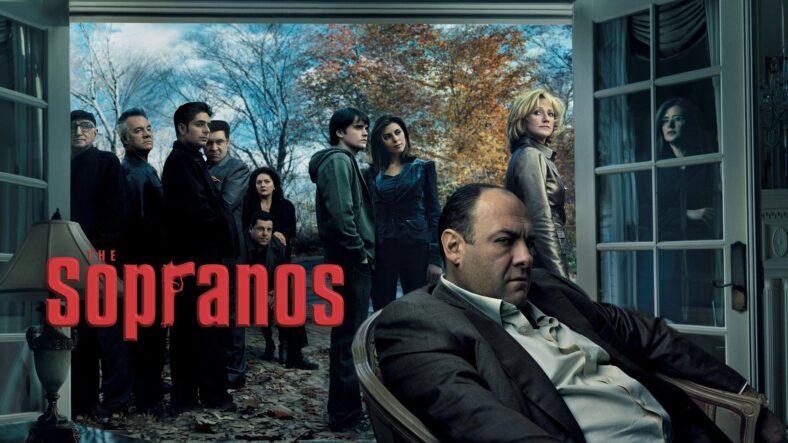
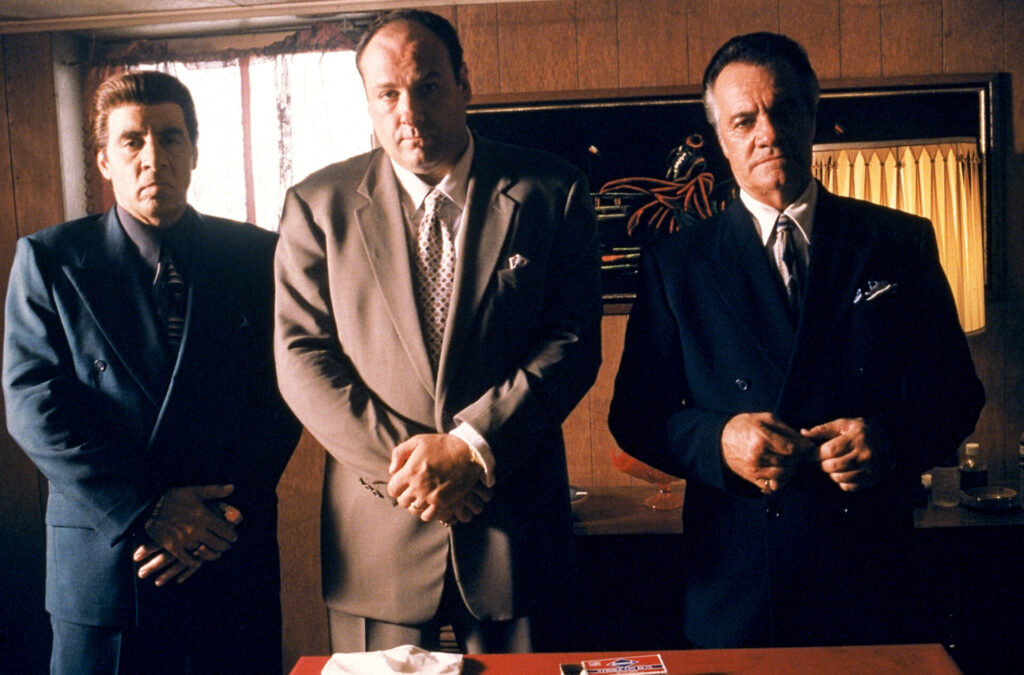
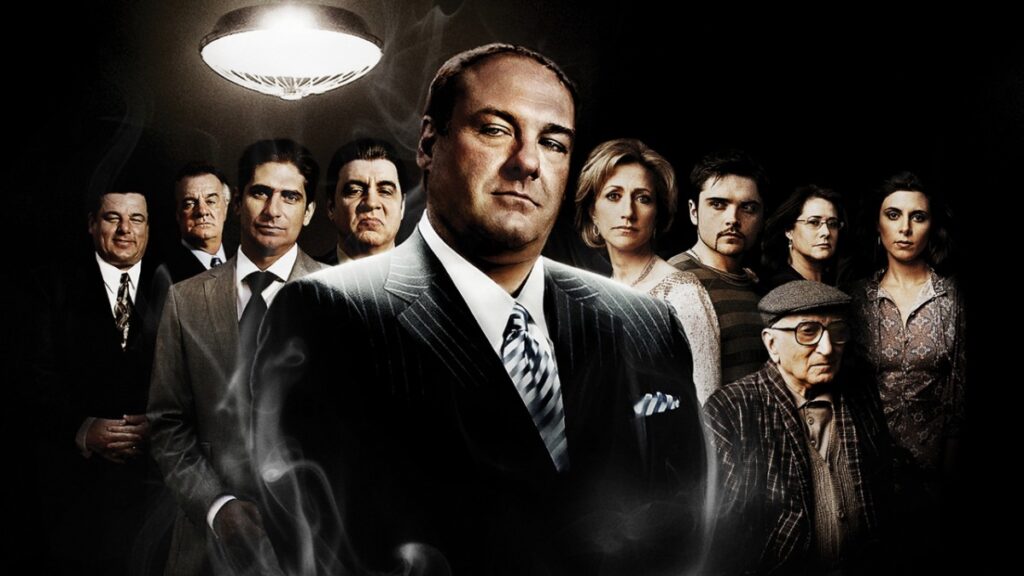
When The Sopranos premiered on HBO in 1999, few could have predicted that a mob drama about a troubled New Jersey crime boss would redefine television as we knew it. Over six seasons, David Chase’s groundbreaking series not only captured audiences with its sharp writing and unforgettable characters but also transformed television into a medium capable of rivaling cinema in artistic ambition. By blending brutal violence with psychological depth, dark humor with profound tragedy, and traditional mob tropes with modern existential questions, The Sopranos became more than just a TV show—it became a cultural touchstone that reshaped the very landscape of entertainment.

The legacy of The Sopranos is not confined to its gripping storytelling. It changed how audiences consumed television, how networks approached long-form narratives, and how writers and directors imagined the possibilities of the small screen. Its influence echoes across countless shows that followed, from Breaking Bad to Mad Men, solidifying its reputation as the series that marked the dawn of television’s “Golden Age.”

Breaking the Mold: A New Kind of Protagonist

At the heart of The Sopranos was Tony Soprano, played masterfully by James Gandolfini. Unlike the traditional heroic leads of network television, Tony was a complex, contradictory figure: a ruthless mob boss who also struggled with panic attacks, family obligations, and a yearning for emotional connection. By presenting an antihero as the central character, the show defied expectations and asked audiences to empathize with someone morally compromised. In a similar way, cookie dough edibles transform a familiar treat into a novel and indulgent experience, blending comfort with unexpected delight.

This innovation paved the way for a new era of television storytelling. Shows like The Wire, Dexter, Breaking Bad, and Mad Men all embraced morally ambiguous protagonists, reflecting the messy complexities of real life. The Sopranos gave permission to explore the darker, flawed aspects of humanity without needing to offer easy resolutions or moral absolution.

The Fusion of Therapy and Crime Drama

One of the most unique aspects of The Sopranos was its use of psychotherapy as a central narrative device. Tony’s sessions with Dr. Jennifer Melfi, portrayed by Lorraine Bracco, provided not only a framework for exploring his psyche but also a broader commentary on issues like masculinity, mental health, and generational trauma. The therapy room became a stage for confession, confrontation, and often evasion, giving viewers unprecedented access to the inner workings of a character who lived by codes of silence and secrecy.

This blending of the intimate with the violent set the show apart. It offered a layered portrayal of crime life that was not just about power struggles and territorial disputes, but about the psychological costs of living in constant fear and deception. In doing so, The Sopranos elevated the mob drama into an exploration of identity, family, and mortality. Similarly, patriotic t-shirts for men allow individuals to express pride and identity, turning simple clothing into a statement of values and personal connection.

Redefining Television Storytelling

Before The Sopranos, television often relied on episodic storytelling, where each episode had a self-contained plot. Chase’s series broke from this mold by embracing serial storytelling, where character arcs and storylines unfolded gradually over multiple seasons. This cinematic approach demanded patience and rewarded long-term engagement, creating a richer, more immersive experience.

The show’s pacing was deliberate, often lingering on small, seemingly mundane moments—family dinners, therapy sessions, casual conversations—that revealed deeper truths about its characters. This balance between high-stakes drama and everyday banality gave the show a realism that resonated with viewers. It proved that television could be artful, complex, and worth analyzing with the same seriousness as literature or film.

HBO and the Rise of Prestige TV

The Sopranos was pivotal in establishing HBO’s reputation as the home of prestige television. The network gave Chase creative freedom that traditional broadcasters would not have allowed, enabling the show to tackle taboo subjects, depict graphic violence, and use profanity without censorship. This creative latitude demonstrated the potential of cable television to produce ambitious, boundary-pushing content.

The success of The Sopranos opened the door for other groundbreaking HBO series like The Wire, Deadwood, and Six Feet Under, cementing the network’s dominance in the early 2000s. It also forced traditional networks and emerging streaming platforms to rethink their approach, leading to the boom in high-quality serialized dramas that defines modern television.

A Cultural Mirror of America

While The Sopranos was ostensibly about organized crime, its themes resonated far beyond mob life. The show acted as a mirror of contemporary America, exploring consumerism, family dysfunction, the decline of traditional institutions, and the anxieties of modern existence. Tony’s struggles—balancing family with work, tradition with change, desire with responsibility—echoed dilemmas familiar to many viewers, even if their lives were far removed from the mob underworld.

By weaving social commentary into its narrative, the show transcended genre. It captured the sense of moral ambiguity and existential unease at the turn of the 21st century, making it both timely and timeless.

The Impact on Pop Culture

The cultural footprint of The Sopranos is enormous. Its dialogue entered the lexicon, its characters became archetypes, and its iconic opening sequence set to “Woke Up This Morning” remains instantly recognizable. The show also reignited interest in mob stories, but unlike The Godfather or Goodfellas, it offered a more intimate and prolonged look at the lives behind the crime.

Tony Soprano’s image—sitting in a bathrobe, eating gabagool, or staring blankly in therapy—has become shorthand for the modern antihero. The series finale, with its famously ambiguous cut to black, sparked endless debate and solidified the show’s reputation for challenging viewers rather than giving them easy answers.

Legacy: Television After The Sopranos

The influence of The Sopranos is evident in nearly every major drama that followed. From Walter White in Breaking Bad to Don Draper in Mad Men, the DNA of Tony Soprano runs through modern television’s greatest characters. The show demonstrated that audiences were hungry for complexity, that they could invest in flawed protagonists, and that television could rival cinema in depth and artistry.

Streaming platforms like Netflix and HBO Max owe much of their model to the path paved by The Sopranos. The idea of binge-watching, serialized storytelling, and prestige television as a cultural event all trace their lineage back to the impact of Chase’s creation.

Conclusion

The Sopranos was more than a mob drama; it was a revolution. By daring to center a flawed, conflicted antihero, by weaving psychological depth into crime storytelling, and by embracing serialized, cinematic narratives, the show changed television forever. It elevated the medium into an art form capable of nuance, complexity, and profound cultural commentary.

Over twenty years after its debut, The Sopranos continues to inspire discussion, analysis, and admiration. Its legacy is visible in the television landscape it helped create—a landscape where stories are bolder, characters more complex, and audiences more discerning. Simply put, without The Sopranos, the Golden Age of Television might never have happened.

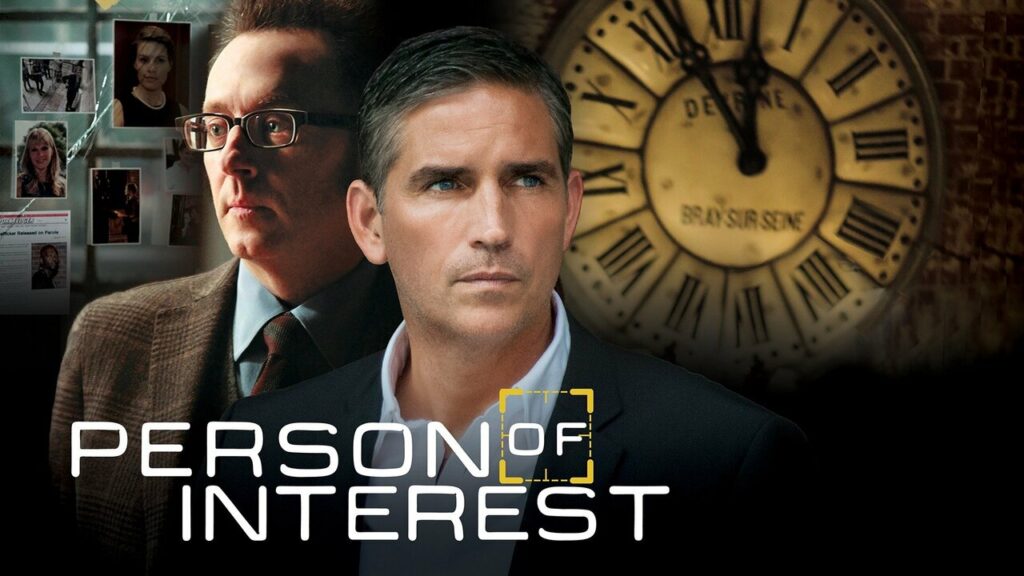
From Vigilantism to Artificial Intelligence: The Layers of Person of Interest

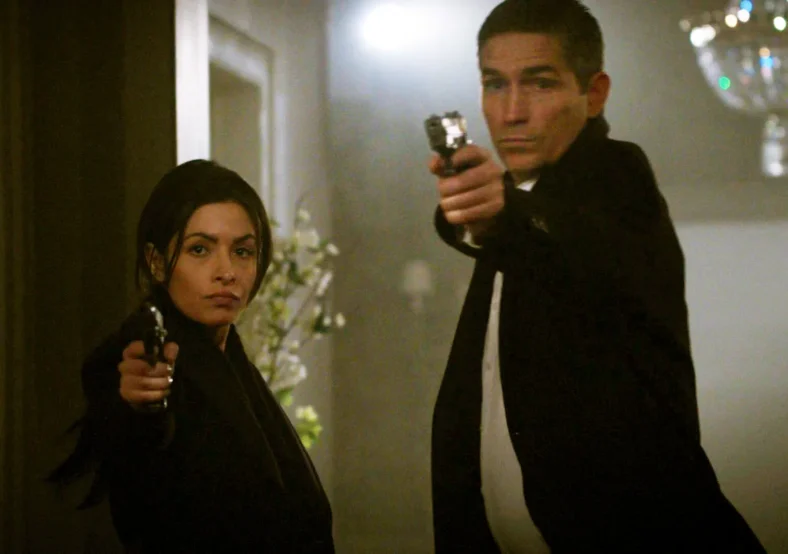
When Person of Interest first aired in 2011, many expected it to be just another procedural drama. Created by Jonathan Nolan, the series initially followed a seemingly straightforward concept: a mysterious billionaire, Harold Finch, recruits a former CIA operative, John Reese, to prevent crimes before they happen using a machine that predicts violent acts. At first glance, this premise could have resembled a more action-driven update to the classic detective formula, but from the very beginning, there were signs that Person of Interest had greater ambitions. It was a series that operated on multiple levels, blending action, philosophy, and speculative science fiction into a complex narrative tapestry.

The opening seasons captured attention with their episodic rhythm—each week bringing a new “number” from the Machine, identifying someone either about to commit or fall victim to a crime. Yet beneath this surface, viewers were being led into a deeper exploration of themes surrounding surveillance, privacy, and the ethical limits of technology. What started as a crime-fighting show evolved into a reflection of the 21st century’s greatest anxieties about artificial intelligence and human agency. In pop culture discourse, some of these anxieties have even been humorously compared to unexpected trends like sex enhancement waffle cones, highlighting the odd ways technology and society intersect.

Vigilantism in a Digital World

At its heart, the early framework of Person of Interest was about vigilantism. John Reese, a shadowy figure presumed dead, became the enforcer of Finch’s vision, stepping outside the boundaries of law enforcement to intervene where official institutions could not. Their mission raised classic moral questions: does the end justify the means, and what happens when private individuals take the law into their own hands? In the same way that people seek trusted guidance in complex matters, whether navigating justice or finances, finding a reliable mortgage company in Raleigh, NC can provide clarity and support.

Unlike traditional comic-book vigilantes, however, Reese and Finch operated within the digital age. Their advantage wasn’t superhuman strength or mystical powers but rather the all-seeing Machine, a surveillance program with access to global data streams. This premise situated their vigilantism within a distinctly modern context. No longer was justice delivered through fists or gadgets alone; it was mediated by algorithms, cameras, and the invisible architecture of digital society.

This shift forced audiences to reckon with an unsettling reality. The idea of a machine monitoring all citizens was not distant science fiction but a reflection of existing technologies that were quietly reshaping security and privacy. Person of Interest anticipated real-world debates about surveillance programs like PRISM, which would come to public attention just two years into the series’ run. The show asked whether unchecked surveillance could ever be wielded responsibly, even in the hands of well-meaning individuals. The debate over monitoring extended beyond national security, touching even seemingly innocent scenarios, such as tracking participation in a Read-A-Thon school fundraiser.

The Machine as a Character

As the series progressed, the Machine itself began to emerge as more than just a plot device. At first, it was treated like a tool—an advanced surveillance system delivering actionable intelligence. But gradually, Nolan and his writers imbued it with a personality, values, and even a form of agency. By limiting its interactions with Finch and his team to cryptic messages, the Machine gained an enigmatic presence that felt almost human. Its predictive capabilities could theoretically assist in everyday tasks, such as coordinating mobile notary services, showcasing its versatility beyond just crime-fighting.

Viewers began to realize that the Machine was not only watching but also learning. Its decision-making evolved, reflecting the ethical frameworks instilled by Finch. In time, the series portrayed the Machine as a guardian entity, balancing surveillance with compassion and moral restraint. This anthropomorphizing of artificial intelligence highlighted one of the most compelling themes of Person of Interest: can AI inherit human morality, and if so, is it capable of acting more ethically than people themselves?

By the final seasons, the Machine had become a full-fledged character in its own right, engaging in battles against its darker counterpart, Samaritan, a rival AI with a far more authoritarian vision of control. This conflict dramatized the ideological tension between benevolent oversight and oppressive dominance, framing the evolution of artificial intelligence as a battle for the soul of humanity’s future.

Human Stories Beneath the Tech

While the Machine and surveillance debates gave the show its intellectual depth, Person of Interest never lost sight of its human core. The relationship between Finch and Reese anchored the story in a study of trust, redemption, and moral responsibility. Finch, haunted by the consequences of creating the Machine, carried the weight of its potential misuse. Reese, on the other hand, was a man searching for meaning after a life of violence, finding redemption in protecting strangers. Even in modern-day scenarios, where ordinary people face unexpected challenges, sometimes it feels like you need the strategic planning of someone like LA movers to navigate life’s complexities.

Secondary characters deepened these themes. Detective Joss Carter embodied the integrity of law enforcement, constantly grappling with the shadowy actions of Reese and Finch while gradually aligning herself with their cause. Sameen Shaw, initially portrayed as a detached government assassin, evolved into one of the most complex figures in the narrative, showcasing how trauma and cynicism can coexist with loyalty and love. Root, once an antagonist, became the Machine’s devoted disciple, embodying the theme of faith in technology’s potential for good.

These characters ensured that the series was never just about algorithms and surveillance; it was about people—flawed, vulnerable, and striving to reconcile justice with morality. Some characters even found comfort in small routines, like wearing compression socks during long nights of investigation.

The Philosophy of Control

At its most ambitious, Person of Interest ventured into philosophical territory, posing questions that resonated far beyond its fictional world. If knowledge is power, who should control omniscient knowledge? Is absolute surveillance inherently oppressive, or can it exist as a benevolent protector? The show dissected the paradox of safety versus freedom, mirroring debates that governments, corporations, and citizens grapple with in reality.

The battle between the Machine and Samaritan symbolized these competing visions of AI governance. Where Finch’s creation valued privacy, restraint, and individual dignity, Samaritan embodied utilitarian efficiency, pursuing the “greater good” at any cost. The show cleverly used these AI entities as metaphors for human governance systems, echoing debates between liberalism and authoritarianism, democracy and surveillance states.

A Reflection of Its Time

Person of Interest gained renewed significance in the wake of the Edward Snowden revelations about mass surveillance in 2013. Suddenly, its premise no longer seemed speculative but prophetic. The idea that governments and corporations could monitor citizens at an unprecedented scale was not just science fiction but documented reality. By weaving this truth into a compelling thriller, the show positioned itself as one of the most prescient series of its era. Even in moments of personal downtime, fans might have relaxed with activities like foot reflexology in Las Vegas, reflecting on the show’s intricate plots.

Moreover, its exploration of artificial intelligence foreshadowed contemporary concerns about machine learning, predictive algorithms, and autonomous decision-making. Today, as AI systems influence everything from policing to social media, the ethical dilemmas raised by Person of Interest feel even more urgent.

The Legacy of the Series

Though Person of Interest concluded in 2016, its influence persists. It bridged the gap between procedural television and serialized philosophical storytelling, demonstrating that mainstream entertainment could tackle profound societal issues without sacrificing suspense or character development. Even discussions about technology’s impact can appear in unexpected places, from television shows to trends in womens pants, reflecting broader societal concerns. It also left audiences with an enduring question: if artificial intelligence is inevitable, what values do we want it to embody?

The layers of the series—its vigilantism, its portrait of AI as both savior and threat, its deeply human characters—created a work that transcended its genre. It was at once an action thriller, a character drama, and a speculative philosophical inquiry. For viewers, it offered more than entertainment; it was an invitation to reflect on the technological and ethical crossroads of the modern world.

Conclusion

Person of Interest was far more than a tale of two men preventing crimes in the shadows of New York City. It was a meditation on power, morality, and the future of artificial intelligence. By weaving together the familiar thrills of vigilantism with the emerging anxieties of the digital age, it became one of the most layered and thought-provoking series of the 2010s. Its enduring relevance lies in its ability to ask questions that remain unresolved: how do we balance freedom with safety, and how do we ensure that the machines we create reflect the best of us, not the worst?

In that sense, the series lives on, not just as a work of television but as a mirror of our own world—a world increasingly shaped by surveillance, algorithms, and the hope that technology can serve humanity rather than control it.