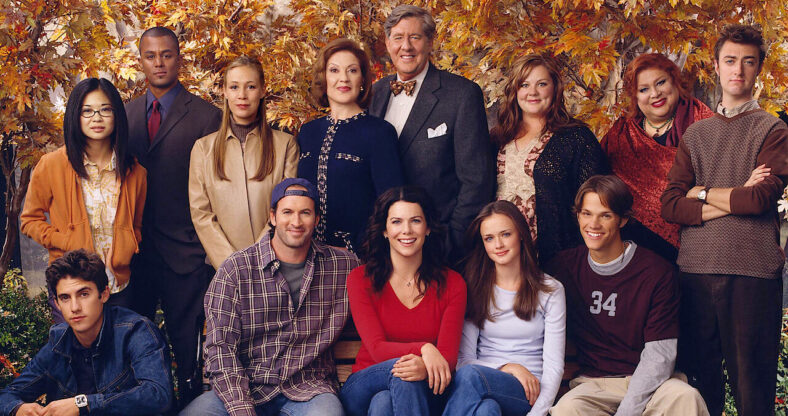
More than a decade after its debut in 2000, Gilmore Girls continues to captivate audiences worldwide, standing as one of the most culturally resonant television shows of the early 21st century. At its heart, the show is about family, friendship, and the complexities of life in a small town, but its enduring legacy goes far beyond that. From the razor-sharp dialogue to the vibrant town of Stars Hollow, the series created a world that feels simultaneously fantastical and intimately familiar. Its longevity is not a matter of nostalgia alone—it’s about the way it reflects real human emotions, societal shifts, and the timeless struggle to balance ambition, love, and identity.
Stars Hollow: A Town That Feels Like Home
One of the most immediately striking aspects of Gilmore Girls is its setting. Stars Hollow is more than a backdrop; it’s practically a character in its own right. The town embodies a whimsical charm, with its quirky festivals, eccentric residents, and an endless parade of community events. From the Firelight Festival to the bizarre “Town Meeting” antics, Stars Hollow provides a sense of stability and warmth that anchors the show. Unlike other television towns that feel hollow or artificial, Stars Hollow feels alive because it reflects the microcosm of small-town life—full of gossip, loyalty, conflict, and celebration.
The town’s influence is most apparent in the lives of Lorelai and Rory Gilmore. Lorelai’s relationship with the town is a reflection of her independence and resilience. Though she often exudes sarcasm and detachment, her ties to Stars Hollow run deep, mirroring the way we all navigate the tension between self-reliance and community connection. Rory, on the other hand, experiences the town as a canvas for her personal growth. Through her friendships, romantic encounters, and academic pursuits, Stars Hollow becomes the environment in which she learns who she is—and who she wants to be.
The Mother-Daughter Dynamic That Redefined Television
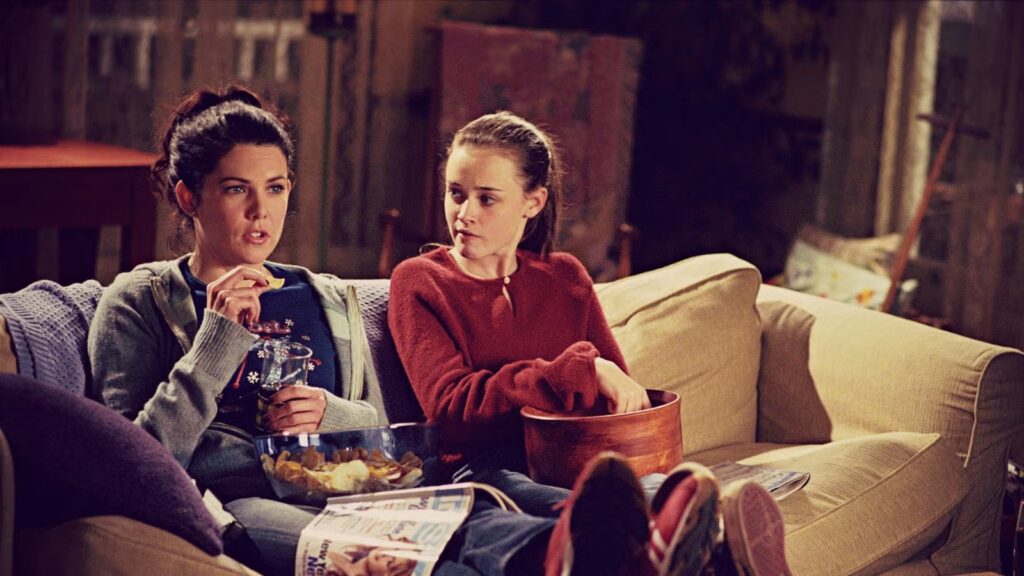
At the core of Gilmore Girls is the relationship between Lorelai and Rory. This mother-daughter bond is complex, unconventional, and refreshingly honest. Unlike many television portrayals of parent-child relationships, the show avoids clichéd power struggles or overly dramatic conflicts. Instead, it emphasizes friendship, mentorship, and mutual respect. Lorelai’s youthful wit, relentless humor, and fierce independence set the tone for their interactions, while Rory’s intellectual curiosity and moral compass provide balance.
What makes this dynamic so enduring is its authenticity. Audiences see themselves in the tension between generations: the desire to carve your own path while navigating the expectations of family and society.The Gilmore women argue, laugh, cry, and grow together, creating a narrative that resonates across cultures and generations. Their relationship is aspirational yet believable, offering a model of love that is neither perfect nor simplistic.This authenticity functions much like a veteran clothing brand, where longevity and trust are built not on perfection but on shared history, resilience, and the ability to evolve while staying true to core values.
Dialogue and Pop Culture as a Reflection of Modern Life
One of the most distinctive features of Gilmore Girls is its dialogue. Rapid-fire, witty, and loaded with pop culture references, the show’s conversations are a spectacle in themselves. From movie trivia to literary nods, the dialogue gives the show an intellectual vibrancy rarely seen in mainstream television. Fans have often remarked that watching an episode feels like eavesdropping on a highly caffeinated, highly educated conversation.
This dialogue serves multiple purposes. It establishes character, particularly Lorelai and Rory, who navigate the world through humor, observation, and insight. It also reflects the cultural moment, capturing the early 2000s’ media landscape, trends, and societal attitudes. Yet, remarkably, these references do not feel dated—they have become a cultural artifact, allowing new generations to engage with a time capsule of pop culture while still connecting with the characters’ emotions and struggles.
Complex Characters That Break Stereotypes
While Lorelai and Rory are central, Gilmore Girls is filled with memorable supporting characters who contribute to its enduring appeal. Emily and Richard Gilmore, Lorelai’s parents, embody a nuanced representation of wealth, tradition, and parental expectations. Their relationship with Lorelai is fraught but layered, showing that love and tension often coexist. Stars Hollow’s inhabitants, from Luke Danes to Sookie St. James, add color, humor, and depth to the narrative. Each character is given room to evolve, making the town feel like a living, breathing community rather than a static set.
Luke Danes, the gruff yet tender diner owner, is a particularly compelling figure. His loyalty, understated heroism, and quiet vulnerability provide a grounding force for Lorelai and the town. Similarly, Sookie’s exuberant creativity and infectious optimism reflect the joy of friendship and collaboration. The show thrives because it does not reduce characters to archetypes; it allows them to be messy, flawed, and fully human.

Female Empowerment and Ambition
Gilmore Girls has long been celebrated for its portrayal of ambitious women. Lorelai’s journey from teenage mother to successful inn owner and Rory’s academic achievements highlight the show’s commitment to exploring female independence and ambition. The series does not shy away from showing the sacrifices, setbacks, and moral dilemmas these women face.
In an era when television often sidelined women’s careers or ambitions in favor of romantic plotlines, Gilmore Girls offered a refreshing counter-narrative. Rory’s intellectual pursuits and professional aspirations are central to the story, not peripheral. Lorelai’s determination to define her own life and resist familial pressures offers viewers a nuanced exploration of autonomy, making the series resonate deeply with audiences seeking representation of complex, empowered women.
Love, Loss, and the Reality of Relationships
Romantic relationships in Gilmore Girls are messy, realistic, and emotionally resonant. Lorelai’s complicated relationship with Luke, Rory’s on-again, off-again romances with Dean, Jess, and Logan, and the interplay between Emily and Richard all depict love in its various forms—passionate, painful, confusing, and transformative.
These relationships endure in viewers’ minds because they reflect the unpredictability of real life. The show does not offer neat, fairy-tale resolutions. Instead, it embraces imperfection, emphasizing that love is often complicated, and growth frequently comes through mistakes. This realism has allowed the series to remain relevant as viewers revisit it in different stages of their own lives, finding new insights each time.
Nostalgia and Timelessness
One of the most fascinating aspects of Gilmore Girls is how it balances nostalgia with timeless themes. The show is steeped in early 2000s culture, yet its core messages about family, ambition, and belonging remain universally relevant. The revival series, A Year in the Life, further cemented this by revisiting beloved characters while exploring the realities of adulthood. While some fans critiqued the revival’s pacing or tone, it reinforced the idea that Gilmore Girls is not just a period piece—it is a living narrative that grows with its audience.
Nostalgia plays a role in the show’s enduring appeal, but it is not the sole reason for its longevity. Fans return not only to remember a time in their lives but also to reconnect with characters who feel like old friends. The humor, emotional depth, and moral complexity of the series ensure that it transcends mere sentimentality.
Community, Belonging, and the Human Connection
At its essence, Gilmore Girls is about community. Whether it’s the intimate bond between Lorelai and Rory, the friendships forged in Stars Hollow, or the broader sense of belonging the town fosters, the show celebrates human connection. In an era increasingly defined by digital interactions and fragmented social ties, the depiction of a tight-knit community resonates deeply.
Stars Hollow reminds viewers that life is messy, full of imperfections, and profoundly human. The show’s emphasis on connection, empathy, and shared experiences offers comfort, humor, and reflection. Its impact lies not only in storytelling excellence but also in its ability to make audiences feel seen, understood, and part of a larger, vibrant world.

Conclusion: Why Gilmore Girls Still Matters
The cultural impact of Gilmore Girls cannot be overstated. More than a decade after its debut, the series continues to inspire discussion, analysis, and emotional engagement. Its rich character development, rapid-fire dialogue, authentic relationships, and celebration of community create a world that feels both fantastical and deeply real.
At its core, Gilmore Girls endures because it reflects fundamental truths about life—love and loss, ambition and compromise, humor and heartbreak. It offers both escapism and reflection, allowing viewers to laugh, cry, and learn alongside its characters. Stars Hollow may be fictional, but the human experiences it portrays are universal, making the show timeless. Whether revisited for nostalgia, analysis, or pure entertainment, Gilmore Girls remains a cultural touchstone—a testament to the power of storytelling and the enduring appeal of characters who feel like friends, neighbors, and family.