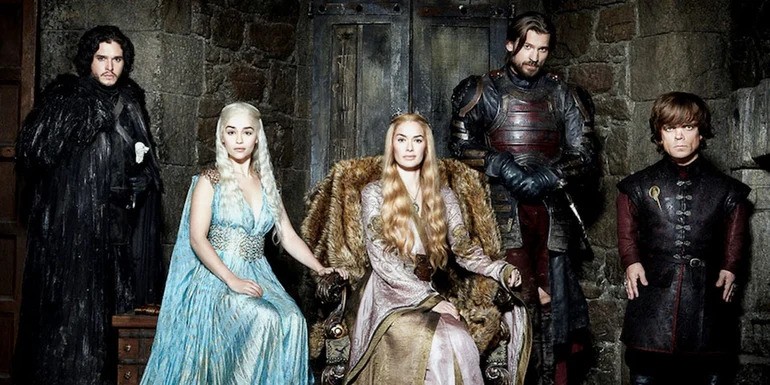
From the very first episode of Game of Thrones, it becomes clear that prophecy is more than a mystical backdrop—it is a force that shapes the decisions, fears, and ambitions of every character who comes into contact with it. The series, while grounded in the cutthroat realism of political maneuvering, constantly reminds viewers that the unseen hand of fate can steer even the most calculated minds. Prophecies, such as Melisandre’s visions of the “Prince That Was Promised” or Maggy the Frog’s prediction for Cersei Lannister, create an intricate tension between belief and skepticism, leaving characters teetering between destiny and free will.
In the political arena of Westeros, prophecy acts as both a weapon and a warning. Stannis Baratheon, for instance, becomes almost tragically consumed by Melisandre’s assurances that he is the prophesied hero. This unwavering faith drives him to decisions that are morally questionable and, ultimately, catastrophic. Similarly, Cersei’s obsession with Maggy the Frog’s foretelling colors her entire life, breeding paranoia and prompting preemptive violence that only hastens the fulfillment of the prophecy she seeks to avoid. Here, Game of Thrones illustrates a core theme: prophecy is not a passive prediction—it is a dynamic force that interacts with human psychology and ambition, often bringing about the very outcomes it foretells.
Magic as an Underlying Current
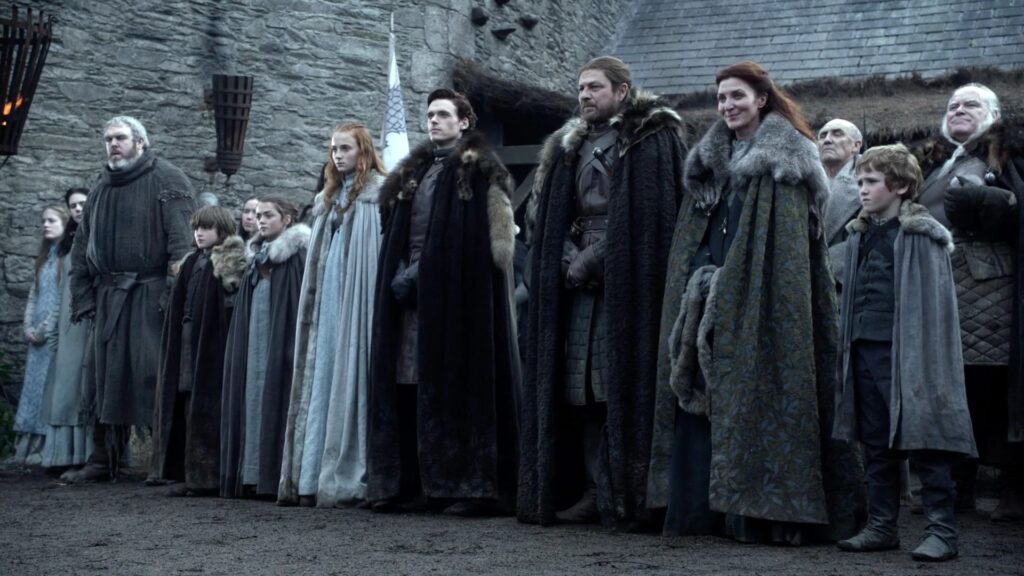
While prophecy exerts a subtle, psychological influence over characters, magic in Game of Thrones operates as a tangible force capable of altering the balance of power. Unlike traditional high fantasy, where magic is abundant and overt, the show treats magic with restraint, granting it a sense of realism and mystery. Dragons, resurrection, shadow assassins, and elemental manipulation are not casual plot devices; they are rare phenomena whose appearance signals seismic shifts in the political landscape.
Daenerys Targaryen’s journey exemplifies the intertwining of magic with political legitimacy. Her dragons are not merely weapons of war—they are symbols of ancient power that demand respect, fear, and allegiance. In a world ruled by intrigue and strategy, the presence of magic introduces unpredictability, reminding both characters and viewers that no amount of scheming can account for forces beyond mortal comprehension. Likewise, the resurrection of Jon Snow by Melisandre blends faith, prophecy, and supernatural power into a single narrative pivot that reshapes alliances, challenges authority, and fuels existential debates about destiny versus self-determination.
Prophecy and Political Manipulation
The genius of Game of Thrones lies in its portrayal of prophecy as a tool that can be weaponized. Political leaders are quick to harness prophecies to legitimize authority or justify actions, blending superstition with strategy. Littlefinger’s manipulation of Sansa Stark and Cersei’s obsession with prophecy demonstrate how belief in destiny can be exploited for personal gain. Characters often use prophecy to rationalize decisions, even when it serves a pragmatic purpose, creating a blurred line between fate and cunning.
The series also explores the consequences of misinterpreting prophecy. Robb Stark’s campaign, for example, is influenced by omens and counsel, yet his eventual downfall underscores the danger of assuming prophecy offers certainty. By juxtaposing the mystical with the political, Game of Thrones crafts a world where magic and destiny are in constant dialogue with human ambition, demonstrating that even the most rigid political calculations are vulnerable to forces beyond comprehension. This blend of fate and human decision-making mirrors real situations where unexpected outcomes require careful guidance, leading many to seek support from a surgical injury lawyer in Florida when medical procedures go wrong.
The Intersection of Magic and Realism
What sets Game of Thrones apart from other fantasy narratives is its careful balance between magical elements and the harsh realities of power. Magic is awe-inspiring but scarce, giving it weight and significance without undermining the gritty, often brutal, realism of political life. A battle is not won solely through dragons or spells—it requires strategy, alliances, and sometimes brutal treachery.
The Wall and the White Walkers serve as the ultimate embodiment of this interplay. While the threat of the undead is fantastical, the series treats it with a methodical, almost tactical lens. Jon Snow’s leadership against this supernatural menace combines careful planning with acceptance of forces beyond his control. Magic in this context is both a narrative spectacle and a reminder that, in Westeros, realism and fantasy are inseparable partners in shaping history.
Prophecy as a Mirror of Human Desire
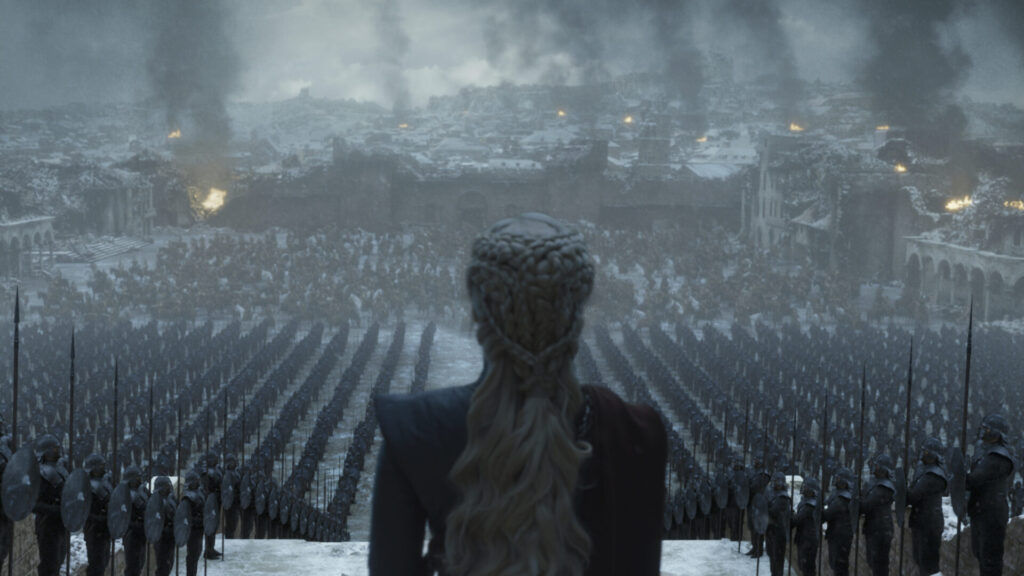
One of the most compelling aspects of prophecy in Game of Thrones is how it reflects human desire, fear, and ambition. Characters interpret visions through the lens of their own needs, often projecting their hopes and anxieties onto ambiguous predictions. Daenerys sees herself as the savior foretold by prophecy, a vision that validates her pursuit of the Iron Throne. Conversely, Cersei perceives prophecy as a threat, compelling her toward ruthless preemption.
This interplay between interpretation and action illustrates a key theme: prophecies are not self-fulfilling in isolation; they become reality through human agency. By focusing on the subjective nature of belief, the show deepens its exploration of morality and psychology, emphasizing that destiny in Westeros is as much a product of choices as it is of fate.
The Psychological Weight of Magic
Magic in Game of Thrones carries immense psychological weight, influencing not only the battlefield but the minds of those who witness or wield it. Melisandre’s shadow assassin embodies fear and awe in equal measure, reshaping the course of events with a single act while leaving lingering uncertainty about the moral cost of wielding such power. Dragons inspire loyalty and terror, altering political calculations in ways that mere armies cannot. The uncertainty surrounding magical forces ensures that characters remain vulnerable to surprise, reinforcing the show’s core principle: power is never absolute.
Magic also amplifies emotional stakes, allowing the series to explore themes of grief, loss, and redemption. Jon Snow’s resurrection is not merely a plot device—it is a moment charged with existential weight, challenging characters to reconcile their understanding of life, death, and duty. By grounding magical phenomena in emotional realism, the series maintains a delicate balance between spectacle and human experience.
Prophecy, Magic, and Moral Ambiguity
Perhaps the most fascinating aspect of prophecy and magic in Game of Thrones is how they underscore the moral ambiguity of its world. Characters often face choices where prophecy suggests one path, while morality or pragmatism suggests another. Stannis Baratheon’s tragic end illustrates the perils of rigid adherence to prophecy, as he sacrifices compassion for destiny, believing in a divine mandate that justifies atrocities. Similarly, Daenerys’ arc demonstrates the tension between liberator and tyrant, with her magical power amplifying the consequences of her decisions. Just as choices and consequences shape outcomes in complex narratives, maintaining safe and appealing spaces requires proactive measures, such as professional concrete cleaning in St. Augustine, FL.
In Westeros, magic does not inherently favor good or evil—it magnifies the intentions of those who wield it. This narrative choice reinforces the show’s realism, presenting a world in which power, whether mundane or magical, is a reflection of human ambition and folly.
The Symbolic Resonance of Magic
Beyond its tactical and psychological functions, magic in Game of Thrones serves a deeply symbolic role. Dragons, fire, and ice are not merely fantastical elements; they symbolize larger themes of destruction, rebirth, and the inexorable march of time. The White Walkers, embodying an ancient and unstoppable force, are a chilling reminder of mortality, inevitability, and the fragility of human constructs. Magic thus enriches the narrative, allowing the series to explore existential questions within a politically charged world.
Prophecy operates in a similar symbolic register, representing the human need to seek order in chaos. By intertwining magic with prophecy, the show reflects on the tension between hope and fear, certainty and doubt, highlighting the ways in which humans attempt to impose narrative meaning on an inherently unpredictable world. Just as prophecy shapes perception and understanding, organizations seek to define their presence clearly, often collaborating with a branding and identity agency to craft a cohesive and compelling image.
Conclusion: A World Where Fantasy and Realism Coexist
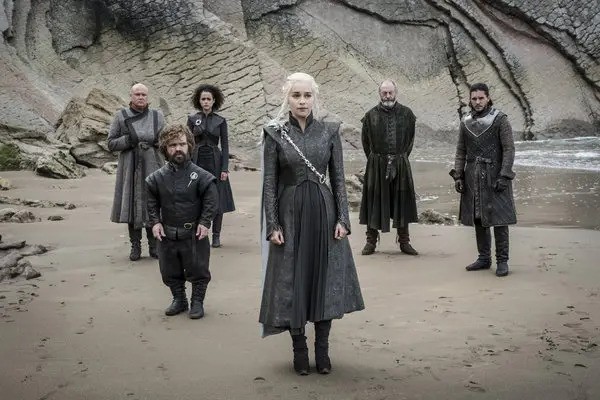
Game of Thrones masterfully blends prophecy, magic, and political realism, creating a universe where the mystical and the mundane are inextricably linked. Prophecies shape choices and fuel ambition, while magic introduces unpredictability and awe, yet both remain grounded in the psychological and strategic realities of power. The series demonstrates that in Westeros, destiny is not a simple line to follow but a web of influence, interpretation, and consequence, where human action and supernatural forces intersect.
By treating prophecy and magic with subtlety and weight, Game of Thrones transcends conventional fantasy tropes. The result is a story that feels emotionally authentic and politically plausible, even in a world where dragons soar, the dead walk, and visions of the future shape the course of kingdoms. In doing so, it creates a rich, immersive tapestry where fantasy meets realism, inviting viewers to ponder not only the fate of Westeros but the enduring tension between belief, power, and human choice.