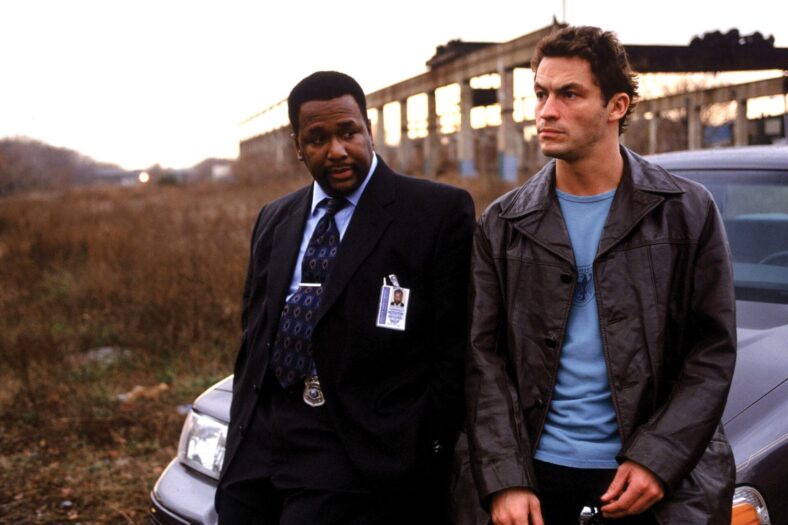
Few television shows have achieved the level of authenticity and narrative depth that The Wire has. Created by David Simon, a former crime reporter for The Baltimore Sun, the series is often celebrated for its unflinching portrayal of urban life, systemic dysfunction, and the gritty realities of Baltimore. Unlike most crime dramas that rely on heightened drama or stylized action, The Wire immerses viewers in a world that feels palpably real. What sets it apart is not just the intricate storytelling or morally complex characters but the city itself. Baltimore is not just a backdrop; it is a fully realized character whose streets, neighborhoods, and institutions shape every story.
Baltimore as a Living, Breathing Entity
From the very first season, it becomes clear that The Wire treats Baltimore as more than a setting. The show captures the textures, rhythms, and contradictions of the city in a way that few other series attempt. The rowhouses, abandoned buildings, and harbor areas are not just scenery—they are markers of history, poverty, and the socio-economic forces that drive the narrative. Viewers feel the city’s pulse through the cinematography: long shots of empty streets, conversations carried out on stoops, and the echoing sounds of distant traffic all create a sense of place that feels tangible.
The realism is enhanced by the decision to film on location. Simon and his team did not rely on studio sets for the majority of the series. By capturing real streets, corners, and public housing projects, the show grounds its narrative in environments that viewers could recognize if they were familiar with Baltimore. This approach contributes to a documentary-like quality, giving audiences the sense that the events unfolding on screen could—and often do—happen in real life.
The Influence of David Simon’s Journalism
David Simon’s journalistic background is central to the show’s authenticity. Before creating The Wire, Simon spent years covering crime, politics, and education in Baltimore. His reporting exposed the intricate failures of institutions that the show later dramatized. This is why The Wire does not simplify the issues it depicts; instead, it portrays the complexity and interconnectivity of systemic problems.
Simon often draws from real-life cases and individuals when shaping characters and storylines. This approach allows the series to capture the nuances of urban life, from the bureaucratic inefficiencies of the police department to the economic desperation of drug dealers. Characters are not caricatures; they are products of their environment, navigating systems that are often stacked against them. In this way, Baltimore is not just a backdrop—it is the source of the characters’ struggles and decisions.
The Streets Tell Stories
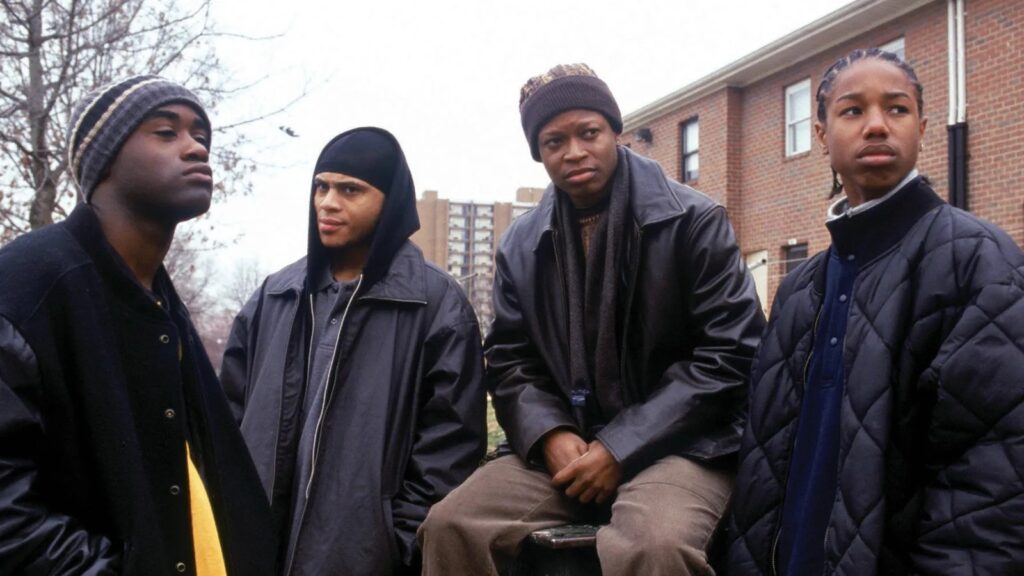
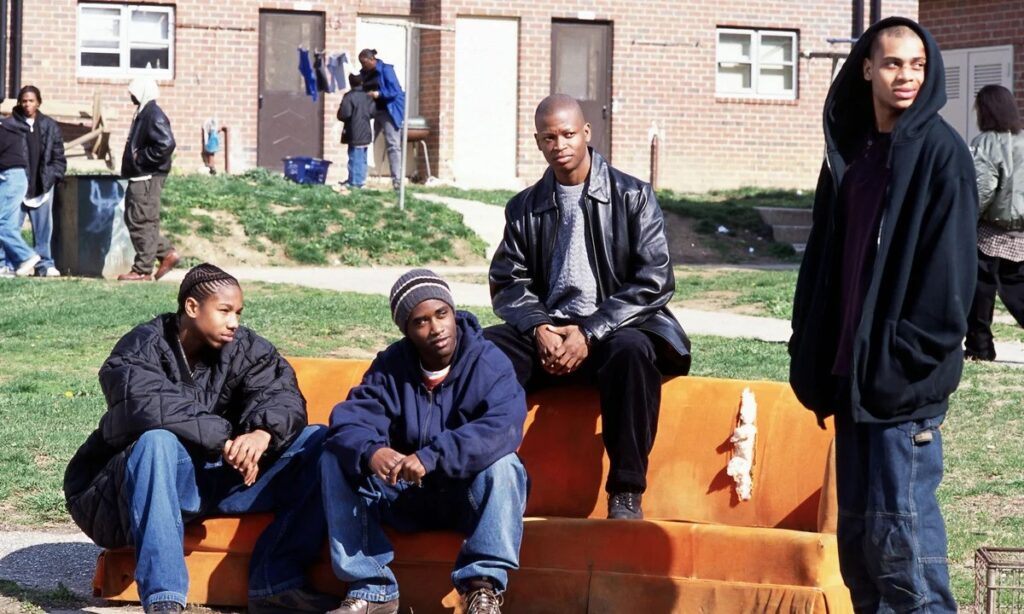
One of the most compelling ways The Wire turns Baltimore into a character is through its street-level perspective. The show spends significant time with drug crews, corner boys, and street-level informants, capturing the microcosm of life in Baltimore’s most affected neighborhoods. These streets are alive with social codes, hierarchies, and unwritten rules. The rhythm of daily life on the corners, the hustle to survive, and the constant negotiation of power all reflect the socio-economic realities of the city.
This street-level storytelling is complemented by the show’s commitment to realistic dialogue. Characters speak in a vernacular that mirrors actual Baltimore speech patterns. This linguistic authenticity makes the city feel alive, reinforcing the idea that viewers are witnessing real lives, not scripted entertainment. The combination of setting, dialogue, and street culture allows the city to shape the narrative organically, influencing how characters act and react.
Institutions as Reflections of the City
The Wire does not limit its realism to the streets. The series also examines institutions as extensions of Baltimore itself. Each season focuses on a different institutional layer: the police department, the drug trade, the port, the city government, and the public school system. In doing so, the show highlights how each institution interacts with the city and its residents, often exacerbating existing problems.
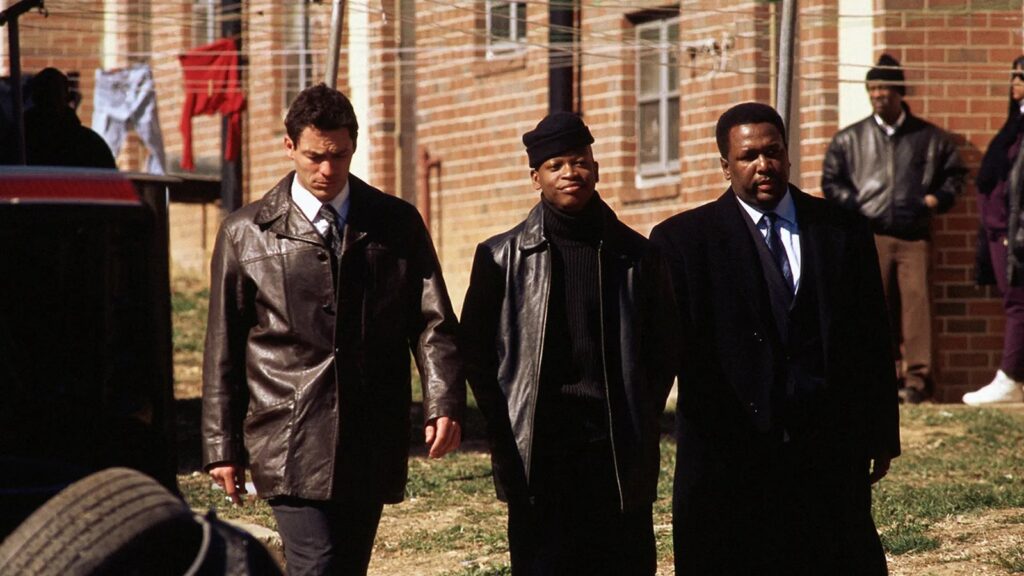
For example, the police department is depicted as a bureaucratic organism, constrained by politics, budget issues, and procedural rules. These institutional limitations impact how officers operate on the streets, demonstrating that individual choices are rarely isolated from systemic pressures. Similarly, city hall and the political sphere are portrayed with layers of compromise, ambition, and public performance, emphasizing that Baltimore’s challenges are as much about governance as they are about crime. Through these portrayals, the show illustrates that the city’s identity is inseparable from the institutions that operate within it.
The Human Dimension of Urban Life
While Baltimore is a structural and geographic presence in The Wire, it is also humanized through its residents. The series does not shy away from the personal toll of poverty, crime, and systemic failure. Characters like Bubbles, a drug addict navigating addiction and survival, or Omar Little, a morally complex stick-up man, illustrate the human consequences of living in a city shaped by inequality. Their struggles are not presented as moral failings but as inevitable outcomes of their environment, reinforcing the idea that Baltimore’s streets and institutions actively mold its inhabitants.
The show also highlights intergenerational cycles, showing how young people growing up in Baltimore inherit both opportunity and limitation. The depiction of schools, recreational centers, and family dynamics emphasizes that the city is not just physical space but a social ecosystem that nurtures and constrains its residents simultaneously.
Cinematic Techniques That Enhance Realism
The realism of Baltimore in The Wire is amplified by deliberate cinematic choices. The show favors long takes, natural lighting, and minimal musical cues, all of which contribute to a documentary-like feel. Unlike traditional crime dramas, the camera does not glamorize violence or sensationalize events; it observes and records. This approach allows the city to speak through imagery, from the decaying industrial zones to bustling markets, creating a visual narrative that parallels the storytelling.
Sound design also plays a critical role in portraying Baltimore as a character. The distant wail of sirens, the chatter on street corners, and the hum of urban infrastructure immerse viewers in the city’s auditory environment. These details may seem minor, but together they construct a living, breathing cityscape, giving Baltimore a presence that rivals any human character on the show.
Social Commentary Embedded in Place
The Wire is not realism for realism’s sake; it is a social commentary grounded in place. The city of Baltimore embodies the show’s critique of systemic neglect, economic disparity, and the failures of public institutions. By portraying the city in such detail, the series encourages viewers to understand that social problems are spatially and institutionally rooted. Poverty, crime, and bureaucratic inefficiency are not abstract concepts—they are lived experiences in specific neighborhoods, streets, and institutions.
Furthermore, the show’s commitment to realism forces viewers to confront the interconnectedness of societal issues. The same streets that harbor drug activity also feed into schools, politics, and media coverage. Baltimore becomes a lens through which the audience can examine how social structures, economic pressures, and human choices intersect in ways that are both compelling and sobering.
Legacy of Authentic Urban Storytelling
The realism of Baltimore in The Wire has influenced countless creators who seek to portray cities with authenticity and depth. Its commitment to accurate representation—social, cultural, and institutional—sets a standard for storytelling that refuses to simplify or sanitize urban life. The series demonstrates that a city can be a central narrative force, shaping stories as profoundly as any character. By making Baltimore a character, The Wire elevates the conversation about what television can achieve in terms of social realism and human empathy.
Conclusion
The Wire stands as a landmark in television precisely because it treats Baltimore as more than a backdrop. The city is interwoven with every character, every plotline, and every thematic exploration. From the streets where corner boys hustle to the hallowed halls of city hall, Baltimore’s presence is omnipresent, shaping decisions, relationships, and outcomes. David Simon’s journalistic lens, combined with on-location shooting, authentic dialogue, and institutional scrutiny, transforms the city into a living, breathing entity that drives the narrative forward. The show teaches us that a city is never neutral—it influences, constrains, and reflects the lives of those within it. In The Wire, Baltimore is not just where the story happens; it is who the story is.