
Introduction
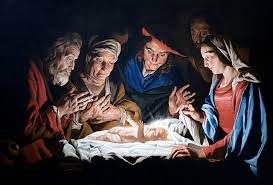
Nativity scenes, also known as crèches or manger scenes, are a beloved and iconic representation of the birth of Jesus Christ. They hold a special place in the hearts of Christians and have been a cherished tradition for centuries. These intricate dioramas, depicting the birth of Jesus in a stable with Mary, Joseph, the shepherds, and the Three Wise Men, carry profound historical and cultural significance. Let’s explore the journey of nativity scenes and their impact on art, religion, and the Christmas season.
Origins and Early Developments
The origins of nativity scenes can be traced back to Saint Francis of Assisi, who is credited with creating the first known nativity scene in 1223. He sought to bring the story of the birth of Christ closer to the people and chose a cave in the Italian village of Greccio as the setting for the scene. Using live animals and real people to portray the holy family and other characters, Saint Francis aimed to foster a deeper spiritual connection with the nativity narrative.
During the medieval period, nativity scenes gained popularity throughout Europe, especially in the form of sculpted figures and paintings. Artisans skillfully crafted elaborate wooden, stone, or ceramic nativity scenes for churches and private use, providing a tangible representation of the nativity story for the illiterate masses.
If you need some outdoor decoration ideas, be sure to check out Outdoor Nativity Sets window decoration store for some beautiful and festive options.
Symbolism and Religious Impact
Nativity scenes are laden with symbolism, each element contributing to the theological narrative of Christ’s birth. The central figures of Baby Jesus, Mary, and Joseph represent divine incarnation, motherly love, and paternal protection, respectively. The presence of the shepherds signifies the inclusion of humble and ordinary individuals in the miraculous event, emphasizing the universality of Christ’s message.
The addition of the Three Wise Men, or Magi, symbolizes the revelation of Jesus to the Gentiles and represents the themes of adoration, offering gifts, and the recognition of Christ’s divinity. These symbols have played a crucial role in reinforcing the Christian faith and have been a source of inspiration, particularly during the Christmas season, reminding believers of the profound meaning behind the festivities.
Cultural Legacy and Global Spread
Over the centuries, the tradition of creating nativity scenes has spread across continents and adapted to various cultural contexts. Different regions have infused their unique artistic styles and materials into the creation of these scenes, making them a true reflection of local customs and traditions.
Nativity scenes have not only maintained their religious importance but have also become an integral part of secular Christmas celebrations worldwide. Families, schools, and communities come together during the holiday season to construct and display these dioramas, fostering a sense of togetherness and joy.
Conclusion
The historical significance of making nativity scenes lies in its ability to connect people with the profound message of Christmas – the birth of Jesus Christ. From its humble origins in 13th-century Italy to its global impact today, nativity scenes have transcended religious boundaries, carrying deep spiritual meaning. These scenes, with their artistic beauty and cultural diversity, not only serve as a visual reminder of the biblical story but also unite communities in celebration of hope, love, and the spirit of giving. As we continue this cherished tradition, we honor its rich history while passing on its enduring message of peace and goodwill to future generations.