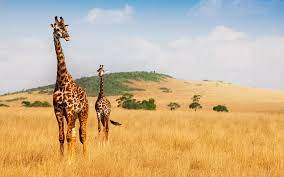
Safaris offer a unique opportunity to witness the breathtaking beauty of the natural world up close, and for photography enthusiasts, they provide a chance to capture wildlife in its most unfiltered form. Whether you’re a seasoned photographer or a novice with a passion for wildlife, these safari photography tips will help you capture stunning images of animals in action, ensuring that your memories of the wild are preserved for a lifetime.
Plan Ahead and Choose the Right Gear
A successful wildlife photography safari begins with careful planning and the selection of the appropriate equipment. Before embarking on your journey, research the location and the animals you expect to encounter. This will help you understand their behavior and habitats, enabling you to anticipate potential photo opportunities.
In terms of gear, invest in a good DSLR or mirrorless camera with a telephoto lens to capture distant subjects. A lens with a focal length of 200mm or longer is ideal for shooting wildlife. Additionally, pack a sturdy tripod or monopod to maintain stability, especially in low light conditions or when using heavy lenses. Don’t forget extra batteries and memory cards to avoid missing crucial moments. And finally, a camera bag designed for outdoor use will help protect your equipment from dust and the elements.
Be Patient and Respectful
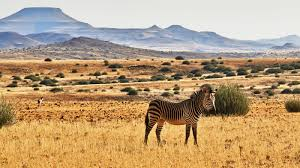
Wild animals are unpredictable, and patience is the key to capturing them in their natural element, whether you’re on Galapagos luxury tours or any other wildlife photography expedition. Once you spot a potential subject, be patient and observant. Wait for the perfect moment to click the shutter. Avoid making sudden movements or loud noises, as this can startle the animals and ruin your chances of capturing them in action. Remember that you are a guest in their environment, so always maintain a respectful distance. Respect wildlife’s personal space and avoid any actions that may disturb or harm them.
Use the Right Camera Settings
To capture wildlife in action, you must use the right camera settings. Start with a fast shutter speed to freeze motion. A setting of 1/500 or faster is often necessary, but it can go higher depending on the speed of the subject. A wide aperture (low f-number) can help isolate the subject from the background, creating a beautiful bokeh. To ensure sharp focus, use continuous autofocus (AI Servo or AF-C) and multiple focus points to track moving subjects. Finally, use a high ISO setting to maintain a fast shutter speed in low-light conditions.
Conclusion
Safari photography is a thrilling pursuit, offering a chance to witness and capture the incredible beauty of wildlife in its natural habitat. By planning ahead, selecting the right gear, exercising patience, and using the right camera settings, you can improve your chances of capturing wildlife in action. Remember to respect the animals and their environment, as ethical wildlife photography is crucial for their preservation.
In the end, it’s not just about the stunning images you capture but also about the memorable experiences and connections with the natural world that will stay with you long after your safari adventure is over. So, pack your camera gear, embark on your safari, and be prepared to capture the wonders of the wild like never before. With these safari photography tips in mind, you’re on your way to creating a gallery of breathtaking wildlife moments that will be cherished for a lifetime.