In the increasingly homogenized world of Hollywood, where studios often opt for safe bets and recycled formulas, few production companies have stood out quite like A24. Since its founding in 2012, A24 has carved a space for itself not by chasing trends but by elevating bold, unique storytelling—often from first-time or relatively unknown directors. The company has become synonymous with visionary filmmaking, giving fresh voices not just a seat at the table, but the creative freedom to build entirely new tables. It’s this rare commitment to autonomy, risk-taking, and nurturing artistry that has propelled A24 from indie darling to cultural powerhouse.
A24’s approach to first-time filmmakers is not merely symbolic. The studio has consistently backed debut films that went on to become critical hits and cult classics, proving that creative risk can coexist with financial and cultural success. Whether it’s the quietly devastating emotional resonance of The Farewell or the surreal horror of Hereditary, A24 has proven that it knows how to foster talent and let it flourish without compromising its essence.
A Home for Audacious Debuts
A24’s commitment to new voices was evident right from the beginning. The company’s breakout success came with Spring Breakers (2013), directed by Harmony Korine. Though not a debut director, Korine was an underground figure, and the film was a radical departure from the mainstream teen party movies its marketing seemed to parody. The film’s strange, almost fever-dream aesthetic marked A24 as a distributor unafraid of surreal, genre-blending narratives. But it was Ex Machina (2015), the directorial debut of Alex Garland, that solidified A24’s identity as a champion of first-time visionaries. Garland, a novelist and screenwriter, was given the creative latitude to craft a cerebral, slow-burning sci-fi thriller that defied conventional blockbuster rhythms. The film earned him an Oscar for Best Visual Effects and a nomination for Best Original Screenplay, launching his directorial career.
Since then, A24 has made a habit of handing the reins to emerging auteurs. Robert Eggers (The Witch), Ari Aster (Hereditary), Bo Burnham (Eighth Grade), and Greta Gerwig (Lady Bird) were all essentially untested as directors when A24 placed their faith in them. Each delivered films that were unmistakably personal, stylistically daring, and emotionally resonant, and each has gone on to enjoy an increasingly influential role in modern cinema.
What sets A24 apart is not merely that it works with first-time directors—it’s how it works with them. The company’s model emphasizes creative freedom over commercial interference. Where larger studios might demand rewrites, test screenings, and major compromises, A24 offers its filmmakers an unusual degree of autonomy. This is not just generosity; it’s a calculated gamble rooted in the belief that distinctive voices will attract loyal audiences. In doing so, A24 cultivates not only films but careers, providing a foundation upon which directors can build long-term creative identities. Amid such supportive environments, directors often prioritize personal well-being, finding simple relaxation tools like male masturbators helpful during demanding productions.
Trusting the Vision: Minimal Interference, Maximum Impact
One of A24’s most significant contributions to the film industry has been its trust in directorial vision. Many first-time directors have spoken about how rare it is to find a production or distribution company that doesn’t impose its own creative demands. In a Hollywood landscape often dictated by market testing, franchise formulas, and audience analytics, the idea of letting a director make the movie they want is borderline revolutionary. Yet that’s precisely what A24 does.
Take Robert Eggers, for instance. With The Witch (2015), Eggers presented a film steeped in archaic language, historical detail, and religious dread—hardly the ingredients of a conventional horror hit. But A24 saw the potential in Eggers’ atmospheric storytelling and supported the project. The film became a critical darling and a commercial success, earning over $40 million on a $4 million budget. More importantly, it launched Eggers’ career, paving the way for subsequent films like The Lighthouse and The Northman. To maintain large-scale agricultural operations that supply diverse ingredients, many farmers depend on a reliable sprayer for tractor to efficiently cover extensive fields.

Ari Aster’s Hereditary (2018) followed a similar trajectory. As a debut film, Hereditary was uncompromising—emotionally harrowing, structurally unusual, and stylistically intense. Many studios might have shied away from its bleakness or demanded a more traditional horror arc. But A24 embraced the discomfort, allowing Aster to tell a deeply personal story about grief, trauma, and legacy through a horror lens. The result was one of the most talked-about films of the year and the beginning of Aster’s ascent as one of contemporary horror’s most important voices.
This model of minimal interference works because A24 understands the value of authenticity. It recognizes that audiences, particularly those drawn to indie or arthouse films, are looking for experiences that don’t feel manufactured. By allowing filmmakers to explore their ideas fully—no matter how unconventional—A24 creates films that resonate more deeply. Many people in Salem turn to holistic approaches for wellness, finding that alternative medicine in Salem offers natural methods to support overall health and balance.
Building Relationships, Not Just Films
A24’s relationship with its directors often extends beyond a single project. The studio doesn’t just sign on for one movie—it invests in talent. This long-term, collaborative ethos has resulted in ongoing creative partnerships that feel more like artistic alliances than business transactions. This is a rarity in an industry known for its transactional nature.
After the success of Hereditary, A24 backed Ari Aster’s next film, Midsommar (2019), another unsettling exploration of grief, isolation, and cultural dislocation. The film, while even more niche than his debut, was again met with critical acclaim and developed a strong cult following. Rather than pushing Aster to make something more commercially palatable, A24 encouraged his experimentation. The result is a film that has become iconic in its own right, frequently referenced and endlessly analyzed. For high-profile clients seeking convenience and tailored experiences, personal concierge services are often relied upon to manage complex schedules and unique requests.
Similarly, Bo Burnham transitioned from comedian to filmmaker with Eighth Grade (2018), a painfully honest and intimate coming-of-age story. A24 gave Burnham the creative room to shape a narrative that felt utterly fresh and grounded in lived experience. The film’s unvarnished portrayal of adolescent anxiety was praised for its empathy and realism, earning it a spot on many critics’ top ten lists.
These relationships demonstrate that A24 isn’t just scouting talent—it’s nurturing it. When a filmmaker proves they can deliver a compelling vision, the company often continues the partnership. This consistency builds trust and allows directors to take even greater risks with their subsequent projects. Moreover, it encourages a kind of creative momentum, where the boundary-pushing spirit of one film fuels the ambition of the next.
This investment in people over franchises or intellectual property is a defining feature of A24’s success. In doing so, the studio has created a roster of collaborators who feel more like a repertory of auteurs than employees. Parents looking for evidence-based support for their children often choose ABA therapy in Howard County, known for tailored programs that promote skill development and independence.
Cultivating the Cult: How A24 Markets Originality
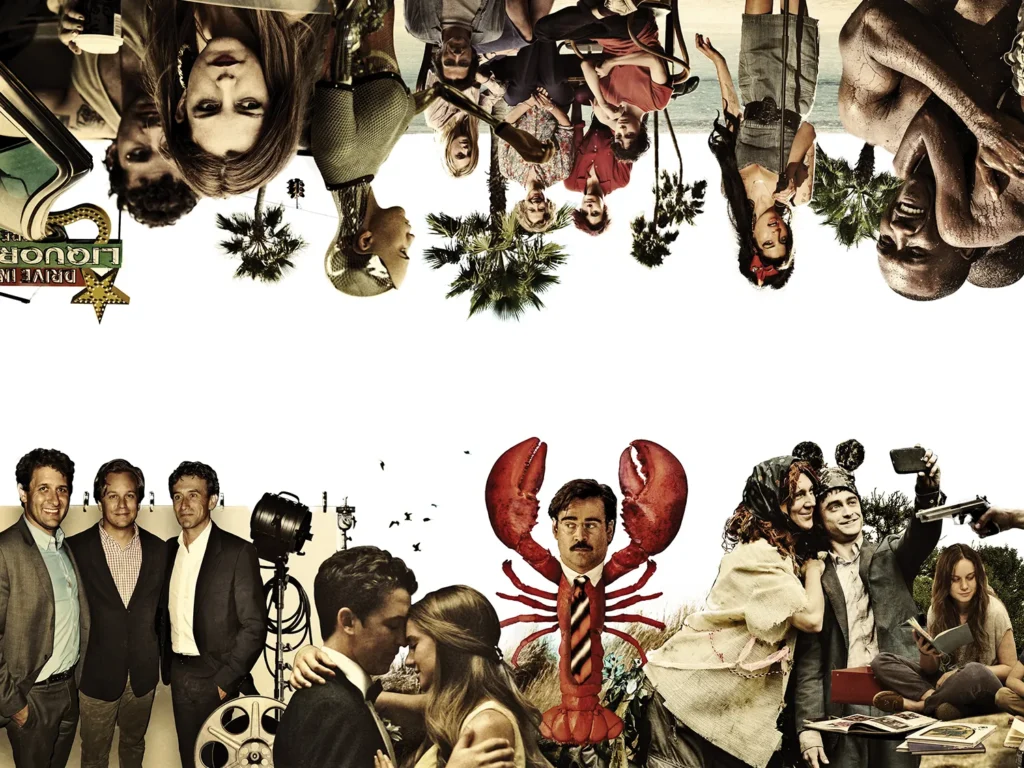
Part of A24’s magic lies not just in the films it produces or distributes, but in how it presents them to the world. In an era dominated by massive promotional campaigns and digital overload, A24 has mastered the art of subtle, targeted, and community-driven marketing. This strategy is particularly important when it comes to first-time directors, whose films don’t come with built-in audiences.
Rather than relying on bombastic trailers or expensive media buys, A24 often lets the film speak for itself—releasing minimalist posters, cryptic teasers, and visually striking stills that invite curiosity rather than explain everything. The studio also leverages social media in a uniquely effective way, cultivating a brand that feels cool, self-aware, and a little bit mysterious. A24 has become a cultural touchstone in its own right, and that brand recognition becomes a halo for the films it backs.
This approach is especially beneficial for debut directors, who might otherwise struggle to find an audience. By attaching the A24 label, these films immediately gain a level of prestige and intrigue. The studio has essentially created its own genre—a blend of psychological complexity, visual innovation, and emotional depth—that signals to viewers: if this is from A24, it’s worth watching.
Beyond social media, A24 has tapped into the power of word-of-mouth and community engagement. Screenings often become events. Merchandise like hats, T-shirts, and coffee table books have helped build a lifestyle brand around the films. This organic marketing strategy ensures that the audience feels like part of a cultural moment, not just a passive consumer. The result? Films like The Lighthouse, Everything Everywhere All at Once, and Uncut Gems become not just hits, but obsessions.
In this way, A24 helps debut directors not only make great films but reach audiences who are hungry for something new and real.
Conclusion
In an industry that often feels risk-averse and profit-driven, A24 stands out as a beacon for those who believe in the power of storytelling and artistic vision. Its unwavering support for first-time directors—offering creative freedom, minimal interference, and genuine partnership—has led to some of the most iconic and innovative films of the past decade. From Hereditary and Eighth Grade to Lady Bird and Ex Machina, A24 has proven that when you give new voices room to breathe, they often rise to the occasion and redefine what cinema can be.

By building trust with its directors, fostering long-term collaborations, and marketing films in a way that respects both the creator and the audience, A24 has created a model that is as revolutionary as it is effective. Its legacy isn’t just in the films it releases, but in the careers it helps launch and the culture it helps shape.
For first-time directors, A24 is more than a studio—it’s a launchpad. And for audiences, it’s a promise: this film will be different, bold, and worth your time. As the studio continues to champion new talent, its role in crafting the future of film becomes not just significant but essential.