Introduction
Living with diabetes requires careful management of blood sugar levels to ensure overall health and well-being. Thankfully, there are several essential medical devices available that can greatly assist individuals in monitoring and controlling their condition. In this article, we will discuss the basic medical devices that everyone who suffers from diabetes should have. These devices are crucial for daily diabetes management and can significantly improve the quality of life for those living with the condition.
Glucometer and Test Strips
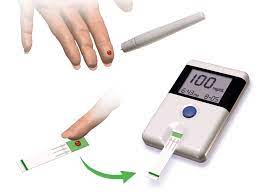
One of the most vital medical devices for individuals with diabetes is a glucometer. This handheld device measures blood sugar levels and provides immediate results, allowing users to monitor their glucose levels accurately. Glucometers are compact, portable, and easy to use, making them essential for daily blood sugar monitoring. Additionally, they often come with a lancing device and lancets to obtain a small blood sample for testing.
Accompanying the glucometer, test strips are an indispensable component. These small disposable strips are inserted into the glucometer, and a tiny blood droplet is placed on the strip. The strip is then analyzed by the device to determine the blood glucose level. It is crucial to have an adequate supply of test strips to ensure regular monitoring and adjustments to medication, exercise, and diet.
If you’ve lost your glucometer or test strips and need them right away, you can get them from the SAM Medical online store and have them delivered to your home.
Insulin Delivery Systems
For individuals with type 1 diabetes or type 2 diabetes requiring insulin therapy, insulin delivery systems are vital tools for managing the condition effectively. The two primary options for insulin delivery are insulin pens and insulin pumps.
Insulin pens are handheld devices that resemble a pen. They are pre-filled with insulin and have a disposable needle attached. The pens allow for precise and convenient insulin administration, with adjustable dosage settings. Insulin pens are portable, discreet, and easy to use, making them a popular choice for individuals who require multiple daily injections.
Insulin pumps, on the other hand, are small devices that deliver insulin continuously throughout the day. The pump is worn externally and is connected to the body via a small tube and a cannula or a patch pump attached directly to the skin. Insulin pumps provide a constant basal rate of insulin and allow for additional bolus doses as needed. They offer flexibility in insulin administration and can help individuals achieve tighter blood sugar control.
Continuous Glucose Monitoring (CGM) System
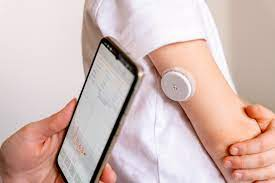
A continuous glucose monitoring (CGM) system is a revolutionary device that offers real-time monitoring of blood sugar levels throughout the day and night. This system consists of a small sensor inserted under the skin to measure glucose levels in the interstitial fluid and a receiver or smartphone app to display the readings.
CGM systems provide individuals with valuable information, including trends, patterns, and alerts for high or low blood sugar levels. This allows for proactive diabetes management, helping individuals make informed decisions regarding insulin dosages, exercise, and dietary choices. CGM systems offer a more comprehensive view of blood sugar control compared to traditional fingerstick testing and can significantly improve diabetes management and reduce the risk of complications.
Conclusion
Managing diabetes effectively requires the use of several essential medical devices. Glucometers and test strips enable regular monitoring of blood sugar levels, while insulin delivery systems such as pens and pumps ensure precise insulin administration. The advent of continuous glucose monitoring systems has further revolutionized diabetes management, providing real-time data and valuable insights. By having these basic medical devices, individuals with diabetes can actively monitor and control their condition, leading to improved overall health and a better quality of life. It is important to work closely with healthcare professionals to determine the most suitable devices and strategies for individual needs and to ensure optimal diabetes management.