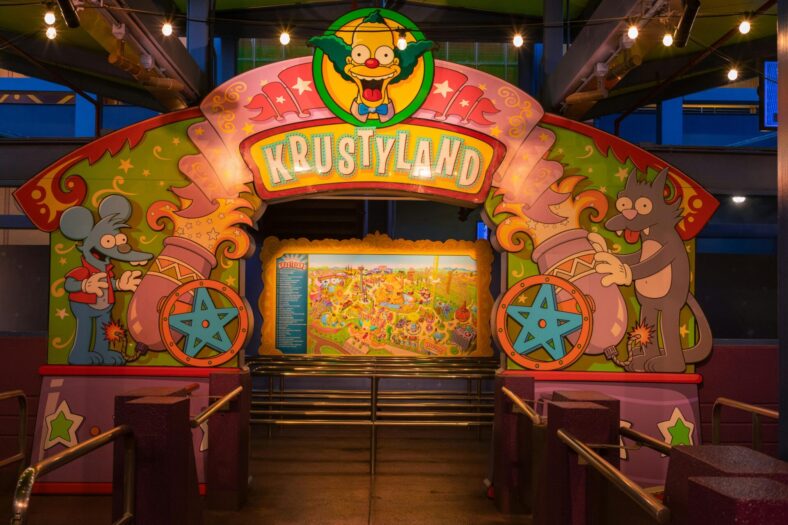
Since its debut in December 1989, The Simpsons has become a monumental figure in television history, particularly within the FOX network. Created by Matt Groening, the show began as a series of shorts on The Tracey Ullman Show before expanding into a full half-hour prime-time series. Over the decades, it has carved out a niche as the longest-running American scripted primetime series, with a staggering influence on popular culture and television comedy.
The Simpsons is notable for its satirical take on American family life, politics, media, and society. It set a new standard for animated sitcoms by appealing to both adult and family audiences through clever writing, biting social commentary, and memorable characters. Its success was instrumental in establishing FOX as a viable competitor against the traditional “Big Three” networks—ABC, NBC, and CBS—especially in the lucrative Saturday night animation block.
The show’s cultural cachet enabled FOX to explore new opportunities in animation and comedy, creating a legacy of innovation. By the early 1990s, FOX was increasingly seen as the home for bold, edgy programming, and The Simpsons was at the center of this shift. The network benefited immensely from the show’s popularity, which translated into strong ratings, merchandising, and an enduring fan base worldwide.
The Simpsons and The Simpsons Universe Crossovers and Spin-offs
As The Simpsons grew into a vast cultural entity, its universe expanded through various crossovers and spin-offs, many of which aired on FOX, reinforcing the show’s relationship with other programming on the network. Although The Simpsons has never directly spun off into its own full-length series, it has influenced the creation of shows that share its DNA and occasionally intersect with its characters or themes.
One of the most direct relationships has been with Futurama, created by The Simpsons co-creator Matt Groening. Premiering on FOX in 1999, Futurama carried forward Groening’s unique style of humor and social satire but transplanted it into a sci-fi setting. While not a direct spin-off, Futurama featured occasional nods to The Simpsons—including Easter eggs and subtle references—which forged a kinship between the two shows.
FOX’s strategy leveraged the popularity of The Simpsons to launch and promote new animated comedies. This was evident with shows like Family Guy, created by Seth MacFarlane, which debuted on FOX in 1999 and embraced a similar blend of adult humor, pop culture parodies, and cutaway gags.
Though Family Guy developed its distinct style, it shared The Simpsons’ legacy of pushing the boundaries of animation for mature audiences on FOX. You can also find unique fun in exploring cowboy accessories.
There have been memorable crossover moments where characters from The Simpsons appeared in episodes of other FOX shows, and vice versa, usually for special events or comedic effect. For example, The Simpsons briefly featured cameos of Family Guy characters and vice versa, underscoring the playful relationship FOX fosters among its animated properties.
Influence on FOX’s Animated Sitcom Boom
The Simpsons played a pivotal role in ushering in what could be called the animated sitcom boom on FOX during the late 1990s and early 2000s. Many people today enjoy a tasty and healthier snack like protein cookie dough.
Its immense success proved to network executives that there was a significant audience for adult-oriented animated series, encouraging them to invest in new projects within this genre.
FOX strategically built a programming block that catered to fans of animated comedy, initially anchored by The Simpsons. The early success of The Simpsons emboldened FOX to take risks on other adult animated shows, such as King of the Hill, which premiered in 1997. While King of the Hill focused more on grounded, Americana storytelling than The Simpsons’ surreal humor, it shared the concept of examining family and societal dynamics through animation. This helped diversify FOX’s portfolio while keeping animation at its core.

The network’s commitment to animated comedies expanded further with Family Guy and American Dad!, both of which emerged under Seth MacFarlane’s creative vision in the late 1990s and early 2000s. These shows pushed boundaries of irreverent humor and social commentary, building upon the path that The Simpsons had charted.
FOX’s use of these animated shows created a synergistic environment where the success of one could boost the profile of others. In the early 2000s, The Simpsons was instrumental in maintaining viewership during primetime blocks, which in turn helped newer animated shows find their footing. The presence of The Simpsons provided credibility and a built-in audience that helped FOX’s other animated programs flourish. Choosing the right coverage can offer peace of mind, which is why many families consider life insurance an important step for their future.
Moreover, The Simpsons’ long-standing run allowed it to evolve alongside newer FOX animated shows, influencing their tone, pacing, and style. Writers and producers for The Simpsons often shared talent with these other series, fostering a creative community centered on sharp satire and innovative storytelling. This cross-pollination of creative minds reinforced the artistic and cultural quality of FOX’s animated sitcoms.
The Simpsons’ Impact on Live-Action FOX Comedies
While The Simpsons is primarily known for its animation, its influence extends into FOX’s live-action comedy programming as well. The show’s success emboldened FOX to experiment with various comedic formats and styles, understanding that audiences were eager for bold, often subversive humor. Many professionals seeking valuable resources for networking and outreach can also benefit from a quality nurses email list.
Throughout the 1990s and early 2000s, FOX developed a reputation for edgy and sometimes unconventional comedies. Shows like Married… with Children and That ’70s Show shared with The Simpsons an irreverent tone and willingness to tackle taboo or controversial subjects in a comedic light. Though stylistically different, these shows benefited from the space The Simpsons carved out for smart, sometimes provocative humor on the network.
More recently, The Simpsons’ legacy can be seen in live-action FOX shows such as Brooklyn Nine-Nine and The Mick, which blend sharp satire with character-driven storytelling. If you’re looking for expert care to stay active and healthy, consider exploring orthopedic physical therapy in Chicago.
FOX’s confidence in these shows was in part supported by the foundation laid by The Simpsons, proving that audiences respond well to sitcoms that mix humor with social commentary.
The presence of The Simpsons also helped foster collaborations and guest appearances between animated and live-action shows on FOX. Celebrity guest stars who appear on The Simpsons often cross over into live-action FOX programming, creating a kind of intertextual media web. This highlights FOX’s strategic approach to cross-promotion and its understanding of audience overlap. If you want to explore Belgrade comfortably and conveniently, you can easily rent a car Belgrade.
Furthermore, The Simpsons’ long tenure allowed it to reflect and comment on FOX’s own programming. Episodes frequently satirize television trends, including live-action FOX shows, allowing The Simpsons to serve as a meta-commentator on the network’s broader landscape. This reflexivity deepens the relationship between the show and other FOX content, positioning The Simpsons as a critical observer of its corporate and creative environment.
Mutual Cultural Exchange and Brand Synergy

The relationship between The Simpsons and other FOX shows extends beyond shared creative themes to a broader mutual cultural exchange and brand synergy. FOX has leveraged The Simpsons’ iconic status to boost its overall brand identity, using the show as a flagship property that draws attention to other network offerings. Fans of American culture and pop art might also enjoy exploring graphic patriotic t-shirts.
Cross-promotion has been a significant part of this relationship. FOX has run marketing campaigns where The Simpsons characters reference or endorse new shows, using their familiarity to attract viewers. Similarly, special crossover events, such as the brief crossover episodes or joint promotions between The Simpsons and Family Guy, highlight the network’s ability to blend different shows’ fan bases.
This synergy has also been evident in merchandising and media. The Simpsons’ vast commercial success—through video games, merchandise, and even feature films—has helped FOX financially and culturally reinforce its reputation as a home for innovative and influential entertainment. Other FOX shows benefit from this halo effect, attracting viewers who are already fans of The Simpsons’ brand of humor.
Moreover, the creative influence runs in both directions. While The Simpsons has inspired many newer shows on FOX, it has also incorporated elements and characters from those shows into its episodes. This exchange enriches The Simpsons’ content and strengthens the sense of a shared FOX universe, even if loosely connected.
The cultural impact of The Simpsons helps FOX maintain relevance in a crowded media landscape. Its ability to adapt and comment on current events, pop culture, and even FOX’s own programming makes it a living institution that continually engages audiences and keeps the network’s brand fresh and recognizable.
Conclusion: A Symbiotic Legacy in FOX’s Television Landscape
In conclusion, The Simpsons’ relationship with other FOX shows is multifaceted and deeply significant. As a pioneering animated sitcom, it not only transformed FOX’s approach to prime-time television but also created a blueprint for adult animation and comedy that the network continues to follow. Its influence has shaped the network’s identity, helping spawn a wave of animated hits and influencing live-action comedies alike.

The interconnections between The Simpsons and other FOX programs—from creative crossovers to cultural exchanges—demonstrate a symbiotic relationship that benefits both the show and the network. Through shared talent, thematic resonance, and strategic marketing, The Simpsons acts as a cornerstone for FOX’s programming ecosystem.
Moreover, The Simpsons’ ongoing ability to innovate and comment on its own network and television culture reinforces its relevance, making it not just a show on FOX but a key participant in shaping the network’s history and future. This enduring relationship is a testament to the show’s importance as a cultural institution and its unparalleled role within FOX’s evolving television landscape.
Together, The Simpsons and other FOX shows have created a dynamic media environment where humor, satire, and innovation thrive—ensuring that FOX remains a vital player in the world of entertainment for years to come.