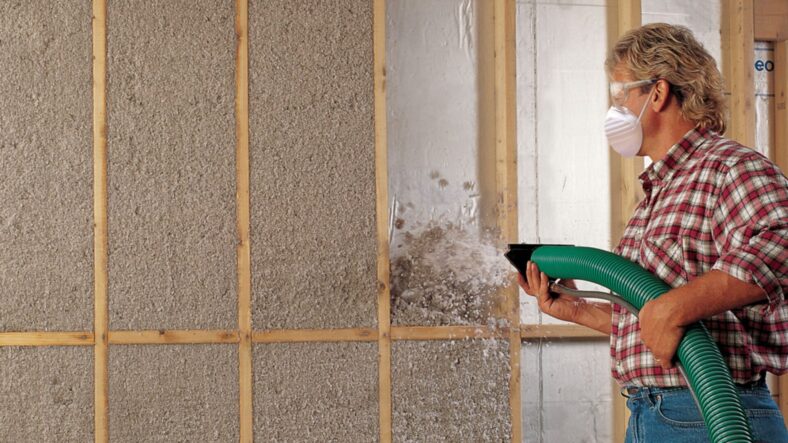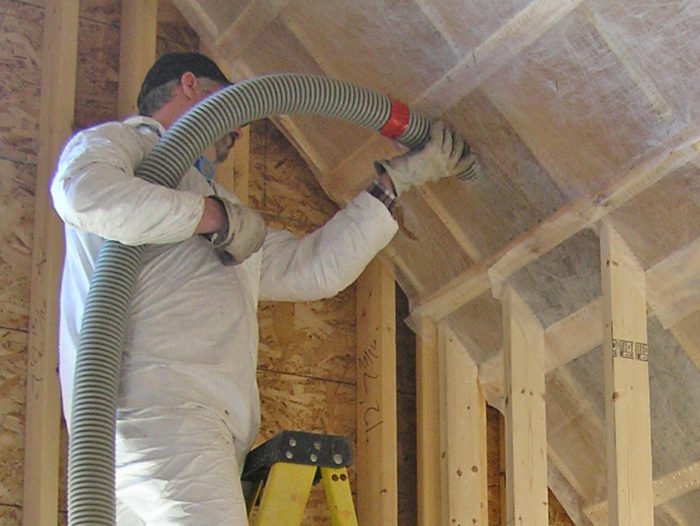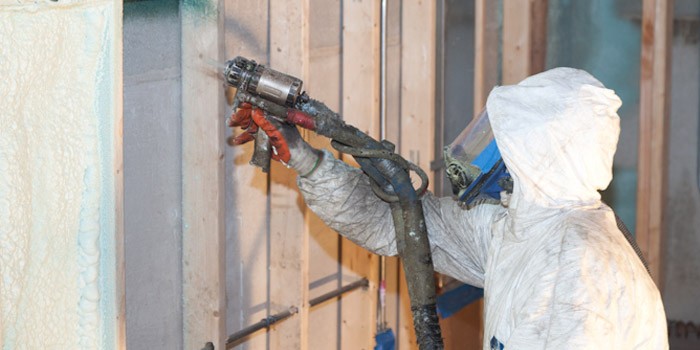
When it comes to insulating your building, choosing the right material is crucial for energy efficiency, comfort, and long-term savings. Two of the most common insulation materials are spray foam insulation and fiberglass. Both have their own unique benefits and drawbacks, making it important to evaluate which option best suits your building’s needs. In this blog, we’ll compare spray foam insulation and fiberglass to help you make an informed decision.
Efficiency and Performance
One of the most important factors when choosing insulation is its effectiveness in creating an airtight seal and maintaining temperature control.
Spray foam insulation is known for its superior performance in creating an airtight barrier. It expands when applied, filling gaps and cracks that are often left open by traditional insulation materials like fiberglass. This provides better protection against air leaks, drafts, and moisture infiltration, which can significantly reduce your energy costs over time. Spray foam also has a higher R-value per inch, meaning it provides greater insulation per unit of thickness, making it highly effective even in tighter spaces.
On the other hand, fiberglass insulation, while still effective, does not create an airtight seal. It works by trapping air in its fibers, but it doesn’t expand to fill gaps, which can lead to air leakage. In terms of R-value, fiberglass usually has a lower rating compared to spray foam, meaning more material is often required to achieve the same level of insulation. However, fiberglass is still a popular choice for insulating walls and attics because of its affordability and ease of installation.
Cost and Installation
The cost of insulation is always a major consideration for homeowners and builders.
Fiberglass insulation is typically the more affordable option. It comes in pre-cut batts or rolls and is relatively easy to install, which can save on labor costs if you choose to do it yourself. Fiberglass is widely available and has been a go-to insulation choice for decades due to its low upfront cost. However, because it’s less efficient than spray foam, you may face higher energy costs in the long run.
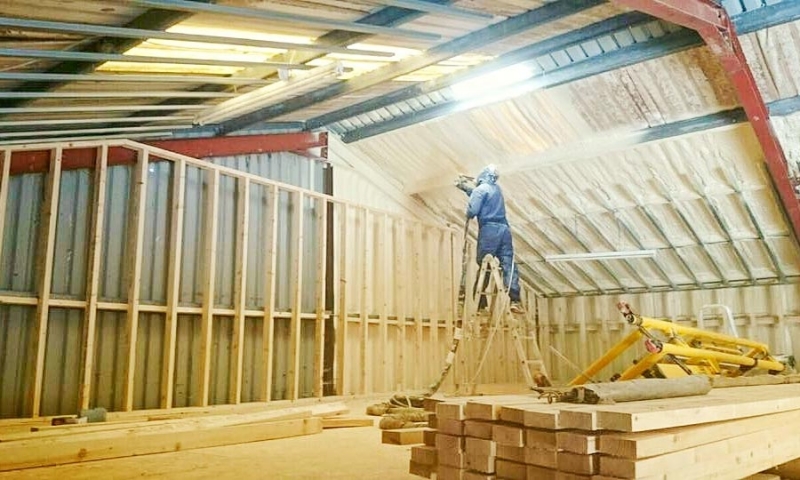
Spray foam insulation, while more expensive upfront, often pays for itself over time through energy savings. The installation process is more complex and requires professional expertise, which adds to the cost. The material itself is pricier, but because it offers better insulation, you can often use less of it. Additionally, spray foam can last longer than fiberglass, meaning fewer repairs or replacements over time, which can also save money in the long term, additionally, you can use it for a lot of things, such as spray foam attic insulation in NY.
Longevity and Maintenance
The longevity of your insulation is another key factor in deciding which material to choose.
Spray foam insulation typically lasts longer than fiberglass. Once applied, it hardens and remains in place, maintaining its effectiveness for decades without sagging, settling, or deteriorating. It also acts as a moisture barrier, preventing issues like mold and mildew, which are common concerns in buildings with poor insulation.
Fiberglass, while durable, can lose its effectiveness over time, especially if it becomes compressed or wet. Moisture can damage fiberglass, leading to mold growth and reduced insulation performance. Additionally, it may need to be replaced more frequently than spray foam, particularly in areas with fluctuating temperatures or high humidity.
Conclusion: Which Insulation Is Right for Your Building?
Both spray foam insulation and fiberglass have their merits, and the right choice depends on your specific needs, budget, and goals. If you’re looking for the most energy-efficient, long-lasting insulation, spray foam is likely the better option despite its higher initial cost. However, if you’re working with a tight budget or need a quick, easy-to-install solution, fiberglass may be a more practical choice. Ultimately, understanding the unique requirements of your building will help you make the best decision for insulation, energy savings, and long-term comfort.