Tag: Shrimpy

The Best Type of Aquarium Shrimp: An In-Depth Look

Aquarium shrimp have become increasingly popular among aquatic enthusiasts due to their vibrant colors, intriguing behaviors, and ability to help maintain tank cleanliness. Among the wide variety of shrimp species available, three types stand out as exceptional choices for aquarium hobbyists: Neocaridina, Caridina, and Amano shrimp. This essay explores these species, highlighting their unique characteristics, care requirements, and benefits to aquarium ecosystems.

Neocaridina Shrimp: The Beginner’s Delight

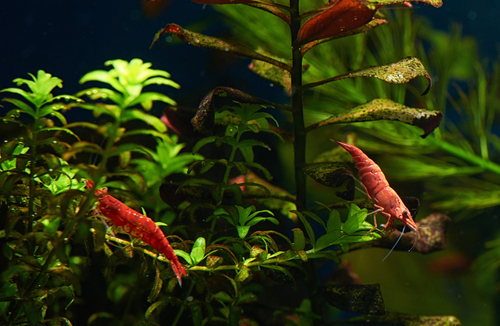
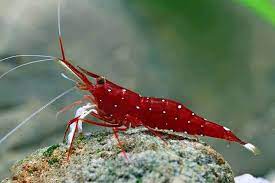
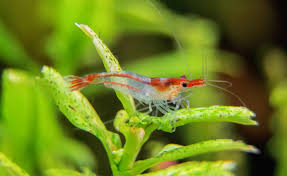
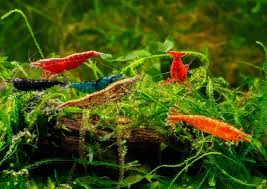
Neocaridina shrimp, particularly the Red Cherry Shrimp, are renowned for their vivid colors and ease of care. These shrimp are perfect for beginners due to their hardy nature and ability to thrive in a wide range of water conditions. They are highly adaptable, tolerating temperatures between 65-80°F and pH levels from 6.5 to 8.0.

Red Cherry Shrimp are prolific breeders, which means that under optimal conditions, they can quickly populate an aquarium. Their diet is versatile, consisting of algae, biofilm, and commercially available shrimp food. These shrimp also play a crucial role in keeping the tank clean by consuming detritus and algae, making them an essential part of a balanced aquarium ecosystem.
Caridina Shrimp: The Advanced Enthusiast’s Choice

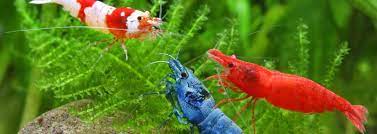
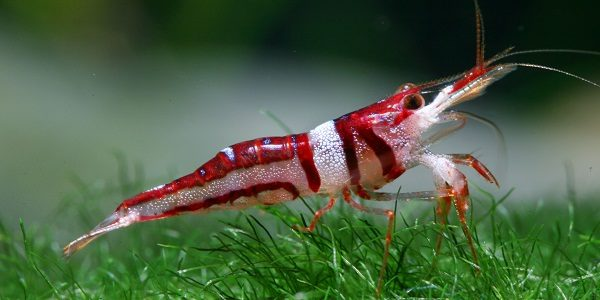
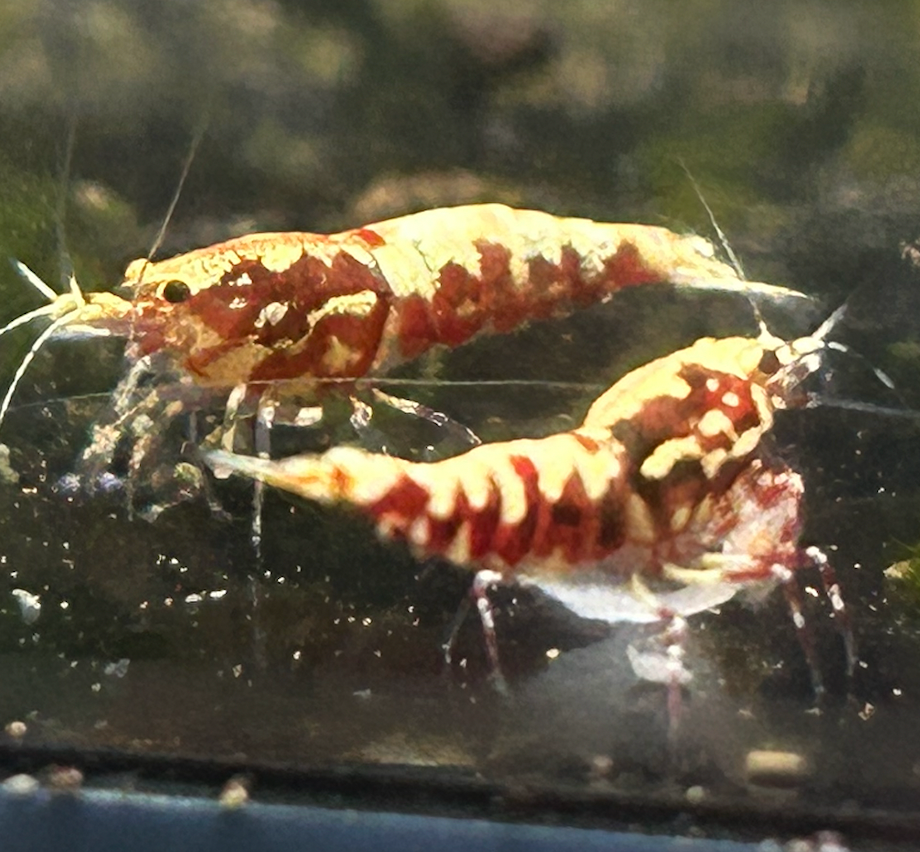
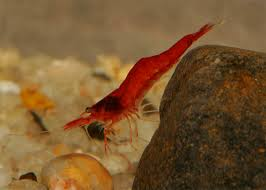
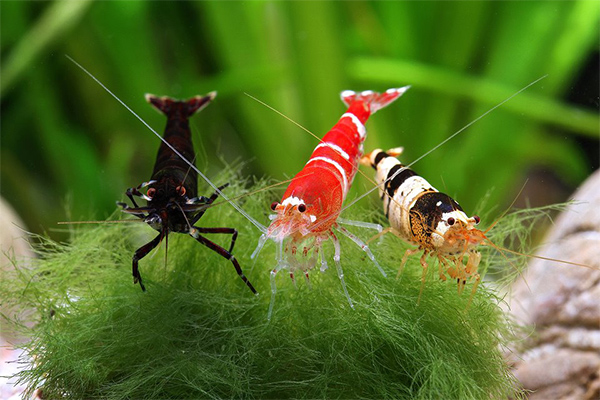
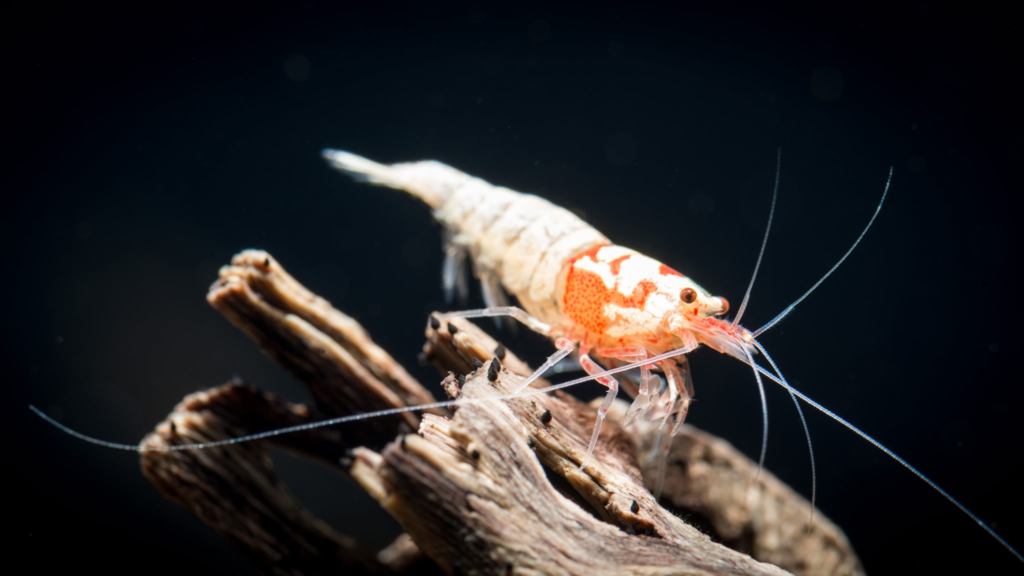
Caridina shrimp, such as the Crystal Red Shrimp, are prized for their striking patterns and colors. Unlike Neocaridina shrimp, Caridina species require more specific water parameters, making them better suited for experienced aquarists. They thrive in soft, slightly acidic water with a pH between 6.0 and 6.8 and temperatures around 70-78°F.

Crystal Red Shrimp are more sensitive to water quality and changes, necessitating a well-established and stable aquarium environment. Despite their higher maintenance needs, these shrimp reward keepers with their stunning appearance and fascinating behavior. Their diet includes high-quality shrimp pellets, blanched vegetables, and biofilm, ensuring they receive the necessary nutrients for vibrant coloration and health. Incorporating live aquarium plants can further enhance their habitat and support their overall well-being.

Amano Shrimp: The Algae-Eating Workhorse

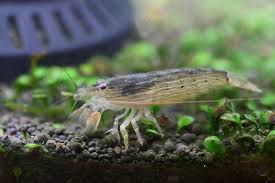
Amano shrimp, scientifically known as Caridina multidentata, are celebrated for their exceptional algae-eating capabilities. These shrimp are larger than most ornamental shrimp, reaching up to 2 inches in length, and are highly effective in controlling algae growth in aquariums. Their diet primarily consists of various types of algae, detritus, and leftover fish food.

Amano shrimp are relatively easy to care for, making them suitable for both beginners and experienced aquarists. They prefer water conditions with a pH of 6.5 to 7.5 and temperatures ranging from 68-80°F. Due to their non-breeding nature in freshwater, Amano shrimp populations remain stable, reducing the risk of overpopulation in the aquarium.

Conclusion

In conclusion, the best type of aquarium shrimp depends on the aquarist’s experience level and the specific needs of their tank. Neocaridina shrimp are ideal for beginners due to their hardiness and adaptability, while Caridina shrimp offers a rewarding challenge for advanced hobbyists with their stunning patterns and precise care requirements. Amano shrimp, with their exceptional algae-eating abilities, are a valuable addition to any aquarium, helping to maintain a clean and balanced environment. By carefully selecting the right shrimp species, aquarists can enhance the beauty and health of their aquatic ecosystems, enjoying the many benefits these fascinating creatures provide.
Creating a Harmonious Community: Compatibility of Aquarium Shrimp with Other Tank Inhabitants

Aquarium shrimp are fascinating creatures that can make wonderful additions to a community tank. Their small size and peaceful nature often make them compatible with a wide variety of aquarium inhabitants. However, it’s important to consider their specific requirements and behaviors to ensure they coexist harmoniously with other tank mates.

Size Compatibility

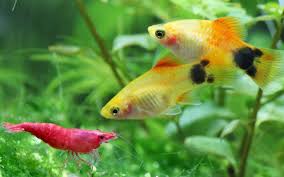
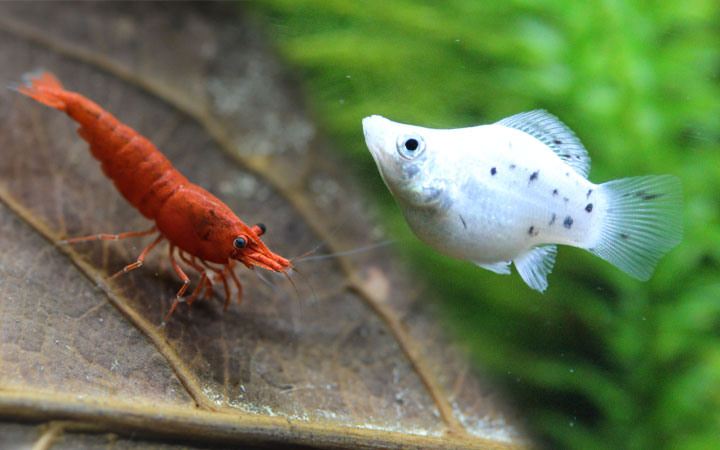
One of the primary considerations when keeping aquarium shrimp with other inhabitants is size compatibility. Shrimp are generally small and can be vulnerable to larger fish that may see them as potential prey. Therefore, it’s advisable to avoid keeping shrimp with species known for aggressive behavior or those that are large enough to swallow them. Small and peaceful fish species such as tetras, rasboras, and small livebearers (like guppies or endlers) are usually safe companions for shrimp. These fish are unlikely to harm shrimp and may even help create a harmonious ecosystem by cleaning up leftover food.

Temperament and Behavior

Shrimp are peaceful invertebrates that spend much of their time foraging and scavenging on the aquarium floor and decorations. They are generally non-aggressive towards other tank inhabitants and prefer environments with plenty of hiding places. Fish that are known to be nippy or aggressive can stress out shrimp, potentially leading to health issues or even fatalities. Avoid species like certain cichlids, barbs, or large aggressive tetras when planning a shrimp tank. Instead, opt for calm and peaceful species that won’t disrupt the shrimp’s activities or stress them out.

Water Parameters and Habitat

Another critical aspect of shrimp compatibility is matching water parameters and habitat preferences. Most shrimp species, such as Cherry Shrimp (Neocaridina davidi) or Crystal Red Shrimp (Caridina cantonensis), thrive in stable and clean water conditions. They prefer slightly alkaline to neutral pH levels and require good water quality with minimal fluctuations in temperature and chemical composition. When choosing tank mates for shrimp, ensure that they share similar water parameter requirements to avoid stress or health problems for either species. Researching the specific needs of each species beforehand will help in creating a balanced and compatible community tank.

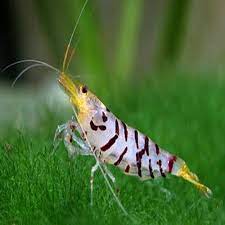
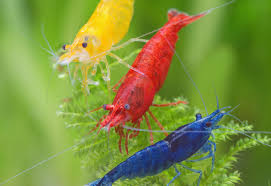
Yellow golden back shrimp, for example, prefer water conditions similar to Cherry Shrimp and Crystal Red Shrimp, making them suitable companions in a well-maintained aquarium setup.

Conclusion

In conclusion, aquarium shrimp can coexist successfully with a variety of other tank inhabitants, provided that careful consideration is given to their size, temperament, and habitat requirements. Choosing compatible tank mates such as small, peaceful fish and avoiding aggressive or predatory species is key to maintaining a harmonious aquatic environment. By understanding the specific needs of shrimp and their potential tank mates, aquarists can create a thriving ecosystem where all inhabitants can flourish. Always monitor the behavior of all species in the aquarium and be prepared to make adjustments if any compatibility issues arise. With proper care and attention, a community tank featuring aquarium shrimp can be a beautiful and rewarding addition to any aquarium’s collection.

Harmonious Shrimp Communities: A Guide to Arranging Various Species in Your Aquarium

Creating a harmonious community within an aquarium is an artful balance, especially when considering the delicate dance of shrimp. These fascinating creatures come in various species, each with its unique behaviors, dietary needs, and social dynamics. In this guide, we explore the nuances of arranging different types of aquarium shrimp in the same tank, ensuring a thriving aquatic ecosystem.

Understanding Species Compatibility

Before introducing multiple shrimp species into your aquarium, it’s crucial to understand their compatibility. Some species coexist peacefully, while others may exhibit territorial behavior or even aggression towards one another. Researching the behavioral traits of each species is essential to avoid conflicts that could jeopardize the well-being of your aquatic community.

For instance, peaceful species like Cherry Shrimp (Neocaridina davidi) and Ghost Shrimp (Palaemonetes spp.) generally get along well with others, making them suitable candidates for community tanks. However, more aggressive species like Vampire Shrimp (Atya gabonensis) or Macrobrachium spp. may pose a threat to smaller, more timid shrimp species.

Creating Habitat Diversity

Incorporating a variety of hiding places, plants, and substrates within the aquarium helps create distinct microhabitats for different shrimp species. Dense vegetation, such as mosses or aquatic plants like Java Fern and Anubias, provides shelter for shy or smaller shrimp while offering grazing surfaces for algae-eating species.

Additionally, using driftwood, rocks, and caves diversifies the tank’s landscape, offering territories for territorial species to establish their boundaries. By mimicking natural environments, you can reduce stress levels and promote natural behaviors among the shrimp population.

Monitoring Water Parameters

Maintaining optimal water conditions is essential for the health and longevity of aquarium shrimp. Different species have specific requirements regarding water temperature, pH levels, and water hardness. Regular water testing and appropriate adjustments ensure that all inhabitants thrive in their environment.

For example, Caridina species like Crystal Red Shrimp prefer slightly acidic water with stable parameters, while Neocaridina species like Red Cherry Shrimp tolerate a wider range of conditions. By understanding the preferences of each species, aquarists can create a balanced ecosystem that meets the needs of all inhabitants. Amano shrimp, on the other hand, thrive in environments with plenty of plant cover and moderate to high water flow, making them excellent additions to planted aquariums.

Conclusion

In conclusion, successfully arranging different types of aquarium shrimp in the same tank requires careful consideration of species compatibility, habitat diversity, and water parameters. By researching the behaviors and requirements of each species, aquarists can create a thriving community where shrimp coexist peacefully, enriching the aquatic landscape with their vibrant colors and fascinating behaviors. With proper planning and maintenance, an aquarium teeming with diverse shrimp species becomes a captivating centerpiece, showcasing the beauty and complexity of the underwater world.

The Harmony of Shrimp: Mutual Understanding in the Aquarium

In the microcosm of an aquarium, a fascinating display of cooperation and mutual agreement unfolds among its inhabitants. Among the most intriguing interactions are those between different species of shrimp. Despite their size and apparent simplicity, these crustaceans engage in intricate behaviors that reflect a remarkable level of mutual understanding and collaboration.

The Dance of Territory

Within the confines of the aquarium, each species of shrimp establishes its territory, marked by subtle chemical cues and physical boundaries. Whether it’s the vibrant colors of a cherry shrimp or the delicate patterns of a crystal shrimp, these markings serve as signals, delineating where one shrimp’s domain ends and another’s begins. Through a delicate dance of gestures and displays, shrimp communicate their territorial boundaries, avoiding unnecessary conflicts and maintaining a peaceful coexistence.

The Exchange of Resources

Despite the limited space of the aquarium, shrimp have evolved ingenious ways to share and exchange resources. Whether it’s scavenging for food scraps or grazing on algae, different species of shrimp have distinct feeding preferences that help reduce competition. Furthermore, through subtle movements and chemical signals, shrimp signal the presence of food sources to one another, ensuring that all members of the community have access to nourishment. This cooperation in resource utilization not only benefits individual shrimp but also contributes to the overall health and stability of the aquarium ecosystem. Freshwater shrimp, such as cherry shrimp and ghost shrimp, play a crucial role in maintaining balance within these confined aquatic environments.

Mutual Defense and Protection

In the face of potential threats, shrimp can band together for mutual defense and protection. When a predator lurks nearby, shrimp emit alarm signals that quickly spread throughout the aquarium, alerting their companions to danger. In response, neighboring shrimp gather together, forming a formidable front that deters would-be predators and ensures the group’s safety. This collective defense strategy relies on swift communication and coordinated action, highlighting the importance of cooperation in the face of adversity.

Conclusion

The aquarium serves as a microcosm of cooperation and mutual understanding among different shrimp species. Through the establishment of territories, the exchange of resources, and collective defense strategies, these crustaceans demonstrate a sophisticated level of communication and collaboration. By observing the interactions among shrimp in the aquarium, we gain valuable insights into the complexities of social behavior and the importance of cooperation in maintaining harmony within ecosystems, both large and small.

Mastering The Art Of Shrimp Keeping: A Comprehensive Guide To Aquarium Setup And Maintenance

Setting up and maintaining a vibrant shrimp aquarium can be a rewarding experience, providing a glimpse into the fascinating world of these aquatic creatures. Whether you’re a beginner or an experienced hobbyist, proper care is essential to ensure the well-being and longevity of your shrimp. In this guide, we’ll explore key steps to maintain a thriving shrimp aquarium.

Tank Setup And Water Parameters

Start by selecting an appropriately sized tank, preferably a minimum of 5 gallons for a small shrimp community. Shrimp thrive in stable environments, so maintaining consistent water parameters is crucial. Aim for a pH level between 6.5 and 7.5, and keep the water hardness in the range of 6 to 8 dGH. Temperature is also vital, with most shrimp species thriving between 72°F and 78°F. Invest in a reliable heater and thermometer to maintain these conditions.

Use a quality substrate like inert sand or specialized shrimp substrate to create a natural environment. Live plants enhance the aesthetic appeal, provide hiding places, and help maintain water quality. Introduce decorations like driftwood and rocks to mimic the shrimp’s natural habitat. Ensure proper filtration, opting for a gentle filter with a sponge pre-filter to prevent shrimp from getting trapped.

Water Quality And Maintenance

Regular water testing is essential to monitor ammonia, nitrite, and nitrate levels. Shrimp are particularly sensitive to changes in water chemistry, so perform weekly water tests and conduct partial water changes as needed. Aim to keep ammonia and nitrite levels at zero, while nitrate should be below 20 ppm. Use a de-chlorinator to neutralize harmful chlorine and chloramine from tap water before adding it to the aquarium.

Maintain good water quality by siphoning debris from the substrate during water changes. Avoid overfeeding, as uneaten food can degrade water quality. A balanced diet is crucial for shrimp health, so provide high-quality shrimp pellets, algae wafers, and occasional treats like blanched vegetables. Ensure the food particles are small enough for the shrimp to consume easily, and consider accommodating the dietary needs of any cohabiting nano fish in the aquarium.

Selecting And Introducing Shrimp

Choose shrimp species that suit your tank size and water parameters. Popular choices include Cherry Shrimp, Crystal Red Shrimp, and Amano Shrimp. When introducing new shrimp, acclimate them gradually by floating the bag in the tank and adding small amounts of tank water at regular intervals.

Avoid sudden changes in water temperature or quality, as this can stress the shrimp. Remember that some fish species may prey on shrimp, so choose tank mates carefully. Provide hiding spots and ample vegetation to ensure the shrimp feel secure in their environment.

Conclusion

Maintaining a shrimp aquarium is a delightful journey that requires attention to detail and dedication. By creating a suitable environment, monitoring water parameters, and selecting compatible tank mates, you can enjoy a flourishing shrimp community. Regular observation, water testing, and thoughtful care will contribute to the health and vibrancy of your shrimp, turning your aquarium into a captivating underwater ecosystem.

Exploring the Best Types of Aquarium Shrimp: A Guide for Enthusiasts

Aquarium shrimp have gained popularity among hobbyists for their fascinating behaviors, vibrant colors, and valuable contributions to the overall ecosystem of a tank. Choosing the right shrimp for your aquarium can be a delightful and rewarding experience. In this essay, we will explore three of the best types of aquarium shrimp that are visually stunning and relatively easy to care for.

Cherry Shrimp (Neocaridina davidi)

Cherry shrimp, belonging to the Neocaridina genus, are a favorite among both beginners and experienced aquarists. Renowned for their striking red coloration, these shrimp add a vibrant touch to any aquarium. One of the key advantages of keeping cherry shrimp is their adaptability to a wide range of water parameters, making them suitable for various setups. They thrive in freshwater tanks and are known for their peaceful nature, making them excellent community tank residents. Cherry shrimp are also prolific breeders, making them an ideal choice for those looking to establish a sustainable colony.

Amano Shrimp (Caridina multidentata)

Named after the legendary aquascape Takashi Amano, Amano shrimp are highly valued for their algae-eating prowess and distinct appearance. These shrimp have a transparent body with subtle brown or greenish hues, allowing them to blend seamlessly into planted aquariums. Amano shrimp are effective algae cleaners, making them excellent partners in maintaining a balanced tank environment. They are relatively hardy and can tolerate a range of water conditions. Amano shrimp also exhibit interesting behaviors, such as scavenging for food and interacting with their surroundings. Due to their algae-eating abilities, they are often recommended for planted tanks where maintaining a clean, green environment is crucial. For those looking to add companions, Amano shrimp coexist well with nano fish, creating a harmonious and visually appealing aquatic ecosystem.

Crystal Red Shrimp (Caridina cantonensis)

For enthusiasts seeking a touch of elegance in their aquarium, Crystal Red Shrimp is an excellent choice. Known for their captivating crystal-clear bodies adorned with vibrant red and white coloration, these shrimp are prized for their aesthetic appeal. While they may require more precise water parameters than other species, Crystal Red Shrimp are well worth the effort for those committed to maintaining optimal conditions. These shrimp thrive in well-established, heavily planted tanks with stable water parameters. Keepers often find joy in observing their intricate patterns and graceful movements. Crystal Red Shrimp can be kept in dedicated shrimp tanks or as part of a carefully curated community aquarium.

Conclusion

In aquarium shrimp, the options are vast, each species offering unique characteristics and charm. The cherry shrimp’s adaptability, the Amano shrimp’s algae-eating prowess, and the Crystal Red Shrimp’s aesthetic appeal are just a glimpse into the diverse world of aquatic invertebrates. As you embark on your shrimp-keeping journey, consider your tank’s specific requirements and your personal preferences to choose the best-suited species. Regardless of the type you choose, the addition of these fascinating creatures will undoubtedly enhance the beauty and balance of your aquarium.

Exploring the Wonders of Aquarium Shrimp: A Dive into the Most Famous Shrimp Shops

Aquarium enthusiasts have long been captivated by the exquisite world of freshwater shrimp, adding vibrant colors and dynamic life to their underwater ecosystems. Across the globe, certain shrimp shops stand out as beacons of excellence, offering a diverse array of species, expert advice, and a commitment to aquatic health. Let’s embark on a journey to explore the most famous aquarium shrimp shops that have become havens for shrimp enthusiasts.

Shrimp Haven: A Paradise for Shrimp Enthusiasts

Nestled in the heart of aquatic fascination, Shrimp Haven has earned its reputation as a paradise for shrimp enthusiasts. Boasting an extensive collection of rare and exotic shrimp species, this shop has become a go-to destination for hobbyists seeking diversity for their aquariums. From the striking colors of Crystal Red Shrimp to the intricate patterns of Blue Bolt Shrimp, Shrimp Haven offers a visual feast that leaves customers in awe. The knowledgeable staff provides invaluable insights into shrimp care, ensuring that both beginners and seasoned hobbyists can create thriving aquatic environments.

AquaScape Elegance: Where Artistry Meets Aquatic Beauty

For those who view their aquariums as living works of art, AquaScape Elegance stands out as a beacon where artistry meets aquatic beauty. This renowned shrimp shop goes beyond merely selling shrimp; it curates an experience where every tank is a canvas, and every shrimp is a stroke of color. Specializing in meticulously designed aquascapes, AquaScape Elegance offers not only a diverse selection of shrimp but also a stunning array of aquatic plants and carefully crafted decorations. Customers can turn to the expert aquascapes on staff for personalized advice, ensuring that each aquarium becomes a masterpiece in its own right.

Shrimp Kingdom: A Commitment to Sustainable Aquaculture

In the realm of aquarium shrimp, Shrimp Kingdom stands out not only for its impressive selection but also for its unwavering commitment to sustainable aquaculture practices. This shop takes pride in sourcing its shrimp responsibly, prioritizing the well-being of both the aquatic ecosystems and the shrimp themselves. The Shrimp Kingdom advocates for ethical breeding practices and educates its customers on the importance of maintaining a balanced and thriving aquatic environment. By promoting sustainability, Shrimp Kingdom not only provides exquisite specimens but also contributes to the long-term health of the hobby and the planet. Among its unique offerings, the Shrimp Kingdom proudly features the captivating shadow panda shrimp, adding to the diversity and allure of its carefully curated collection.

Conclusion

As aquarium enthusiasts continue to dive deeper into the world of freshwater shrimp, these famous shrimp shops stand as pillars of inspiration and knowledge. Shrimp Haven, AquaScape Elegance, and Shrimp Kingdom each bring a unique flavor to the hobby, catering to the diverse interests and preferences of shrimp enthusiasts worldwide. Whether seeking rare species, artistic inspiration, or a commitment to sustainability, these shops offer more than just a transaction; they provide a gateway to a vibrant underwater world where shrimp steal the spotlight.

Creating Harmony in Your Aquarium: The Art of Arranging Shrimp and Fish

Aquariums are fascinating miniature ecosystems that allow enthusiasts to create unique underwater worlds in the comfort of their own homes. One of the most intriguing aspects of aquarium keeping is the careful arrangement of different aquatic species. When it comes to combining shrimp with fish in your aquarium, there are several considerations to keep in mind to ensure a harmonious and thriving aquatic environment.

Compatibility Matters

Before introducing shrimp and fish into the same tank, it’s essential to research the compatibility of the species you plan to keep. Some fish species are known to be aggressive and may see shrimp as a tasty snack. Peaceful and non-predatory fish, such as guppies, tetras, or certain types of catfish, are usually better companions for shrimp. Be cautious when mixing large or territorial fish with shrimp, as this can lead to stress, injury, or even death for the shrimp. Always consult with your local aquarium store or do thorough online research to ensure the compatibility of your chosen species. 

Tank Size and Hiding Places

The size of your aquarium plays a crucial role in determining the success of keeping shrimp and fish together. Shrimp need space to thrive, and overcrowding can lead to stress and aggression. It’s generally recommended to have at least a 10-gallon tank for a small community of shrimp and fish. Larger tanks provide more space for natural behaviors and reduce the risk of territorial disputes.

Furthermore, consider the provision of hiding places for your shrimp. Shrimp are vulnerable during molting, a process where they shed their exoskeleton to grow. During this time, they need safe spots to hide from potential predators, including fish. Decorate your aquarium with live plants, caves, or driftwood to create hiding spots for shrimp. These features not only serve as protection but also enhance the overall aesthetics of your aquatic environment.

Feeding and Water Parameters

Maintaining proper water quality is essential for the well-being of both shrimp and fish. Shrimp are particularly sensitive to fluctuations in water parameters, such as pH, temperature, and ammonia levels. Research the specific requirements of your chosen shrimp species and ensure that these conditions are met. Most shrimp thrive in slightly acidic to neutral pH levels and prefer temperatures between 72°F to 78°F.

When it comes to feeding, consider the dietary needs of both your shrimp and fish. Shrimp are typically scavengers and will feed on algae, detritus, and microorganisms that naturally occur in the aquarium. For instance, green jade shrimp are especially fond of certain algae and will benefit from targeted feedings. Supplement their diet with high-quality shrimp pellets or algae wafers. Be cautious not to overfeed, as uneaten food can lead to water quality issues.

Conclusion

In conclusion, the arrangement of aquarium shrimp with fish can create a captivating and dynamic aquatic display. However, success in maintaining these species together hinges on careful consideration of compatibility, tank size, hiding places, and water quality. By researching the specific needs of your chosen species and providing a suitable environment, you can create a thriving and harmonious underwater world that showcases the beauty of both shrimp and fish. Remember that each aquarium is unique, so regular observation and adjustments may be necessary to ensure the well-being of your aquatic inhabitants. With the right approach, you can enjoy the fascinating interplay between these diverse aquatic creatures in your own living room.

Exploring Shrimp Equipment And Aquariums In A Well-Stocked Store

A well-stocked aquarium store is a haven for aquatic enthusiasts, offering a treasure trove of equipment, supplies, and inspiration for creating thriving underwater ecosystems. For those passionate about keeping shrimp, these stores are a one-stop-shop for everything you need to create a beautiful and healthy shrimp habitat. In this article, we’ll delve into what you can discover in terms of shrimp equipment and aquariums in such a store.

Specialized Shrimp Tanks And Aquariums

One of the first things you’ll encounter in a well-stocked aquarium store are specialized shrimp tanks and aquariums. These tanks are designed with shrimp in mind, taking into consideration their unique needs and preferences. They typically feature:

Size and Shape: Shrimp tanks are often smaller and shallower than traditional aquariums, making it easier to maintain stable water parameters. Popular choices include nano tanks and rimless aquariums with a low water volume.

Substrate Options: Stores offer a variety of substrate options suitable for shrimp, such as inert sand, fine gravel, or specialized shrimp substrates that buffer water chemistry. These substrates promote healthy molting and provide essential minerals.

Aquascaping Accessories: You’ll find an array of aquascaping materials like driftwood, rocks, and live plants. These elements not only enhance the aesthetics of your shrimp tank but also offer hiding spots and grazing areas for your shrimp.

Essential Shrimp Equipment

To create a thriving shrimp aquarium, you’ll need specific equipment to ensure the well-being of your tiny aquatic companions. In a well-stocked store, you can expect to find:

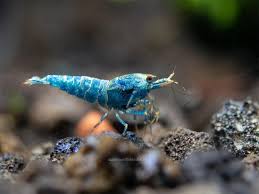
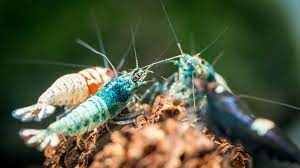
Filtration Systems: Shrimp are sensitive to strong water currents, so sponge filters and air-driven filtration systems are commonly recommended. These gentle filters provide adequate water circulation without disturbing the shrimp. Blue dream shrimp, a popular variety, especially thrive in these conditions due to their delicate nature.

Water Parameters Testing Kits: Maintaining stable water parameters is crucial for shrimp health. You can find test kits for monitoring pH, ammonia, nitrite, and nitrate levels, allowing you to make necessary adjustments.

Heater and Thermometer: Shrimp thrive in stable temperatures, and a heater with a reliable thermometer will help you maintain the ideal temperature range for your specific shrimp species.

Lighting: LED lights with adjustable intensity are popular for shrimp tanks, as they promote plant growth and enhance the tank’s visual appeal. Some lights even come with customizable color spectrums to highlight the vibrant colors of your shrimp.

Shrimp Care Supplies

Ensuring the well-being of your shrimp involves providing them with proper nutrition and maintaining a clean environment. In a well-stocked store, you’ll discover:

Shrimp-Specific Foods: Shrimp require a balanced diet that includes specialized shrimp pellets, algae wafers, and high-quality frozen or live foods like brine shrimp, daphnia, and spirulina.

Water Conditioners: Products like dechlorinators, mineral additives, and shrimp-safe trace element supplements help create an optimal environment for your shrimp.

Maintenance Tools: Nets, algae scrapers, and siphons are essential for routine tank maintenance, ensuring that debris is removed and water changes are performed without stressing your shrimp.

Conclusion

A well-stocked aquarium store offers a comprehensive selection of equipment and supplies tailored to the needs of shrimp enthusiasts. From specialized shrimp tanks and essential equipment to a wide array of care supplies, these stores provide everything you need to create a thriving shrimp habitat. So, whether you’re a seasoned shrimp keeper or a beginner looking to start your aquatic journey, a visit to such a store is sure to inspire and equip you for success in the world of shrimp keeping.

Creating an Ideal Habitat: Conditions for Keeping Shrimp in an Aquarium

Introduction

Keeping shrimp in an aquarium can be a captivating and rewarding endeavor for aquarists of all levels of expertise. These tiny crustaceans add a unique charm to aquatic environments, showcasing vibrant colors and engaging behaviors. However, ensuring the well-being of shrimp requires a thoughtful approach to their habitat. This guide outlines the key conditions and considerations for maintaining a thriving shrimp aquarium.

Aquarium Setup and Size

The first step towards successful shrimp keeping is selecting an appropriate aquarium size and setting up the habitat. Shrimp thrive in densely planted tanks that mimic their natural environments, providing hiding spots and ample grazing surfaces. A tank with a capacity of at least 5 gallons is recommended for a small shrimp colony. The use of fine substrates, such as sand or specialized shrimp substrates, allows them to forage for food and molt comfortably. Live plants like java moss, anubias, and marimo balls not only enhance the aesthetic appeal but also help maintain water quality by absorbing excess nutrients.

Water Parameters and Quality

Maintaining optimal water parameters is crucial for the health of blue dream shrimp and other varieties. These creatures are sensitive to changes in water chemistry. Keep the water temperature between 72°F to 78°F (22°C to 26°C) and maintain a stable pH level around 6.5 to 7.5. A moderate water hardness of 6 to 8 dGH and low ammonia and nitrite levels are essential. Regular water changes of 10-20% every week help maintain water quality and keep the environment stable. Using a good quality water conditioner to remove chlorine and chloramines from tap water is recommended.

Diet and Feeding

Shrimp are primarily scavengers and grazers, so their diet should consist of a variety of high-quality foods. Specialized shrimp pellets, algae wafers, and blanched vegetables like spinach, zucchini, and carrots provide essential nutrients. Additionally, supplement their diet with biofilm, which naturally grows on surfaces in a matured aquarium. Overfeeding should be avoided, as excess food can lead to water quality issues. Offer a small amount of food that the shrimp can consume within a couple of hours and remove any uneaten portions promptly.

Conclusion

Creating a suitable habitat for shrimp in an aquarium requires attention to detail and an understanding of their specific needs. By setting up an adequately sized tank with proper substrate, plants, and hiding spots, you provide a comfortable environment. Maintaining stable water parameters, including temperature, pH, hardness, and water quality, is essential for their well-being. Lastly, a balanced diet consisting of quality foods ensures their nutritional requirements are met. With dedication and proper care, a shrimp aquarium can evolve into a thriving microcosm that brings joy and fascination to any aquarist willing to embark on this aquatic journey.