Tag: Shrimpy Business

Shrimp and Crabs: Adding Unique Personality to Your Freshwater Tank

Aquarium enthusiasts are always looking for ways to make their tanks more vibrant and engaging. Adding shrimp and crabs to a freshwater setup is a fantastic way to introduce unique colors, fascinating behaviors, and ecological benefits. These lively creatures are not just decorative—they play a vital role in maintaining the balance of your tank. Here’s how shrimp and crabs can transform your aquarium into a thriving ecosystem.

Why Shrimp Are Perfect for Freshwater Tanks

Freshwater shrimp are a delightful addition to any aquarium, offering both beauty and functionality.

  1. Natural Cleaners: Shrimp are excellent scavengers. They feed on algae, leftover food, and organic debris, helping to keep your tank clean and reducing maintenance needs. Species like Amano shrimp are particularly effective algae eaters.
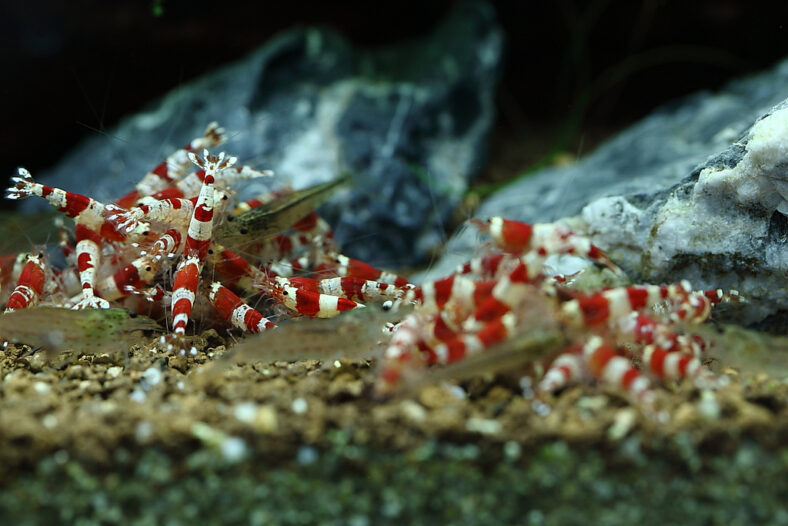
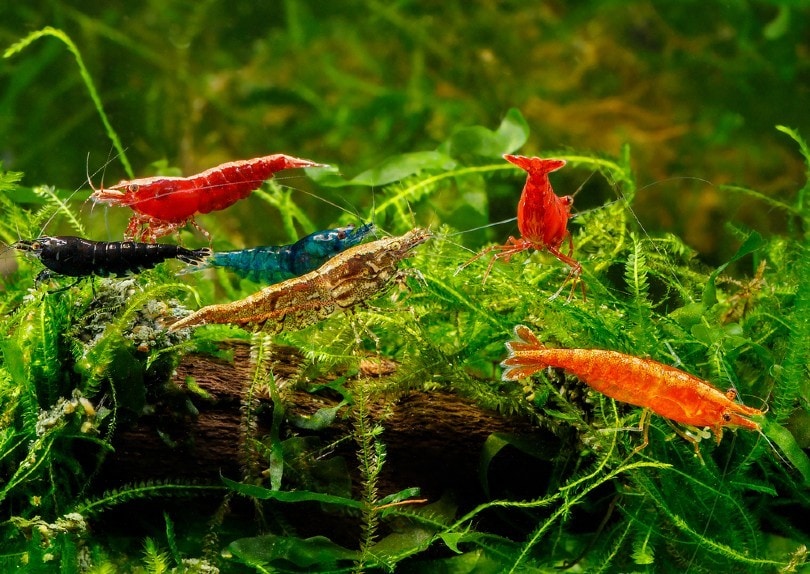
  2. Vivid Colors: Shrimp come in a stunning array of colors, from the fiery red hues of Red Cherry shrimp to the deep blue tones of Blue Dream shrimp and even in more patterns as beutiful Crystal Black shrimp. These vibrant creatures bring an eye-catching splash of color to any tank.
  3. Fascinating Behaviors: Watching shrimp interact with their environment is endlessly entertaining. Whether they’re climbing plants, sifting through substrate, or foraging for food, their constant activity adds life to your aquarium.

Shrimp thrive best in well-maintained tanks with stable water parameters and plenty of hiding spots. Adding mosses, rocks, and driftwood will create an ideal habitat for them.
Freshwater Crabs: The Quirky Tankmates

If you’re looking for something truly unique, freshwater crabs can be an exciting addition to your tank.

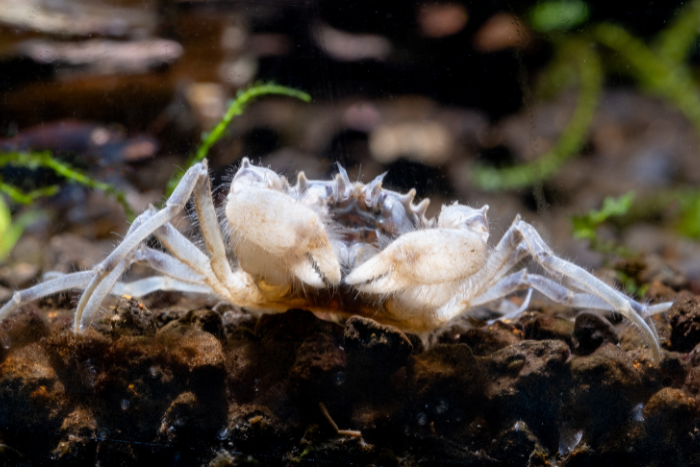
  1. Unmatched Personality: Crabs are curious creatures with quirky behaviors, such as climbing rocks or burrowing into the substrate. Each species, from the petite Thai micro crab to the colorful Vampire crab, brings its own unique charm.
  2. Ecosystem Balancers: Like shrimp, crabs help clean up leftover food and debris. However, they may also enjoy snacking on plants, so choosing hardy or crab-safe flora is essential.
  3. Interactive Displays: Crabs are known for their intelligence and interactivity. Observing their movements and interactions with other tank inhabitants provides endless fascination for aquarium owners.

Crabs require tanks with both water and land areas to mimic their natural habitats. Be sure to provide hiding spaces and maintain stable water quality to ensure their well-being.

Tips for Adding Shrimp and Crabs to Your Tank

  1. Compatibility: Not all fish are shrimp- or crab-friendly. Avoid aggressive species like cichlids, which may see these smaller creatures as a snack. Peaceful tankmates like tetras or guppies are a better fit.
  2. Water Parameters: Both shrimp and crabs thrive in stable environments. Regular water changes, proper filtration, and monitoring of ammonia, nitrite, and nitrate levels are critical.
  3. Balanced Diet: While they’ll scavenge for food, supplement their diet with high-quality shrimp pellets, algae wafers, and occasional blanched vegetables to keep them healthy.

Adding shrimp and crabs to your freshwater tank not only enhances its aesthetic appeal but also promotes a balanced ecosystem. With proper care and consideration, these delightful creatures will bring a touch of personality and charm to your underwater world.
A Beginner’s Guide to Caring for Blue Mystery Snails in Your Freshwater Aquarium With Crabs and Shrimps

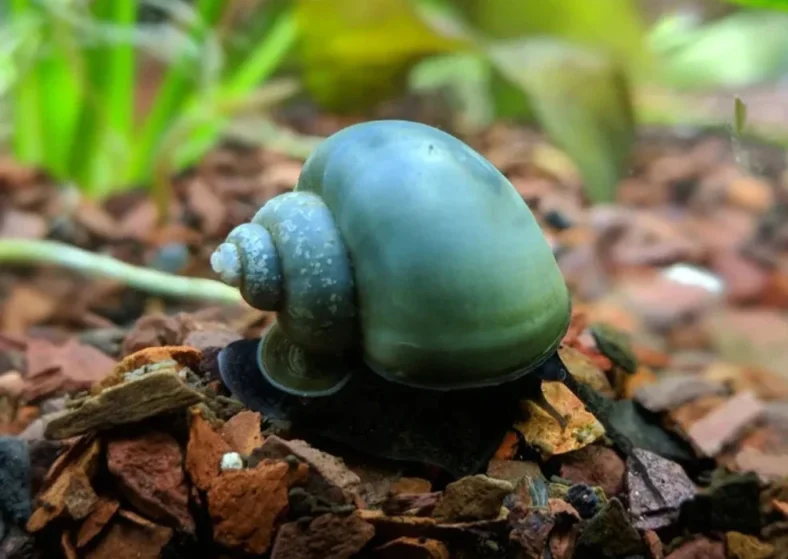
Blue Mystery Snails are a popular addition to freshwater aquariums due to their vibrant color, active nature, and role in maintaining a clean tank. They make excellent companions in community tanks, especially those with shrimp and crabs, as they tend to get along well with other species. However, to ensure they thrive, it’s essential to provide the right environment and care. Here’s a beginner’s guide to keeping your Blue Mystery Snails happy and healthy in a freshwater aquarium.

Setting Up the Ideal Aquarium for Blue Mystery Snails

Creating a suitable habitat is the first step in ensuring your Blue Mystery Snails’ well-being. Start with a tank size of at least 10 gallons, especially if you plan to house them with shrimp and crabs. Blue Mystery Snails require plenty of space to roam and graze. A larger tank also helps maintain stable water conditions, which is crucial for these delicate snails.

Water Quality and Temperature: Blue Mystery Snails prefer clean, well-filtered water with a pH range between 7.0 and 8.4. Ensure the water is soft to moderately hard, and aim for a temperature between 68-82°F (20-28°C). Regular water changes are important, as high levels of ammonia or nitrites can harm your snails. A good filtration system will keep the water parameters balanced and your snails’ environment healthy.

Substrate and Decorations: Opt for a smooth substrate to prevent damage to the snails’ delicate shells. Soft sand or fine gravel works well. Avoid sharp rocks and rough surfaces that could lead to chips or cracks. Consider adding live plants like Java moss and Anubias, which provide hiding spots and additional surfaces for algae growth and are a favorite food for your snails.

Compatibility: Housing Blue Mystery Snails with Shrimp and Crabs

Blue Mystery Snails are peaceful creatures that coexist well with a variety of tank mates. However, the compatibility of crabs, shrimp, and snails in the same tank depends on the species. Smaller, non-aggressive crabs like Thai Micro Crabs or certain dwarf shrimp species are typically safe choices, while larger, more territorial crabs may pose a threat to your snails.

Crab Compatibility Tips: If you decide to house Blue Mystery Snails with crabs, make sure there are plenty of hiding places and ensure that the crabs are not overly aggressive. Crabs can sometimes become territorial, especially if the tank is too small or lacks sufficient shelter. Add caves, driftwood, and dense plant clusters to create safe zones where the snails can retreat if needed.

Shrimp Compatibility Tips: Freshwater Shrimp, particularly dwarf varieties like Cherry Shrimp or Amano Shrimp, are excellent companions for Blue Mystery Snails. They share similar water parameters and dietary preferences. Snails and shrimp can often be seen grazing together, which makes for an active and visually engaging aquarium.

Feeding and Maintenance for a Healthy Tank

A balanced diet and regular tank upkeep are essential for your Blue Mystery Snails. They’re natural scavengers and will eat algae, decaying plant matter, and uneaten fish food. However, supplemental feeding is necessary to ensure they receive adequate nutrition.

Feeding Your Snails: Provide a variety of foods, including algae wafers, blanched vegetables (like zucchini or spinach), and specialized snail pellets. Be mindful not to overfeed, as excess food can lead to poor water quality. When feeding in a community tank, use sinking pellets to ensure the snails get their share before the shrimp or crabs consume everything.

Tank Maintenance: Regularly check for signs of calcium deficiency, which can manifest as thin, cracked, or pitted shells. Supplementing the tank with calcium-rich foods or adding cuttlebone can help maintain strong shells. Keep an eye on the tank’s cleanliness, as waste and uneaten food can quickly degrade water quality. Perform partial water changes weekly, and monitor ammonia, nitrate, and pH levels.

With proper care, Blue Mystery Snails can be an enjoyable and colorful addition to your freshwater tank, living peacefully alongside shrimp and small crabs. Creating a balanced environment that meets the needs of all species will result in a thriving, vibrant aquarium that’s a joy to watch.

Creating a Thriving Habitat: How to Keep Shrimps and Crabs Together in Your Freshwater Aquarium

Introducing both shrimps and crabs into a freshwater aquarium can create a vibrant, lively environment, full of movement and color. However, to ensure a harmonious cohabitation, it’s essential to understand the needs of each species and create a thriving habitat where they can live together peacefully. This guide will walk you through the key aspects of successfully keeping shrimps and crabs together in your freshwater aquarium.

Choosing Compatible Species

The first step in creating a thriving habitat is selecting shrimp and freshwater crab species that are compatible with each other. Not all species will coexist peacefully, so it’s important to choose carefully. For shrimp, species like Cherry Shrimp, Amano Shrimp, and Ghost Shrimp are known for their peaceful nature. On the other hand, smaller crab species like the Freshwater Pom Pom Crab or Thai Micro Crab are ideal companions due to their non-aggressive behavior. Avoid larger, more aggressive crabs such as the Red Claw Crab, which may view shrimp as prey.

Creating the Ideal Environment

Once you’ve selected compatible species, the next step is to create an environment that meets the needs of both shrimps and crabs. A well-planted tank is crucial, as it provides hiding spots and reduces stress for both species. Live plants like Java Moss, Anubias, and Java Fern not only offer shelter but also help in maintaining water quality by absorbing nitrates. Additionally, ensure there are plenty of crevices, caves, and small hiding places, which can be created using rocks, driftwood, and aquarium decorations. These hiding spots are essential, especially during molting periods when shrimps and crabs are most vulnerable.

Maintaining Water Quality

Water quality is paramount in a freshwater aquarium, particularly when keeping both shrimps and crabs. Both species are sensitive to water parameters, so regular monitoring is essential. Aim to maintain a stable pH between 6.5 and 7.5, with a temperature range of 72-78°F. Ammonia and nitrite levels should always be at zero, and nitrates should be kept below 20 ppm. Regular water changes of 10-20% weekly will help in keeping the water clean and toxin-free. Additionally, avoid using copper-based medications or treatments, as copper is toxic to both shrimps and crabs.

Conclusion

Successfully keeping shrimps and crabs together in a freshwater aquarium requires careful planning and attention to detail. By choosing compatible species, creating a well-structured environment, and maintaining optimal water quality, you can ensure a thriving habitat where both species can coexist peacefully. With the right approach, your aquarium will become a dynamic, colorful display of aquatic life, bringing the beauty of nature into your home.