Tag: Pastures

Is Meat Snack Sticks Healthy to Eat?

Introduction

In recent years, meat snack sticks have gained popularity as a convenient and portable protein-rich snack. These small, flavorful sticks are often made from various types of meat, including beef, pork, turkey, and even exotic game meats. While they offer convenience and taste, the question of whether meat snack sticks are healthy to eat remains. This essay explores the nutritional aspects and potential health implications of consuming meat snack sticks, aiming to provide a balanced perspective.

Nutritional Composition

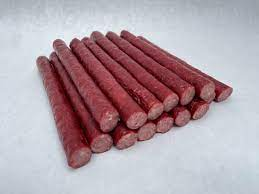
Meat snack sticks are primarily composed of meat, which makes them a rich source of protein. Proteins are essential for muscle repair, enzyme production, and numerous other bodily functions. Additionally, they provide essential amino acids, which our bodies cannot produce on their own. The high protein content in meat snack sticks can be particularly beneficial for those seeking to increase their protein intake, such as athletes or individuals with physically demanding lifestyles.

However, despite their protein content, meat snack sticks, including some pasture raised varieties, can also be high in unhealthy components. Many commercially available varieties are laden with sodium, preservatives, and additives to enhance flavor and prolong shelf life. Excessive sodium consumption can contribute to high blood pressure and cardiovascular issues, making it crucial to monitor sodium intake when consuming meat snacks regularly.
Health Implications

While meat snack sticks can be a convenient source of protein, they are not without health implications. The excessive consumption of processed meats, such as those used in snack sticks, has been linked to various health risks. According to research by the World Health Organization (WHO), processed meats are classified as Group 1 carcinogens, meaning they have sufficient evidence to support their role in causing cancer, particularly colorectal cancer.

Furthermore, the high sodium content in meat snack sticks can pose health risks, especially for individuals with hypertension or a predisposition to heart problems. A diet consistently high in sodium may contribute to water retention and strain the cardiovascular system.

Making Healthier Choices

While meat snack sticks have their drawbacks, it is possible to make healthier choices when consuming them. Opting for products made from leaner cuts of meat can reduce the overall fat content. Additionally, seeking out varieties with lower sodium content or those free from artificial preservatives and additives can mitigate potential health risks.

It is also essential to consider portion control. Moderation is key when consuming meat snack sticks to avoid excessive sodium intake and potential adverse health effects. Incorporating a balanced diet with a wide range of nutrient-dense foods can ensure that meat snack sticks serve as an occasional addition rather than a staple snack.

Conclusion

Meat snack sticks can be a convenient and tasty source of protein, making them a tempting option for those on the go or needing a quick energy boost. However, their nutritional composition and potential health implications should not be ignored. While they offer essential protein, the high sodium and processed nature of many meat snack sticks warrant caution.

To enjoy meat snack sticks more healthily, individuals can opt for leaner meat choices, monitor their sodium intake, and consume them in moderation as part of a balanced diet. As with any snack, being mindful of portion sizes and making informed choices is crucial for maintaining overall health and well-being. By doing so, individuals can savor the convenience of meat snack sticks without compromising their health.
The Ultimate Guide: Mastering the Art of Preparing Mouthwatering Meat Sticks

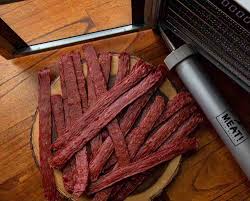
When it comes to preparing meat sticks, there are several methods you can employ to achieve a delicious and satisfying result. Whether you’re making beef, chicken, or even turkey sticks, the key lies in the preparation process and cooking techniques. Here’s a comprehensive guide on the best way to prepare meat sticks.

First and foremost, selecting the right type of meat is crucial. Opt for lean cuts that have a good balance of fat and meat, such as sirloin or chicken breast. Trim off any excess fat to prevent excessive greasiness in the final product. You can also experiment with different seasonings and spices to enhance the flavor of your meat sticks.

Next, it’s essential to finely grind the meat. This can be done at home using a meat grinder or by asking your butcher to do it for you. Finely ground meat ensures a smoother texture in the finished sticks. Additionally, you can mix in other ingredients like breadcrumbs, eggs, or grated cheese to bind the meat together and add extra flavor.

Once your meat mixture is ready, it’s time to shape the sticks. Wet your hands with a little water to prevent sticking, then take small portions of the meat mixture and roll them into cylindrical shapes. Alternatively, you can use a sausage stuffer or a jerky gun to achieve a uniform shape and size.

To ensure the meat sticks hold their shape during cooking, it’s advisable to refrigerate them for at least an hour before proceeding. This step helps the sticks firm up and prevents them from falling apart while cooking.

When it comes to cooking, there are a few different methods you can employ. Grilling is a popular choice as it imparts a smoky flavor and creates a slightly charred exterior. Preheat your grill to medium-high heat and lightly oil the grates to prevent sticking. Place the meat sticks on the grill and cook for about 4-6 minutes per side, or until they reach your desired level of doneness.

If grilling isn’t an option, you can also bake your meat sticks in the oven. Preheat the oven to 375°F (190°C) and place the sticks on a lined baking sheet. Bake for approximately 15-20 minutes, turning them halfway through, until they are cooked through and golden brown.

Another method is pan-frying, which allows for a quicker cooking time and a delicious crust on the outside. Heat a tablespoon of oil in a skillet over medium heat, then add the meat sticks and cook for about 8-10 minutes, turning occasionally until they are browned and cooked through.

Regardless of the cooking method you choose, it’s crucial to ensure the internal temperature of the meat sticks reaches a safe level. Use a meat thermometer to check that the sticks reach an internal temperature of at least 165°F (74°C) to ensure they are fully cooked and safe to eat.

Once cooked, allow the meat sticks to rest for a few minutes before serving. This allows the juices to redistribute and results in a more tender and flavorful end product. Serve them as a standalone snack, pair them with dipping sauces, or include them in sandwiches or wraps for a tasty meal, using pasture raised chicken for an added touch of wholesome flavor.

In conclusion, the best way to prepare meat sticks involves selecting the right meat, finely grinding it, shaping the sticks, refrigerating them, and then cooking them using methods such as grilling, baking, or pan-frying. With these techniques, you can create delicious, juicy meat sticks that will surely satisfy your cravings.

The Benefits and Uses of Pasture-Raised Meat: A Guide to a Healthier, More Sustainable Diet

Pasture-raised meat refers to meat that comes from animals that have been raised on grass and forage in pastures, rather than being confined in feedlots and given a diet mostly consisting of grains. This method of raising livestock is often considered more humane and leads to meat that is more flavorful and nutritionally superior. The animals are also able to engage in natural behaviors, such as grazing and roaming, which can improve their overall health and well-being.

Benefits of pasture-raised meat

The benefits of pasture-raised meat go beyond just animal welfare. It can also have a positive impact on the environment, as grazing livestock can help to maintain healthy soils, reduce erosion, and support biodiversity. Additionally, pasture-raised animals are typically not given hormones or antibiotics, which can result in meat that is free of these additives.

In terms of nutrition, pasture-raised meat can be higher in healthy omega-3 fatty acids, conjugated linoleic acid (CLA), and vitamins, such as Vitamin E. It is also often lower in unhealthy saturated fat. Healthy snacks also have a lot of Vitamin E and healthy omega-3 fatty acids.

It is important to note that not all pasture-raised meat is created equal and standards for labeling can vary. To ensure you are getting the highest quality product, it is recommended to purchase meat from a trusted source, such as a local farmer or a brand with transparent and strict standards for raising their livestock.

In addition to the environmental, animal welfare, and health benefits of pasture-raised meat, it can also have a positive impact on the local economy. Buying from local farmers who raise their animals on pasture supports small businesses and helps to keep money in the local community.

Pasture-raised meat can also offer a more sustainable alternative to conventionally raised meat. The use of rotational grazing practices, for example, can help to reduce soil degradation and improve soil fertility. Additionally, raising animals on pasture can reduce the amount of waste produced, as the animals can convert inedible plants and grasses into protein-rich meat.

When considering the purchase of pasture-raised meat, it is important to be aware of the different labels and certifications that exist and to understand what each one means. Some common certifications include “Animal Welfare Approved” and “Certified Humane.” Researching these labels and finding a reputable brand or farmer can help to ensure that you are getting a high-quality, ethical product.

You can make a variety of dishes from pasture-raised meat

Pasture-raised meat can be used in a variety of dishes, just like conventionally raised meat. Some popular options include:

  1. Grilled steak or burgers
  2. Roasted chicken or turkey
  3. Slow-cooked stews or soups
  4. Braised meats like pot roast or short ribs
  5. Sautéed ground meat for tacos or spaghetti sauce

One of the great things about pasture-raised meat is that it often has a rich, natural flavor that doesn’t require much additional seasoning. When cooking with pasture-raised meat, it’s recommended to use gentler cooking methods, such as slow roasting or braising, to help preserve its tenderness and flavor.

It’s also a good idea to consider the cut of meat you are using, as some cuts from pasture-raised animals may be a bit tougher due to the animals’ more active lifestyle. In these cases, slow cooking methods can help to break down the muscle fibers and result in a tender, flavorful dish.

Overall, pasture-raised meat is a versatile ingredient that can be used in a wide range of dishes. Its unique flavor and health benefits make it a great choice for anyone looking to incorporate more sustainable and ethical foods into their diet.