Tag: Kinders

Taco Tuesday Redefined: 5 Creative Twists on Traditional Pork Tacos

Taco Tuesday is a beloved tradition, but if you’ve been sticking to the same old recipes, it might be time to mix things up. While traditional pork tacos are delicious in their simplicity, adding a few creative twists can take your taco game to the next level. From exciting flavor combinations to unexpected toppings, here are five inventive ways to redefine your pork tacos and make Taco Tuesday an unforgettable culinary adventure.

1. Korean-Inspired Pork Tacos with Kimchi and Gochujang Sauce

Why not give your pork tacos a Korean flair? Swap the traditional seasoning for Korean-style marinated pork, using ingredients like soy sauce, sesame oil, ginger, and garlic. Cook the pork until it’s tender and flavorful, then top your tacos with spicy kimchi and a drizzle of gochujang sauce for a fiery kick. Garnish with fresh cilantro and a sprinkle of sesame seeds to complete the dish. The tangy kimchi pairs perfectly with the rich pork, offering a delightful fusion of flavors that’s sure to impress your Taco Tuesday guests.

2. Pineapple and Pork Tacos with Cilantro Lime Slaw

If you love the combination of sweet and savory, try pairing pork with juicy grilled pineapple for a tropical twist. Start by marinating your pork in a mixture of lime juice, garlic, and cumin, then grill it alongside slices of pineapple until both are slightly caramelized. Serve the pork and pineapple in warm tortillas and top with a refreshing cilantro lime slaw made from shredded cabbage, lime juice, and fresh cilantro. The sweetness of the pineapple balances the savory pork, while the slaw adds a crisp, tangy contrast. It’s a bright, flavorful twist on the classic taco.
3. Smoky BBQ Pulled Pork Tacos with Pickled Onions

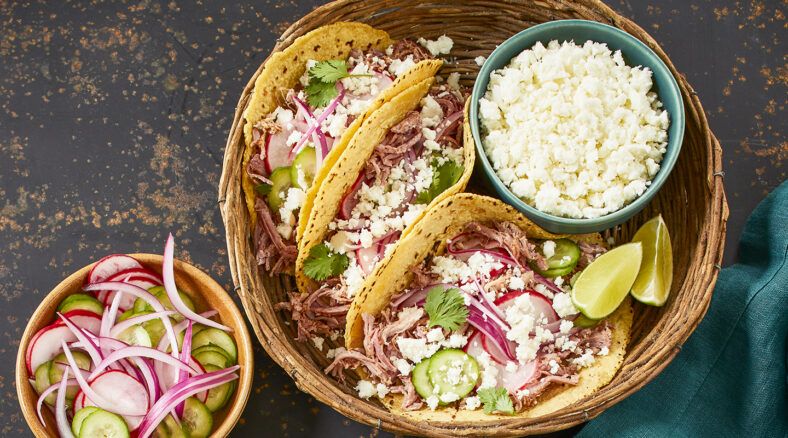
For a comforting twist on traditional pork tacos, turn to smoky barbecue flavors. Slow-cook pork shoulder in your favorite barbecue sauce until it’s tender and falls apart easily. Pile the pulled pork into soft tortillas, and then top with tangy pickled onions for a burst of acidity that cuts through the richness of the meat. Add a few slices of fresh jalapeños for heat and finish with a sprinkle of cotija cheese. These BBQ pulled pork tacos are perfect for those who enjoy the bold flavors of Southern barbecue with a Mexican twist.

4. Pork Belly Tacos with Avocado Crema and Radish Salsa

Upgrade your taco game with crispy pork belly. Start by slow-roasting the pork belly until the fat renders and the exterior becomes crispy and golden. Slice the pork belly into bite-sized pieces and layer them in soft tortillas. Top the tacos with a creamy avocado crema made from mashed avocados, lime juice, and sour cream. For a burst of freshness, add a simple radish salsa with chopped radishes, cilantro, and a squeeze of lime. The crispy, melt-in-your-mouth pork belly paired with the creamy avocado and crunchy radish salsa makes for a truly indulgent taco experience.

5. Carnitas Tacos with Mango Salsa and Chipotle Mayo

Carnitas is a classic pork taco filling, but you can elevate it by adding a sweet and spicy twist. Start with tender, slow-cooked carnitas, then top your tacos with a vibrant mango salsa made from diced mango, red onion, jalapeño, and cilantro. The sweetness of the mango adds a delicious contrast to the savory carnitas. Finish the tacos with a drizzle of chipotle mayo for a smoky heat that ties all the flavors together. The combination of savory, sweet, and spicy makes these carnitas tacos a standout dish for Taco Tuesday.

Conclusion: Elevate Your Taco Tuesday with Creative Pork Tacos

Taco Tuesday doesn’t have to be predictable. With these five creative twists on traditional pork tacos, you can bring bold new flavors and textures to the table. Whether you’re craving something spicy, sweet, smoky, or tangy, these inventive recipes will help you redefine your Taco Tuesday and turn it into a culinary celebration your friends and family will love.
Spice of Europe: Celebrating Paprika, Oregano, and Saffron

Spices are the vibrant soul of European cuisine, transforming ordinary dishes into extraordinary culinary experiences. Across the continent, certain spices have carved out their place as indispensable ingredients, enhancing flavors and adding depth to a wide array of traditional and modern recipes.

Paprika – The Heart of Hungarian Flavor

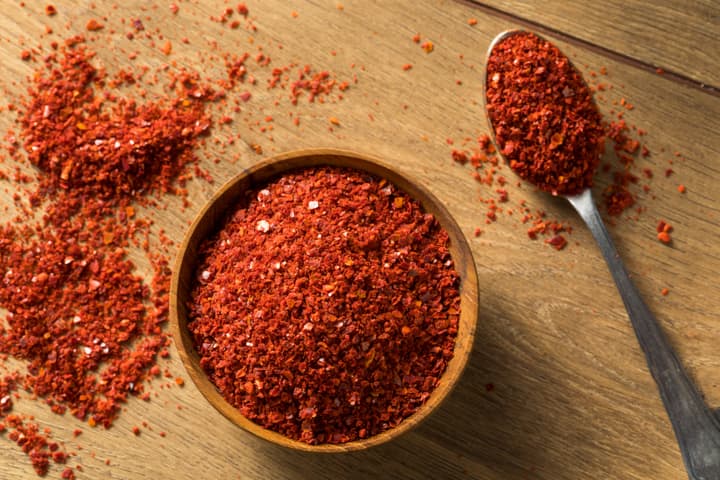
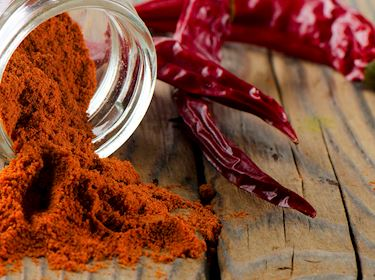
Hungary’s love affair with paprika is legendary, making it one of Europe’s most iconic spices. Derived from dried and ground Capsicum annuum peppers, paprika varies in intensity from mild to hot, offering chefs a versatile tool in their culinary arsenal. In Hungarian cuisine, paprika is not merely a spice but a cultural cornerstone, integral to dishes like goulash, paprikash, and sausages. Its deep red hue and earthy, slightly sweet flavor lend richness and warmth, elevating both meat and vegetable dishes.

Oregano – Italy’s Herbaceous Emblem

In Italy, oregano reigns supreme as the quintessential herb for Mediterranean dishes. With its robust, peppery flavor and intense aroma, oregano complements tomato-based sauces, pizzas, and grilled meats with effortless grace. Whether dried or fresh, it imparts a distinctly Italian essence to culinary creations, embodying the sun-drenched hillsides of the Mediterranean. Italian cuisine celebrates oregano as a vital ingredient, weaving its aromatic profile into classics like pasta alla puttanesca and Margherita pizza, ensuring each bite resonates with a harmonious blend of flavors. Its versatility extends beyond Italian fare, adding a zesty kick to international favorites such as carnitas tacos.

Saffron – Spain’s Golden Treasure

Spain’s affinity for saffron dates back centuries, showcasing its value as one of the world’s most precious spices. Derived from the stigma of Crocus sativus flowers, saffron infuses dishes with a luxurious golden hue and a subtly floral, slightly bitter taste. Its rarity and labor-intensive harvesting process elevate its status in Spanish cuisine, which features prominently in paella Valenciana, adding depth to rice, seafood, and vegetables. Saffron’s ability to impart both color and flavor makes it an essential component in Spanish gastronomy, embodying the rich cultural heritage of the Iberian Peninsula.

Conclusion

From the piquant allure of Hungarian paprika to the herbaceous charm of Italian oregano and the golden sophistication of Spanish saffron, Europe’s culinary landscape is enriched by a tapestry of spices. These ingredients not only enhance flavors but also tell stories of cultural heritage and culinary tradition. As chefs and home cooks alike continue to explore and innovate with these spices, they ensure that every dish pays homage to Europe’s diverse and flavorful culinary heritage. Whether used in traditional recipes or contemporary interpretations, these spices remain integral to creating memorable dining experiences that transcend borders and delight palates around the world.

Exploring the Rich Tapestry of Indian Spices: Enhancing Meat Dishes with Exquisite Flavors

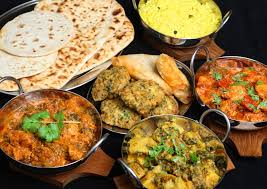
India, renowned for its vibrant culture and diverse culinary heritage, boasts a treasure trove of spices that have tantalized taste buds for centuries. When it comes to meat dishes, Indian spices play a pivotal role in elevating flavors to new heights, creating a symphony of aromas and tastes that delight the senses. Let’s embark on a journey through the best spices from India that can transform ordinary meat into extraordinary culinary delights.

Garam Masala: The Heartbeat of Indian Cuisine

Garam masala, a quintessential spice blend, serves as the cornerstone of Indian cooking. Comprising a harmonious blend of warm spices such as cinnamon, cardamom, cloves, cumin, and black pepper, garam masala infuses meat dishes with depth and complexity. Whether sprinkled as a finishing touch or incorporated into marinades, this aromatic blend imparts a rich flavor profile that is both comforting and robust. From succulent tandoori chicken to fragrant lamb curries, garam masala reigns supreme, imparting warmth and character to every bite.

Turmeric: The Golden Elixir of Health and Flavor

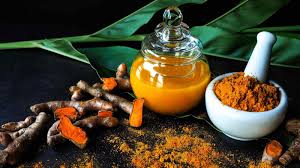
Turmeric, revered for its vibrant hue and medicinal properties, adds both color and flavor to Indian meat dishes. Its earthy undertones and subtle bitterness complement the richness of meats, balancing the palate with a hint of pungency. Beyond its culinary appeal, turmeric boasts anti-inflammatory and antioxidant properties, making it a staple in traditional Indian medicine. Whether used as a dry rub for kebabs or stirred into creamy curries, turmeric lends its golden touch, transforming ordinary meat into a feast for the senses. When combined with other spices like cumin, chili powder, and garlic, it forms the perfect base for a flavorful carne asada seasoning.

Cumin: A Spice with Global Appeal

Cumin, with its warm, nutty aroma and slightly peppery flavor, holds a special place in Indian cuisine. Ground cumin, when toasted to release its oils, imparts a smoky depth to meat dishes, enhancing their savory notes with a touch of sweetness. From aromatic biryanis to fiery vindaloos, cumin adds complexity and depth, elevating the overall taste profile. Additionally, cumin aids in digestion, making it not only a flavorful addition but also a beneficial one. Embrace the allure of cumin and embark on a culinary journey that transcends borders and captivates palates.

Conclusion

In the realm of meat dishes, Indian spices reign supreme, transforming humble ingredients into culinary masterpieces. From the aromatic allure of garam masala to the golden glow of turmeric and the earthy richness of cumin, each spice brings its unique flavor profile to the table, creating a symphony of tastes that captivates the senses. Embrace the rich tapestry of Indian spices and elevate your meat dishes to new heights of flavor and sophistication.

Elevating Your Culinary Experience: Homemade Meat Seasonings

Enhancing the flavor of meat is an art form that spans cultures and cuisines, and one of the keys to achieving gastronomic excellence lies in the seasoning. While store-bought seasonings have their merits, crafting your meat seasonings at home opens up a world of creativity and customization. This essay explores the realm of homemade meat seasonings, delving into the rich flavors, aromatic blends, and the satisfaction of creating your culinary masterpieces.

The Versatility of Dry Rubs

Dry rubs are a versatile and popular choice for seasoning meats, offering a delightful combination of herbs and spices. Creating your dry rub allows you to tailor the blend to your taste preferences and the type of meat you are preparing. A classic dry rub might include ingredients like smoked paprika, garlic powder, onion powder, cumin, and brown sugar. Experimentation is key; you can add a kick with cayenne pepper or bring depth with ground coffee. The beauty of dry rubs lies in their ability to form a flavorful crust on meats when grilled or roasted, providing a sensory explosion with every bite.

Marinades: Infusing Flavor from Within

Marinades are another homemade seasoning option that works wonders in infusing meat with rich flavors. A simple yet effective marinade can be crafted using olive oil, minced garlic, soy sauce, honey, and a touch of lemon juice. The acid in the lemon juice helps tenderize the meat, while the combination of savory and sweet elements creates a harmonious balance. Experimentation is encouraged; try adding fresh herbs like rosemary or thyme for an aromatic twist. Marinades not only enhance taste but also contribute to meat’s succulence, making them an essential tool for grilling and barbecuing enthusiasts.

Herb-infused Butters: Elevating Elegance

For those seeking an elevated and luxurious touch to their meat, herb-infused butter offers a culinary indulgence. Creating your herb-infused butter allows for endless possibilities. A blend of softened butter, chopped fresh herbs such as parsley, thyme, and chives, along with a dash of garlic and lemon zest, results in a delectable compound butter. This can be spread over a roast chicken or steak just before serving, melting into a flavorful pool of richness. Herb-infused butter not only adds complexity to the taste but also contributes to the visual appeal of your culinary creation, making them a favorite among home chefs who appreciate the finer details of gastronomy. Herb-infused butter with a hint of carne asada seasoning elevates the overall flavor profile, creating a memorable dining experience.

Conclusion

In the realm of homemade meat seasonings, the possibilities are as vast as your imagination. Whether you prefer the bold simplicity of a dry rub, the depth of flavor from a well-crafted marinade, or the elegance of herb-infused butter, creating your meat seasonings adds a personal touch to your culinary endeavors. The satisfaction derived from tailoring flavors to your liking, along with the pleasure of sharing a delicious meal with loved ones, makes the journey of crafting homemade meat seasonings truly rewarding. So, roll up your sleeves, experiment with different combinations, and embark on a flavorful adventure that will not only tantalize your taste buds but elevate your culinary skills to new heights.

Savoring Global Flavors: A Culinary Journey Through the World’s Most Famous Meat Seasonings

Meat, a culinary delight cherished globally, owes much of its flavor profile to the diverse array of seasonings that grace kitchen shelves around the world. These seasonings not only enhance the taste but also reflect the cultural richness and culinary expertise of different regions. From the piquant spices of Asia to the robust herbs of the Mediterranean, the journey through the world of meat seasonings is a tantalizing exploration of global gastronomy.

Asian Infusion

In the vast realm of Asian cuisine, spices reign supreme as the architects of bold and aromatic flavors. The triumvirate of soy sauce, ginger, and garlic, often referred to as the “holy trinity” of Asian seasonings, forms the foundation for many meat dishes. Soy sauce, with its umami-rich profile, not only seasons the meat but also imparts a delightful caramelization during cooking. Ginger adds a zesty kick, while garlic introduces a savory depth that lingers on the palate. Beyond this trinity, the likes of star anise, lemongrass, and Sichuan peppercorns contribute unique nuances, creating a symphony of tastes that dance across the taste buds. Carne seasoning, with its distinctive blend of spices, further enhances the complexity of these culinary creations.

Mediterranean Melange

The Mediterranean, known for its sun-soaked landscapes, also boasts a rich tapestry of herbs and spices that elevate meat to culinary heights. Olive oil, a staple in Mediterranean kitchens, serves as a base for many marinades, infusing meat with a luscious, fruity undertone. Rosemary, thyme, and oregano, often found in abundance in the region, lend their earthy aromas, transporting diners to the sun-drenched hillsides of Greece or Italy. A harmonious blend of garlic and lemon zest completes the Mediterranean flavor palette, providing a refreshing contrast to the hearty meats that grace the tables of this region.

Latin American Heat

Latin American cuisine, with its vibrant and fiery spirit, introduces a palate-pleasing array of seasonings that awaken the senses. Adobo, a cornerstone of Latin American spice blends, combines garlic, oregano, cumin, and paprika, creating a versatile seasoning that imparts a smoky depth to meats. Achiote, derived from the annatto seed, not only adds a distinctive red hue but also contributes a slightly peppery flavor. The use of chili peppers, ranging from the mild poblano to the fiery habanero, ensures that every bite is a sensory adventure, making Latin American seasoned meats a celebration of spice and zest.

Conclusion

As we traverse the globe through the lens of meat seasonings, it becomes evident that each region imparts its unique signature to this culinary art. The Asian infusion of soy, ginger, and garlic, the Mediterranean melange of herbs and olive oil, and the Latin American heat of adobo and chili peppers all contribute to the global symphony of meat flavors. In this gastronomic journey, we discover not only the diversity of seasonings but also the shared love for transforming meat into a culinary masterpiece. Whether it’s the sizzle of a stir-fry, the aroma of a Mediterranean grill, or the fiery kick of Latin American barbecue, meat seasonings encapsulate the essence of cultural identity and the universal joy of a well-seasoned dish.

The Versatile World of Wing Sauce: Enhancing Flavor, Spice, and Culinary Creativity

Introduction

Wing sauce, a delectable concoction of flavors, has earned a well-deserved spot in the hearts of food enthusiasts around the globe. This condiment, renowned for its versatility, adds a tantalizing twist to chicken wings, transforming them from a simple appetizer to a flavor-packed delight. However, the magic of wing sauce extends far beyond its traditional pairing, as its applications in various culinary ventures elevate dishes to new heights. In this exploration of wing sauce and its uses, we will dive into its rich history, diverse flavors, and the creative ways it can be incorporated into dishes beyond the classic chicken wing.

The History and Evolution of Wing Sauce

Originating in the United States, specifically in Buffalo, New York, wing sauce can be traced back to the 1960s. The iconic Buffalo wing, typically served with a spicy, buttery, and tangy hot sauce, quickly gained popularity, spreading across the nation and eventually worldwide. Over time, chefs and home cooks alike have experimented with an array of ingredients, including carne seasoning, resulting in an impressive selection of wing sauce flavors, from traditional hot sauces to sweet and savory blends.

Elevating Chicken Wings: Beyond the Classics

The most common use of wing sauce is, of course, to drench and coat crispy chicken wings, making them a beloved staple at parties, sporting events, and casual gatherings. Wing sauce offers a diverse range of flavors, catering to various taste preferences, including traditional buffalo, honey barbecue, garlic parmesan, teriyaki, and more. These sauces not only bring heat and tang but also provide a lip-smacking glaze that enhances the crispy texture of the wings.

Beyond Chicken Wings: Culinary Creativity Unleashed

Beyond its traditional application, wing sauce offers a world of culinary possibilities limited only by one’s imagination. Here are some innovative uses:

Glazes for Other Proteins: Wing sauce can elevate various proteins, such as grilled shrimp, pork ribs, or even tofu. As a glaze, it imparts a burst of flavor while providing a delicious caramelized finish.

Dipping Sauces: Wing sauce serves as an excellent dipping sauce for an assortment of finger foods like mozzarella sticks, onion rings, and chicken tenders. The balance of tanginess and spice perfectly complements the crunchiness of these snacks.

Pizza and Pasta Toppings: Drizzle wing sauce over the pizza or mix it with tomato sauce for a zesty kick. In pasta dishes, it can be used as an alternative to traditional marinara or Alfredo sauce for a distinct flavor profile.

Conclusion

In conclusion, wing sauce is an incredibly versatile condiment that extends far beyond its humble origins. From its birth in Buffalo, New York, to its widespread popularity worldwide, wing sauce continues to evolve and surprise taste buds with an array of flavors. While it reigns as the perfect accompaniment for chicken wings, its potential goes beyond the traditional, acting as a remarkable glaze, dipping sauce, and pasta topping. So, the next time you’re seeking to elevate a dish to new culinary heights, look no further than the delightful world of wing sauce.

From Regional Variations to Mouth-Watering Flavors: A Guide to the World of Barbecue

Barbecue, also known as BBQ, is a popular method of cooking meat and vegetables that has been around for centuries. Whether it’s a summer cookout or a winter tailgate, nothing brings people together quite like a good old-fashioned barbecue.

Culture

Barbecuing has been a part of American culture for a long time, but the origins of barbecue can be traced back to indigenous tribes who used various methods of slow-cooking meat over an open flame. Today, barbecue has evolved into an art form with regional variations and techniques that are passed down from generation to generation.

The first step in creating the perfect barbecue is choosing the right meat. While beef and pork are the most common meats used in barbecue, chicken, lamb, and even fish can be grilled to perfection. It’s important to select meat with enough fat to keep it moist and tender while cooking. For example, pork shoulder, also known as a Boston butt, is a popular cut for barbecuing due to its high fat content.

Once you’ve chosen your meat, the next step is to prepare it for cooking. This often involves applying a dry rub or marinade to enhance the flavor of the meat. Dry rubs can be made from a variety of spices such as paprika, chili powder, cumin, and garlic, while marinades typically consist of an acidic liquid such as vinegar or citrus juice.

Meat

When it comes to cooking meat, there are two main methods of barbecuing: direct heat and indirect heat. Direct heat involves placing the meat directly over the flames, while indirect heat involves cooking the meat over a lower heat source such as charcoal or wood chips. Indirect heat is often preferred for larger cuts of meat such as brisket or ribs, as it allows for a slower, more even cooking process.

The type of fuel used for barbecuing can also affect the flavor of the meat. Charcoal is a popular choice due to its ability to produce a smoky flavor, while wood chips such as hickory or mesquite can add a unique taste to the meat. Gas grills are also commonly used for barbecuing, but they don’t offer the same smoky flavor that charcoal or wood chips provide.

In addition to meat, vegetables can also be cooked on the grill for a delicious and healthy side dish. Grilled corn on the cob, asparagus, and bell peppers are popular choices. A simple marinade of olive oil, salt, and pepper can be used to enhance the flavor of the vegetables.

Barbecue is often served with a variety of sides, such as baked beans, potato salad, and coleslaw. These sides not only complement the meat but also help balance out the heavy flavors of the barbecue. In addition to classic barbecue sides, a delightful option to consider is the teriyaki chicken bowl, adding an Asian-inspired twist to the array of delectable flavors.

Variations

When it comes to barbecue, there are many regional variations that have developed over time. For example, Texas-style barbecue typically involves slow-cooking brisket over mesquite wood, while Memphis-style barbecue is known for its dry-rubbed ribs. Kansas City-style barbecue is characterized by its sweet and tangy tomato-based sauce, while North Carolina-style barbecue features a vinegar-based sauce.

No matter what style of barbecue you prefer, there’s no denying the appeal of this time-honored cooking method. Whether you’re hosting a backyard barbecue or attending a tailgate party, there’s nothing quite like the taste of grilled meat and vegetables. With a little practice and patience, anyone can become a master of the grill and enjoy the mouth-watering flavors of barbecue.

Tips For Improving Flavor

Improving food flavor is important no matter the kind of food being prepared, whether it is meat, pasta, or some other foods. A good flavor is always desired as it makes the food enjoyable. While it is true that you need ingredients and some tools to get the right flavor for food, knowing how to combine them is something different. This is why we are sharing some tips that would help to improve your food flavor.

Add some acid source to the food


Many are unaware of the extent to which acids can improve flavors and this is why they are often ignored as part of food ingredients. On the contrary, acids play a good role in making food palatable. They help to neutralize the effect of alkali or bitter recipes while also bringing out the pleasant flavors of other ingredients, making the food more palatable. To improve your food flavor, acid sources from fruits like vinegar and lemon water should be used in conjunction with reduced quantities of salt. Vinegar and lemon water can also go well in a teriyaki chicken bowl.

Add some herbs


Adding freshly prepared or packaged herbs is another way to improve your flavor. These herbs are also beneficial to the health of the body. You can use herbs like garlic thyme, curry, and the like. These herbs have a way of improving flavor, particularly when used to boil meat and cook stew or soups. When used appropriately they add some unique distinct flavor to food.

Add some black pepper


Black pepper is one of the best ways to improve flavor. However, the quantity added and the time of addition matter particularly when cooking meat. This is because adding it early or later can affect the texture of the meat.

Add some Umami


Chemically speaking Umami contains amino acid glutamate and some other chemicals that create a special taste perception on the tongue. They add flavor to food like meat, soups, stews, sauces, and many others. They should be used moderately, and also should be used to complement the effect of salts.

Try Kosher salt instead of normal table salt


Most people are familiar with normal table salt which of course is a good seasoning, however, to get an improved flavor for food like meat and stews, the use of kosher salt can make the difference. Kosher salt is mostly used to cook meat. This is because it has larger grains than normal table salt and easily distributes itself evenly in soup mixtures when used.

Balance things up when it goes south


Sometimes it happens that in the process of adding ingredients, you could mistakenly add more salt or umami than required, and this could make the food taste saltier or too sweet than normal. Well, the goodness is that you can counterbalance this with some ingredients. For example, you can use acids to neutralize the effect of salt as acids react with salt to produce a more moderate taste, you can use vinegar or lemon water. If there is too much spice you can add some buttercream, sugar, honey, and the like to counterbalance their effects.

In summary, the ability to combine all these tips correctly would help improve food flavor. combining all these tips correctly would help improve food flavor.

Why It’s Important to Season Your Food Properly?

If you want to prepare great food, you always want to ensure that you stick to the right ingredients. However, you also want to focus on seasoning too. Yes, using the right blackened seasoning can help quite a bit and it will eliminate a lot of the potential issues and concerns that might arise.

Improving its taste

Seasoning adds that extra flavor that you want from your dishes. It’s very important to ensure that you add the right seasoning to your food and experiment to find that ideal option. In the end, it will enhance the taste of your food, and it’s simple stuff like that which will make a huge difference. Have you ever tried teriyaki chicken?

Enhanced memory and brain functions

Seasoning your food can actively help improve your brain functions naturally. Some spices are widely known for helping your brain health, and that on its own can make a huge difference in the long run.

Filled with antioxidants and anti-inflammatory properties

Spices and herbs can be used to add that extra oomph when it comes to flavor, but they are also filled with antioxidants and anti-inflammatory compounds. That’s great because you get to improve your health naturally while staying away from many potential health concerns that can sometimes arise.

It makes your dish less bland

The main focus for seasoning is to add extra taste and flavor to a dish that would otherwise be bland. You don’t have to add too much seasoning, but the more you add, the better the results you can get in the end and that’s what matters the most.

It’s a critical part of cooking

You will notice that all major chefs focus on seasoning their food and making it stand out. That’s what seasoning does, it adds those final steps that make a dish truly delicious and different. It’s always important to ensure that you cook properly and adding some seasoning does help do that in no time.

As you can see, it’s a very good idea to add seasoning to your food, and it can help bring in front a vast array of results. Not only is it healthy, but seasoning is the missing thing that makes any dish so unique and very tasty. All you have to do is to give it a try and experiment with seasoning as you try to find the best option. Once you do that, you will be pleased with the results!