Tag: HRT

Bioidentical Hormone Therapy: Exploring Benefits, Risks, and Considerations

Introduction

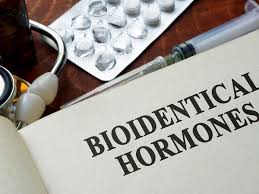
As individuals age, hormonal imbalances can occur, leading to various symptoms and health concerns. Bioidentical hormone therapy (BHT) has gained popularity as an alternative approach to traditional hormone replacement therapy (HRT). In this article, we will delve into the concept of bioidentical hormone therapy, examining its benefits, potential risks, and important considerations to help you make informed decisions about this treatment option.

Understanding Bioidentical Hormones

Bioidentical hormones are derived from natural sources such as soy or yam plants. The term “bioidentical” refers to their molecular structure, which closely resembles the hormones naturally produced by the human bodyCommon bioidentical hormones used in therapy include estradiol, progesterone, and testosterone. These hormones can be customized to fit individual needs through compounding pharmacies.
Benefits of Bioidentical Hormone Therapy

Symptom Relief: Bioidentical hormone therapy, including low T treatment, aims to alleviate symptoms associated with hormonal imbalances, such as hot flashes, night sweats, mood swings, fatigue, and low libido. By restoring hormone levels, individuals may experience relief from these symptoms, improving their quality of life.

Individualized Approach: Bioidentical hormone therapy allows for personalized treatment based on specific hormone deficiencies. Through hormone testing and consultation with a healthcare provider, the therapy can be tailored to address each individual’s unique needs, potentially improving treatment outcomes.

Potential Health Benefits: Some studies suggest that bioidentical hormone therapy may offer additional health benefits, such as improved bone density, cardiovascular health, and cognitive function. However, more research is needed to fully understand the long-term effects and risks associated with this treatment.

Risks and Considerations

Lack of Scientific Consensus: While many patients report positive experiences with bioidentical hormone therapy, it’s important to note that there is limited scientific consensus regarding its safety and effectiveness. Some studies have shown positive outcomes, while others have reported conflicting results or highlighted potential risks. Consulting with a knowledgeable healthcare provider is essential to understand the current evidence and make informed decisions.

Customization and Monitoring: Bioidentical hormone therapy requires careful customization and ongoing monitoring. Hormone levels need to be regularly assessed to ensure appropriate dosing and adjustment as needed. Working with a qualified healthcare provider experienced in bioidentical hormone therapy is crucial to minimize risks and maximize potential benefits.

Potential Side Effects: Like any hormonal therapy, bioidentical hormone therapy can carry side effects. These may include breast tenderness, bloating, acne, mood changes, and fluid retention. Adhering to the prescribed dosage and closely monitoring for any adverse effects is important to maintain a balanced hormone profile.

Regulatory Concerns: The regulation of bioidentical hormone therapy can vary across countries and regions. In some cases, compounding pharmacies create customized formulations that may not undergo the same level of regulation and oversight as commercially available medications. It’s important to source bioidentical hormones from reputable pharmacies and follow professional medical guidance.

Individual Variability: Each person’s response to bioidentical hormone therapy can vary. Factors such as age, overall health, and hormone levels before treatment may influence outcomes. Regular communication with a healthcare provider is crucial to monitor progress, address concerns, and adjust the treatment plan as necessary.

Conclusion

Bioidentical hormone therapy offers a personalized approach to address symptoms associated with hormonal imbalances. While it may provide relief and potential health benefits, the therapy should be approached with caution and a thorough understanding of the associated risks and considerations. Consulting with a knowledgeable healthcare provider is essential to assess individual needs, conduct hormone testing, and develop a tailored treatment plan.

Hormonal Imbalance: Symptoms, Causes, and Treatment

Hormones are extremely important for our health, and we must ensure that we understand how they work and keep them in balance. Because if we don’t, the chances are that we can encounter something called a hormonal imbalance. When that happens, we usually have either too much or too little of a specific hormone. That becomes an issue because we need to have hormonal balance for everything to work the way we want.

The hormonal imbalance symptoms

Symptoms can vary quite a lot, but they are anywhere from weight gain to muscle aches and weakness, a lower or higher heart rate, joint stiffness or pain, a constant sense of fatigue, weight gain, you have significant weight gain, and other things similar to that. An increase in hunger and thirst can also be a problem here, same with depression, blurred vision, and even irritability and nervousness.

What leads to hormonal imbalance?

A hormonal imbalance can appear due to a variety of factors. It can be due to medication, chemotherapy, stress, trauma, or injury. Tumors and testosterone replacement therapy can also bring in hormonal imbalance problems too, which is something to keep in mind. Diabetes, Addison’s disease, and hyper or hypothyroidism can also end up bringing in these issues, so you have to keep that in mind.

Treating hormonal imbalance

Once you know that you have a hormonal imbalance, it’s imperative to find a way to deal with it. There is a multitude of different treatment options, depending on the issues that you are facing. Vaginal estrogen or estrogen therapy is very common. Anti-androgen medication can be a good option too, depending on the situation and what issues the person is facing.

Then we also have testosterone therapy, which is crucial when men have low testosterone symptoms. This can arrive in different forms, from a gel to patches or even injections. Thyroid hormone therapy and metformin are also important options to consider. But there are other treatments one can use for hormonal imbalance, like Eflornithine, Flibanserin, and many others.

When it comes to natural remedies, you can try those too. Eating healthily and avoiding hot flash triggers is just as important and it will help a lot. Even removing unwanted hair or decreasing vaginal discomfort can be a very good idea. You can also add to that other thing like weight loss too. Give these a try and you will find it much easier to get past any hormonal imbalance!

What You Should Know About HRT?

HRT or hormone replacement therapy is a very important treatment designed to help relieve menopause symptoms. What it does is it helps you replace those hormones that are at a very low level when you get close to menopause, which is something to keep in mind.

What are the benefits of hormone replacement therapy?

The main focus behind hormone replacement therapy is to help you relieve menopause symptoms. There are plenty of them, ranging from mood swings to a low sex drive, vaginal dryness, night sweats, hot flashes, mood swings, and many others like that. It’s important to note that most of the time symptoms will pass naturally, but it can be frustrating to deal with them.

With hormone replacement therapy, you have much better results and you will find yourself happy with the experience and results. it can make it easier to prevent osteoporosis too, which can be quite common in women especially when it comes to menopause.

Are there any risks associated with hormone replacement therapy?

It’s important to note that hormone replacement therapy does have some risks. For example, it can increase the risks of having breast cancer. With that in mind, it can still be quite ok and in the end, you do need to avoid any rush and just focus on your health for a change. HRT is also not suitable for a woman that had any womb, ovarian, or breast cancer. It’s also not ok if you have liver disease you are pregnant, or with a history of blood clots.

 Is it safe?

Done properly, hormone replacement therapy is very safe and it can help bring in front some amazing results. Yes, it does take quite a bit of trial and error to find the right type of HRT that works for you, but it’s well worth it.

There are no limits to the treatment either. It takes a month, sometimes even more than that. So you don’t need to worry about any limitations, instead, you have to work closely with your doctor to ensure everything is working the way you want.

You can find alternatives to HRT too. For example, you can start taking lifestyle measures like working out more often, eating less spicy foods, drinking less alcohol or coffee, or taking tibolone. Antidepressants can also be great, just as clonidine, which is certainly a thing you want to take into consideration the best way that you can. But in the end, hormone replacement therapy is still really good, and certainly a thing you want to focus on!

What You Should Know About HRT?

HRT or hormone replacement therapy is a very important low t treatment designed to help relieve the menopause symptoms. What it does is it helps you replace those hormones that are at a very low level when you get close to menopause, which is something to keep in mind.

What are the benefits of hormone replacement therapy?

The main focus behind hormone replacement therapy is to help you relieve the menopause symptoms. There are plenty of them, ranging from mood swings to a low sex drive, vaginal dryness, night sweats, hot flushes, mood swings and many others like that. It’s important to note that most of the time symptoms will pass naturally, but it can be frustrating to deal with them.

With the hormone replacement therapy you have much better results and you will find yourself happy with the experience and results. it can make it easier to prevent osteoporosis too, which can be quite common in women especially when it comes to menopause.

Are there any risks associated with hormone replacement therapy?

It’s important to note that hormone replacement therapy does have some risks. For example, it can increase the risks of having breast cancer. With that in mind, it can still be quite ok and in the end you do need to avoid any rush and just focus on your health for a change. HRT is also not suitable for a woman that had any womb, ovarian or breast cancer. It’s also not ok if you have liver disease, if you are pregnant or with a history of blood clots.

 Is it safe?

Done properly, hormone replacement therapy is very safe and it can help bring in front some amazing results. Yes, it does take quite a bit of trial and error to find the right type of HRT that works for you, but it’s well worth it.

There are no limits to the treatment either. It take a month, sometimes even more than that. So you don’t need to worry about any limitations, instead you have to work closely with your doctor to ensure everything is working the way you want.

You can find alternatives to HRT too. For example, you can start taking lifestyle measures like working out more often, eating less spicy foods, drinking less alcohol or coffee, or talking tibolone. Antidepressants can also be great, just as clonidine, which is certainly a thing you want to take into consideration the best way that you can. But in the end, hormone replacement therapy is still really good, and certainly a thing you want to focus on!