Tag: APA

Pregnancy Symptoms vs. PMS: How to Tell the Difference

The days leading up to your period can sometimes feel confusing, especially when you start to notice symptoms that could either be PMS (premenstrual syndrome) or early pregnancy. With both conditions sharing similar symptoms—like fatigue, mood swings, and cramping—it’s easy to understand why women often question whether they’re dealing with PMS or the early signs of pregnancy. In this blog, we’ll help you navigate the subtle differences between pregnancy symptoms and PMS, so you can better understand what’s happening in your body.

Similarities Between PMS and Early Pregnancy Symptoms

It’s important to first recognize that many symptoms of early pregnancy can closely mimic PMS. Hormonal changes are responsible for both conditions, and this overlap can make it difficult to differentiate between the two. Here are some symptoms that are common to both PMS and early pregnancy:

  • Breast Tenderness: In both cases, hormonal fluctuations can cause your breasts to feel sore or swollen. However, in early pregnancy, you may notice that the soreness is more pronounced and continues even after your period is due.
  • Fatigue: Feeling unusually tired is a common symptom of both PMS and pregnancy. During PMS, fatigue is often linked to the hormonal shifts leading up to menstruation. In pregnancy, increased levels of the hormone progesterone are responsible for making you feel more sluggish than usual.
  • Mood Swings: Emotional ups and downs are normal during PMS and can also occur during early pregnancy. If you feel more irritable, anxious, or teary than usual, it could be due to the hormonal roller coaster of either condition.
  • Cramping: Light cramping is a common PMS symptom, but it can also signal the early stages of pregnancy. In early pregnancy, cramping might occur as the fertilized egg implants itself into the uterine lining, known as implantation cramping. This tends to be milder and shorter-lived than menstrual cramps.

Given the similarities in symptoms, it’s easy to confuse PMS with pregnancy. However, certain differences may help you better determine which one you’re experiencing.

Key Differences Between PMS and Pregnancy Symptoms

While PMS and pregnancy share many symptoms, there are some key differences that can help you tell them apart.

  • Nausea: Nausea, often referred to as morning sickness, is a hallmark of early pregnancy. While not all pregnant women experience it, it is not a typical symptom of PMS. If you suddenly feel queasy or have aversions to certain foods or smells, it could be a sign of pregnancy.
  • Spotting: While some women experience spotting in the days leading up to their period, spotting can also be an early sign of pregnancy. Known as implantation bleeding, this light spotting occurs when the fertilized egg attaches to the uterine lining. It typically happens about 10 to 14 days after conception and is lighter and shorter than a regular period.
  • Missed Period: Perhaps the most obvious difference between PMS and pregnancy is a missed period. If your period doesn’t arrive and you’re experiencing some of the symptoms mentioned above, it’s time to take a pregnancy test.
  • Increased Urination: Frequent urination is another sign that could indicate pregnancy rather than PMS. This symptom usually appears in the early weeks of pregnancy as your body increases blood flow to the kidneys, causing you to make more trips to the bathroom.

What to Do If You’re Unsure

If you’re experiencing symptoms that could be either PMS or pregnancy, the best course of action is to wait and see if your period arrives. If your period is late or absent, taking a home pregnancy test can provide you with more clarity. Most home pregnancy tests are accurate about a week after your missed period. For earlier detection, some tests can be taken a few days before your expected period.

If you continue to have doubts or unusual symptoms, it’s always a good idea to consult with your healthcare provider. They can offer more personalized advice, administer a pregnancy test, or explore other possible causes for your symptoms if necessary.

Conclusion: Understanding Your Body’s Signals

While the symptoms of PMS and early pregnancy can be strikingly similar, paying attention to key differences like nausea, spotting, or a missed period can help you better understand what your body is trying to tell you. When in doubt, taking a home pregnancy test or consulting with your healthcare provider can offer the reassurance and guidance you need during this confusing time.

Preparing for Pregnancy: Essential Steps for a Healthy Start

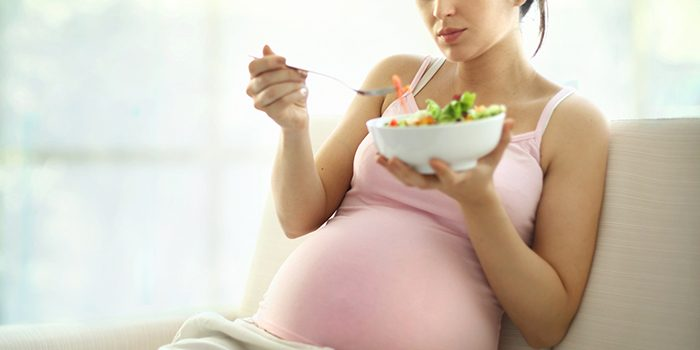
Embarking on the journey to parenthood is an exciting and transformative experience. Proper preparation before conception can significantly enhance the likelihood of a healthy pregnancy and baby. Here are some vital steps to consider when planning for pregnancy.

Health and Wellness Check

Before trying to conceive, schedule a preconception checkup with your healthcare provider. This visit allows for a comprehensive assessment of your overall health and any potential risk factors. Your doctor may review your medical history, current medications, and any pre-existing conditions that could impact pregnancy. It’s also an opportunity to ensure that vaccinations are up-to-date and to discuss any necessary lifestyle changes, such as quitting smoking or reducing alcohol consumption.

Nutritional and Lifestyle Adjustments

A balanced diet and healthy lifestyle are crucial for both parents-to-be. Women should start taking a prenatal vitamin with folic acid at least one month before trying to conceive, as it helps prevent neural tube defects. Focus on a diet rich in fruits, vegetables, whole grains, and lean proteins. Maintaining a healthy weight is also important, as being underweight or overweight can affect fertility and pregnancy outcomes.

Regular exercise can improve fertility and overall health. Aim for moderate physical activity, such as walking, swimming, or yoga. Additionally, limit exposure to harmful substances, including certain chemicals, heavy metals, and radiation, which can adversely affect reproductive health. Incorporating a balanced diet and creating a comfortable environment, often referred to as nesting in pregnancy, can further support a healthy reproductive system.

Mental and Emotional Preparation

The emotional well-being of both partners plays a significant role in preparing for pregnancy. Addressing stress, anxiety, or any unresolved emotional issues is essential for a healthy conception and pregnancy. Consider engaging in stress-reducing activities like mindfulness, meditation, or counseling. Open communication between partners about expectations, concerns, and shared responsibilities is also crucial.

Building a supportive network of family, friends, and healthcare professionals can provide emotional stability and practical assistance. Joining a support group for prospective parents can also offer valuable insights and encouragement.

Conclusion

Preparing for pregnancy involves a holistic approach that encompasses physical health, nutritional and lifestyle adjustments, and emotional readiness. By taking proactive steps, prospective parents can create a healthy foundation for conception and a smooth pregnancy journey. Ensuring that both partners are in optimal health and well-being not only increases the chances of a healthy pregnancy but also sets the stage for a positive parenting experience.

Nurturing Life: The Essential Benefits of Prenatal Vitamins

Pregnancy is a transformative journey for any woman, marked by profound physical and emotional changes. Amidst this journey, the significance of prenatal care cannot be overstated. One crucial aspect of prenatal care is the incorporation of prenatal vitamins into a mother’s daily routine. These supplements, specially formulated to support the unique needs of pregnant women, offer a multitude of benefits for both the mother and the developing baby.

Essential Nutrient Support

Prenatal vitamins serve as a vital source of essential nutrients crucial for the healthy development of the fetus. Folic acid, for instance, plays a pivotal role in preventing neural tube defects, such as spina bifida, during the early stages of pregnancy. Likewise, iron is indispensable for the production of hemoglobin, ensuring an adequate oxygen supply to both the mother and the baby. Additionally, prenatal vitamins often contain calcium and vitamin D, promoting strong bone development in the growing fetus. By providing these essential nutrients in optimal doses, prenatal vitamins safeguard the well-being of both mother and child, laying a solid foundation for a healthy pregnancy.

Maternal Health Support

Beyond supporting fetal development, prenatal vitamins also contribute significantly to maternal health. Pregnancy places increased demands on the mother’s body, depleting her nutrient stores and raising the risk of deficiencies. Prenatal vitamins replenish these essential nutrients, helping to mitigate the risk of complications such as anemia and preeclampsia. Moreover, certain vitamins, such as vitamin B6 and vitamin C, can alleviate common pregnancy discomforts like nausea and constipation, enhancing the mother’s overall well-being. By addressing maternal nutritional needs comprehensively, prenatal vitamins empower women to navigate the challenges of pregnancy with greater resilience and vitality.

Certain vitamins, such as vitamin B6 and vitamin C, can alleviate common pregnancy discomforts like nausea and constipation, while also helping to manage occurrences of Braxton Hicks contractions.

Long-Term Health Benefits

The benefits of prenatal vitamins extend beyond the pregnancy period, exerting a lasting impact on both mother and child. Research suggests that adequate maternal nutrition during pregnancy can influence the long-term health outcomes of the offspring, reducing the risk of chronic conditions such as obesity, diabetes, and cardiovascular disease later in life. Furthermore, breastfeeding mothers who continue taking prenatal vitamins postpartum can ensure that their breast milk remains rich in essential nutrients, nurturing the optimal growth and development of their infants. By prioritizing prenatal vitamin supplementation, mothers invest in the future health and well-being of their children, setting the stage for a lifetime of vitality.

Conclusion

In essence, prenatal vitamins serve as invaluable allies in the journey of pregnancy, offering a myriad of benefits for both mother and child. From supporting fetal development and maternal health to fostering long-term well-being, these supplements play a pivotal role in ensuring a healthy pregnancy and laying the groundwork for a vibrant future. By embracing prenatal vitamin supplementation as an integral component of prenatal care, mothers empower themselves to nurture and cherish the miracle of life unfolding within them, every step of the way.

Nourishing Mother and Baby: Essential Vitamins for a Healthy Pregnancy

Pregnancy is a transformative and delicate period in a woman’s life, during which the nutritional needs of both the mother and the developing fetus are of paramount importance. While maintaining a well-balanced diet is crucial, certain vitamins play a pivotal role in supporting a healthy pregnancy. These essential nutrients contribute to fetal development, maternal well-being, and the prevention of potential complications. In this article, we will explore the best vitamins to take during pregnancy, providing insights into their significance and sources.

Folic Acid

Folic acid, also known as vitamin B9, is a key nutrient that is especially vital during the early stages of pregnancy. It plays a crucial role in preventing neural tube defects in the developing fetus, which affect the brain and spinal cord. Adequate folic acid intake is recommended even before conception and during the first trimester. Leafy green vegetables, fortified cereals, and supplements are excellent sources of folic acid. Pregnant women are advised to consume 600 to 800 micrograms of folic acid daily to ensure optimal neural tube development and reduce the risk of birth defects.

Iron

Iron is an essential mineral that becomes even more critical during pregnancy due to the increased blood volume and the development of the placenta and fetus. Iron deficiency can lead to anemia, causing fatigue and increasing the risk of preterm birth and low birth weight. Pregnant women should aim to consume around 27 milligrams of iron daily. Good dietary sources of iron include lean meats, poultry, fish, fortified cereals, and legumes. In some cases, healthcare providers may recommend iron supplements to meet the increased demands during pregnancy. However, it’s essential to consult a healthcare professional before starting any supplements.

Calcium and Vitamin D

Calcium and vitamin D are essential for the development of the baby’s bones, teeth, and overall skeletal system. Calcium is also crucial for maintaining the mother’s bone density. Dairy products, fortified plant-based milk, leafy green vegetables, and nuts are excellent sources of calcium. Vitamin D facilitates the absorption of calcium and contributes to the baby’s immune system development. Sun exposure, fatty fish, and fortified foods are good sources of vitamin D. Pregnant women should aim for 1000 milligrams of calcium and 600 IU of vitamin D daily, either through diet or supplements as recommended by their healthcare provider. As part of their prenatal care, expectant mothers may consider incorporating perineal massage into their routine to promote perineal flexibility and potentially reduce the risk of tearing during childbirth.

Conclusion

In conclusion, ensuring a well-rounded intake of essential vitamins is integral to promoting a healthy pregnancy and optimal fetal development. Folic acid, iron, calcium, and vitamin D stand out as crucial components of a pregnancy-friendly diet. While obtaining these nutrients through a balanced diet is ideal, supplements may be recommended by healthcare professionals to meet specific requirements. Expectant mothers need to engage in open communication with their healthcare providers to tailor nutritional recommendations to their individual needs. By prioritizing these key vitamins, pregnant women can contribute to the well-being of both themselves and their developing babies, setting the foundation for a healthy and thriving pregnancy.

Nurturing Wellness: A Guide to Proper Health Care for Pregnant Women

Pregnancy is a transformative journey marked by joy and anticipation, and ensuring the well-being of both the mother and the growing life within is paramount. Proper care during this crucial period is essential for a healthy pregnancy and the birth of a thriving baby. Here, we explore key aspects of maternal health that pregnant women should prioritize to navigate this remarkable journey successfully.

Balanced Nutrition for Two

One of the foundational pillars of a healthy pregnancy is maintaining a well-balanced diet. The developing fetus relies entirely on the mother’s nutritional intake, making it imperative for expectant mothers to consume a variety of nutrient-rich foods. Essential nutrients such as folic acid, iron, calcium, and omega-3 fatty acids play a pivotal role in fetal development. Incorporating a diverse range of fruits, vegetables, whole grains, lean proteins, and dairy products can help meet these nutritional requirements. Consulting with a healthcare provider to determine the appropriate prenatal supplements is also crucial to fill potential gaps in the diet. Additionally, exploring morning sickness remedies may be beneficial for pregnant women experiencing nausea and discomfort.

Regular Exercise and Prenatal Fitness

Staying physically active during pregnancy offers a myriad of benefits, ranging from improved mood to enhanced stamina during labor. Engaging in moderate, low-impact exercises, such as walking, swimming, or prenatal yoga, can promote circulation, reduce stress, and ease common discomforts like back pain. However, it is essential to consult with a healthcare professional before starting any exercise regimen, as individual circumstances and health conditions vary. Tailoring the workout routine to the specific needs and comfort level of the expectant mother is key to ensuring a safe and effective fitness plan.

Routine Prenatal Care and Monitoring

Regular prenatal check-ups are the cornerstone of comprehensive healthcare during pregnancy. These appointments enable healthcare providers to monitor the health of both the mother and the developing baby, detect potential complications early, and provide timely interventions. Following the recommended schedule of prenatal visits, undergoing necessary tests, and actively communicating with healthcare professionals about any concerns or changes in health are crucial for a smooth pregnancy journey. It is also vital for pregnant women to adhere to prescribed medications and follow medical advice diligently to address any underlying health conditions.

Conclusion

Pregnancy is a unique and transformative period that demands careful attention to maternal health. By embracing a well-rounded approach encompassing balanced nutrition, appropriate exercise, and consistent prenatal care, expectant mothers can nurture their well-being and pave the way for a healthy and thriving pregnancy. Each step taken towards self-care contributes not only to the mother’s health but also to the optimal development of the precious life growing within. Prioritizing health during this remarkable journey is an investment in the well-being of both the present and the future.

Healthy Habits to Respect During Pregnancy

Pregnancy is a miraculous journey filled with excitement and anticipation, but it also demands special care and attention. The habits you maintain during this crucial period can significantly impact both your health and the well-being of your growing baby. It’s essential to prioritize healthy choices that promote a safe and comfortable pregnancy. In this article, we will explore three fundamental habits that should be respected during pregnancy to ensure a smooth and healthy gestation.

Proper Nutrition

A well-balanced diet is the cornerstone of a healthy pregnancy. It’s essential to consume a variety of nutrient-rich foods that provide the necessary vitamins and minerals for your baby’s growth and development. Some key dietary habits to respect during pregnancy include:

Folate and Iron Intake: Adequate folate and iron intake is crucial to prevent birth defects and anemia. Incorporate leafy greens, legumes, fortified cereals, and lean meats into your diet.

Hydration: Staying well-hydrated is essential to support the increased blood volume and amniotic fluid production. Aim for at least eight glasses of water daily and limit caffeine intake.

Avoid Harmful Substances: Steer clear of alcohol, tobacco, and recreational drugs, as these can have severe consequences for your baby’s health.

Balanced Meals: Opt for small, frequent meals to alleviate nausea and maintain stable blood sugar levels. Include a variety of fruits, vegetables, whole grains, and lean proteins in your diet.

Regular Exercise

Exercise during pregnancy offers numerous benefits, including improved mood, reduced pregnancy discomfort, and enhanced stamina for labor and delivery. However, it’s essential to exercise safely and respect the following habits:

Consult Your Healthcare Provider: Before starting or continuing any exercise routine, consult your healthcare provider to ensure it’s safe for your specific pregnancy.

Choose Low-Impact Activities: Opt for low-impact exercises like swimming, walking, and prenatal yoga to minimize strain on your joints and reduce the risk of injury.

Listen to Your Body: Pay attention to your body’s signals. If you experience dizziness, shortness of breath, or pain, stop exercising immediately and seek medical advice.

Stay Hydrated: Maintain proper hydration during exercise to prevent overheating. Wear breathable clothing, and exercise in a well-ventilated area. If pregnant, consult with a doctor before starting any exercise and consider prenatal vitamins to support your overall health.

Stress Management

Pregnancy can be emotionally and physically taxing, so it’s crucial to manage stress effectively to ensure the well-being of both you and your baby. Some stress management habits to respect during pregnancy include:

Relaxation Techniques: Practice relaxation methods like deep breathing, meditation, or prenatal massage to alleviate stress and promote emotional well-being.

Support System: Surround yourself with a strong support system, including friends, family, and healthcare professionals who can offer guidance and encouragement.

Adequate Rest: Ensure you get enough sleep and rest to rejuvenate your body and mind. Consider a pregnancy pillow to support comfortable sleep positions.

Time for Yourself: Set aside “me time” to engage in activities that bring you joy and relaxation. Whether it’s reading, listening to music, or enjoying a warm bath, prioritize self-care.

Conclusion

Respecting healthy habits during pregnancy is essential for the well-being of both you and your baby. Proper nutrition, regular exercise, and effective stress management are fundamental aspects of a safe and comfortable pregnancy. Remember that every pregnancy is unique, so consult with your healthcare provider to tailor these habits to your specific needs. By prioritizing these habits, you can embark on this incredible journey with confidence, knowing that you are providing the best possible environment for your baby’s growth and development.

Epidural Anesthesia for Childbirth: Balancing Comfort and Considerations

Introduction

Epidural anesthesia is a widely used medical intervention during childbirth that provides pain relief to women in labor. It involves the administration of local anesthetics and opioids into the epidural space of the spine, effectively numbing the lower half of the body while allowing the mother to remain awake and participate in the birthing process. Over the years, epidural anesthesia has become increasingly popular due to its effectiveness in alleviating labor pain. However, like any medical procedure, it comes with its set of advantages and disadvantages that must be carefully considered.

Advantages of Epidural Anesthesia for Childbirth

Effective Pain Relief: One of the most significant advantages of epidural anesthesia is its ability to provide excellent pain relief during labor and delivery, including in cases of molar pregnancy. By blocking the transmission of pain signals from the lower body to the brain, it allows the mother to experience reduced or even pain-free contractions, making the childbirth experience more comfortable and less traumatic.

Flexibility and Control: Epidural anesthesia allows for a degree of flexibility and control over the dosage. This means that the anesthesiologist can adjust the level of anesthesia according to the individual needs of each woman in labor. This personalized approach optimizes pain relief while minimizing potential side effects.

Rest and Relaxation: The relief from labor pain enables the mother to conserve her energy and relax during the lengthy and physically demanding childbirth process. This rest may be particularly beneficial in prolonged labor or when the mother is exhausted, allowing her to regain strength for the pushing stage.

Disadvantages of Epidural Anesthesia for Childbirth

Possible Side Effects: Epidurals can cause some side effects, though they are generally mild and temporary. These can include a drop in blood pressure, shivering, itching, or headache. In rare cases, more severe complications such as nerve damage or infections may occur, but the risk is low, especially when administered by experienced professionals.

Limited Mobility: While epidural anesthesia provides pain relief, it also numbs the lower body, which can lead to limited mobility. Some women may find it challenging to move or change positions during labor, potentially slowing down the progression of labor or making it harder to push during delivery.

Prolonged Labor: In some cases, epidurals have been associated with longer labor duration. The reduced sensation and mobility may hinder the natural progress of labor, leading to the use of interventions like oxytocin to augment contractions or increase the likelihood of instrumental delivery.

Conclusion

Epidural anesthesia is a valuable tool for managing labor pain and providing comfort to women during childbirth. Its effectiveness in pain relief and its adaptability to individual needs make it a popular choice for many expectant mothers. While there are potential side effects and drawbacks to consider, the benefits often outweigh the risks, especially when administered by skilled healthcare professionals in a controlled medical environment. Ultimately, the decision to opt for epidural anesthesia should be based on an informed discussion between the expectant mother and her healthcare provider, considering her specific medical history and preferences. By understanding the advantages and disadvantages, women can make well-informed choices about pain management during childbirth to ensure a safe and positive birthing experience.

Perineal Massage During Pregnancy

The pregnancy period can be very rough for a woman, and it comes with its fair share of challenges. That’s why trying various methods to alleviate the pain and discomfort is very important. This is where Perineal Massage comes into play.


What does it involve?


Perineal Massage requires the massage of an area named the perineum. This is the area between the vagina and the anus. Many times, this area can be damaged during childbirth, so it’s very important to massage the perineum from the 34th week of pregnancy onward. Some even go as early as when they are 20 weeks pregnant. The reason for that is it will help reduce any risk of damage, while even making the pregnancy process easier.


The benefits of Perineal Massage


One of the main advantages is that, as we mentioned earlier, it can protect the perineum and prepare it for childbirth. That might help eliminate any of the possible damage that can arise, which is extremely helpful and certainly something you want to take into consideration. You won’t have to deal with any tears or any need for an episiotomy, which is certainly a thing to keep in mind.
Another thing to note about the Perineal Massage is that it will also prevent stinging especially during birth, as the child’s head comes out. It’s also a great way for a woman to become more familiar with the stretching sensation that’s generated by birth, so it’s a thing that you need to take into account here.


Is Perineal Massage safe?


This massage is very safe, and it’s certainly the type of thing that will help a woman quite a bit. It’s not overly complex, but it does become a necessity if you want to prepare your body for the challenges of childbirth. Which is certainly something to keep in mind in a situation like this. Of course, there is a variety of demanding situations that can arise, and at the end of the day, your focus has to be on delivering an exceptional result.
It’s a good idea to prepare yourself for childbirth with a proper Perineal Massage. It’s very safe, and it will help eliminate a lot of the potential issues that can arise as you prepare for giving birth to your child. The Perineal Massage is efficient and one of the top methods that you can use especially in the long term. If you never tried it, you should consider this because it can make a huge difference!

Are pregnant For The First Time? Here’s What You Should Know!

Being pregnant for the first time is very challenging since there are so many changes happening to your body. Yet at the same time, you do want to be prepared for these changes and there are plenty of things to think about. With that in mind, we created a list of some of the main things to know when you are pregnant for the first time.

Bodily changes

Within the first 12 weeks, many changes are happening to your body. For example, you will feel that you have tender breasts and also hellp syndrome. On top of that, there are constant food cravings and you might even experience morning sickness. These things are normal and certainly the type of thing that will happen when you get pregnant, just something to consider here.

Taking supplements

Your body needs more prenatal vitamins and minerals while you are pregnant. Because of that, it makes a lot of sense to take some more supplements. Even if it might not seem like a whole lot, it’s going to help and it will surely make the process easier and better as a whole.

Stretches are important

These will help you unwind and also stay in shape. It makes sense to stretch and if you do end up with some stretch marks after your pregnancy, micro-needling and lasers can help. So it makes sense to keep that in mind.

Challenges faced during the 3rd trimester

This is when your body does experience a lot of major changes. These can be things like swelling, and weight gain, but also frequent urination. You want to avoid any rush and take all those things into account. It’s worth it and you will find it delivers a great experience and very good value. Which is exactly the thing to keep in mind.

Conclusion

There’s no denying that pregnancy can have its challenges. But if you know what to prepare for and what changes appear, then it’s a lot easier to tackle those situations. You do need to take your time and think about all the pros and cons. In the end, that can bring great potential and amazing results. With that in mind, you do need to talk with your doctor and ensure that everything is working exactly the way you want. That on its own can make a huge difference, and it’s exactly the thing to consider as much as possible when you prepare for your pregnancy!