Tag: 3D Animation

The Fascinating World of 3D Animation: Techniques, Applications, and Benefits

Three-dimensional (3D) animation is the process of creating moving images in a three-dimensional space. It is a popular form of animation used in various industries such as gaming, film, television, advertising, and education. 3D animation technology has advanced significantly in recent years, allowing artists and designers to create more realistic and detailed animations than ever before.

The Process of 3D Animation

The process of creating 3D animations is a complex and time-consuming one that involves several stages. These stages include modeling, rigging, texturing, animation, lighting, and rendering.

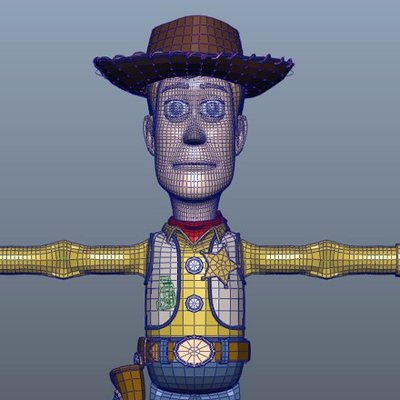
Modeling: The first stage of 3D animation is modeling. This involves creating a three-dimensional model of the character or object that will be animated. The model is created using software such as Maya, 3DS Max, or Blender. The modeler creates a wireframe of the character or object, and then adds detail to the model to make it more realistic.

Rigging: Once the model is complete, it needs to be rigged. Rigging involves adding a skeleton to the model, which will allow it to move and be animated. The skeleton is made up of bones, and the model is attached to the bones using a process called skinning.

Texturing: Texturing involves adding color and texture to the model. The texture artist creates the texture maps that will be applied to the model, which will give it its final look.

Animation: The animation stage is where the magic happens. The animator creates movement for the character or object. This involves setting keyframes, which are points in time where the character or object will be in a certain position or pose.

Lighting: Lighting is an important part of 3D animation as it can greatly affect the look and feel of the animation. The lighting artist sets up the lighting for the scene, which can include sunlight, artificial light sources, and ambient lighting.

Rendering: The final stage of 3D animation is rendering. This involves creating the final image or sequence of images. The computer calculates the movement of the objects in the scene and applies the lighting to create the final animation.

Applications of 3D Animation

Gaming: 3D animation is widely used in the gaming industry to create realistic characters and environments. The use of 3D animation allows game developers to create immersive experiences for players.

Film and Television: 3D animation is also used in the film and television industry to create special effects and animated characters. Films such as Toy Story and The Incredibles have used 3D animation to great effect.

Advertising: 3D animation is often used in advertising to create eye-catching visuals. It can be used to create product animations, explainer videos, and advertisements.

Education: 3D animation can also be used in education to create interactive learning experiences. It can be used to create simulations, animations, and virtual environments.

Benefits of 3D Animation

Realistic: 3D animation allows for the creation of highly realistic animations. This can be especially useful in industries such as gaming and film where realism is important.

Cost-effective: While the initial investment in 3D animation software and hardware can be high, 3D animation can be more cost-effective than traditional animation in the long run. Once a model has been created, it can be used again and again in different animations.

Versatile: 3D animation can be used in a wide range of industries and applications. It can be used to create anything from realistic characters to abstract shapes and patterns.

Interactive: 3D animation can be used to create interactive experiences for users. This can be especially useful in education and gaming.

If you want to learn 3D animation, here you can find great animation workshops.
Different Types of Animation Styles

Animations are one of the most amazing forms of entertainment, it is defined as the art of making picture paintings or drawings move or appear to move. It is mostly used by storytellers to capture the imagination of their audience. Animations come in several styles, and each of these styles differs in many ways. In this article, we provide you with some of the best styles of animations. You can learn a lot of things about animation at animation training.

2D style of animation:

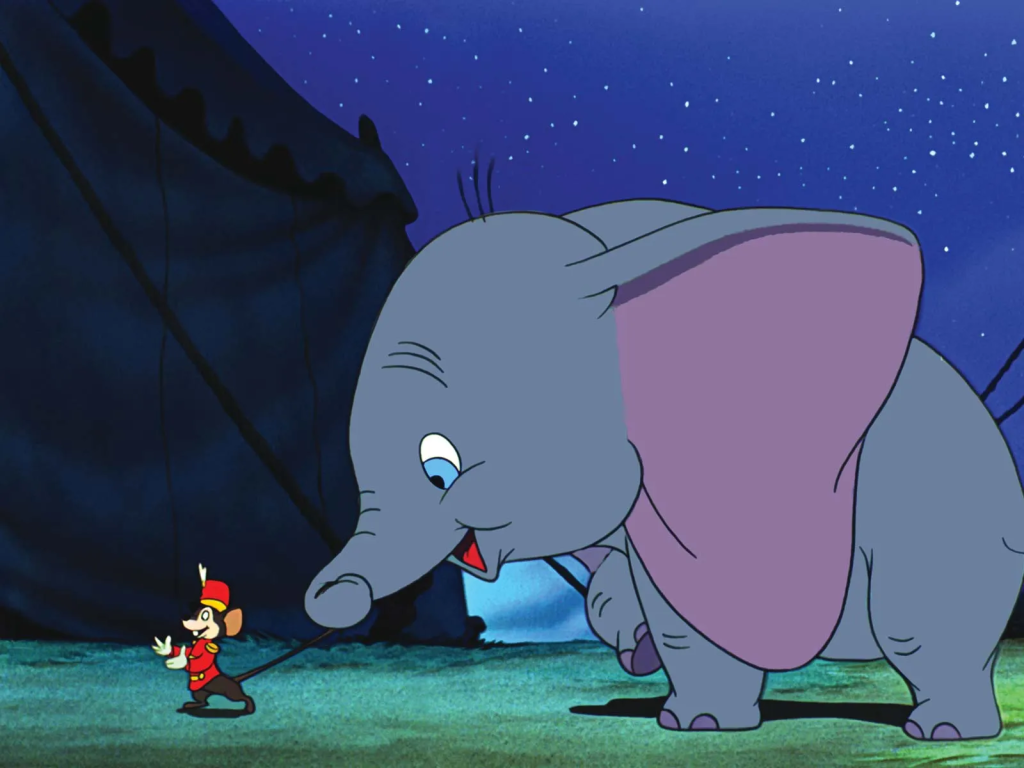
2D or 2-dimensional style of animation is one of the basic and commonest styles of animation in today’s world. 2D style of animation is the art of making drawings or picture paintings move in a 2-dimensional environment. Some of the most popular cartoon series in existence today are 2D-style animations. Examples of such animations include SpongeBob, the Simpsons, and the like. One distinct feature of 2d animation is that it does not require the fine ability to draw in details. This is because most of the work in 2D animation is done with some special types of software and just any paintings or drawings would make sense, especially when edited with this software.

3D style of animation

The 3D style of animation is another common style of animation that is very popular in today’s world. This is in contrast to 2D animation which was heavily used in the 20th century. The increasing sophistication of computers paved the way to have highly specialized software that can produce 3D motion graphic displays for animation. As you would have probably known, the 3D style of animation is a style of animation where picture paintings or drawings are rendered in a 3D environment. There are a lot of examples of 3D animation series, popular ones include Toy Story, Moana, and the like. 3D animation is usually generated with the use of computer software which creates computer-generated imagery, with this software, the computer manipulates the object created in different ways and poses simulating a 3 Dimensional structure. Note that unlike 2D, 3D style of animation requires fine drawing skills.

Stop Motion Animation

This is another style of animation that is similar to the 2D style of animation. The only difference is that in this type of style, real pictures are used instead of picture painting or drawings to generate animations. In the past, stop-motion animation was the best form of animation used by storytellers to project special experiences. However, the introduction of computer-generated imagery changed this. Nevertheless, it is still used to date. The drawdown is that it usually takes time as the animator would have to take pictures of the object as it changes positions. There are other sub-styles under this, you can have claymation, puppets, silhouette, and the like.

Motion Graphic style of animation

This is a special style of animation display that could either be 2D or 3D. It is mostly used for TV commercials, Sports events, and the like. Majorly, they are used to create the animation effect of any text, logo, or video clip. They are known to create illusionary motion.

In summary, each of these styles of animation is very useful for different purposes and offers storytellers a variety of options to choose to pass across their message. It is important to realize that there are no best styles, only what is suitable.

The Pros & Cons of Digital Painting Courses

Taking a digital painting course is a great idea and it has the potential to help you more than you might expect. A great digital painting course doesn’t have to be complex, it just needs to focus on the skills that you want to acquire. That’s why it makes a lot of sense to try such a course. It’s fun, and you get to enhance your skills too, so it delivers the best of both worlds, which is very hard to find in a situation like this.

The pros of Digital Painting Courses

What makes Digital Painting Courses amazing is the fact they are fun, engaging, and very creative. On top of that, you will find that they can easily cover any type of design topic you want, without having to deal with any downsides. Not only that, but you also get to learn at your own pace, something that can be incredibly helpful if you are busy.  

Most Digital Painting Courses are very affordable, so you don’t have to spend lots of money to attend a real-life course. And then there are other things like having a large variety of courses to choose from, all depending on your needs. It’s a great opportunity to enhance your painting skills and learn bit by bit. Plus, these courses are on-demand, so you can watch them as many times as you want, go through everything countless times, and so on.

The downsides of Digital Painting Courses

One issue would be tech problems, if you have internet problems and the courses can’t be downloaded, then you are unable to use the course. Then there are other things like internet stability, a bad connection can end up being problematic, so you do want to address that the best way that you can. Also, some people are better off learning in a face-to-face setting and won’t get accustomed to Digital Painting Courses.

Conclusion

As you can see, Digital Painting Courses are extraordinary and they can help you learn quite a lot of stuff. It’s a very good idea to get started with Digital Painting Courses because they bring amazing results and exceptional value. Plus, these courses are engaging, and they always allow you to test, but also improve your skills. That’s what makes them a wonderful way to become better painters. And since this can be a great skill you can monetize in the long run, it makes sense to check it out and give it a try!

What is 3D Animation? Everything You Should Know!

Creating an animation is great for presenting your business and showing off your expertise. There are many different options when it comes to creating animations, so here are some insights on what 3D Animations pertain to and what results you can achieve!

 What is 3D Animation?

3D Animation is a process where you place characters and objects in a 3D space and you manipulate them with the idea of generating motion. All these objects are 3D models that were assimilated in a digital environment. Sometimes these can even be scanned in a computer, which is something to keep in mind. You have the opportunity to create a unique perspective and push it to the next level in a way that’s innovative and exciting at the same time. You can learn all of this at animation classes.

What is the process for 3D Animation?

•             At first, you have modeling where you get to create the characters based on 3D models from the computer.

•             Once you model the characters, your focus is on doing character animation. You put the characters in scenes and then animate their movement with help from 3D animation.

•             After that, you enter a process called rendering. Here the animation is finalized and then it’s exported properly for the best possible results. The production process ends here, and then you have post-production where you integrate sound effects, music, special effects, and voice-over, depending on the situation!

Are there differences between 2D and 3D Animation?

Yes, there are. 2D animations are taking place in a flat world, and you just have the horizontal and vertical axis. For 3D Animation, you also have the third axis which adds a sense of depth. For 2D animations, you have a set of drawings on a flat plane. That’s not the case with 3D Animation where you have to use specialized software to add that sense of depth.

Is 3D Animation a great option?

Yes, 3D Animations can be used to not only promote your business but also show off your expertise and professionalism. On top of that, it can be perfect in the case of gaming, and movies, but also for product presentations and marketing. All you have to do is to start with a plan for the animation and then pursue the plan for great results. It can work very nicely, and you will be amazed at its efficiency and quality. Give 3D Animation a try and you will certainly appreciate its great features and solutions!