When The Sopranos premiered on HBO in 1999, few could have predicted the seismic impact it would have on television. Created by David Chase, the series followed the life of Tony Soprano, a mob boss struggling to balance his criminal empire with the demands of family life and his own mental health. Over six seasons, The Sopranos redefined what television could be, laying the foundation for the modern prestige drama. From its groundbreaking storytelling techniques to its exploration of morally complex characters, The Sopranos ushered in a new era of television, changing the landscape forever.
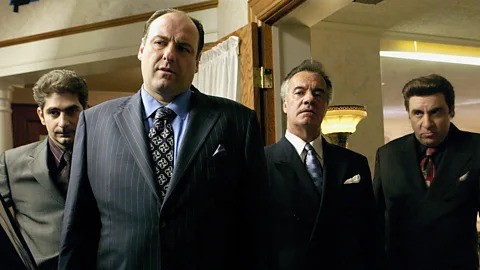
Breaking Away from Traditional TV Tropes
Before The Sopranos, television was largely dominated by episodic storytelling. Most dramas followed a procedural format—each episode featuring a self-contained story with little continuity between installments. The Sopranos broke this mold by adopting a serialized format, weaving intricate storylines that developed over multiple seasons. This approach allowed for deeper character development and more nuanced storytelling, drawing audiences into a world that felt both expansive and intimate.
The show also challenged traditional genre conventions. While ostensibly a crime drama, The Sopranos was much more than that—it was a family saga, a psychological study, and a darkly comedic examination of American life. It seamlessly blended humor with tragedy, violence with vulnerability, creating a rich, multi-layered narrative that defied categorization. The series pushed the boundaries of what was considered acceptable on television, portraying characters with moral complexity and stories with thematic depth that rivaled the best films of the time.
The Rise of the Antihero
One of the most significant contributions of The Sopranos to modern television was its protagonist, Tony Soprano (played masterfully by James Gandolfini). Unlike the clear-cut heroes of previous TV dramas, Tony was deeply flawed—a violent, manipulative criminal who was also strangely sympathetic. He struggled with depression, sought therapy, and showed moments of genuine love and tenderness toward his family, making him one of the most complex characters ever seen on television.
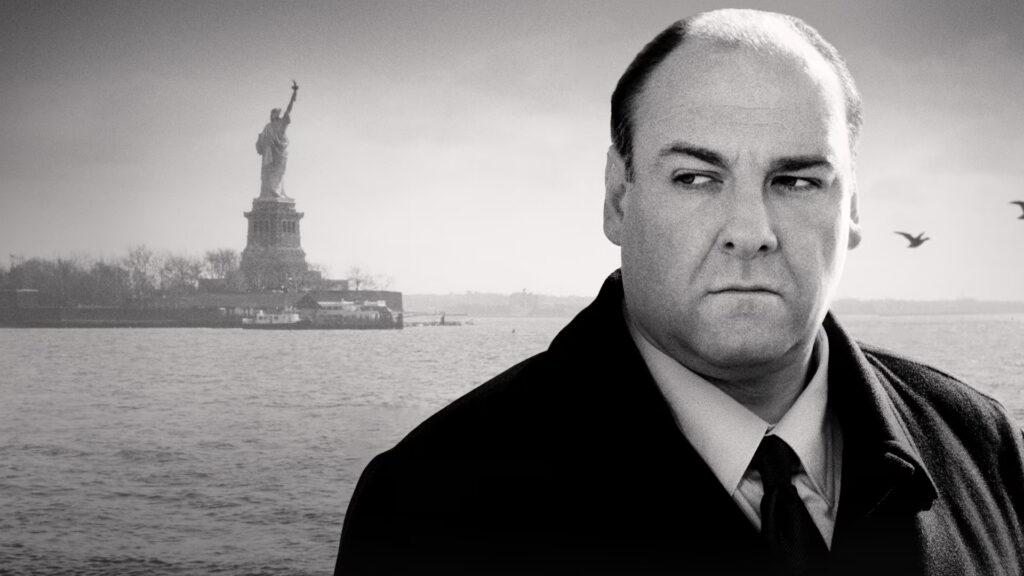
Tony’s moral ambiguity set the stage for a new wave of antiheroes in television, inspiring characters like Walter White (Breaking Bad), Don Draper (Mad Men), and Omar Little (The Wire). These protagonists, much like Tony, were not traditionally likable, but they were endlessly compelling. They blurred the line between hero and villain, forcing audiences to grapple with their own moral compass.
Additionally, the show’s depiction of therapy was revolutionary. The sessions between Tony and Dr. Jennifer Melfi (Lorraine Bracco) provided a rare and insightful look into the mind of a criminal, humanizing Tony without excusing his actions. This psychological depth added another layer to the storytelling, making it far more sophisticated than the typical crime drama.
Cinematic Storytelling on the Small Screen
The Sopranos elevated television by bringing a cinematic quality to the small screen. The show’s writing, direction, and production values were on par with the best Hollywood films of the time. David Chase, a veteran of network television, drew inspiration from classic cinema, particularly the works of Martin Scorsese and Francis Ford Coppola. Scenes were meticulously crafted, dialogue was sharp and naturalistic, and storytelling relied on visual symbolism as much as spoken words.
The show’s willingness to embrace ambiguity and subtlety set it apart. Unlike traditional TV dramas that spelled everything out for the audience, The Sopranos often left room for interpretation. Plot threads were left unresolved, dream sequences provided cryptic insights into Tony’s psyche, and the show’s infamous cut-to-black ending remains one of the most debated moments in television history. This level of artistic ambition raised the bar for what television could achieve.
The influence of The Sopranos on visual storytelling can also be seen in the way it used cinematography and editing techniques to mirror Tony’s mental state. Dream sequences, flashbacks, and surreal imagery gave audiences a deeper connection to Tony’s subconscious, making the show as much a psychological drama as a crime series. This artistic approach further reinforced the idea that television could be a legitimate medium for high art. If you’re seeking expert advice on family matters, consider consulting with Kelowna lawyers family law.
Redefining Violence and Realism
Crime dramas before The Sopranos often portrayed violence in a stylized, almost romanticized manner. The Sopranos took a different approach, depicting violence in a way that was sudden, brutal, and often shockingly realistic. Deaths were not glamorous but messy and emotionally impactful. This unflinching portrayal of violence made the show feel more authentic and heightened its dramatic stakes.
Beyond physical violence, The Sopranos also delved into psychological and emotional trauma. Tony’s struggles with anxiety and depression were groundbreaking in their depiction of mental health on television. His therapy sessions with Dr. Melfi served as a narrative device to explore his inner conflicts and the larger themes of the show, such as power, masculinity, and existential dread. If you’re facing issues with your kitchen hood, consider professional help, like kitchen hood repair in Los Angeles, to ensure your kitchen stays in top condition.
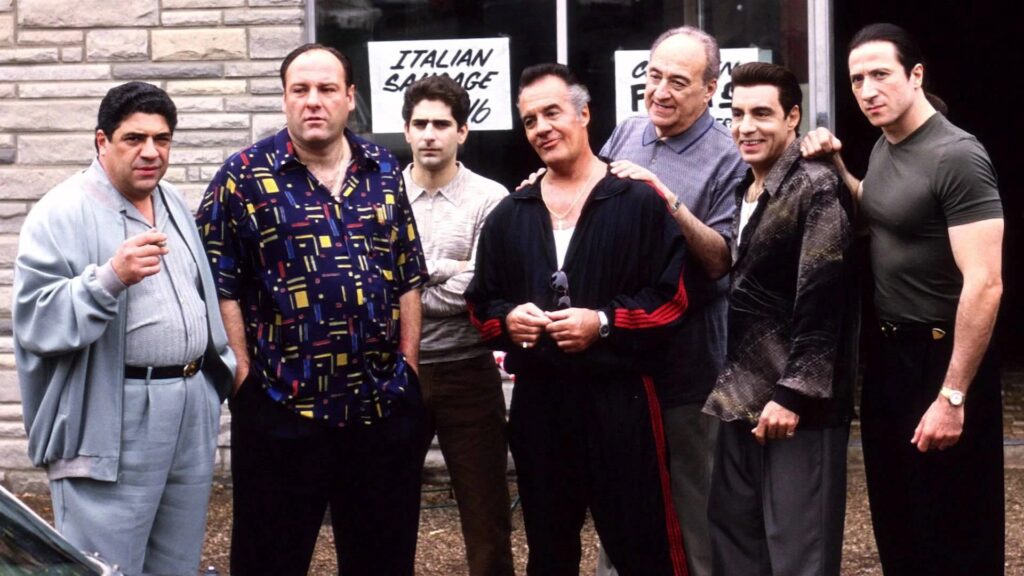
Moreover, the show explored the generational impact of crime and violence. Unlike traditional mob stories that glorified the mafia lifestyle, The Sopranos highlighted the toll it took on families. Tony’s relationships with his children, Meadow and A.J., demonstrated the struggles of trying to shield loved ones from the consequences of a criminal life. The series examined the cyclical nature of violence and the difficulty of breaking free from its grip.
The HBO Effect: Prestige TV is Born
While HBO had already gained a reputation for high-quality programming with shows like Oz and Sex and the City, The Sopranos took things to a new level. It demonstrated that television could be as sophisticated and compelling as the best films, proving that audiences were hungry for complex, adult-oriented storytelling.
The show’s success helped establish HBO as the home for prestige television, paving the way for other groundbreaking series like The Wire, Deadwood, and Game of Thrones. Other networks took notice, leading to the rise of cable dramas that prioritized artistic integrity over broad commercial appeal. This shift fundamentally changed the television industry, leading to the “Golden Age of TV.”
The success of The Sopranos also transformed how television was produced and consumed. The rise of serialized storytelling encouraged networks to invest in long-form narratives that required commitment from audiences. This ultimately influenced the binge-watching culture that would become dominant with the advent of streaming services. Shows like Breaking Bad and Mad Men capitalized on this trend, further solidifying the legacy of The Sopranos as the catalyst for prestige TV.
A Legacy That Endures
Even decades after its finale, The Sopranos continues to influence television. Shows like Breaking Bad, Mad Men, and Better Call Saul owe a direct debt to its storytelling approach and character-driven narratives. Streaming services like Netflix, Amazon Prime, and HBO Max have adopted the serialized, binge-worthy format that The Sopranos helped popularize, proving that its impact extends far beyond its original run. For those looking to enter a rewarding field, behavioral health technician training offers valuable skills that make a meaningful difference in people’s lives.
Moreover, the themes explored in The Sopranos—the decline of the American Dream, the struggles of masculinity, the consequences of violence—remain as relevant as ever. Its ability to mix high art with mainstream entertainment set a new benchmark for what television could accomplish, ensuring its place as one of the most influential TV series of all time.
Conclusion
The Sopranos was more than just a television show; it was a cultural phenomenon that redefined the medium. By embracing serialized storytelling, introducing morally complex characters, and elevating television to a cinematic level, it set the stage for the modern prestige drama. Without The Sopranos, there would be no Breaking Bad, Mad Men, or The Wire—and television as we know it today would look very different. If you’re looking for a quick and hassle-free way to move on from your property, consider ways to sell your home for cash.
Its legacy continues to be felt, not just in the shows it directly inspired, but in the broader expectations audiences now have for quality television. The Sopranos proved that television could be as powerful and thought-provoking as film, a shift that has forever altered the entertainment industry. Its influence extends beyond storytelling techniques; it changed how TV is produced, consumed, and appreciated. In many ways, the show was ahead of its time, and even years later, it remains a benchmark against which all great television is measured.