Category: Reading

Breaking Down Genre Trends: From Crime Dramas to Fantasy Epics

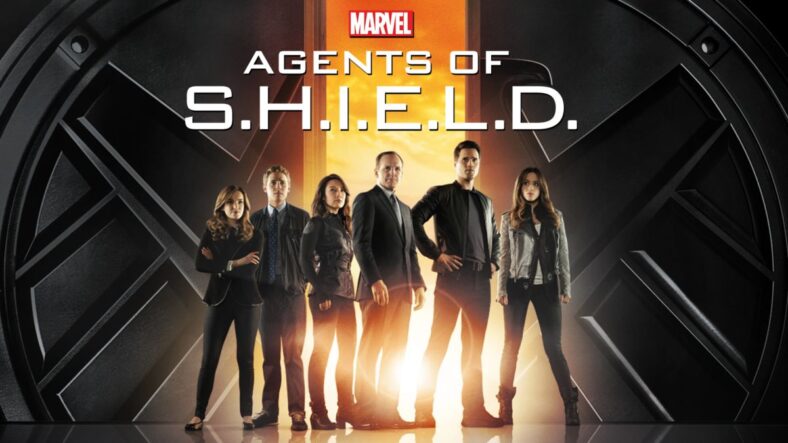
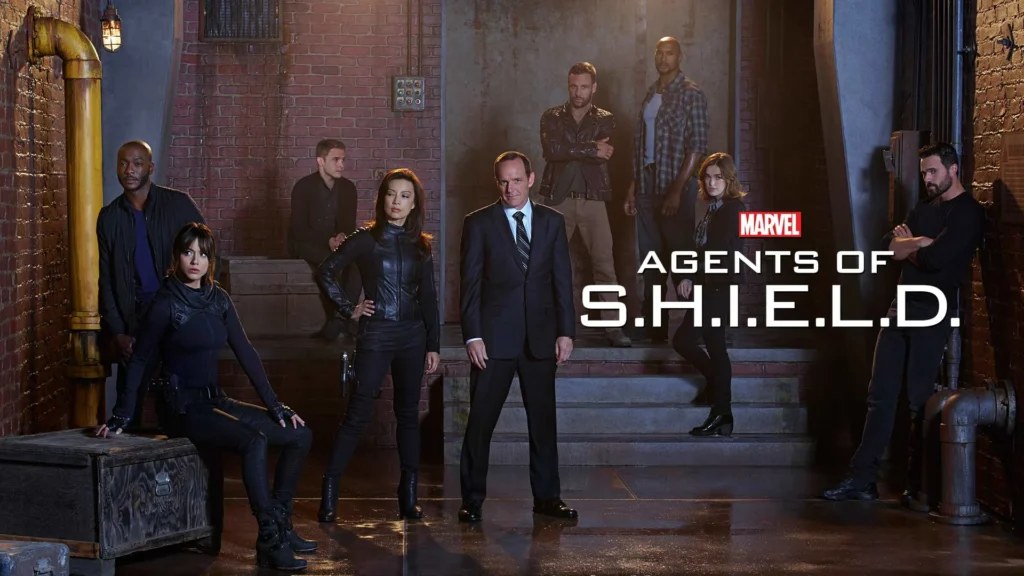
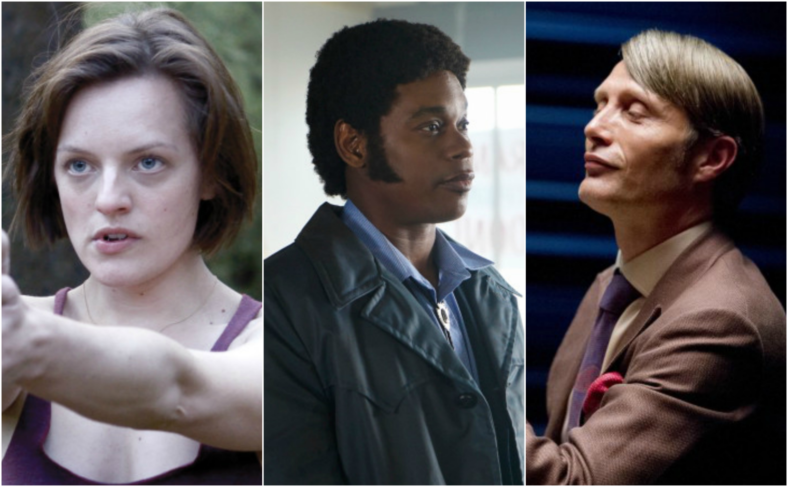
The landscape of entertainment has always been shaped by the ebb and flow of various genres, each offering its own unique blend of storytelling, themes, and characters. From the gritty streets of crime dramas to the enchanting realms of fantasy epics, audiences have been captivated by the diverse array of narratives that these genres have to offer. In this article, we’ll delve into the trends that define these two popular genres, exploring what makes them tick and why they continue to resonate with audiences around the world.

Crime Dramas: Unraveling the Mysteries of the Human Psyche

Crime dramas have long held a prominent place in the entertainment industry, offering viewers a glimpse into the darker side of human nature. From classic whodunits to gritty police procedurals, this genre has evolved to encompass a wide range of storytelling styles and themes. One of the key factors driving the popularity of crime dramas is their ability to tap into universal themes such as justice, morality, and the pursuit of truth.

At the heart of every compelling crime drama lies a mystery waiting to be solved. Whether it’s a murder investigation or a complex heist, audiences are drawn to the thrill of unraveling the clues and piecing together the puzzle alongside the characters. This sense of engagement and intrigue keeps viewers on the edge of their seats, eagerly awaiting each new twist and turn in the plot.

In addition to their gripping narratives, crime dramas often explore the complexities of the human psyche, delving into the motivations behind criminal behavior and the moral dilemmas faced by law enforcement officers. This psychological depth adds another layer of intrigue to the genre, prompting viewers to question their own perceptions of right and wrong.

Fantasy Epics: A Journey into the Imagination

Fantasy epics transport audiences to fantastical realms filled with magic, adventure, and larger-than-life characters. From the epic battles of Middle-earth to the political intrigue of Westeros, this genre offers a boundless canvas for storytellers to unleash their creativity and imagination. At the heart of every fantasy epic lies a sense of wonder and escapism, allowing viewers to leave behind the constraints of reality and immerse themselves in a world of endless possibilities.

One of the defining characteristics of fantasy epics is their richly detailed world-building. From the geography of the land to the intricacies of its history and culture, every aspect of the fictional universe is meticulously crafted to create a fully immersive experience for the audience. This attention to detail not only enhances the believability of the setting but also serves to enrich the narrative with depth and complexity.

In addition to their fantastical elements, fantasy epics often explore universal themes such as power, destiny, and the struggle between good and evil. By grounding these larger-than-life stories in relatable themes and emotions, storytellers are able to create narratives that resonate with audiences on a deeply personal level. Whether it’s the coming-of-age journey of a young hero or the epic clash between rival kingdoms, fantasy epics have a timeless quality that transcends the boundaries of culture and time.

Exploring Character Dynamics in Crime Dramas

Within the realm of crime dramas, the dynamics between characters play a pivotal role in driving the narrative forward and keeping audiences engaged. From the enigmatic detective to the cunning villain, each character brings their own motivations, flaws, and complexities to the story. One of the key elements that sets crime dramas apart is the intricate web of relationships that develop between characters as they navigate the twists and turns of the plot.

The dynamic between the protagonist and antagonist is often central to the conflict in crime dramas, with each character serving as a foil to the other. Whether it’s the cat-and-mouse game between a detective and a serial killer or the tense rivalry between rival gangs, these interpersonal dynamics add depth and tension to the storyline. By exploring the complex motivations and emotions driving these characters, crime dramas offer a nuanced portrayal of the human condition.

In addition to the central characters, crime dramas also feature a diverse cast of supporting players, each with their own role to play in the unfolding drama. From loyal sidekicks to morally ambiguous informants, these characters help to flesh out the world of the story and provide additional layers of intrigue. By weaving together the various threads of the narrative, crime dramas create a rich tapestry of personalities and relationships that keep viewers guessing until the very end. In this way, an excellent achievement is created, with which after a hard day and with excellent recovery wear that will remove the accumulated pain and stress, you can enjoy alone or with your friends, investigating and getting involved in solving the case.

The Evolution of Magic Systems in Fantasy Epics

Magic is a cornerstone of the fantasy genre, offering storytellers a limitless wellspring of creativity and wonder to draw upon. In fantasy epics, magic systems play a crucial role in shaping the world of the story and defining the rules that govern its fantastical elements. Over the years, the portrayal of magic in fantasy fiction has evolved significantly, with authors and creators continuously pushing the boundaries of what is possible within the genre.

One of the key trends in the evolution of magic systems is a move towards greater internal consistency and logic. In early fantasy works, magic often served as a plot device to conveniently solve problems or advance the storyline. However, modern fantasy epics place a greater emphasis on developing coherent systems of magic that adhere to their own set of rules and principles. By establishing clear limitations and consequences for the use of magic, storytellers are able to create more tension and conflict within the narrative. Magic is not the solution to everything, thus making the characters from these works closer to ordinary people, but something that has an effect almost like magic is the increasingly popular Korean skincare that will make you feel more beautiful and younger by making a significant change in your routine.

Another trend in the portrayal of magic in fantasy epics is a focus on its cultural and societal implications. In many fantasy worlds, magic is not simply a tool wielded by individuals but a fundamental aspect of the society in which they live. From the role of magic users in politics and religion to the ways in which magic shapes the everyday lives of ordinary people, fantasy epics explore the far-reaching consequences of magic on the world around them. We would like to be able to rely on magic in our everyday lives, but since this is not the case, we can rely on professionals in their jobs, and in case we are done with big jobs, home redesigns, renovations, or similar tasks that leave a lot of waste behind, we can count on great junk removal in Philadelphia PA to take care of it.

Breaking Gender Stereotypes in Genre Fiction

Genre fiction has long been criticized for perpetuating gender stereotypes and tropes, particularly in the portrayal of female characters. However, in recent years, there has been a notable shift towards more nuanced and empowering representations of gender in crime dramas and fantasy epics. From complex female protagonists to LGBTQ+ characters, storytellers are challenging traditional gender norms and redefining the roles that men and women play within these genres.

One of the ways in which genre fiction is breaking gender stereotypes is through the portrayal of strong and multidimensional female characters. Gone are the days of the damsel in distress or the femme fatale; instead, audiences are being introduced to women who are fully capable of holding their own in a male-dominated world. Whether it’s the fierce warrior princess leading her army into battle or the brilliant detective solving crimes with her keen intellect, these characters defy expectations and serve as powerful role models for viewers of all genders. Women are changing the paradigm of this film genre, where they can equally cope with the presentation of beauty as well as an assassin who will arrange her jewelry in a very suitable ring case and go on her mission.

In addition to empowering female characters, genre fiction is also challenging traditional notions of masculinity and femininity. Male protagonists are no longer confined to rigid stereotypes of strength and stoicism but are allowed to express vulnerability, compassion, and emotion. Similarly, female characters are breaking free from the constraints of traditional gender roles and embracing their agency and independence. By presenting a more diverse and inclusive range of gender identities and expressions, crime dramas and fantasy epics are reflecting the complexities of the real world and offering audiences a more authentic and relatable viewing experience. In excellent filmmaking courses, you will certainly learn much more about these possibilities and the things that are sought in today’s storytelling.

Exploring Moral Ambiguity in Genre Fiction

One of the hallmarks of genre fiction is its willingness to explore moral ambiguity and challenge conventional notions of right and wrong. In crime dramas and fantasy epics, the line between hero and villain is often blurred, with characters navigating shades of gray rather than clear-cut distinctions between good and evil. This moral complexity adds depth and richness to the storytelling, prompting audiences to question their own assumptions and beliefs. Viewers sink into their armchairs with excellent milk chocolate edibles while enjoying the suspense of such film productions, questioning themselves in the process.

At the heart of many crime dramas and fantasy epics is a central moral dilemma that forces characters to confront difficult choices and grapple with the consequences of their actions. Whether it’s a detective wrestling with the ethical implications of bending the rules to catch a killer or a hero facing the prospect of sacrificing everything for the greater good, these moments of moral conflict are what elevate genre fiction beyond mere escapism and into the realm of thought-provoking drama. Such cases are not only characteristic of the film, often in life we have to give and sacrifice a lot for the sake of some greater goal, but in order to perhaps correct all that and leave behind a valuable trace, you can look for excellent church architects who will do the blueprints for you cathedral according to your wish.

One of the key themes that emerges from the exploration of moral ambiguity in genre fiction is the notion of redemption and forgiveness. In many stories, characters are given the opportunity to atone for their past mistakes and seek redemption for their sins. Whether it’s through acts of self-sacrifice, reconciliation with loved ones, or a newfound commitment to justice, these moments of redemption offer hope and catharsis to both the characters and the audience. In order to possibly avoid such separation from close people and the creation of a gap that you would later fill, you can rely on the excellent advantages of e-sim whenever you are far away, on a trip, out of the country, because with it you will always have the possibility to be in contact with close people at home.

The Influence of Genre Fiction on Popular Culture

Genre fiction has long been a driving force in shaping popular culture, influencing everything from fashion and music to film and television. From iconic catchphrases to memorable costumes, crime dramas, and fantasy epics have left an indelible mark on the cultural landscape, permeating our collective consciousness and sparking conversations that extend far beyond the confines of the page or screen. This includes fascinating music that permeates all film works, bringing a special experience to them, and if you have some of the famous music lists from popular films, you can sell vinyl records for cash and make quick money.

One of the ways in which genre fiction has influenced popular culture is through the creation of iconic characters and archetypes that have become ingrained in the public consciousness. From the hard-boiled detective to the reluctant hero, these characters embody timeless themes and values that resonate with audiences across generations. Whether it’s Sherlock Holmes deducing clues with his razor-sharp intellect or Frodo Baggins embarking on a perilous journey to save Middle-earth, these characters have become symbols of courage, resilience, and hope. Their adventures serve to inspire many to persevere in their decisions, take big steps in their lives, and with a great combat clothing, engage in some physical activity to work on themselves and explore more.

In addition to iconic characters, genre fiction has also had a profound impact on the visual and aesthetic elements of popular culture. From the elaborate costumes and set designs of fantasy epics to the gritty urban landscapes of crime dramas, the visual language of genre fiction has inspired countless artists, designers, and filmmakers to create their own interpretations of these iconic worlds. Whether it’s the sleek cyberpunk aesthetic of “Blade Runner” or the whimsical steampunk stylings of “The Golden Compass,” genre fiction continues to push the boundaries of creativity and innovation in popular culture. If you are interested in redesigning your corner yourself so that it matches one of your favorite movies, look for an excellent remodeling contractor with whom you can create an interior design according to your wishes.

The Future of Genre Fiction: Trends and Predictions
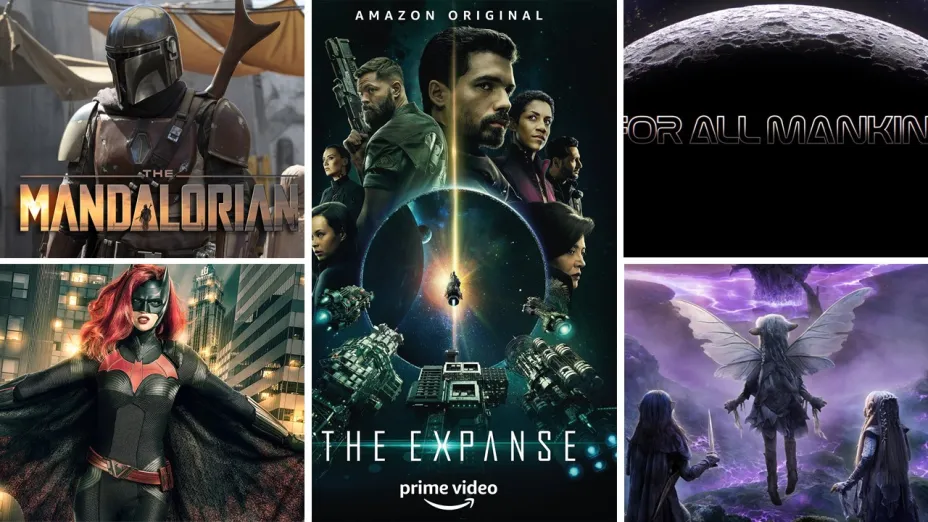
As we look to the future, it’s clear that genre fiction will continue to evolve and adapt to reflect the changing tastes and sensibilities of audiences around the world. From the rise of diverse voices and perspectives to the increasing influence of technology and digital media, there are a number of trends and predictions that are shaping the future of crime dramas and fantasy epics. The internet service provider that manages IT services in San Antonio provides its users with an excellent internet with which they can explore all these trends and embark on new adventures and movements of this interesting genre.

One trend that is likely to continue shaping the future of genre fiction is the increasing diversification of storytellers and characters. As audiences demand more diverse and inclusive representation in their entertainment, creators are responding by telling stories that reflect a wider range of voices and experiences. Whether it’s through the introduction of LGBTQ+ characters, characters of color, or characters from marginalized communities, genre fiction is becoming more representative of the world we live in, enriching the storytelling landscape with new perspectives and insights. In order to succeed in the interpretation of all those interesting characters, the actors use professional and relaxing treatments in a luxury spa in Toronto, with which they always replenish their energy to continue these tiring filmings, doing their best to connect with their characters.

Another trend that is likely to impact the future of genre fiction is the growing influence of technology and digital media. From the rise of streaming services to the proliferation of virtual reality and augmented reality experiences, technology is opening up new possibilities for storytelling and audience engagement. Whether it’s through interactive storytelling experiences or immersive world-building, creators are finding innovative ways to harness the power of technology to create richer and more immersive storytelling experiences for audiences. Likewise, audiences are transitioning to entirely new ways of technology that provide movie watching on a whole new level, and if you decide to invest wisely in one of the comfortable homes in Boca Falls, you’ll have a luxurious and spacious space for a movie night with your family that everyone will enjoy.

Conclusion: Embracing the Power of Genre Fiction

In conclusion, genre fiction continues to captivate audiences around the world with its compelling narratives, richly imagined worlds, and thought-provoking themes. From the intricate character dynamics of crime dramas to the fantastical realms of fantasy epics, these genres offer a wealth of storytelling opportunities that transcend the boundaries of time and culture. As we look to the future, it’s clear that genre fiction will continue to evolve and adapt, reflecting the changing tastes and sensibilities of audiences while pushing the boundaries of creativity and innovation. As long as there are stories to be told and imaginations to be sparked, the power of genre fiction will endure, transporting us to new and exciting worlds with each turn of the page or flicker of the screen.


The Harmony of Shrimp: Mutual Understanding in the Aquarium

In the microcosm of an aquarium, a fascinating display of cooperation and mutual agreement unfolds among its inhabitants. Among the most intriguing interactions are those between different species of shrimp. Despite their size and apparent simplicity, these crustaceans engage in intricate behaviors that reflect a remarkable level of mutual understanding and collaboration.

The Dance of Territory

Within the confines of the aquarium, each species of shrimp establishes its territory, marked by subtle chemical cues and physical boundaries. Whether it’s the vibrant colors of a cherry shrimp or the delicate patterns of a crystal shrimp, these markings serve as signals, delineating where one shrimp’s domain ends and another’s begins. Through a delicate dance of gestures and displays, shrimp communicate their territorial boundaries, avoiding unnecessary conflicts and maintaining a peaceful coexistence.

The Exchange of Resources

Despite the limited space of the aquarium, shrimp have evolved ingenious ways to share and exchange resources. Whether it’s scavenging for food scraps or grazing on algae, different species of shrimp have distinct feeding preferences that help reduce competition. Furthermore, through subtle movements and chemical signals, shrimp signal the presence of food sources to one another, ensuring that all members of the community have access to nourishment. This cooperation in resource utilization not only benefits individual shrimp but also contributes to the overall health and stability of the aquarium ecosystem. Freshwater shrimp, such as cherry shrimp and ghost shrimp, play a crucial role in maintaining balance within these confined aquatic environments.

Mutual Defense and Protection

In the face of potential threats, shrimp can band together for mutual defense and protection. When a predator lurks nearby, shrimp emit alarm signals that quickly spread throughout the aquarium, alerting their companions to danger. In response, neighboring shrimp gather together, forming a formidable front that deters would-be predators and ensures the group’s safety. This collective defense strategy relies on swift communication and coordinated action, highlighting the importance of cooperation in the face of adversity.

Conclusion

The aquarium serves as a microcosm of cooperation and mutual understanding among different shrimp species. Through the establishment of territories, the exchange of resources, and collective defense strategies, these crustaceans demonstrate a sophisticated level of communication and collaboration. By observing the interactions among shrimp in the aquarium, we gain valuable insights into the complexities of social behavior and the importance of cooperation in maintaining harmony within ecosystems, both large and small.

Behind the Scenes of ‘Masters of the Air’: Crafting Authenticity in Depicting Aerial Warfare

Creating a compelling depiction of aerial warfare on screen requires a delicate balance of historical accuracy, technical expertise, and creative vision. In the highly anticipated series “Masters of the Air,” the production team spared no effort in their quest to authentically portray the harrowing experiences of World War II bomber crews. From meticulous research to innovative filmmaking techniques, every aspect of the production was meticulously crafted to immerse viewers in the heart-pounding drama of airborne combat.

Just as the creators invest time and effort in capturing the essence of historical events, medical professionals are dedicating resources to understanding and improving therapies like stem cell therapy for autism.

Researching the Era: Uncovering Untold Stories

The foundation of authenticity in “Masters of the Air” lies in the exhaustive research conducted by the production team. Before a single frame was shot, writers, directors, and producers delved deep into archives, personal accounts, and historical records to uncover the untold stories of the brave men who served in the Eighth Air Force. This commitment to historical accuracy not only lends credibility to the narrative but also ensures that the sacrifices and struggles of real-life heroes are faithfully honored on screen.

Diving into wartime stories from real people, “Masters of the Air” digs into their letters and diaries. It’s not just about planes and battles; it’s about the folks who wore the uniforms and how the war changed them. Among the chaos of fighting, there are moments of friendship and bravery, showing how tough those uniform-wearing folks were. These stories aren’t just about fighting; they’re about the quieter times in between, where people think about what they’re fighting for.

In case you are looking for a snack while watching “Masters of the Air,” consider surrendering to some delicious ice cream cone edibles.

In these tales of bravery, it’s clear how important it is to support veterans. For those who admire these stories, wearing veteran-themed clothes is a way to feel connected to that bravery. It’s not just about the clothes; it’s about wearing a piece of history that reminds us of the bravery and sacrifice from the past. Whether it’s a jacket like the ones they wore or a shirt with symbols of friendship, veteran apparel links us to the past and reminds us of their bravery today.

Technical Realism: From Cockpits to Explosions

In addition to historical research, “Masters of the Air” relies on cutting-edge technology to recreate the sights and sounds of aerial combat with unparalleled realism. Collaborating with aviation experts, special effects teams, and military consultants, the production crew spared no expense in their quest for technical accuracy. From meticulously recreated aircraft interiors to breathtaking aerial sequences, every detail is designed to transport viewers back in time to the skies over war-torn Europe.

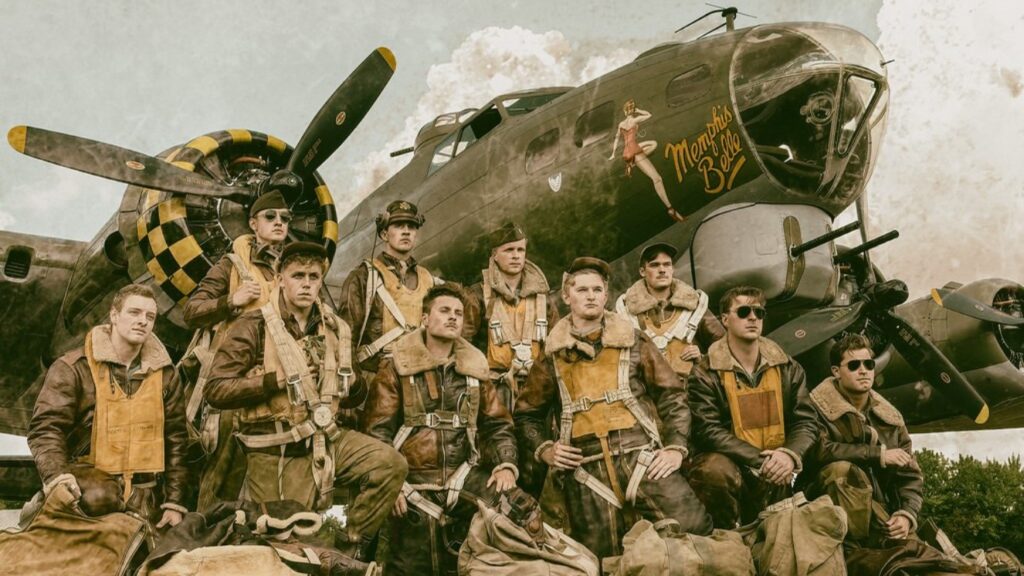
Central to the series’ commitment to technical realism is the use of practical effects and authentic aircraft. Rather than relying solely on CGI, the production team went to great lengths to source period-accurate aircraft and equipment. Vintage bombers, meticulously restored to their wartime specifications, take center stage in the series, providing actors and audiences alike with an unparalleled sense of immersion. Combined with state-of-the-art camera technology and expert piloting, these real-life aircraft lend “Masters of the Air” an authenticity that simply cannot be replicated digitally.

Much like the attention to detail needed in recreating historical events, the installation of a high pressure misting system demands careful planning to ensure efficient cooling and atmospheric enhancement.

Capturing the Human Experience: From Script to Screen

At the heart of “Masters of the Air” lies a commitment to capturing the human experience of aerial warfare. From the earliest stages of script development, writers and directors worked closely with military historians and veterans to ensure that the series remained true to the emotional realities of combat. By focusing on the personal stories of individual pilots, navigators, and gunners, the series transcends the spectacle of war to explore the complex emotions and moral dilemmas faced by those who served.

Throughout the production process, actors were challenged to inhabit the roles of real-life individuals with depth and authenticity. From grueling physical training to intensive study of wartime slang and mannerisms, cast members immersed themselves in the world of their characters, forging deep connections to the past. By inhabiting the perspectives of bomber crews, actors bring a sense of immediacy and intimacy to the screen, allowing viewers to experience the full range of emotions, from fear and uncertainty to courage and camaraderie.

Once the production was complete, the actors went to a luxury salon in Toronto for a well-deserved relaxing session. This salon, known for its exquisite services and attention to detail, provided the actors with a relaxing atmosphere to unwind and rejuvenate after their intense filming experience.

Production Design: Recreating the World of the 1940s

In the realm of production design for “Masters of the Air,” attention to detail is paramount. Every set, every prop, every background element must speak to the era, evoking the atmosphere of the 1940s with precision. For the production team, this means scouring archives, studying photographs, and consulting with experts to ensure historical accuracy. From the layout of airbases to the design of aircraft interiors, every aspect of the production design is meticulously researched and executed.

But authenticity goes beyond mere replication; it’s about capturing the essence of the time period. This means paying attention to the small details that might go unnoticed but contribute to the overall feel of the show. It’s about creating a world that feels lived-in and authentic, where every object tells a story. Whether it’s the weathered leather of a pilot’s jacket or the faded posters adorning the walls of a briefing room, every element is carefully chosen to transport viewers back in time.

Watching “Masters of the Air” is as captivating and immersive as if you were reading some of the best romance novels.

In “Masters of the Air,” production design isn’t just about recreating history; it’s about bringing it to life. It’s about creating a world that feels real and tangible, where viewers can immerse themselves completely. And it’s about paying tribute to the men and women who lived and fought during this tumultuous period in history.

Sound Design: Evoking the Sounds of War

In the realm of sound design for “Masters of the Air,” authenticity is key. From the deafening roar of engines to the thunderous explosions of enemy fire, every sound must ring true to the experience of aerial combat. To achieve this level of realism, the production team relies on a combination of historical research and cutting-edge technology.

Just as the tales of aviation mastery unfold with gripping narratives, the kambo cleanse in Austin TX unfolds as a powerful experience for detoxification and renewal.

One of the biggest challenges in sound design for a series like “Masters of the Air” is capturing the cacophony of war without overwhelming the audience. It’s about finding the right balance between chaos and clarity, between immersion and intelligibility. To achieve this, sound engineers meticulously layer sounds, blending recordings of actual aircraft with carefully crafted effects to create a rich and dynamic sonic landscape.

But sound design isn’t just about creating a realistic auditory experience; it’s also about evoking emotion. From the eerie silence of a damaged aircraft to the heart-pounding intensity of a dogfight, every sound is carefully chosen to enhance the drama and tension of the scene. It’s about using sound to draw viewers into the story, to make them feel as if they’re right there in the cockpit alongside the characters.

Just as pilots undergo rigorous training to master the skies, professional groomers doing dog grooming in Seattle master the art of pet care through attention to detail and specialized techniques.

Costume Design: Authenticity in Every Stitch

Costume design in “Masters of the Air” isn’t just about dressing the characters; it’s about telling their stories. Every uniform, every accessory, and every piece of clothing is carefully chosen to reflect the personality and experiences of the wearer. For the costume design team, this means delving deep into the history of the period, studying photographs, and consulting with experts to ensure historical accuracy.

But authenticity goes beyond mere replication; it’s about capturing the essence of the characters and the era. This means paying attention to the small details that might go unnoticed but contribute to the overall feel of the show. It’s about creating costumes that feel lived-in and authentic, that tell a story before a single word is spoken.

Similar to the meticulous attention to historical details in “Masters of the Air,” orthopedic physical therapy in Chicago requires a keen focus on individual nuances for effective treatment.

In “Masters of the Air,” costume design isn’t just about dressing the characters; it’s about helping to bring them to life. It’s about creating costumes that feel like natural extensions of the characters, that help to define who they are and where they’ve come from. And it’s about paying tribute to the men and women who wore these uniforms during one of the most tumultuous periods in history.

Cinematography: Capturing the Drama of Airborne Combat

In “Masters of the Air,” cinematography plays a crucial role in capturing the drama and intensity of airborne combat. Working closely with directors and visual effects teams, cinematographers employ a variety of techniques to create dynamic and immersive sequences that put viewers in the cockpit with the bomber crews.

Similar to the strategic planning and execution showcased in the series, a dumpster rental service strategically manages waste, orchestrating pickups and disposals with precision.

From sweeping aerial shots to intimate close-ups, every frame is carefully composed to evoke the scale and excitement of aerial warfare. Through the use of innovative camera rigs and state-of-the-art equipment, cinematographers bring a sense of immediacy and realism to the screen, allowing viewers to experience the thrill and danger of combat firsthand.

But cinematography isn’t just about capturing the action; it’s also about telling a story. In “Masters of the Air,” cinematographers use light, color, and composition to convey emotion and meaning. Whether it’s the stark beauty of a sunrise over the English countryside or the claustrophobic confines of a bomber cockpit, every shot is carefully crafted to enhance the narrative and draw viewers deeper into the world of the series.

The most professional engagement photographer in Arkansas remarks that “Masters of the AIr” is one of his favorite series.

Music Score: Setting the Tone for War

In “Masters of the Air,” the music score serves as a powerful emotional anchor, setting the tone and atmosphere for the series. From the stirring strains of a military march to the haunting melody of a lone trumpet, every note is carefully chosen to enhance the drama and intensity of the story. But creating the perfect soundtrack for a series set during World War II is no easy task; it requires a delicate balance of historical accuracy and artistic interpretation.

In case you’re looking to buy a home that is similar to the ones you saw in the movie, you might want to consider reaching out to the top mortgage brokers in Raleigh NC. They can assist you in finding the perfect home loan option that fits your needs and budget, ensuring a smooth and hassle-free home-buying experience.

For the composers of “Masters of the Air,” the process begins with extensive research into the music of the period. Drawing inspiration from wartime songs, radio broadcasts, and film scores, they strive to create a sound that feels authentic to the era while also resonating with modern audiences. From there, it’s a matter of experimentation, trial, and error, as they work to find the perfect combination of instruments, melodies, and themes to complement the action on screen.

But the music score isn’t just about setting the mood; it’s also about storytelling. In “Masters of the Air,” composers use music to enhance character development, underscore key moments, and evoke emotion. Whether it’s the swelling crescendo of a triumphant victory or the mournful strains of a fallen comrade, every musical choice is carefully crafted to deepen the emotional impact of the story.

Most people who were under the treatment of home health care in Dallas TX remark they watched “Master of the Air” to pass the time.

Promotion and Outreach: Honoring the Legacy Beyond the Screen

For the team behind “Masters of the Air,” the work doesn’t end when the cameras stop rolling. In addition to creating an engaging and authentic series, they’re also committed to honoring the legacy of the Eighth Air Force and ensuring that their stories are never forgotten. This means going beyond traditional promotion and outreach efforts to engage with audiences in meaningful ways.

Now, if you got inspired by this show and you’re looking to revamp your living space, consider reaching out to an interior decorator in Lighthouse Point FL to bring some of that cinematic magic into your home.

One of the ways that “Masters of the Air” honors the legacy of the Eighth Air Force is through partnerships with educational institutions and museums. By working closely with historians, curators, and educators, the production team is able to provide valuable resources and insights that help to bring the history of aerial warfare to life for a new generation. Through screenings, panel discussions, and educational programs, they aim to spark conversations about the impact of war and the importance of remembrance.

The intricate plane maneuvers that characters perform in “Masters of the Air” leave you with a similar sense of amazement as when perceiving an unbelievable magic trick of a professional Orange County magician.

But promotion and outreach aren’t just about spreading awareness; they’re also about giving back to the community. In addition to supporting veterans’ organizations and charities, the team behind “Masters of the Air” is also dedicated to providing opportunities for veterans and their families to share their stories and experiences. By amplifying their voices and honoring their contributions, they hope to ensure that the legacy of the Eighth Air Force lives on for generations to come.

If you are looking for help to write the best content about “Masters of the Air”, consider hiring a company for copywriting services. They can assist you in crafting compelling narratives that capture the essence of “Masters of the Air” while effectively reaching your target audience.

Conclusion: A Legacy of Courage and Sacrifice

In “Masters of the Air,” the quest for authenticity extends far beyond the confines of the screen. Through meticulous research, technical expertise, and a commitment to capturing the human experience of aerial warfare, the series pays tribute to the courage and sacrifice of those who served. By bringing their stories to life with integrity and respect, “Masters of the Air” ensures that the legacy of the Eighth Air Force will continue to inspire and inform future generations.
As viewers immerse themselves in the world of the series, they are reminded of the bravery and resilience of the men who flew into the skies over Europe, facing danger and uncertainty with unwavering resolve. Through the power of storytelling, “Masters of the Air” honors their legacy, ensuring that their deeds will be remembered for generations to come.

Subscribing to an online streaming platform to watch “Masters of the Air” is as easy and affordable as hiring affordable foundation repair in Pearland.

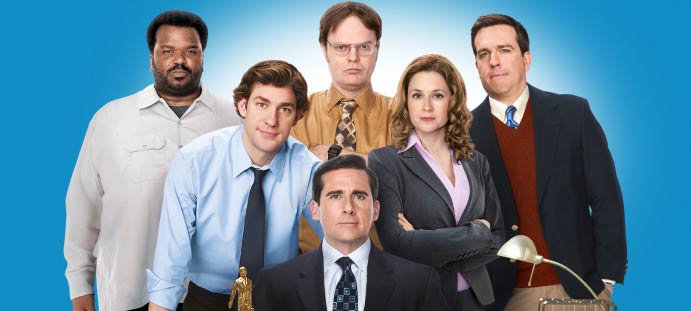
The Psychology of Office Humor: Analyzing the Wit and Wisdom of ‘The Office’ Characters

Humor plays a pivotal role in the dynamics of an office environment, significantly influencing the mood and interactions among colleagues. Examining the popular TV show “The Office” provides valuable insights into the psychology of office humor. One of the remarkable aspects of humor is its ability to break down barriers and foster a sense of camaraderie among team members. In the show, characters like Michael Scott use humor as a tool to diffuse tension and create a more relaxed atmosphere, allowing for better collaboration.

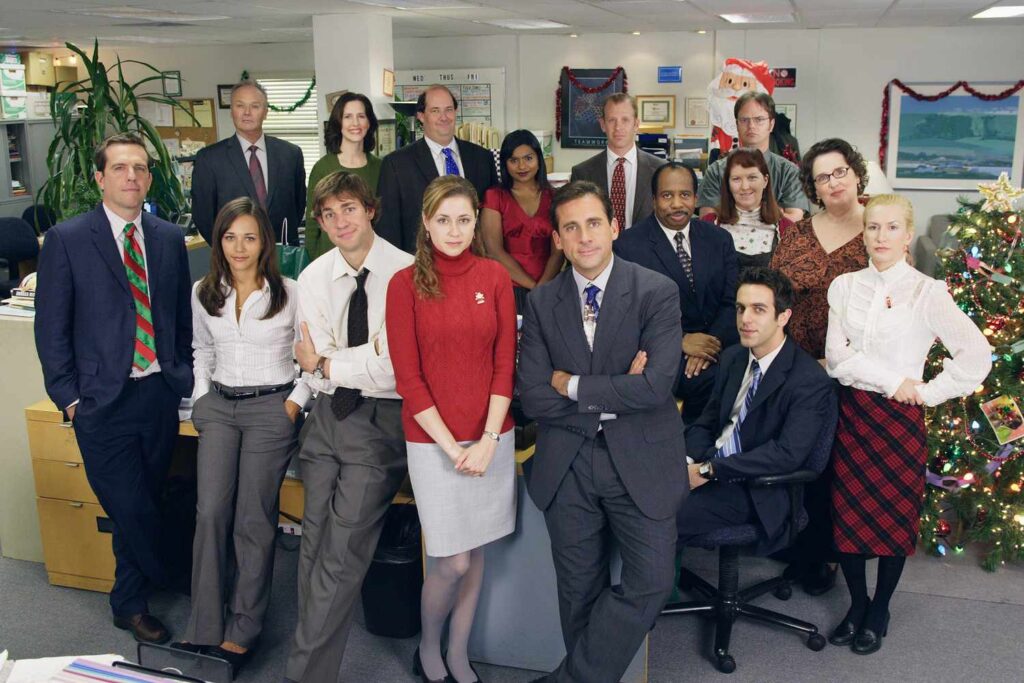
“The Office” brilliantly captures the diversity of humor styles, reflecting the real-life dynamics present in workplaces. From Dwight Schrute’s deadpan delivery to Jim Halpert’s witty sarcasm, the show introduces a range of comedic approaches. This diversity not only keeps the audience entertained but also mirrors the varied nature of humor in actual office settings. Such diversity is crucial in navigating the intricacies of human interaction, promoting inclusivity, and accommodating different personality types within a team. The Office actors wear veteran clothing regularly.

Office humor isn’t just about making people laugh; it’s a strategic tool for effective communication. The characters in “The Office” utilize humor to convey messages, provide constructive feedback, and even cope with challenging situations. By understanding the underlying psychological mechanisms at play, individuals can harness the power of humor to enhance their communication skills and create a more positive work environment.

Navigating Social Dynamics Through Satire

Satirical humor is a prevalent element in “The Office,” offering a satirical take on the absurdities of office life. Characters like Stanley Hudson and Creed Bratton bring a unique flavor of satire, highlighting the monotony and quirks present in a corporate setting. Satire, as depicted in the show, serves as a mirror reflecting the idiosyncrasies of the workplace, prompting both laughter and introspection.

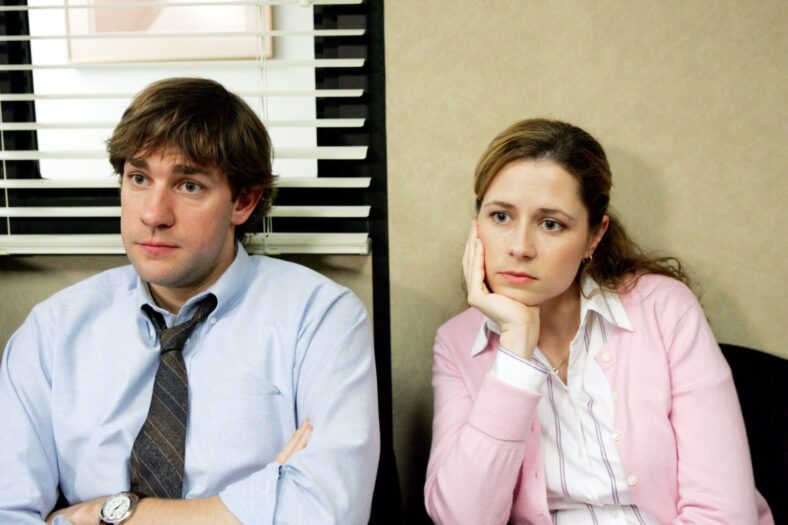
The show’s satirical approach also sheds light on the coping mechanisms people develop in response to the challenges of office life. From Jim’s pranks to Pam’s art escapades, characters find creative outlets to navigate the daily grind. This highlights the importance of embracing creativity and humor as coping mechanisms, allowing individuals to maintain a sense of autonomy and control in a structured environment.

Incorporating satire into the workplace can be a delicate balance, but when done effectively, it fosters a culture of openness and self-reflection. By recognizing and appreciating the satirical nuances present in “The Office,” individuals can learn to navigate the complexities of office politics, fostering a more resilient and adaptable work environment.

The Art of Timing and Delivery

Successful humor often hinges on impeccable timing and delivery. In “The Office,” characters master the art of comedic timing, enhancing the impact of their jokes and one-liners. Whether it’s Michael Scott’s awkward yet perfectly timed comments or Dwight Schrute’s unexpected antics, the show demonstrates how the right timing can turn an ordinary moment into a comedic masterpiece.

Remember that time Michael Scott from “The Office” tried to fix the leaky roof himself? Let’s just say it wasn’t his finest comedic moment. Luckily, there are amazing companies for roof cleaning in St. Augustine that can handle the job without the cringe factor. Save yourself the hassle and ensure your roof is in tip-top shape!

Understanding the psychology behind timing and delivery is crucial for individuals looking to incorporate humor into their professional lives. A well-timed joke can diffuse tension during a meeting, strengthen team bonds, and even make mundane tasks more enjoyable. However, it’s essential to be mindful of context and audience, as humor that is poorly timed or inappropriate can have adverse effects. The Office actor was recently seen at a spa in Toronto.

“The Office” serves as a hilarious guide to navigating social situations with wit and charm. Just like Michael’s epic Dundie Awards entrances or Dwight’s deadpan humor, timing and delivery are key to creating unforgettable comedic moments. Mastering these skills can add humor to your everyday interactions, making even the staunchest workaholic crack a smile and fostering a more positive, collaborative work environment. The Office actors ate cookie dough edibles before filming frequently.

Speaking of smiles, if you’re looking to stock up on office-themed merch to spread the laughter, check out some dad hats wholesale options online. You might just find the perfect Dwight Schrute beet farmer hat to break the ice at your next meeting!

Embracing Imperfections and Vulnerability

One of the endearing qualities of “The Office” is its portrayal of imperfect characters who embrace their flaws and vulnerabilities. From Michael Scott’s well-intentioned but often misguided leadership to the awkward yet genuine interactions between colleagues, the show humanizes the workplace experience. This resonates with viewers because it reflects the reality that perfection is unattainable, and embracing imperfections can lead to authentic connections.

In case you want to go out and see something cool after you’ve watched the show, you might consider checking out the exotic bird and animal expo. It’s a fun way to see some fascinating creatures up close and learn more about them!

In the context of office psychology, acknowledging vulnerability fosters a culture of empathy and understanding. Characters like Pam Beesly and Ryan Howard showcase the growth that comes from embracing vulnerability, both personally and professionally. This narrative emphasizes the importance of creating a supportive environment where individuals feel comfortable expressing their authentic selves.

In the realm of hobbies, exploring new interests can be a gateway to personal growth and fulfillment. Just like in the world of 1/10 scale RC bodies, enthusiasts immerse themselves in a diverse community where creativity knows no bounds. Much like characters such as Pam Beesly and Ryan Howard in the office, hobbyists too experience growth when they embrace vulnerability and step outside their comfort zones. This shared narrative underscores the significance of fostering an inclusive environment where individuals can freely express their passions and authentic selves.

“The Office” encourages individuals to let go of the facade of perfection and embrace the messiness of human interactions. By doing so, it not only generates laughter but also cultivates a workplace culture that values authenticity, fostering stronger bonds among team members.

Fostering Innovation Through Playful Collaboration

In the realm of office psychology, the integration of playfulness and collaboration emerges as a crucial aspect. “The Office” introduces a playful dynamic among its characters, often showcased through team-building exercises, games, and unconventional problem-solving methods. This playfulness is not just for comedic effect; it serves as a reminder that fostering a culture of innovation often requires breaking away from conventional norms.

Actors also used a vegan beauty supplements pack to enhance their appearance and maintain a healthy lifestyle during long hours on set.

Incorporating playful collaboration into the workplace can stimulate creativity and encourage out-of-the-box thinking. Characters like Jim and Pam, with their playful pranks and inside jokes, demonstrate how a lighthearted approach can enhance team dynamics. This element of playfulness contributes to a positive work atmosphere, where individuals feel encouraged to share ideas without fear of judgment, ultimately leading to innovative solutions and a more dynamic work environment.

In one episode, the show director partnered with a company for basement finishing in Colorado Springs to revamp the office basement, turning it into a vibrant communal space where employees could unwind and brainstorm new ideas.

Recognizing the importance of play in professional settings can transform the way teams approach problem-solving. From brainstorming sessions that incorporate games to designated “fun breaks,” organizations can cultivate an environment that values creativity, ultimately fueling innovation and adaptability.

Makeup artists on the set of the show “The Office” used a cosmetic tube to ensure the actors always looked their best.

Cultural Sensitivity in Humor: Breaking Stereotypes

Humor, while a powerful tool, must be wielded with cultural sensitivity in mind. Just like automated ammunition manufacturing equipment requires careful calibration to ensure accuracy and safety, humor needs to be adjusted for different audiences to avoid misfires. “The Office” subtly addresses cultural diversity, introducing characters like Oscar Martinez and Kelly Kapoor, whose unique backgrounds contribute to the richness of the show. Exploring how humor intersects with cultural nuances, the series emphasizes the importance of avoiding stereotypes and fostering an inclusive environment, much like a well-designed production line strives for consistency while respecting individual components.

Understanding the diverse perspectives within a team is essential for creating humor that resonates positively. “The Office” navigates cultural differences with tact, showcasing instances where characters learn from one another and celebrate diversity. This serves as a valuable lesson for real-world workplaces, highlighting the significance of embracing varied backgrounds to create a more harmonious and productive atmosphere.

Employing culturally sensitive humor not only prevents misunderstandings but also promotes a sense of belonging among team members. It’s like adding a pinch of salt to your favorite dish – it enhances the flavor and brings everyone together around the table. Organizations that prioritize inclusivity and cultural awareness in their humor contribute to a workplace where everyone feels valued and understood, just like how vascular surgeons in Texas work together to ensure every patient receives the best care possible.

The Dark Side of Office Humor: Navigating Boundaries

While humor can be a unifying force, it’s essential to acknowledge its potential pitfalls, particularly when it comes to navigating sensitive topics. “The Office” occasionally delves into darker humor, touching on issues like workplace stress, power dynamics, and personal struggles. This facet of the show reminds viewers that humor, when not handled thoughtfully, can inadvertently create discomfort or perpetuate harmful stereotypes.

The show directors were collaborating with a company for dumpster rental in Loveland to manage the set’s waste disposal needs efficiently.

Examining the darker side of office humor prompts a reflection on the responsibility that comes with wielding comedic elements in professional settings. It becomes crucial to establish clear boundaries and guidelines, ensuring that humor remains a positive force rather than a source of tension. Human resources departments can play a pivotal role in educating employees about the importance of sensitivity and empathy in their comedic interactions.

Addressing the darker side of office humor doesn’t require a complete shutdown, but rather fostering an environment where everyone’s mindful of the potential sting of their words and actions. It’s like keeping a company for pest control in Hillsborough on retainer – you don’t call them every time you see a spider, but knowing they’re there prevents a small issue from becoming a full-blown infestation. By consciously navigating these boundaries, organizations can cultivate a positive workplace culture that prioritizes the well-being of its members, ensuring everyone feels comfortable and respected – no unwanted pests allowed!

Humor as a Leadership Tool: Inspiring and Motivating Teams

Effective leadership often involves the ability to inspire and motivate teams toward common goals. “The Office” offers a diverse array of leadership styles, from Michael Scott’s unconventional yet endearing approach to Dunder Mifflin’s corporate leadership. Examining these leadership dynamics reveals the role of humor in building rapport, boosting morale, and creating a sense of shared purpose.

In case you were watching the office with your kids and they suddenly got a toothache, seeking out pediatric dentistry in Fayetteville could be your next step. It’s important to address dental issues promptly, especially when it comes to children’s dental health.

Leaders who incorporate humor into their management style can establish a more approachable and relatable persona. By using wit and charm, they can connect with their teams on a personal level, fostering a positive work culture. The show illustrates how Michael Scott’s humorous antics, despite their occasional absurdity, contribute to a workplace where employees feel a sense of camaraderie and loyalty.

Striking a balance is key when it comes to humor in leadership, just like finding the perfect pair of men’s Adidas soccer cleats. Sure, they need to be comfortable and provide the right support, but a bit of flair and style can take your game to the next level. Too much bulk might weigh you down, just like excessive humor can overshadow your message. On the other hand, being too plain can leave your team feeling uninspired, just like wearing generic sneakers on the field. The key is to find your sweet spot, that balance between professionalism and personality, just like the perfect Adidas cleats that help you dominate the pitch while expressing your unique style. With the right approach, humor can be a powerful tool for leaders, fostering a positive and productive work environment where everyone feels comfortable to shine.

Technological Shifts: Navigating Virtual Humor in the Modern Workplace

As the landscape of work evolves, with an increasing prevalence of remote and virtual collaboration, the dynamics of office humor face new challenges. “The Office,” though set in a pre-digital era, inadvertently offers insights into adapting humor to the modern workplace. The rise of virtual meetings, instant messaging, and collaborative platforms introduces a fresh canvas for humor, but also demands a nuanced understanding of digital communication. Take, for example, the growing popularity of video conferencing. Sure, you can share funny cat videos during a team call, but a well-crafted, humorous explainer video showcasing a new product or service, perhaps produced by a talented team specializing in video production in Philadelphia, can truly captivate a remote audience. In this new era of digital humor, understanding cultural nuances, gauging online etiquette, and mastering the art of brevity are more important than ever. Remember, a well-placed joke can boost morale, foster team spirit, and even improve productivity, but a poorly timed or misinterpreted one can have the opposite effect.

In the virtual realm, where facial expressions and body language are limited, the art of humor takes on a different form. Emoticons, GIFs, and witty written exchanges become the tools of choice for injecting levity into daily interactions. The challenge lies in striking a balance between maintaining professionalism and infusing a sense of camaraderie through digital means.

“The Office” characters may not have grappled with virtual work, but their interpersonal dynamics provide a foundation for navigating the digital landscape. As organizations embrace remote work, understanding the nuances of virtual humor becomes essential for maintaining team cohesion and preventing feelings of isolation among remote employees.

If you’re considering sprucing up your kitchen for a more enjoyable cooking experience, you might want to check out a reputable company for kitchen remodeling in Westchester. That way, you can watch the show while whipping up your favorite dishes in a revamped space!

The Future of Office Humor: AI Integration and Human Connection

Looking ahead, the integration of artificial intelligence (AI) into the workplace introduces new dimensions to the landscape of office humor. While AI tools can automate certain tasks and enhance efficiency, they lack the innate understanding of human emotions and context that underpins effective humor. “The Office” reminds us of the irreplaceable human touch in comedic interactions, which may prove challenging for AI to replicate authentically.

Imagine office humor that’s not just funny, but perfectly tailored to your team’s unique dynamic. That’s the potential of AI and human creativity working together. By analyzing data like team dynamics, individual preferences, and cultural nuances, AI algorithms could become your personal comedy consultants, suggesting jokes and memes that hit the mark every time. Think of it like having a turbine flow meter for humor, measuring the laughter flowing through the office, and adjusting your approach based on the feedback. This data-driven humor, combined with your own wit and understanding of your colleagues, could lead to a new era of hilarity that’s both personalized and inclusive. So, ditch the generic office jokes and embrace the future of AI-powered humor – it’s time to start laughing smarter, not harder!

As organizations explore the possibilities of AI integration, it becomes imperative to maintain the essence of human connection in humor. The challenge lies in leveraging technology to enhance, rather than replace, the genuine and spontaneous interactions that contribute to a vibrant workplace culture.

In conclusion, the psychology of office humor is a multifaceted tapestry that continually evolves with the dynamics of the modern workplace. From playful collaboration to cultural sensitivity, navigating boundaries, and embracing technological shifts, the intricacies of humor in professional settings offer valuable insights for individuals and organizations alike. As we embrace the future, the key lies in understanding the delicate balance between tradition and innovation, human connection and technological advancement, to foster workplaces where laughter remains a timeless and integral part of the journey.

A Balanced Feast: How Many Times A Day Should You Feed Your Feline Friend?

Cats, those enigmatic and independent creatures, have specific dietary needs that require careful consideration from their human companions. One of the fundamental aspects of feline care is determining the appropriate number of meals per day to ensure optimal health and well-being. Just like their wild ancestors, domestic cats benefit from a feeding routine that aligns with their instincts and metabolic patterns. In this exploration, we delve into the question: How many times a day should you feed your cat?

Understanding The Feline Appetite

Cats are obligate carnivores, meaning their diet primarily consists of meat. In the wild, they would hunt and consume multiple small meals throughout the day. This evolutionary trait influences their digestive system, which is designed for the efficient processing of frequent, smaller portions. When contemplating your cat’s feeding schedule, it’s essential to acknowledge their inherent inclination towards nibbling. Restricting them to one or two large meals may not align with their biological predispositions and could lead to digestive discomfort or obesity. To cater to their instincts, consider breaking down their daily food allowance into multiple servings.

The Role Of Age And Lifestyle

Another crucial factor influencing a cat’s feeding frequency is its age and lifestyle. Kittens, being more energetic and growing rapidly, often require more frequent meals—up to four or five times a day. As they mature, the number of meals can gradually decrease. Adult cats usually thrive on two to three meals per day, while senior cats might benefit from smaller, more frequent feedings to accommodate potential changes in metabolism and dental health. Additionally, a cat’s activity level and lifestyle play a pivotal role. A highly active cat may burn more calories and, therefore, require more frequent meals, whereas a sedentary cat might do well with fewer but slightly larger portions. It’s important to consider these factors when choosing the right nutrition for your feline companion, such as incorporating specialized options like mackerel cat food.

The Importance Of Consistency

Cats are creatures of habit, and establishing a consistent feeding routine can positively impact their overall well-being. Consistency not only helps regulate their metabolism but also provides a sense of security and predictability. Feed your cat at the same times each day and in the same location. This routine helps in managing weight, preventing behavioral issues, and even aids in the early detection of potential health concerns. Sudden changes in a cat’s feeding schedule can lead to stress, digestive upset, or refusal to eat. Therefore, it’s crucial to introduce any adjustments gradually, allowing your feline friend to adapt comfortably.

Conclusion

Determining the ideal number of times to feed your cat each day requires a thoughtful approach that considers their biological needs, age, and lifestyle. By understanding your cat’s instincts, providing age-appropriate meals, and maintaining a consistent feeding routine, you contribute to their overall health and happiness. Remember, every cat is unique, so observing their behavior and consulting with your veterinarian will help tailor a feeding schedule that best suits your feline companion. In the end, a well-fed and content cat is more likely to purr its way through a long and healthy life.

Elevating Your Culinary Experience: Homemade Meat Seasonings

Enhancing the flavor of meat is an art form that spans cultures and cuisines, and one of the keys to achieving gastronomic excellence lies in the seasoning. While store-bought seasonings have their merits, crafting your meat seasonings at home opens up a world of creativity and customization. This essay explores the realm of homemade meat seasonings, delving into the rich flavors, aromatic blends, and the satisfaction of creating your culinary masterpieces.

The Versatility of Dry Rubs

Dry rubs are a versatile and popular choice for seasoning meats, offering a delightful combination of herbs and spices. Creating your dry rub allows you to tailor the blend to your taste preferences and the type of meat you are preparing. A classic dry rub might include ingredients like smoked paprika, garlic powder, onion powder, cumin, and brown sugar. Experimentation is key; you can add a kick with cayenne pepper or bring depth with ground coffee. The beauty of dry rubs lies in their ability to form a flavorful crust on meats when grilled or roasted, providing a sensory explosion with every bite.

Marinades: Infusing Flavor from Within

Marinades are another homemade seasoning option that works wonders in infusing meat with rich flavors. A simple yet effective marinade can be crafted using olive oil, minced garlic, soy sauce, honey, and a touch of lemon juice. The acid in the lemon juice helps tenderize the meat, while the combination of savory and sweet elements creates a harmonious balance. Experimentation is encouraged; try adding fresh herbs like rosemary or thyme for an aromatic twist. Marinades not only enhance taste but also contribute to meat’s succulence, making them an essential tool for grilling and barbecuing enthusiasts.

Herb-infused Butters: Elevating Elegance

For those seeking an elevated and luxurious touch to their meat, herb-infused butter offers a culinary indulgence. Creating your herb-infused butter allows for endless possibilities. A blend of softened butter, chopped fresh herbs such as parsley, thyme, and chives, along with a dash of garlic and lemon zest, results in a delectable compound butter. This can be spread over a roast chicken or steak just before serving, melting into a flavorful pool of richness. Herb-infused butter not only adds complexity to the taste but also contributes to the visual appeal of your culinary creation, making them a favorite among home chefs who appreciate the finer details of gastronomy. Herb-infused butter with a hint of carne asada seasoning elevates the overall flavor profile, creating a memorable dining experience.

Conclusion

In the realm of homemade meat seasonings, the possibilities are as vast as your imagination. Whether you prefer the bold simplicity of a dry rub, the depth of flavor from a well-crafted marinade, or the elegance of herb-infused butter, creating your meat seasonings adds a personal touch to your culinary endeavors. The satisfaction derived from tailoring flavors to your liking, along with the pleasure of sharing a delicious meal with loved ones, makes the journey of crafting homemade meat seasonings truly rewarding. So, roll up your sleeves, experiment with different combinations, and embark on a flavorful adventure that will not only tantalize your taste buds but elevate your culinary skills to new heights.

Nourishing Mother and Baby: Essential Vitamins for a Healthy Pregnancy

Pregnancy is a transformative and delicate period in a woman’s life, during which the nutritional needs of both the mother and the developing fetus are of paramount importance. While maintaining a well-balanced diet is crucial, certain vitamins play a pivotal role in supporting a healthy pregnancy. These essential nutrients contribute to fetal development, maternal well-being, and the prevention of potential complications. In this article, we will explore the best vitamins to take during pregnancy, providing insights into their significance and sources.

Folic Acid

Folic acid, also known as vitamin B9, is a key nutrient that is especially vital during the early stages of pregnancy. It plays a crucial role in preventing neural tube defects in the developing fetus, which affect the brain and spinal cord. Adequate folic acid intake is recommended even before conception and during the first trimester. Leafy green vegetables, fortified cereals, and supplements are excellent sources of folic acid. Pregnant women are advised to consume 600 to 800 micrograms of folic acid daily to ensure optimal neural tube development and reduce the risk of birth defects.

Iron

Iron is an essential mineral that becomes even more critical during pregnancy due to the increased blood volume and the development of the placenta and fetus. Iron deficiency can lead to anemia, causing fatigue and increasing the risk of preterm birth and low birth weight. Pregnant women should aim to consume around 27 milligrams of iron daily. Good dietary sources of iron include lean meats, poultry, fish, fortified cereals, and legumes. In some cases, healthcare providers may recommend iron supplements to meet the increased demands during pregnancy. However, it’s essential to consult a healthcare professional before starting any supplements.

Calcium and Vitamin D

Calcium and vitamin D are essential for the development of the baby’s bones, teeth, and overall skeletal system. Calcium is also crucial for maintaining the mother’s bone density. Dairy products, fortified plant-based milk, leafy green vegetables, and nuts are excellent sources of calcium. Vitamin D facilitates the absorption of calcium and contributes to the baby’s immune system development. Sun exposure, fatty fish, and fortified foods are good sources of vitamin D. Pregnant women should aim for 1000 milligrams of calcium and 600 IU of vitamin D daily, either through diet or supplements as recommended by their healthcare provider. As part of their prenatal care, expectant mothers may consider incorporating perineal massage into their routine to promote perineal flexibility and potentially reduce the risk of tearing during childbirth.

Conclusion

In conclusion, ensuring a well-rounded intake of essential vitamins is integral to promoting a healthy pregnancy and optimal fetal development. Folic acid, iron, calcium, and vitamin D stand out as crucial components of a pregnancy-friendly diet. While obtaining these nutrients through a balanced diet is ideal, supplements may be recommended by healthcare professionals to meet specific requirements. Expectant mothers need to engage in open communication with their healthcare providers to tailor nutritional recommendations to their individual needs. By prioritizing these key vitamins, pregnant women can contribute to the well-being of both themselves and their developing babies, setting the foundation for a healthy and thriving pregnancy.

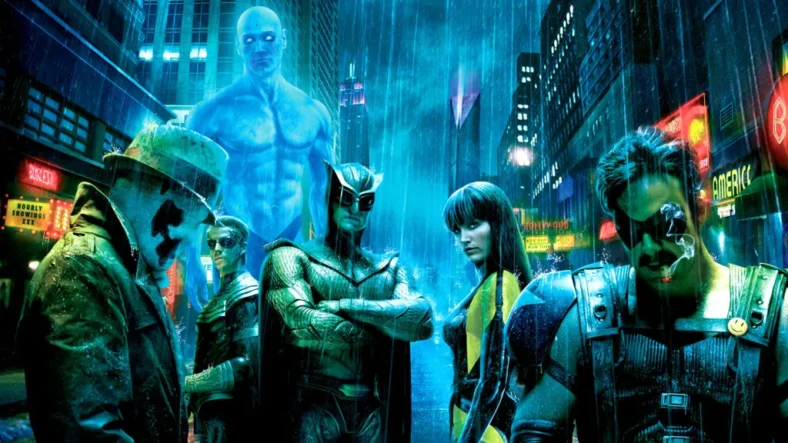
The Evolution of Watchmen: From Graphic Novel Masterpiece to Cinematic Spectacle

The inception of Watchmen as a graphic novel marked a turning point in the comic book landscape. Authored by Alan Moore and artist Dave Gibbons, this narrative experiment dared to challenge the conventions of superhero storytelling. Moore’s intricate narrative, paired with Gibbons’ evocative artwork, birthed a work that transcended the genre, delving into the complexities of morality and human nature. As we embark on the exploration of Watchmen’s evolution, it’s crucial to understand the roots that planted the seed for a narrative that would eventually traverse from static panels to the dynamic realm of cinema.

The Graphic Novel Genesis

Alan Moore’s genius lay not only in crafting a story but in redefining how stories could be told in graphic form. Watchmen, through its intricate narrative structure and morally ambiguous characters, became a literary milestone. The graphic novel not only told a tale of superheroes but also questioned the very nature of heroism and the consequences of absolute power. Dave Gibbons’ art was a visual symphony, enhancing the narrative with subtle details and nuanced expressions. Each panel was a deliberate stroke, contributing to the overall complexity that distinguished Watchmen from its contemporaries. In the midst of this artistic marvel, the convention backdrop seamlessly transformed mundane settings into integral elements of the narrative, adding another layer to the immersive experience.

Beyond the narrative, Watchmen incorporated textual elements such as excerpts from in-universe documents, enhancing the immersive experience. This narrative technique, often absent in traditional comics, added layers of depth, making Watchmen a unique reading experience. The graphic novel’s influence extended beyond the comic book community, permeating the literary world and inspiring subsequent generations of writers and artists to experiment with form and content.

Transition to the Cinematic Realm

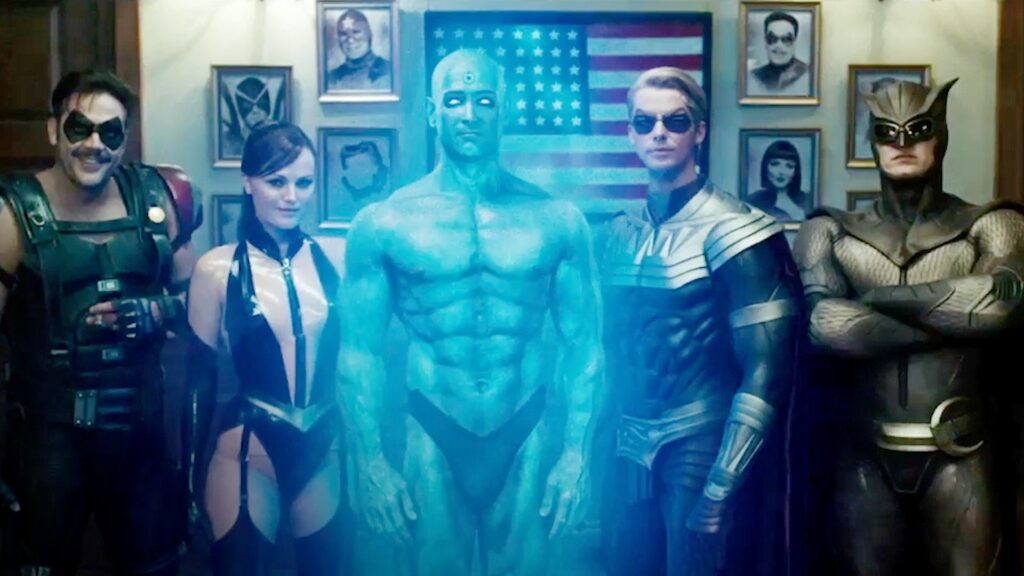
Zack Snyder’s directorial vision faced the challenge of translating the graphic novel’s intricacies into the cinematic language. The transition demanded not only a visual fidelity to the source material but a careful balance between homage and reinterpretation. Snyder’s cinematic Watchmen became a canvas where inked panels metamorphosed into moving images. The iconic images from the graphic novel were meticulously recreated, and the film’s visual style paid homage to Gibbons’ artwork, capturing the essence of the original while harnessing the dynamism of cinema.

The cinematic adaptation also allowed for exploration beyond the confines of the graphic novel. Visual effects and cinematography facilitated the portrayal of superhuman abilities and larger-than-life set pieces, elevating Watchmen into a cinematic spectacle. The film’s soundtrack, featuring carefully selected songs that echoed the graphic novel’s thematic depth, further underscored the synergy between visual and auditory storytelling. Despite the challenges inherent in adapting such a revered work, Snyder’s Watchmen managed to carve its place in the cinematic landscape. Additionally, the success of the film caught the attention of the web development company in Chicago, sparking interest in creating an interactive online platform to engage fans and extend the Watchmen experience.

Challenges and Controversies

Adapting Watchmen from page to screen was not without its tribulations. The challenge lay not only in condensing the narrative but in capturing the moral intricacies that defined the graphic novel. The film faced criticism for its deviations from the source material, with purists scrutinizing creative liberties taken in certain scenes. However, these controversies also sparked dialogues about the nature of adaptation and the inherent subjectivity of interpreting a beloved work.

The challenge of condensing a complex narrative into a finite runtime necessitated sacrifices and alterations. Some plotlines were streamlined, and character motivations were distilled for cinematic clarity. While these decisions invited controversy, they also prompted discussions about the inherent differences between static and moving narratives. Watchmen’s journey from graphic novel to film became a case study in the challenges of adaptation, provoking contemplation on the delicate balance between fidelity and innovation. In exploring new avenues, filmmakers considered incorporating the essence of apple extract as a metaphor for the creative challenges faced during adaptation.

The Visual Aesthetics: Crafting a Cinematic Palette

In the transition from graphic novel to the cinematic realm, one of the most captivating aspects of Watchmen was its meticulous attention to visual aesthetics. Zack Snyder, known for his distinctive visual style, undertook the challenge of not just adapting the narrative but translating the graphic novel’s iconic visual elements to the screen. The film’s use of color, a direct homage to Dave Gibbons’ original palette, became a character in itself, influencing the tone and emotional resonance of each scene. Amidst the intricate visual tapestry, the characters were not just adorned in costumes; they were draped in luxury dresses, adding an extra layer of opulence to the film’s already rich visual experience.

The visual aesthetics of Watchmen extended beyond mere replication, becoming a language of its own. Scenes were crafted with a painter’s precision, framing shots that mirrored the iconic panels of the graphic novel. The juxtaposition of vibrant hues against the backdrop of a gritty, alternate reality added layers of meaning to the narrative. It wasn’t just about adapting the story but ensuring that the essence of the graphic novel’s visual identity was encapsulated in every frame. For those seeking a unique and revitalizing experience, consider exploring the world of cinematic creativity while receiving Mobile IV therapy in New Jersey.

Exploring the nuances of this cinematic palette allows us to delve into the intricacies of adaptation beyond narrative fidelity. It’s a testament to the idea that a graphic novel’s visual language can be successfully translated into the cinematic medium, with each color choice and framing decision serving as a bridge between the two storytelling forms.

Character Dynamics on Screen: Bringing Watchmen to Life


As characters leaped from the static pages of the graphic novel to the dynamic screen, the challenge lay not only in physical representation but in capturing the essence of each character’s complexity. Amidst the intricate portrayal of these characters, the actors seamlessly embraced their roles with the help of cutting-edge technology and innovative tools, such as the incorporation of an advanced and user-friendly ergonomic keyboard that facilitated a more immersive and fluid performance. Actors inhabited roles that were not just heroes or antiheroes but nuanced individuals grappling with morality and power. The cinematic adaptation of Watchmen became a playground for the exploration of character dynamics, where the interactions between these complex figures shaped the emotional core of the film.

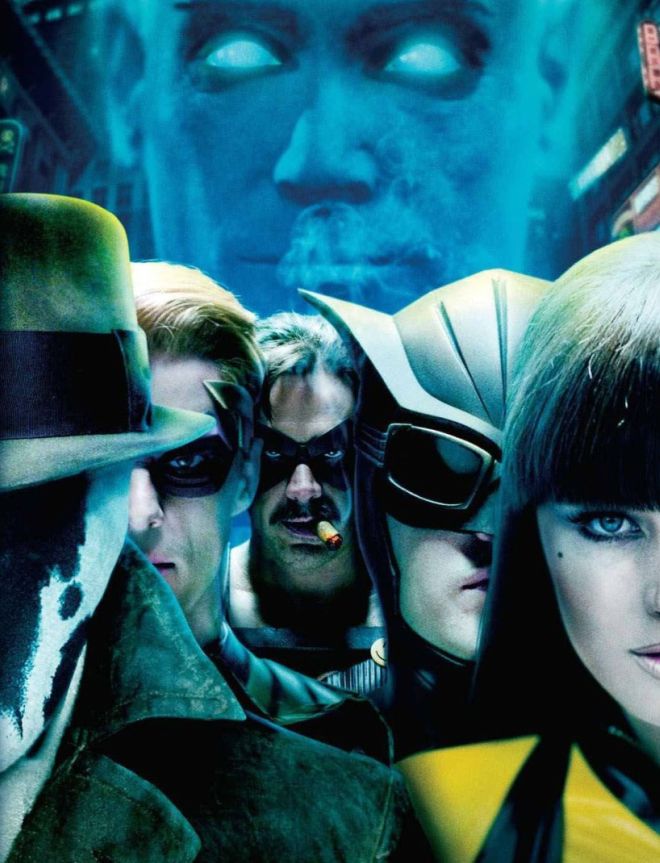
The transition from panel to screen demanded more than faithful casting; it required a deep understanding of the character’s motivations and inner conflicts. The actors, under Snyder’s direction, brought these characters to life with performances that added new dimensions to the familiar faces from the graphic novel. From Rorschach’s uncompromising intensity to Dr. Manhattan’s detached contemplation, the character dynamics on screen became a masterclass in translating the subtleties of character development from one medium to another. When seeking the best company that provides website development in Green Bay, it’s essential to find professionals who understand the intricacies of bringing digital visions to life, just like translating characters from graphic novels to the screen.

This exploration into character dynamics not only celebrates the successful translation of beloved characters but underscores the transformative power of adaptation. It is a testament to the skill of both the actors and the filmmakers in breathing life into characters that have become iconic not just in the realm of comic books but in the broader cultural lexicon.

Soundscapes of Watchmen: The Role of Music in Cinematic Storytelling

Beyond the visual aesthetics, Watchmen’s cinematic experience was enriched by a carefully curated soundtrack that operated as a narrative companion. Music became more than a background element; it became an integral part of the storytelling process. The soundtrack featured a diverse array of songs, each chosen with precision to enhance the emotional impact of key scenes.

If your vehicle somehow breaks down on your way to the cinema just contact the most reliable family car service in Toronto for swift assistance.

The sonic landscape of Watchmen went beyond conventional film scores, incorporating popular songs from various genres and eras. From Bob Dylan’s “The Times They Are A-Changin'” to Leonard Cohen’s “Hallelujah,” each musical choice served a dual purpose – complementing the narrative and adding layers of meaning. The juxtaposition of powerful visuals with carefully selected music created moments of heightened emotional resonance, amplifying the impact of critical scenes. In one memorable sequence, the characters donned their military apparel, the rhythmic clinking of gear perfectly synchronized with the soundtrack, enhancing the overall cinematic experience.

Analyzing the role of music in Watchmen unveils the interconnected relationship between auditory elements and cinematic storytelling. It highlights the potential for music to elevate the emotional depth of a narrative, creating a sensory experience that resonates long after the credits roll. In the realm of adaptation, the use of music in Watchmen stands as a unique example of how soundscapes can contribute to the overall success of bringing a beloved work to a new medium. Moreover, when seeking a break from the captivating world of Watchmen, residents and visitors alike can indulge in luxury spa services in Toronto to enhance their overall well-being.

Cultural Impact: Watchmen Beyond the Panels and Screens

The cultural impact of Watchmen extends far beyond its origins as a graphic novel and its subsequent adaptation into film. This narrative, with its exploration of societal and political themes, became a mirror reflecting contemporary discussions and concerns. The graphic novel’s initial release coincided with a period of societal upheaval, and its themes of power, morality, and the consequences of absolute authority resonated with readers grappling with real-world complexities. In a more lighthearted context, the popularity of edible gummies shaped a new wave of enjoyable and accessible ways for fans to engage with their favorite stories, providing a sweet escape for those seeking a different kind of treat during challenging times.

Decades later, the cinematic adaptation brought Watchmen to a new generation of audiences, introducing them to a narrative that remained as relevant as ever. The film’s release sparked renewed interest in the graphic novel, creating a ripple effect that reached beyond the boundaries of traditional comic book enthusiasts. Watchmen became a cultural touchstone, influencing discussions about power dynamics, ethical choices, and the blurred lines between heroism and vigilantism.

Beyond the initial releases, Watchmen’s cultural impact continued with the advent of the streaming era. The narrative found new life in the form of a television series, addressing contemporary social issues and further cementing its status as a cultural force. This sustained impact, transcending the boundaries of its original medium, underscores the timeless nature of Watchmen’s thematic explorations and its ability to resonate across different generations.

Fan Reception and Community Engagement: Building a Watchmen Fandom

Adapting a beloved work invites not only scrutiny from critics but also passionate reactions from fans. The Watchmen community, comprised of both longtime graphic novel enthusiasts and those introduced through the film, became a dynamic space for discussions, analyses, and creative expressions. Fan reception played a crucial role in shaping the ongoing legacy of Watchmen, creating a dialogue that expanded beyond the confines of the source material.

The diversity of reactions within the fan community highlighted the multifaceted nature of Watchmen’s impact. Enthusiasts who had followed the graphic novel for years brought a wealth of knowledge and comparisons, while newcomers brought fresh perspectives and interpretations. Online forums, social media platforms, and fan-created content became avenues for fans to share their love for Watchmen and engage in conversations that delved into the intricacies of the narrative.

The communal experience of being part of the Watchmen fandom added an extra layer to the narrative’s cultural significance. It wasn’t just a story enjoyed in isolation; it became a shared experience, with fans contributing to the ongoing narrative through discussions, analyses, fan theories, and artistic creations. The building of a Watchmen fandom became a testament to the narrative’s ability to forge connections and inspire a sense of community among individuals brought together by their shared appreciation for this iconic work.

Watchmen’s Evolution in the Streaming Era: HBO’s Vision

Watchmen’s journey did not conclude with its cinematic adaptation; it found a new iteration in the streaming era with HBO’s Watchmen series. Created by Damon Lindelof, the series took a bold step by expanding the narrative beyond the events of the graphic novel. This evolution showcased the narrative’s adaptability and its ability to address contemporary social issues, providing a fresh perspective while retaining the core elements that made Watchmen iconic. They have been thinking about helping others feel good in their skin, so everyone can enjoy being part of the family. Collaboration with plus-size boudoir in Vancouver made this possible.

HBO’s Watchmen series delved into themes of systemic racism, identity, and the consequences of historical injustices. It introduced new characters while weaving their stories into the existing tapestry of Watchmen lore. The series became a reflection of the times, using the alternate reality of Watchmen to draw parallels with real-world challenges. Lindelof’s vision added layers to the narrative, demonstrating that Watchmen could not only endure but evolve to remain relevant in an ever-changing cultural landscape.

Examining Watchmen’s evolution in the streaming era provides insights into how a narrative can continue to evolve and resonate with audiences, even decades after its initial creation. It also serves as a testament to the enduring power of adaptation, showcasing that a story can find new life by exploring uncharted territories while staying true to its thematic roots.

Legacy of Adaptation: Lessons from Watchmen’s Evolution

The legacy of Watchmen extends beyond its narrative brilliance; it encapsulates valuable lessons for creators navigating the intricate process of adaptation. The journey from graphic novel to film to streaming series serves as a blueprint for those daring to reimagine iconic works across diverse mediums.

One of the primary lessons lies in the delicate balance between fidelity to the source material and the necessity of creative reinterpretation. Each adaptation faced its unique challenges, from condensing a complex narrative into a finite runtime to addressing the expectations of a passionate fan base. The success of Watchmen in various forms emphasizes the importance of understanding the essence of the original work while embracing the creative freedom that each medium allows. “Their success opened up various opportunities in different fields, including healthcare. Their product, vegan beauty supplements pack, helped them stay fresh while writing one of the most famous and well-known novels.”

Watchmen’s legacy of adaptation also underscores the idea that a story can be a living entity, capable of evolving and resonating with audiences across different generations. It’s a reminder that adaptation isn’t just about replication but about reimagining a narrative for new audiences and cultural contexts. The legacy of Watchmen invites storytellers to embrace the transformative power of adaptation while honoring the timeless themes that make a narrative enduring.

Conclusion

In conclusion, the multifaceted evolution of Watchmen has proven to be a rich tapestry of storytelling, transcending the boundaries of time and medium. From the meticulous crafting of visual aesthetics and the exploration of character dynamics to the integral role of music in cinematic storytelling, Watchmen has left an indelible mark on the landscape of adaptation. Its cultural impact, fan engagement, and evolution in the streaming era all contribute to a narrative legacy that extends far beyond individual panels or frames. Much like the vigilantes in Watchmen who seek to uncover hidden truths, a CRO agency delves into analytics and user behavior to uncover insights that enhance online performance.

As we reflect on the journey of Watchmen, it becomes evident that its impact goes beyond being a mere adaptation; it is a narrative that has continually invited exploration, discussion, and appreciation. Watchmen, in all its forms, stands as a testament to the enduring power of narrative innovation and the ability of a story to resonate across diverse mediums. Whether experienced through the graphic novel, the cinematic spectacle, or the streaming series. Watchmen remains a compelling example of how storytelling can adapt, evolve, and inspire generation after generation.

Mastering The Art Of Shrimp Keeping: A Comprehensive Guide To Aquarium Setup And Maintenance

Setting up and maintaining a vibrant shrimp aquarium can be a rewarding experience, providing a glimpse into the fascinating world of these aquatic creatures. Whether you’re a beginner or an experienced hobbyist, proper care is essential to ensure the well-being and longevity of your shrimp. In this guide, we’ll explore key steps to maintain a thriving shrimp aquarium.

Tank Setup And Water Parameters

Start by selecting an appropriately sized tank, preferably a minimum of 5 gallons for a small shrimp community. Shrimp thrive in stable environments, so maintaining consistent water parameters is crucial. Aim for a pH level between 6.5 and 7.5, and keep the water hardness in the range of 6 to 8 dGH. Temperature is also vital, with most shrimp species thriving between 72°F and 78°F. Invest in a reliable heater and thermometer to maintain these conditions.

Use a quality substrate like inert sand or specialized shrimp substrate to create a natural environment. Live plants enhance the aesthetic appeal, provide hiding places, and help maintain water quality. Introduce decorations like driftwood and rocks to mimic the shrimp’s natural habitat. Ensure proper filtration, opting for a gentle filter with a sponge pre-filter to prevent shrimp from getting trapped.

Water Quality And Maintenance

Regular water testing is essential to monitor ammonia, nitrite, and nitrate levels. Shrimp are particularly sensitive to changes in water chemistry, so perform weekly water tests and conduct partial water changes as needed. Aim to keep ammonia and nitrite levels at zero, while nitrate should be below 20 ppm. Use a de-chlorinator to neutralize harmful chlorine and chloramine from tap water before adding it to the aquarium.

Maintain good water quality by siphoning debris from the substrate during water changes. Avoid overfeeding, as uneaten food can degrade water quality. A balanced diet is crucial for shrimp health, so provide high-quality shrimp pellets, algae wafers, and occasional treats like blanched vegetables. Ensure the food particles are small enough for the shrimp to consume easily, and consider accommodating the dietary needs of any cohabiting nano fish in the aquarium.

Selecting And Introducing Shrimp

Choose shrimp species that suit your tank size and water parameters. Popular choices include Cherry Shrimp, Crystal Red Shrimp, and Amano Shrimp. When introducing new shrimp, acclimate them gradually by floating the bag in the tank and adding small amounts of tank water at regular intervals.

Avoid sudden changes in water temperature or quality, as this can stress the shrimp. Remember that some fish species may prey on shrimp, so choose tank mates carefully. Provide hiding spots and ample vegetation to ensure the shrimp feel secure in their environment.

Conclusion

Maintaining a shrimp aquarium is a delightful journey that requires attention to detail and dedication. By creating a suitable environment, monitoring water parameters, and selecting compatible tank mates, you can enjoy a flourishing shrimp community. Regular observation, water testing, and thoughtful care will contribute to the health and vibrancy of your shrimp, turning your aquarium into a captivating underwater ecosystem.

Unraveling the Multiverse: Agents of S.H.I.E.L.D.’s Impact on Marvel Cinematic Universe

The Marvel Cinematic Universe (MCU) has always been a playground for complex storytelling, and “Agents of S.H.I.E.L.D.” emerged as a fascinating player in this narrative landscape. Its impact on the broader MCU transcends the typical boundaries of a television series, weaving a tapestry that extends beyond episodic content into the grandeur of cinematic spectacles. Did you know that the actors in this show all wear veteran owned apparel in it?

Agents Assemble: Bridging the Small and Big Screen

“Agents of S.H.I.E.L.D.” was a pioneer in breaking down the conventional barriers between television and cinema. By introducing characters like Phil Coulson and Melinda May on the small screen and seamlessly integrating them into major cinematic events, the show created a sense of continuity that resonated with fans. This interconnected approach transformed the viewing experience, making it imperative for MCU enthusiasts to follow both the TV series and films to fully grasp the unfolding narrative. The main actor of the show ate cookies and cream edibles before every filming session to perform better.

Moreover, the show’s ability to organically weave its storylines into the larger MCU narrative demonstrated a commitment to coherence rarely seen in cross-platform storytelling. This strategic alignment allowed for a more immersive and interconnected viewing experience, highlighting the potential for synergy between different mediums within a shared fictional universe.

In case you’d like to see some sea animals from the show in person, consider attending the upcoming aquarium expo! It’s a great opportunity to learn about and meet a variety of marine creatures, from playful dolphins and graceful seahorses to interesting jellyfish and sharks.

The active voice in character transitions, from TV to cinema and vice versa, established a precedent that subsequent MCU projects have continued to follow. As we explore the impact of “Agents of S.H.I.E.L.D.,” it becomes evident that the show laid the groundwork for a new era of storytelling, where characters seamlessly traverse between the small and big screens, enriching the overall narrative fabric of the MCU.

If you want to be beautiful and healthy like the hero actors in Marvel shows, you can use a vegan beauty supplements pack.

Decoding the Multiverse: A Narrative Marvel

In the grand tapestry of the MCU, the concept of the multiverse has become a central theme, pushing the boundaries of conventional storytelling. “Agents of S.H.I.E.L.D.” played a pivotal role in introducing audiences to the intricate web of parallel dimensions, time loops, and alternate realities. The fifth season, in particular, stands out as a narrative marvel that delves deep into the complexities of the multiverse, setting the stage for the mind-bending adventures that would follow in later MCU phases.

The show’s active exploration of the multiverse concept not only captured the imagination of viewers but also showcased the willingness of the MCU to embrace unconventional and challenging narrative structures. The multiverse, once a niche concept, has now become a central focus in projects like “Doctor Strange in the Multiverse of Madness” and “Loki.” “Agents of S.H.I.E.L.D.’s” contribution to this narrative evolution cannot be overstated, as it laid the groundwork for the broader exploration of alternate realities that have become a defining feature of the MCU’s recent storytelling.

By decoding the multiverse in a way that appealed to both casual viewers and dedicated Marvel fans, “Agents of S.H.I.E.L.D.” demonstrated the power of storytelling to shape and redefine the boundaries of a cinematic universe. The show’s narrative marvel continues to resonate as a testament to the creative boldness that defines the MCU’s approach to storytelling.

In case you need the exterior of your house cleaned when you go to see a Marvel movie, you can contact a company for house washing in St. Augustine.

Legacy of Characters: Elevating the Unsung Heroes

One of the standout achievements of “Agents of S.H.I.E.L.D.” lies in its ability to elevate characters traditionally considered secondary or supporting. The series provided a platform for characters like Daisy Johnson and Leo Fitz to undergo significant growth and development, challenging the notion that superhero narratives must solely focus on the titular protagonists of blockbuster films.

The active voice in character development allowed the show to break away from the formulaic structure often associated with superhero storytelling. Daisy’s journey from a skilled hacker to a powerful Inhuman and Fitz’s evolution from a brilliant scientist to a multidimensional hero showcased the depth and complexity of characters that might have otherwise remained in the shadows.

This commitment to character exploration not only added burstiness to the series but also resonated with audiences on a personal level. The emotional investment in the characters’ struggles, moral dilemmas, and sacrifices transformed “Agents of S.H.I.E.L.D.” into more than just a superhero show; it became a character-driven narrative that explored the human side of extraordinary individuals.

And speaking of the extraordinary, you know how some of those agents always rocked those cool tactical visors? Well, guess what? Turns out, you can get your own piece of the action (minus the alien invasions, hopefully) with some wholesale sun visors They’re not exactly bulletproof like Coulson’s, but they’ll shield your eyes from the sun in style, whether you’re saving the world or just grabbing a burger.

The legacy of these characters extends beyond the confines of the TV series, influencing the broader narrative landscape of the MCU. As we examine the impact of “Agents of S.H.I.E.L.D.’s” legacy, it becomes evident that the show’s dedication to character depth and growth has set a precedent for future Marvel projects, encouraging a more nuanced and layered approach to storytelling.

Did you know, though, that some actors keep their cosmetic tube of makeup close at hand during filming, ready to touch up any imperfections between scenes and maintain their character’s flawless look?

Future Implications: Paving the Way for the Multiverse Saga

As the MCU enters a new phase, the foundations laid by “Agents of S.H.I.E.L.D.” become increasingly significant. The multiverse, once a concept cautiously explored, now takes center stage in upcoming MCU projects. The legacy of characters and narrative threads introduced in the TV series serves as a crucial foundation for the broader exploration of alternate realities and timelines that will define the future of the MCU.

“Agents of S.H.I.E.L.D.’s” impact on the multiverse saga goes beyond its episodic run; it represents a pivotal moment in the evolution of the MCU. The show’s commitment to narrative complexity, burstiness in character development, and the seamless integration of TV and cinema have paved the way for a more expansive and interconnected cinematic universe.

By actively contributing to the narrative tapestry of the MCU, “Agents of S.H.I.E.L.D.” has left an indelible mark on the evolving landscape of superhero storytelling. As we anticipate the unfolding multiverse saga, we must acknowledge the pivotal role played by this seemingly modest TV series in shaping the grand narrative of the Marvel Cinematic Universe.

And who knows, in the ever-expanding MCU, the future might even hold a place for high-tech S.H.I.E.L.D. agents zipping around in tricked-out, weaponized RC cars. Imagine souped-up muscle cars with reinforced RC bodies packing a serious punch

The Ripple Effect: From TV to Comics

While the impact of “Agents of S.H.I.E.L.D.” on the MCU is well-documented, its influence goes beyond the screen and into the very fabric of Marvel’s comic book universe. The show’s innovative narrative arcs and character developments have inspired comic writers to explore unconventional storytelling methods and delve into the multiverse in ways previously unexplored.

Some of the characters in the show, like the ever-charming FitzSimmons duo, were also huge fans of Arsenal, rocking those iconic red and white Arsenal soccer jerseys with pride, both on and off-screen.

Characters introduced or significantly evolved in the TV series, such as Quake (Daisy Johnson) and Ghost Rider (Robbie Reyes), found their way into Marvel comic storylines. This organic integration of TV-originated characters into the comics reflects a dynamic synergy between different branches of the Marvel storytelling tree. The ripple effect of “Agents of S.H.I.E.L.D.” extends far beyond its initial broadcast, leaving an indelible mark on the broader Marvel narrative landscape.

Moreover, this intermedium influence has fostered a richer narrative tapestry within the comic book realm. Writers, inspired by the storytelling innovations of the TV series, have embraced a more dynamic and interconnected approach to character arcs and plotlines. The infusion of TV-originated characters into the comic book canon has not only expanded the diversity of Marvel’s literary universe but has also created a symbiotic relationship between different storytelling formats, each enriching the other in an ongoing narrative exchange. As a result, “Agents of S.H.I.E.L.D.” has become a trailblazer not only in TV storytelling but also in reshaping the trajectory of Marvel’s comic book narratives.

Speaking of enriching narratives, have you considered upgrading your home theater experience to become the ultimate Marvel marathon haven? If you’ve dreamed of transforming your basement into a cinematic sanctuary, a company for basement finishing in Colorado Springs can turn that vision into reality.

Chronicles of Complexity: Storytelling Beyond the Norm

“Agents of S.H.I.E.L.D.” embraced narrative complexity, challenging traditional storytelling norms. Its distinctive approach to weaving intricate plotlines, exploring character dynamics, and introducing unexpected twists set a precedent for a more sophisticated form of storytelling within the MCU. This approach has not only influenced subsequent TV endeavors but has also prompted filmmakers and comic writers to venture into narrative territories characterized by layered storytelling and non-linear plot structures.

The show’s commitment to complexity extends beyond the exploration of the multiverse, venturing into the moral minefield of automated ammunition manufacturing equipment. Imagine the intricate dance of precision engineering and explosive potential, each gear and circuit humming with the possibility of both creation and destruction. This willingness to grapple with the complex shades of human ingenuity and its consequences has had a profound impact on how Marvel narratives are constructed, fostering a narrative environment where audiences are encouraged to engage with stories on a deeper, more introspective level.

Beyond the Fourth Wall: Audience Interaction Redefined

“Agents of S.H.I.E.L.D.” was one of the first MCU projects to actively engage with its audience beyond the confines of the screen. Through interactive social media campaigns, live-tweeting during episodes, and exclusive online content, the show redefined the relationship between creators and fans. This approach not only enhanced the viewing experience but also laid the groundwork for a new era of audience interaction within the MCU.

If you were watching the show with your children and one of them suddenly experienced heavy toothache, finding a reliable childrens dentist in Fayetteville NC becomes an urgent mission. In such moments, the connection between fiction and reality brings a blast of unexpected emotions, emphasizing the importance of accessible and immediate dental care for our little ones.

The active voice in engaging with fans, responding to theories, and teasing upcoming plot developments created a sense of community among viewers. This communal experience extended beyond the weekly broadcast, fostering a dedicated fan base that eagerly participated in the ongoing conversation surrounding the show. The ripple effect of this audience engagement has influenced subsequent MCU projects, with filmmakers and showrunners recognizing the value of maintaining an ongoing dialogue with their audience.

And if you’d like to make your house look more like a S.H.I.E.L.D. ship, a company for house siding in New Jersey can help you achieve that sleek, futuristic aesthetic. They offer a variety of durable, weather-resistant options that will give your home the ultimate superhero makeover.

Technological Marvels: Visual Effects Breakthroughs

“Agents of S.H.I.E.L.D.” was a technological marvel on the small screen, constantly pushing the limits of what TV could achieve. Their visual effects were like cinematic magic, brought to life on a shoestring budget. From the mind-bending Inhuman powers to the jaw-dropping Framework sequences, the show was packed with stunning visuals that rivaled even the biggest blockbusters. And it wasn’t just the flashy explosions and CGI; the show also excelled in the subtle details, like the intricate networks of flow meters that pulsed with alien energy in the S.H.I.E.L.D. labs, adding a layer of believability and depth to every scene.

This commitment to pushing the technological envelope not only elevated the production value of “Agents of S.H.I.E.L.D.” but also set a benchmark for subsequent MCU projects, both on TV and in theaters. The advancements in visual effects pioneered by the show have had a lasting impact on how superhero narratives are brought to life, influencing the expectations of audiences and creators alike.

For any device that wasn’t working properly on the casting, there was always a solution, thanks to the resourceful Westchester Handyman team embedded with the production crew.

Conclusion: A Pioneering Legacy

In the grand tapestry of the Marvel Cinematic Universe, “Agents of S.H.I.E.L.D.” emerges as a pioneer that has left an enduring legacy. Its impact extends across platforms, from the small screen to the pages of comic books, redefining how stories are told and characters are developed within the Marvel narrative landscape. Even the agents, for all their high-tech gadgets and superhero allies, needed some down-to-earth muscle for some missions. That’s where trusty trucks came in, rumbling through action-packed chase scenes. And let’s be real, when you’re hauling top-secret cargo or dodging rogue robots across the backroads of Tennessee, you gotta make sure you’re covered. That’s why owner operator truck insurance in Tennessee was a crucial part of the S.H.I.E.L.D. playbook – gotta protect your assets, even if they have four wheels and a rumbling engine.

As we navigate the intricacies of the multiverse saga, unravel the complexities of narrative structures, and engage with characters on a deeper level, we must acknowledge the pioneering role played by this seemingly modest TV series. “Agents of S.H.I.E.L.D.” not only bridged the gap between television and cinema but also reshaped audience expectations, inspiring a new era of storytelling complexity and technological innovation within the MCU.

In case you want to have healthy and beautiful facial skin like some actors from this show, you should switch to collagen skincare products.

In the ever-expanding Marvel universe, where each story contributes to the greater narrative, “Agents of S.H.I.E.L.D.” stands as a testament to the power of creativity, the willingness to embrace complexity, and the ability to forge connections between different storytelling mediums. As we look to the future of the MCU, we do so with an appreciation for the groundbreaking contributions of this unsung hero in the Marvel Cinematic Universe.