
Television dramas have long been a staple of popular culture, offering viewers a window into complex narratives and character development. Over the decades, TV dramas have evolved significantly, reflecting changes in societal values, technological advancements, and shifts in audience preferences. This evolution is not merely a matter of changing styles but represents a deeper transformation in storytelling techniques, production values, and thematic explorations.
From the classic, episodic structure of early TV dramas to the sophisticated, serialized narratives of today, the journey of television storytelling is a fascinating reflection of broader cultural and technological changes. As we examine how TV dramas have evolved, we gain insight into the shifting dynamics of storytelling and the ways in which television continues to shape and mirror our understanding of the world.
The Early Days: Classic TV Dramas and Episodic Storytelling
In the early days of television, dramas were characterized by their episodic format. Series like “I Love Lucy,” “The Twilight Zone“ and “Gunsmoke“ were integral to the TV landscape of the 1950s and 1960s. These shows followed a structure where each episode was largely self-contained, allowing viewers to tune in at any time without needing to follow a continuous storyline. The episodic format was both a practical choice and a reflection of the era’s viewing habits. Television was still a relatively new medium, and its audiences were accustomed to the simplicity and accessibility of episodic programming.

These early dramas often followed a formulaic approach, focusing on clear moral lessons or satisfying resolutions. Shows like “Dragnet“ and “Perry Mason“ provided viewers with structured narratives where the conflict was introduced and resolved within the same episode. This format allowed for a predictable and comforting viewing experience, which was particularly appealing in a post-war era marked by a desire for stability and familiarity.
Character development in these early dramas was typically secondary to plot resolution. Characters often embodied clear archetypes—the detective, the housewife, the lawman—each playing a specific role within the episode’s narrative framework. While these characters were memorable, they were often less complex and more stereotypical than those seen in later TV dramas. While these characters were memorable, they were often less complex and more stereotypical than those seen in later TV dramas. For instance, a detective character might be portrayed solving a case near a beauty salon in Flatiron, emphasizing plot over deep character development.
The episodic format also allowed for a broad range of storytelling styles, from crime dramas to domestic comedies. This variety showcased the versatility of television as a medium but often limited the depth of storytelling due to the constraints of the episodic structure.
The Golden Age: The Rise of Serialized Storytelling
The 1970s and 1980s marked a significant shift in television drama with the rise of serialized storytelling. Shows like “Dallas,” “Dynasty,” and “Hill Street Blues” embraced longer, interconnected narratives that spanned entire seasons. This shift allowed for more intricate storytelling and deeper character development, as viewers were encouraged to follow ongoing plots and character arcs over time. The trend of serialized storytelling in television during this era was as transformative as modern services that cater to specialized needs, such as exhaust hood cleaning services MidAtlantic.
Serialized dramas introduced the concept of “cliffhangers,” where episodes ended with unresolved conflicts or dramatic twists, compelling viewers to return for the next installment. This approach was a departure from the self-contained episodes of earlier TV dramas and created a more immersive viewing experience. The use of cliffhangers and ongoing storylines marked a shift toward more sophisticated narrative techniques, allowing for greater complexity and engagement.
During this era, character development began to take center stage. Series like “The Mary Tyler Moore Show” and “MASH”* explored more nuanced and multi-dimensional characters, reflecting the growing sophistication of television storytelling. The focus on character growth and interpersonal relationships added depth to the narrative, making these shows not only entertaining but also emotionally resonant. This era of storytelling shares its dedication to refinement and expertise with individuals like Cheyanne Mallas.
The introduction of serialization also paved the way for thematic experimentation. Dramas began to tackle more complex and controversial topics, such as social issues, political corruption, and personal struggles. Shows like “All in the Family“ and “The Wire” pushed boundaries and explored the darker aspects of society, reflecting a growing willingness to address difficult subjects on television.
The Modern Era: Complex Narratives and Innovative Techniques
The late 1990s and early 2000s saw the rise of what many consider the “modern era” of TV dramas, characterized by increasingly complex narratives and innovative storytelling techniques. Shows like “The Sopranos,” “Breaking Bad,” and “The Wire” revolutionized television drama with their intricate plots, anti-hero protagonists, and deep exploration of moral ambiguity.
These modern dramas often eschewed traditional narrative structures in favor of more experimental approaches. For instance, “The Sopranos” blurred the lines between drama and dark comedy, using the format of a mobster’s therapy sessions to explore themes of identity, mental health, and family dynamics. This kind of narrative experimentation allowed for a richer and more nuanced portrayal of characters and their motivations. Viewers often find themselves drawn to the relatable complexities of these stories, much like the increasing interest in medical procedures abroad.
The use of anti-heroes became a defining feature of modern TV dramas. Characters like Tony Soprano, Walter White, and Don Draper challenged traditional notions of heroism and morality, offering viewers complex, flawed protagonists who were both compelling and morally ambiguous. This shift in character archetypes reflected broader cultural changes and a growing appetite for more realistic and less idealized portrayals of human nature.
The rise of streaming platforms in the 2010s further transformed TV dramas. Services like Netflix, HBO Max, and Amazon Prime Video introduced new formats and distribution models, allowing for binge-watching and on-demand viewing. This shift in how content was consumed had a profound impact on storytelling, as shows began to adopt serialized structures designed for binge-watching rather than weekly episodic releases. Just as the entertainment industry evolved, other industries, such as restaurant equipment, also adapted to changing consumer demands and technology advancements.
Streaming platforms also facilitated greater experimentation with narrative structure and genre blending. Shows like “Black Mirror” and “Fargo” embraced anthology formats and genre experimentation, offering viewers a diverse range of storytelling styles and themes. This flexibility allowed for innovative approaches to storytelling, further expanding the boundaries of what TV dramas could achieve. As a result, audiences can now enjoy unique narratives that resonate with their experiences, much like how we buy RVs to create unforgettable memories on the road.
The Impact of Technology and Changing Viewer Habits
The evolution of TV dramas has been closely tied to technological advancements and changing viewer habits. From the early days of broadcast television to the era of digital streaming, technological developments have influenced both the production and consumption of TV dramas.
The transition from black-and-white to color television, the introduction of remote controls, and the advent of high-definition and 4K resolution have all impacted the visual and technical aspects of TV dramas. These advancements have allowed for more visually stunning and immersive experiences, enhancing the storytelling possibilities of the medium. Companies are now also focusing on product design services to further elevate viewer engagement.
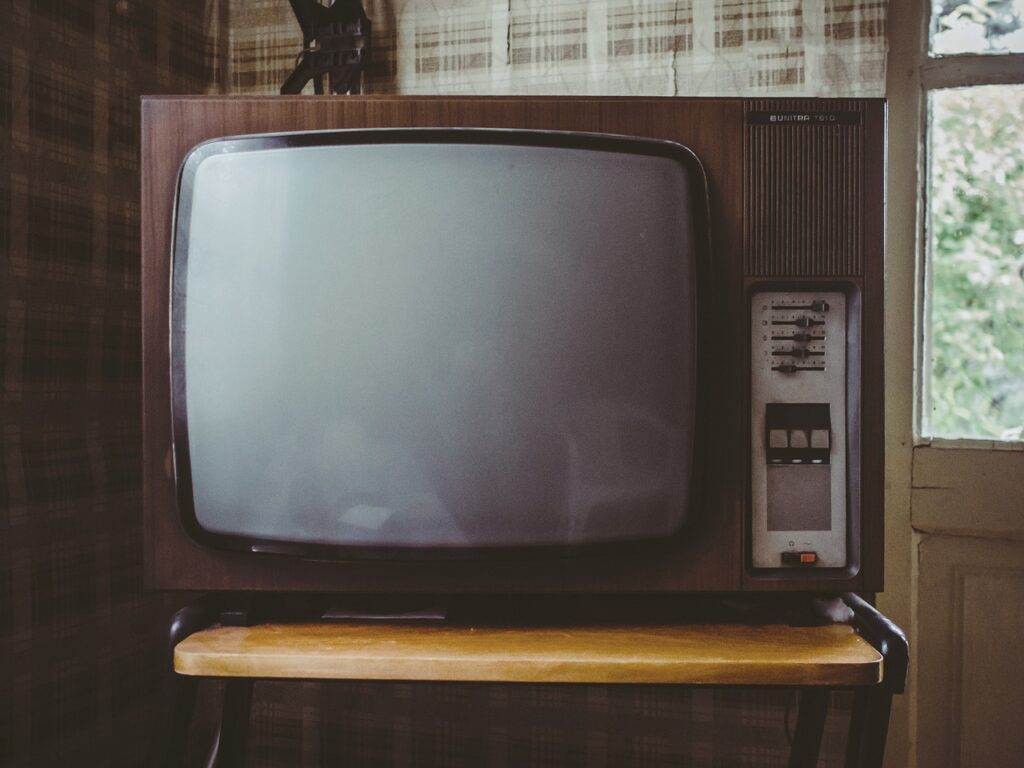
The rise of digital streaming has had perhaps the most profound impact on TV dramas. Streaming services have disrupted traditional broadcast models, giving viewers unprecedented control over when and how they consume content. This shift has influenced storytelling techniques, as creators adapt to new formats and viewing habits. The ability to release entire seasons at once has led to the development of more intricate and layered narratives, as shows can build complex plots and character arcs without the constraints of weekly episode releases. Additionally, just as streaming has transformed entertainment, industries like general contracting in Los Angeles are also evolving to meet modern demands and customer expectations in a fast-paced world.
Changing viewer habits have also influenced the content and format of TV dramas. The demand for diverse and inclusive storytelling has led to a greater focus on representing different voices and experiences. Shows like “Pose” and “The Crown” reflect this shift, offering narratives that explore underrepresented communities and historical events from new perspectives. This evolution in storytelling is mirrored in other creative industries, such as custom t-shirts.
The fragmentation of viewing audiences and the rise of niche content have also contributed to the diversity of TV dramas. As viewers seek out content that aligns with their interests and identities, TV dramas have become more specialized and tailored to specific audiences. This trend has led to the emergence of shows that cater to diverse tastes and explore a wide range of themes, from true crime to fantasy to LGBTQ+ representation.
Looking Ahead: The Future of TV Dramas
As we look to the future, it is clear that TV dramas will continue to evolve in response to technological advancements and changing audience expectations. The future of television storytelling will likely be characterized by even greater experimentation, with new formats, genres, and narrative techniques emerging. Engaging with diverse content can enhance our understanding of storytelling, much like preparing for a shrm practice exam.
The rise of virtual reality (VR) and augmented reality (AR) could open up new possibilities for immersive storytelling. Imagine experiencing a TV drama from within the narrative world itself, interacting with characters and environments in real-time. While this technology is still in its early stages, it holds the potential to transform the way we engage with TV dramas and storytelling as a whole.
The continued growth of global streaming platforms also promises to expand the reach of TV dramas beyond traditional borders. As international collaborations and cross-cultural storytelling become more prevalent, we can expect to see a broader range of voices and perspectives represented in TV dramas. This global exchange of ideas and narratives will enrich the medium and offer viewers a more diverse and interconnected viewing experience. In a similar way, just as fashion trends like women’s athletic shorts continue to evolve across cultures, so too will the themes and styles of global TV dramas.
Finally, the ongoing demand for authenticity and representation will drive TV dramas to explore new and diverse stories. Audiences are increasingly seeking content that reflects their experiences and challenges societal norms, pushing creators to produce more inclusive and innovative narratives. As TV dramas continue to adapt to these changing expectations, they will remain a vital and dynamic part of the cultural landscape.

In conclusion, the evolution of TV dramas reflects a broader transformation in storytelling, driven by technological advancements, changing viewer habits, and shifting cultural values. From the episodic structures of the early days to the serialized and experimental narratives of today, TV dramas have continually adapted to meet the demands of a dynamic and diverse audience. Interestingly, much like the rise of cookie dough edibles in the culinary world, the medium continues to evolve, undoubtedly pushing the boundaries of storytelling and offering new and exciting ways to explore the human experience.