Elopement photography focuses on capturing the intimate and deeply personal moments of a couple’s special day. Here’s a streamlined guide to mastering this unique photography niche.
Connect and Understand the Vision
Elopements are inherently intimate, often reflecting a couple’s desire for a personal and low-key celebration. Start by building a strong connection with the couple to understand their story and vision. This rapport will help you capture more genuine and candid moments, making the photos feel as intimate as the setting. Discuss the location and themes beforehand to ensure you’re prepared to capture the atmosphere they envision, whether it’s a quiet seaside ceremony or a rugged mountaintop exchange of vows.
Master Natural Lighting and Spontaneity
Natural light plays a crucial role in photography, and mastering it can dramatically enhance your elopement photos. Aim for the golden hours of early morning or late afternoon for the softest and most flattering light. However, be adaptable to various lighting conditions to capture the mood of the day. Since elopements are less structured, keep an eye out for spontaneous moments. These unplanned shots often capture the essence of the couple’s relationship and the spirit of the day more powerfully than posed photos.
Capture the Details and Use the Environment
Elopements may lack the grandeur of big weddings, but they make up for it with attention to detail and the significance of each personalized touch. From bespoke jewelry to unique floral arrangements, these elements tell a part of the couple’s story. Additionally, integrate the environment into your shots. Whether it’s the rustic charm of the countryside or the serene expanse of a beachfront, let the setting complement the couple’s moments, adding context and depth to the narrative you’re capturing.
Deliver a Cohesive Story
When presenting your photos, ensure they tell a cohesive story of the couple’s elopement day. Mix wide shots that show the environment, close-ups that highlight intimate details, and candid captures of genuine emotions. This blend not only enhances the visual appeal of your portfolio but also helps the couple relive their day through a vivid and emotional recount of their special moments.
By focusing on these core aspects, you can perfect your approach to elopement photography, delivering memorable and heartfelt images that couples will treasure for years to come. Each elopement is unique, and your photography should reflect the distinctiveness of each couple’s bond and celebration.
In the quest for a more comfortable and efficient home, air conditioning plays a pivotal role. As global temperatures rise and summers become hotter, air conditioning systems are no longer a luxury but a necessity in many homes. Beyond just cooling the air, these systems significantly enhance the quality of life indoors in several ways.
Enhanced Comfort and Air Quality
Air conditioning systems provide a cool, comfortable environment during hot weather, which is crucial for relaxation and effective functioning at home. Additionally, modern air conditioners improve indoor air quality through advanced filtration systems that capture dust, pollen, allergens, and other pollutants. This is particularly beneficial for those with allergies or respiratory conditions, ensuring that the home environment supports health and well-being. To ensure your system continues to function effectively, especially in cities with fluctuating temperatures, air conditioning maintenance in Chicago is essential to keep your unit running smoothly and efficiently.
Increased Energy Efficiency and Interior Protection
Today’s air conditioners are designed to be energy-efficient, incorporating features like programmable thermostats and smart technology that optimizes cooling based on various factors, reducing energy consumption and utility bills. Moreover, by maintaining consistent indoor temperatures and humidity levels, air conditioners help protect home interiors from damage caused by excessive heat and moisture, preserving the integrity and longevity of furniture, electronics, and artwork.
Enhanced Sleep Quality
A cooler environment promotes better sleep quality by allowing the body to cool down naturally, leading to deeper and more restful sleep cycles. This is especially important during hot nights when elevated temperatures can disrupt sleep and prevent restful slumber. By ensuring a comfortable sleeping environment, air conditioning contributes significantly to overall physical health and daily performance.
Conclusion
Air conditioning systems are integral to creating a more comfortable, efficient, and healthy living environment. They provide essential benefits that extend beyond temperature control, contributing to improved air quality, reduced energy costs, protection of home interiors, and better sleep quality. As technology advances, the role of air conditioning in enhancing indoor living continues to grow, making it an indispensable part of modern homes.
Renting a car can offer convenience and flexibility during travel, but without proper planning, it can also present challenges. Here are essential tips to ensure a smooth and hassle-free car rental experience:
Preparation Before Rental
Booking your car in advance is crucial to secure the best rates and ensure vehicle availability, especially during peak seasons. Choose the right vehicle that fits the purpose of your trip—whether it’s a compact car for city driving or an SUV for a family vacation. Additionally, thoroughly read through the rental agreement to understand the terms and conditions, including mileage limits and insurance details, which can save you from unexpected fees.
Vehicle Inspection and Insurance
Upon receiving your rental car, perform a detailed inspection and document any existing damage to avoid disputes during return. Regarding insurance, verify whether your personal auto insurance or credit card offers coverage. If not, consider whether you need additional coverage from the rental agency to protect against potential damages.
Understanding Fees and Policies
Be mindful of the fuel policy and additional fees for services like GPS, child seats, or adding another driver. Choosing a full-to-full fuel policy—where you receive and return the car with a full tank—is often more economical. Also, familiarize yourself with the return policies to avoid late fees, and ensure you refill the tank yourself to evade high charges from the rental company.
During and After the Rental
Keep all necessary documents, such as your driver’s license and rental agreement, readily accessible throughout your rental period. Before concluding your rental, check if the company offers roadside assistance which can be a lifesaver in case of a vehicle breakdown. Finally, make sure to return the car on time and in the agreed-upon condition to ensure a smooth handover and prevent any additional charges.
To ensure a hassle-free car rental experience, it’s crucial to choose a reputable service, such as the best rent a car in Belgrade. These providers ensure top-notch customer service and reliable vehicles, making your travel smooth and stress-free.
Following these streamlined tips can significantly enhance your car rental experience, allowing you to enjoy your travel without the hassle.
Mental health representation in television has evolved significantly over the years, reflecting changing societal attitudes and greater awareness of mental health issues. The portrayal of mental health in TV shows can have profound impacts on public perception, understanding, and stigma related to mental health disorders. This article explores the positive portrayals, the harmful misrepresentations, and the misunderstood aspects of mental health in television. This article explores the positive portrayals, the harmful misrepresentations, and the misunderstood aspects of mental health in television, highlighting how these narratives can influence not just awareness, but also broader cultural elements like veteran apparel.
The Good: Positive Representations of Mental Health
Television has the power to shine a light on mental health issues, fostering understanding and empathy among viewers. Some TV shows have successfully portrayed mental health in a nuanced and respectful manner, contributing to a more informed and compassionate society. This positive impact is mirrored in other areas, such as the convenience and accessibility of online shopping UAE.
Accurate Depictions of Mental Health Disorders
Accurate depictions of mental health disorders are crucial for reducing stigma and promoting awareness. Shows like “Bojack Horseman” and “This Is Us” have been praised for their honest and thoughtful portrayals of characters struggling with mental health issues. “Bojack Horseman,” an animated series, delves into the complexities of depression, addiction, and trauma through its protagonist, Bojack. The show’s candid depiction of Bojack’s struggles offers viewers a raw and unfiltered look at mental illness, avoiding romanticization or trivialization.
Similarly, “This Is Us” presents Randall Pearson’s battles with anxiety and panic attacks in a way that is both relatable and educational. The show highlights how mental health issues can affect individuals and their families, emphasizing the importance of seeking help and support. In this way, it reflects a broader commitment to well-being, much like the comfort and efficiency provided by a misting cooling system.
Normalizing Therapy and Mental Health Treatment
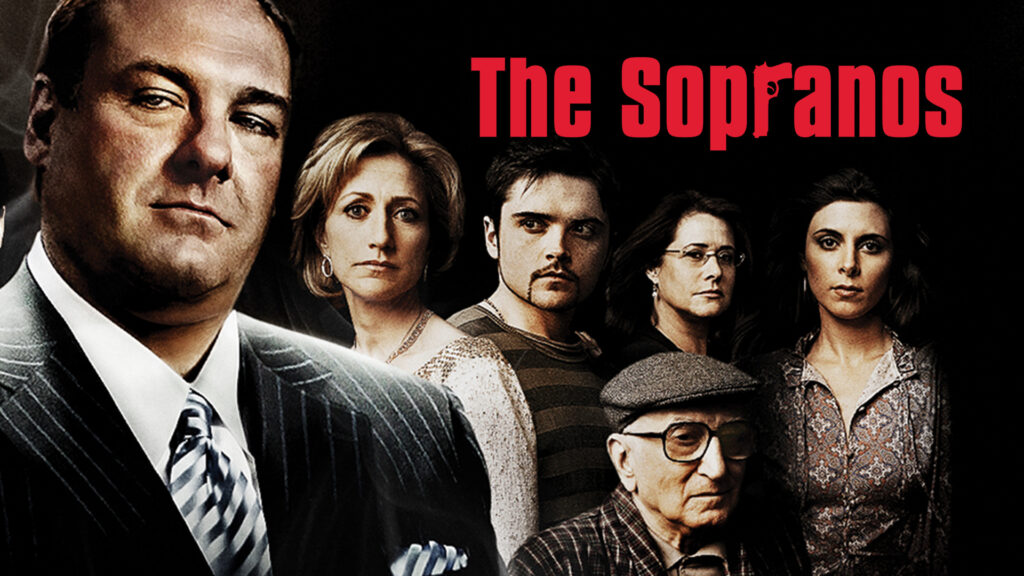
Television shows that depict therapy and mental health treatment as normal and beneficial help to reduce the stigma associated with seeking help. “In Treatment” and “The Sopranos” are notable examples of this positive portrayal. “In Treatment” revolves around the sessions of a psychotherapist and his patients, offering an intimate glimpse into the therapeutic process and the complexities of mental health.
“The Sopranos,” a groundbreaking series about a mob boss undergoing therapy, humanizes the protagonist, Tony Soprano, by showing his struggles with anxiety and depression. By portraying therapy as a crucial and normal part of dealing with mental health issues, these shows encourage viewers to consider therapy as a viable and positive option for themselves. This positive portrayal can also extend to other community events and outreach, such as a pet fair, promoting the idea of seeking help and support in various aspects of life.
Representation of Diverse Experiences
Diverse representation in mental health portrayal is essential to reflect the varied experiences of individuals across different backgrounds. Shows like “Crazy Ex-Girlfriend” and “Dear White People” have made strides in depicting mental health issues within diverse communities. “Crazy Ex-Girlfriend” addresses borderline personality disorder (BPD) through its main character, Rebecca Bunch, providing insight into the challenges faced by individuals with BPD. Such progress not only enhances understanding but also contributes to overall well-being, akin to the benefits seen with a libido enhancer.
“Dear White People” explores mental health issues within the Black community, tackling the intersection of race and mental health. By showcasing the unique experiences of marginalized groups, these shows contribute to a broader understanding of mental health and promote inclusivity in mental health discussions.
The Bad: Harmful Misrepresentations of Mental Health
While there have been significant strides in positive portrayals, television has also perpetuated harmful stereotypes and misconceptions about mental health. These misrepresentations can reinforce stigma and deter individuals from seeking help.
The Villainization of Mental Illness
One of the most damaging tropes in television is the portrayal of individuals with mental illness as dangerous or villainous. This stereotype is prevalent in crime dramas and thrillers, where characters with mental health issues are often depicted as violent criminals or unhinged villains. Shows like “Criminal Minds” and “American Horror Story” have been criticized for their reliance on this harmful trope.
The villainization of mental illness not only perpetuates fear and misunderstanding but also exacerbates the stigma surrounding mental health. It reinforces the false notion that mental illness is synonymous with danger, making it harder for individuals to seek help and for society to support them.
Writers and producers working on TV shows about mental health often rely on remote online notarization to handle the legal documentation required for sensitive storylines. This process ensures that scripts, agreements, and releases are securely signed, protecting the integrity of the narrative they aim to portray.
Oversimplification and Romanticization
Oversimplification and romanticization of mental health issues can trivialize the experiences of those who struggle with them. Shows like “13 Reasons Why” have faced backlash for their treatment of sensitive topics like suicide and depression. Critics argue that the show simplifies complex issues and romanticizes suicide, potentially leading to harmful consequences for vulnerable viewers.
Mental health issues are often depicted as easily resolved or as a defining trait of a character, ignoring the multifaceted nature of these conditions. This oversimplification can lead to misconceptions about the realities of living with mental illness and undermine the importance of comprehensive treatment and support.
Lack of Depth and Development
Characters with mental health issues are sometimes portrayed in a one-dimensional manner, lacking depth and development. This can reduce complex conditions to mere plot devices rather than presenting them as integral aspects of a character’s life. In some cases, characters are introduced with mental health issues only to have those aspects of their lives quickly resolved or forgotten.
Such portrayals fail to capture the ongoing nature of mental health struggles and do a disservice to viewers by providing an incomplete picture of mental illness. Comprehensive character development that includes a realistic portrayal of mental health issues is essential for fostering understanding and empathy. Partnering with a product development agency can help create more nuanced and authentic representations that better reflect the complexities of mental health.
The Misunderstood: Common Misconceptions in TV Portrayals
Television often perpetuates misunderstandings about mental health, contributing to the spread of misinformation. These misconceptions can shape public perception and influence how people view and approach mental health issues.
The Myth of the “Cure”
A common misconception in television is the idea of a quick and complete “cure” for mental health disorders. Many shows depict characters recovering from mental illness after a single breakthrough or a short period of treatment. This portrayal is misleading and does not reflect the reality of managing mental health conditions.
Mental health disorders often require ongoing treatment and management. The journey to mental wellness is typically long and complex, involving various forms of therapy, medication, and support. By perpetuating the myth of a quick cure, television can create unrealistic expectations and discourage individuals from seeking or continuing treatment. For those seeking comprehensive care, options such as insulin resistance therapy in Tulsa exemplify the specialized approaches needed for effective long-term management.
Misrepresentation of Specific Disorders
Certain mental health disorders are frequently misunderstood and misrepresented in television. Obsessive-compulsive disorder (OCD) and schizophrenia are two conditions that are often depicted inaccurately.
OCD is frequently portrayed as a quirky obsession with cleanliness or orderliness, ignoring the debilitating nature of the disorder. Shows like “Monk” have contributed to this misrepresentation by focusing on the character’s compulsive behaviors as comedic elements.
In reality, OCD involves intrusive thoughts and repetitive behaviors that can significantly impair an individual’s daily life.
Schizophrenia is another disorder that is often depicted inaccurately, usually as synonymous with having multiple personalities or as being inherently violent. This portrayal is far from the truth. Schizophrenia involves symptoms such as hallucinations, delusions, and disorganized thinking, and individuals with the disorder are more likely to be victims of violence rather than perpetrators. Raising awareness about mental health is crucial, just as it is important to choose reliable services like a moving company in Bellevue.
The Stigma of Medication
Television often perpetuates the stigma associated with psychiatric medication, portraying it as a last resort or a sign of weakness. Characters are sometimes shown abandoning their medication and experiencing immediate improvements, suggesting that medication is unnecessary or harmful. This portrayal can discourage individuals from seeking medical help and adhering to prescribed treatments.
In reality, medication can be a crucial part of managing mental health disorders. It can help alleviate symptoms and improve quality of life when used appropriately under the guidance of a healthcare professional. By stigmatizing medication, television can contribute to the reluctance of individuals to consider or adhere to medical treatments.
Moving Forward: Improving Mental Health Representation
The portrayal of mental health in television is a powerful tool that can shape public perception and influence societal attitudes. To improve mental health representation, creators must prioritize accuracy, depth, and diversity in their depictions of mental health issues.
Collaboration with Mental Health Professionals
Collaborating with mental health professionals during the creation of TV shows can ensure accurate and respectful portrayals of mental health issues. Consulting experts can help writers and producers understand the complexities of mental health disorders and the nuances of treatment. This collaboration can lead to more informed and realistic portrayals that educate and resonate with viewers.
Emphasizing Recovery and Resilience
Did you know that some production teams consult experts in various fields, including those who generate loan servicing software reports, to craft realistic portrayals of stress and anxiety? Their insights add depth to the storyline, reflecting how financial pressures can impact mental well-being.
Television can play a crucial role in emphasizing recovery and resilience, showcasing that individuals with mental health issues can lead fulfilling lives. By highlighting stories of recovery and the importance of seeking help, TV shows can offer hope and encouragement to viewers who may be struggling with their own mental health.
Shows like “Atypical” and “Euphoria” have started to embrace this approach. “Atypical” follows the journey of a young man with autism as he navigates life, love, and independence. “Euphoria” portrays the challenges of addiction and mental health in a raw and honest manner, while also emphasizing the importance of support systems and the possibility of recovery.
Encouraging Open Conversations
Television can serve as a catalyst for open conversations about mental health, breaking down barriers and reducing stigma. By portraying mental health issues in a candid and empathetic manner, TV shows can encourage viewers to talk about their own experiences and seek support. Open conversations can lead to greater awareness, understanding, and acceptance of mental health issues.
Conclusion
Television has a significant influence on how society perceives mental health. While there have been positive strides in accurate and empathetic portrayals, harmful misrepresentations and misunderstandings still persist. By prioritizing accuracy, depth, and diversity in mental health portrayals, TV shows can contribute to a more informed and compassionate society. Collaborating with mental health professionals, emphasizing recovery and resilience, and encouraging open conversations are key steps toward improving mental health representation on television. Through these efforts, television can play a vital role in reducing stigma, promoting awareness, and supporting those who struggle with mental health issues.
Canned seafood, a convenient and often economical option, has become a staple in many households. From tuna and salmon to sardines and mackerel, canned seafood provides a quick and easy way to incorporate protein and essential nutrients into your diet. However, like any food choice, it has its pros and cons. This text explores the advantages and disadvantages of using canned seafood in your diet.
Advantages of Canned Seafood
Convenience and Accessibility One of the primary advantages of canned seafood is its convenience. Canned products are pre-cooked and ready to eat, requiring no additional preparation time. This makes them ideal for quick meals and snacks, especially for individuals with busy lifestyles. Additionally, canned seafood has a long shelf life, allowing it to be stored for extended periods without the need for refrigeration, making it a reliable pantry staple.
Nutritional Benefits Canned seafood is rich in essential nutrients, including high-quality protein, omega-3 fatty acids, vitamins, and minerals. Omega-3 fatty acids, in particular, are known for their cardiovascular benefits, anti-inflammatory properties, and support for brain health. For example, canned salmon and sardines are excellent sources of omega-3s, vitamin D, and calcium, which are crucial for maintaining bone health. These nutritional benefits can contribute to a well-balanced diet when consumed in appropriate amounts.
Cost-Effectiveness Compared to fresh seafood, canned seafood is often more affordable, making it accessible to a wider range of consumers. This cost-effectiveness allows people to enjoy the health benefits of seafood without straining their budgets. Additionally, the affordability of canned seafood can help increase dietary diversity, especially for individuals who may not have regular access to fresh seafood due to geographical or economic constraints.
Disadvantages of Canned Seafood
Sodium Content One of the main drawbacks of canned seafood is its high sodium content. To preserve the seafood and enhance its flavor, manufacturers often add salt during the canning process. Consuming high amounts of sodium can lead to health issues such as hypertension, cardiovascular disease, and kidney problems. It is important to read labels carefully and choose low-sodium options when available to mitigate this risk.
Potential Contaminants Canned seafood can sometimes contain contaminants such as mercury, especially in larger fish like tuna. While regulations are in place to limit these contaminants, excessive consumption can pose health risks, particularly for pregnant women and young children. Additionally, some canned seafood may contain additives or preservatives that could have adverse health effects over time. Consumers should opt for brands that prioritize sustainable and safe fishing practices to minimize these risks.
Environmental Impact The environmental impact of canned seafood is another concern. Overfishing and unsustainable fishing practices can deplete fish populations and harm marine ecosystems. Moreover, the production and disposal of can contribute to environmental pollution. Choosing canned seafood from reputable sources that adhere to sustainable fishing practices and eco-friendly packaging can help mitigate these environmental issues. Wild albacore tuna, often found in canned products, is subject to concerns about overfishing.
Conclusion
Canned seafood offers a range of benefits, including convenience, nutritional value, and cost-effectiveness, making it a popular choice for many people. However, it is important to be aware of its disadvantages, such as high sodium content, potential contaminants, and environmental impact. By making informed choices, such as selecting low-sodium options and supporting sustainable brands, consumers can enjoy the advantages of canned seafood while minimizing the associated risks. Balancing canned seafood with fresh options and a variety of other protein sources can contribute to a healthy and environmentally responsible diet.
The cinematic portrayal of World War II has captivated audiences for decades, providing not only a lens into historical events but also shaping our collective understanding of them. The films from this era, whether depicting harrowing battles or the profound personal stories, have an extraordinary power to influence viewers. Through their dramatic narratives and powerful visuals, these films engage audiences on a deep psychological level, evoking a range of emotions from empathy to horror. Therefore, they can be particularly educational and good for different generations, and if you are planning a pleasant movie night with close people in your home, you can count on house washing in St. Augustine to make sure that your home is fresh and thoroughly clean so that everyone is happy they enjoy it.
The impact of WWII films is multi-faceted, deeply rooted in both the narrative techniques employed by filmmakers and the inherent psychological responses of audiences. As these films portray the brutality of war and the heroism of those who fought, they also tap into the viewer’s subconscious, stirring feelings that can linger long after the credits roll. The way these films are constructed—from their story arcs to their character development—plays a crucial role in eliciting these responses. For instance, a film might juxtapose moments of intense action with quiet, introspective scenes, creating a rhythm that mirrors the unpredictability of war itself. That’s why movies like this can be especially intriguing and interesting, and to fully enjoy them, especially in the warm and cold months, rely on the temperature control devices in your home, and if they don’t work for you, you can rely on HVAC repair in Charlotte, NC.
Moreover, the emotional intensity of WWII films often serves to highlight the broader human experience. By presenting the personal struggles of characters against the backdrop of grand historical events, these films make the past more relatable and immediate. This connection can lead to a heightened sense of empathy and understanding, allowing viewers to engage with the historical narrative on a personal level. The psychological impact is thus not just about the depiction of war, but about how these portrayals resonate with the viewer’s own experiences and emotions. This is precisely why many individuals can find courage and inspiration in such movies and apply them in their own lives, gaining the strength to make some big decisions like moving to another city to follow their dreams, and helpful Los Angeles movers can help them with that.
Historical Accuracy and Emotional Resonance
One of the critical aspects of WWII films is their balance between historical accuracy and emotional storytelling. While many films strive for historical fidelity, others take creative liberties to enhance the dramatic effect. This tension between fact and fiction can significantly influence the psychological impact of these films. On one hand, accurate portrayals of historical events can foster a deeper understanding and appreciation of the complexities of war. On the other hand, dramatic embellishments might create a more compelling narrative but at the cost of historical precision. In both cases, the aim is to evoke in the viewers an important emotion of uncertainty and the fact that nothing is so certain in life and that important and beautiful moments should always be celebrated, and one of them is certainly your wedding, which you can preserve through wedding photography in Arkansas with a professional photographer.
The emotional resonance of WWII films is often heightened by their ability to convey the human aspects of war. Personal stories of sacrifice, bravery, and survival can evoke strong emotional reactions, making the historical events feel more immediate and impactful. By focusing on individual experiences, these films can bridge the gap between the past and present, allowing audiences to connect with historical figures on a personal level. This emotional engagement is a powerful tool in shaping viewers’ perceptions of history and their own emotional responses to it. That’s why such movies require your complete commitment and focus, so that you don’t miss a single important moment of tension and scene, and to fully enjoy a pleasant movie night, you can rely on quality blinds in Colorado Springs.
Yet, the blending of fact and fiction in WWII films also raises questions about the potential for misrepresentation. While dramatic elements can enhance the storytelling, they can also lead to distorted perceptions of historical events. This blend of accuracy and embellishment challenges viewers to critically evaluate the information presented and consider how it influences their understanding of history. The psychological impact, therefore, is not only a matter of emotional engagement but also involves an awareness of how historical narratives are constructed and represented on screen. That is why the narrative of the film itself and the power of the creator to tell a story related to real and fictional historical events into a compelling event for the audience is important, and if you yourself have some important and big ideas and motivational stories and want to learn how to convey them to others and tell, you can start with an excellent public speaking course.
The Influence of Cinematic Techniques
The techniques employed in WWII films play a crucial role in shaping the psychological impact on audiences. From the use of cinematography and sound design to the pacing and editing, these elements work together to create a specific atmosphere and evoke particular emotions. For example, the use of close-ups can heighten the emotional intensity of a scene, allowing viewers to connect more deeply with the characters. Similarly, the strategic use of sound effects and musical scores can amplify the dramatic effect and immerse viewers in the experience of war. This kind of psychological impact on the audience can have a particularly important and significant impact on you if, after the film, you decide to visit some of the famous historical places in Europe that bear memories of these tragic events and in order to see them all, you can rent a car in Beograd and better organize your trip.
Cinematic techniques also influence how viewers process and remember the information presented. Flashbacks, for instance, can provide context and depth to the story, revealing crucial backstory and emotional underpinnings. This method of storytelling not only enhances the narrative but also affects how viewers relate to the characters and events. By presenting past events in a fragmented or nonlinear manner, these films can evoke a sense of confusion or disorientation that mirrors the chaos of war itself. However, this kind of storytelling and connecting the story is not recommended for all types of viewers, and it can be especially tiring and difficult to follow when it comes to individuals undergoing treatment for autism and similar conditions.
Moreover, the visual and auditory elements of WWII films contribute to their overall impact by engaging viewers on multiple sensory levels. The realistic depiction of battle scenes, combined with the strategic use of sound and music, creates a powerful sensory experience that can profoundly affect viewers’ emotions and perceptions. This immersive quality enhances the psychological impact of the film, making the historical events portrayed feel more vivid and immediate. In this way, viewers successfully connect with the characters themselves and feel more strongly the transmission of certain emotions and moments, which can be a particularly difficult experience for many who are not ready to deal with such stressful moments, and you can always find useful tips on some of the good sites that take care of their healthcare IT services, where you will be able to learn how to deal more properly with stress in life.
Audience Reception and Psychological Effects
The reception of WWII films can vary widely among audiences, influenced by personal experiences, cultural background, and historical knowledge. For some, these films serve as a poignant reminder of the past, evoking a deep sense of reflection and reverence. For others, they might bring up unresolved emotions or challenge existing perceptions of history. This variability in audience reception underscores the complex psychological effects that WWII films can have. It is also important which historical period is covered, and whether it is the beginning of the war, the time of the war, or post-war events that above all can inspire courage, perseverance, as well as changes and renovations, and therefore the restoration of destroyed buildings, and if you are planning to renovate your home yourself, you can consider window replacement in New Jersey to provide yourself with the ideal space.
The way viewers process and respond to these films is also shaped by their individual psychological makeup. Those with a personal connection to the events depicted, such as veterans or their families, may experience heightened emotional responses. Similarly, viewers with a strong interest in history or military affairs might engage with the film on a more analytical level, focusing on historical accuracy and narrative structure. The psychological impact of WWII films is thus not uniform but rather a reflection of the diverse ways in which individuals interact with and interpret the content. Therefore, for each individual film on this topic, the viewer’s opinions are quite different, precisely because of the different spheres of society and the viewers themselves and their lives, in addition, the Internet provider that manages IT services in San Antonio provides its users with excellent Internet with which they can quickly and easily find a variety of useful communities and forums where they can share their opinions as well as listen to other people’s stories.
Furthermore, the social and cultural context in which these films are viewed can influence their psychological impact. For instance, films released during periods of political or social upheaval may resonate differently with audiences compared to those viewed in times of relative stability. This context can shape how viewers perceive the messages and themes of the film, affecting their overall emotional and psychological response.
Legacy and Continued Relevance
The legacy of WWII films continues to shape how we understand and remember the war. Their portrayal of historical events and personal stories has contributed to the collective memory of the conflict, influencing how subsequent generations perceive and relate to the past. This enduring relevance underscores the powerful role that cinema plays in shaping historical narratives and public consciousness. Apart from films and series from this period, literature also successfully influences the formation of awareness and knowledge of people about these events, and young members of the Readathon school fundraiser organization especially enjoy developing their good reading habits through similar and valuable narratives that can expand their knowledge.
As new generations of filmmakers revisit WWII themes, they bring fresh perspectives and interpretations to the screen. These contemporary portrayals reflect evolving cultural attitudes and historical understanding, contributing to an ongoing dialogue about the significance of the war and its impact. This continual reassessment ensures that WWII films remain a vital part of our cultural landscape, providing valuable insights into both the past and present.
The continued relevance of WWII films also highlights the importance of critically engaging with their content. By examining how these films portray history and the psychological effects they produce, audiences can gain a deeper understanding of both the historical events and their own responses to them. This critical engagement fosters a more nuanced appreciation of the role that cinema plays in shaping our perceptions of history and the human experience. Of course, in order to understand this kind of narrative differently, it is important to look at the story from many important angles, in addition, you can rent a car in Sarajevo while you are in Europe and devote yourself to researching interesting stories of people who have gone through such events or their family members have survived similarly.
The Role of Heroism and Sacrifice in Shaping Perceptions
Heroism and sacrifice are recurring themes in WWII films, playing a pivotal role in shaping how audiences perceive the conflict. By highlighting acts of valor and selflessness, these films create powerful narratives that resonate deeply with viewers. The portrayal of heroic figures, whether they are soldiers, leaders, or ordinary citizens, serves to underscore the moral and ethical dimensions of war. These stories often emphasize the personal cost of such heroism, including the emotional and psychological toll on individuals. Especially if the narrative is related to some of the real and important historical figures, and thus inspired by these important and great historical events of those characters, many organize to celebrate the end of the war and the victory over the bad, and in order to better inform yourself and see off the numerous manifestations that take place are held all over the world for these celebrations, you can start with some of the excellent hospitality courses.
The depiction of sacrifice in WWII films can evoke a profound sense of admiration and empathy. By focusing on the personal stories of those who made significant sacrifices, these films not only honor their contributions but also invite viewers to reflect on their own values and beliefs. This focus on heroism and sacrifice can have a lasting impact on how audiences understand and appreciate the complexities of war. It also serves to reinforce cultural narratives about bravery and patriotism, shaping public perceptions of historical events.
Comparative Analysis of War Films Across Different Eras
Comparing WWII films from different eras reveals how societal attitudes and cinematic techniques have evolved over time. Earlier films, often produced during or shortly after the war, tended to focus on clear-cut narratives of heroism and good versus evil. These films, such as “Saving Private Ryan” or “The Longest Day,” were designed to boost morale and provide a sense of closure following the conflict. Their portrayal of war was straightforward, emphasizing the nobility of the soldiers and the righteousness of their cause. With good promotion that played a significant role for the popularity of these films, it was successfully worked to raise the morale and awareness of many individuals about the importance of these problems, and if your business also needs good promotion so that more people know about you, you can rely on a great Colorado Springs SEO company that will create a successful promotion plan for you.
In contrast, contemporary WWII films often adopt a more nuanced approach, exploring the moral ambiguities and psychological complexities of war. Modern films, like “Dunkirk” or “1917,” use innovative cinematographic techniques and fragmented storytelling to convey the chaotic and often surreal nature of combat. This shift reflects a broader cultural change towards questioning traditional narratives and exploring the human cost of conflict in greater depth. Analyzing these differences offers insights into how film reflects and shapes our understanding of history. Therefore, you can devote yourself to the films of both productions in order to form a complete and clear opinion about these events, however, if you currently have a problem that worries you more like burst pipes in the apartment, it is time to call an experienced plumber in San Antonio to fix the problem.
The Impact of War Films on Collective Memory and Historical Narrative
WWII films significantly influence collective memory and historical narrative by shaping how generations remember and interpret the conflict. These films often become cultural touchstones, providing a shared reference point for understanding the war. By presenting specific narratives and perspectives, they contribute to the collective memory of the war, influencing how it is remembered and discussed in society. This is precisely why quality filmmakers and producers work only with professional equipment and professionals in their business, just as an excellent hairdresser works only with sharp and experienced Japanese scissors, to create perfect and beautiful works of art that attract everyone’s attention.
The portrayal of certain events, figures, or themes in these films can shape public perceptions and historical understanding. For instance, the depiction of particular battles or strategies can affect how audiences view the effectiveness and morality of wartime actions. Furthermore, the emotional and dramatic elements of these films can reinforce certain historical myths or stereotypes. As a result, WWII films play a crucial role in shaping and perpetuating the historical narrative, impacting how future generations will perceive and understand the conflict. However, an important role is played by the region in which the film was shown, as well as the exact theme that runs through the period of this difficult time, and if you find yourself in Europe, you can rent a car in Belgrade and visit some of the important historical places that will present history to you maybe in a different way than what is in the movies.
Conclusion
In conclusion, WWII films have a profound and multifaceted impact on audiences. Through their exploration of heroism, sacrifice, and historical representation, they shape our understanding of the conflict and its broader implications. The evolution of these films over time reflects changing societal attitudes and cinematic techniques, highlighting the dynamic relationship between film and history. As we continue to engage with these narratives, it is essential to recognize their influence on collective memory and historical interpretation. By critically examining the content and context of WWII films, we can gain deeper insights into both the past and the ways in which it continues to resonate with us today. That is why many companies investing in the creation of these films, produce some of the creative promotional products that serve to draw viewers’ attention to the point of the film itself and the importance of remembering these difficult events and brave people.
Television has long been a window into the lives and experiences of others, often providing audiences with a glimpse into various professions. From the high-stakes world of emergency rooms to the intricacies of legal battles, TV shows have sought to depict a range of professional environments. However, the balance between accuracy and drama is a delicate one. While realism can enhance credibility, dramatic embellishments are often employed to captivate and retain viewers. This article explores how different professions are portrayed on TV, the impact of these portrayals, and the ongoing tension between accuracy and drama. Did you know that even beauty salons, like a beauty salon in Flatiron, can offer fascinating insights into personal care and style through their portrayal in media?
If TV shows integrated more authentic financial elements, they would reflect the critical roles of professionals like those at a mortgage company in Raleigh, NC. This integration would highlight how essential financial management is in real life, adding credibility to portrayals of various professions and their day-to-day realities.
Medical Professions
Medical dramas are among the most popular genres on television, with shows like “Grey’s Anatomy,” “ER,” and “House” drawing large audiences. These series often center around the lives of doctors, nurses, and other healthcare professionals, depicting their personal and professional challenges.
Accuracy: Many medical dramas strive for realism by incorporating medical jargon, realistic procedures, and accurate depictions of illnesses and injuries. Shows often employ medical consultants to ensure that scenes reflect real-life practices. For example, “ER” was praised for its realistic portrayal of emergency medicine, thanks in part to the involvement of medical professionals in the production process.
Similarly, in the realm of athletic wear, the design of men’s training shorts reflects a commitment to functionality and performance, incorporating advanced fabrics and ergonomic designs to enhance the training experience and meet the needs of athletes.
Drama: To maintain viewer interest, medical dramas frequently amplify the intensity of hospital environments. Characters often face rare and extreme medical cases, dramatic patient interactions, and intense personal conflicts. This heightened drama can lead to misconceptions about the medical profession, such as the frequency of dramatic life-and-death situations or the prevalence of romantic relationships among colleagues. Whether seeking a relaxing escape or just routine self-care, fans might enjoy a pedicure in Flatiron after an episode.
Impact: The portrayal of medical professionals on TV can shape public perceptions of healthcare. While accurate depictions can foster respect and understanding for the profession, dramatized elements may lead to unrealistic expectations among patients. For instance, the notion that doctors can always solve complex medical cases within a single episode can create false hopes.
Legal Professions
Legal dramas, such as “Law & Order,” “Suits,” and “The Good Wife,” offer a glimpse into the world of lawyers, judges, and courtroom proceedings.
These shows often highlight the tension and drama inherent in legal battles. They also stand for the top-choice series to relax while studying for your test using the CCI RCIS practice test.
Accuracy: Legal dramas typically incorporate legal terminology and procedures to lend authenticity to their narratives. Courtroom scenes, in particular, aim to reflect real legal processes, from opening statements to cross-examinations. “Law & Order,” for example, is known for its “ripped from the headlines” approach, drawing inspiration from real legal cases. This is an excellent example for young students and future lawyers because it somehow shows a clear and realistic picture of a lawyer on stage in a courtroom with all different cases and drama, and fans of this genre can indulge and enjoy the scenes full of tension while nibbling on some of the delicious milk chocolate edibles.
Drama: Despite efforts at accuracy, legal dramas often prioritize dramatic tension over procedural realism. Cases are frequently resolved within the span of an episode, and legal professionals are depicted as constantly engaging in high-stakes, emotionally charged confrontations. Additionally, the pace of legal proceedings on TV is often much faster than in real life, where cases can take months or even years to resolve. Choosing the right banquet hall in LA for events can also create a dramatic backdrop, enhancing the storytelling experience for all attendees.
Impact: The portrayal of legal professionals in TV shows can influence public understanding of the legal system. While dramatized depictions can generate interest and excitement, they can also lead to unrealistic expectations about the speed and nature of legal processes. Viewers might expect quick resolutions and dramatic courtroom revelations, which are not reflective of the often slow and methodical reality of the legal profession.
While watching these amazing shows, you can also do your daily face care routine by using the seaweed face wash.
Law Enforcement Professions
Police procedurals and crime dramas, such as “CSI,” “NCIS,” and “The Wire,” are staples of television programming. These shows explore the work of law enforcement officers, detectives, and forensic experts as they solve crimes and uphold justice.
Accuracy: Crime dramas often incorporate real investigative techniques and forensic science to enhance their credibility. Shows like “CSI” have popularized certain forensic methods, such as DNA analysis and fingerprinting. Law enforcement consultants are frequently involved in the production to ensure that procedures and terminology are accurately represented. In a similar vein CDL exam prep in Orlando focuses on providing accurate and up-to-date information on driving regulations and safety protocols, ensuring that aspiring drivers are well-prepared for their exams.
Drama: To captivate audiences, crime dramas tend to amplify the intensity and frequency of criminal cases. Investigators are often portrayed as solving complex cases within short timeframes, using high-tech equipment and techniques. Personal dramas, ethical dilemmas, and action-packed sequences are common, adding layers of excitement and tension to the narrative.
Impact: The portrayal of law enforcement on TV can shape public perceptions of crime and justice. While accurate depictions of forensic science and investigative techniques can inform and educate viewers, dramatized elements can lead to misconceptions. For example, the so-called “CSI effect” refers to the phenomenon where jurors have unrealistic expectations of forensic evidence in real court cases, influenced by what they see on TV.
Political Professions
Political dramas, such as “The West Wing,” “House of Cards,” and “Scandal,” provide a behind-the-scenes look at the lives of politicians, advisors, and government officials.
These shows often delve into the complexities of political decision-making and the ethical challenges faced by those in power.
Accuracy: Political dramas often strive for a degree of realism by incorporating real political processes, legislative terminology, and actual historical events. “The West Wing” was praised for its realistic portrayal of the inner workings of the White House and its depiction of political strategy and policy-making. Similarly, driveway paving in North Carolina requires attention to detail and adherence to best practices to ensure a durable and aesthetically pleasing result that meets both functional and regulatory standards.
Drama: To maintain viewer interest, political dramas frequently heighten the stakes with intense personal conflicts, scandalous revelations, and moral dilemmas. Characters are often involved in conspiracies, power struggles, and high-stakes negotiations that exceed the typical day-to-day activities of real political professionals. Similarly, the escape room in Seattle creates a thrilling atmosphere where participants face intense challenges and puzzles, often requiring teamwork and quick thinking to achieve their goals within a set time limit.
Impact: The portrayal of political professionals on TV can influence public perceptions of politics and governance. While realistic depictions can enhance understanding and engagement with political processes, dramatized elements can lead to cynicism and distrust. Viewers might come to see politics as inherently corrupt and chaotic, overshadowing the more mundane and bureaucratic aspects of real political work.
Business Professions
Business dramas, such as “Mad Men,” “Suits,” and “Billions,” explore the world of corporate executives, advertising professionals, and financial moguls. These shows often highlight the cutthroat nature of the business world and the personal sacrifices made in pursuit of success. In a similar vein, lighting service in Plano, TX can transform corporate spaces, enhancing both functionality and aesthetic appeal, thus reflecting the high stakes and ambition often portrayed in these dramas.
Accuracy: Business dramas typically incorporate real business practices, industry jargon, and corporate culture to lend authenticity to their narratives. “Mad Men,” for example, was noted for its accurate depiction of the advertising industry in the 1960s, including its social norms and professional dynamics.
Drama: To captivate audiences, business dramas often emphasize personal conflicts, ethical dilemmas, and dramatic corporate maneuvers. Characters are frequently involved in high-stakes deals, power struggles, and personal betrayals that heighten the tension and drama. The portrayal of business professionals as ruthless and unscrupulous can overshadow the more routine and collaborative aspects of real corporate work.
Impact: The portrayal of business professionals on TV can shape public perceptions of the corporate world. While accurate depictions can provide insights into industry practices and professional dynamics, dramatized elements can reinforce negative stereotypes. Viewers might come to see business professionals as inherently cutthroat and unethical, which can distort the more nuanced reality of the business world.
Scientific Professions
Scientific dramas, such as “Breaking Bad,” “The Big Bang Theory,” and “Fringe,” offer a glimpse into the lives of scientists, researchers, and academics. These shows often explore the challenges and triumphs of scientific discovery and innovation. Similarly, irrigation installation in the Florida Panhandle reflects the importance of innovative solutions in agriculture and environmental management, showcasing how effective systems can lead to sustainable growth and prosperity.
Accuracy: Scientific dramas typically incorporate real scientific concepts, terminology, and practices to lend credibility to their narratives. “Breaking Bad,” for example, was noted for its accurate depiction of chemistry and the drug trade, thanks in part to the involvement of scientific consultants.
Drama: To maintain viewer interest, scientific dramas often amplify the stakes with intense personal conflicts, ethical dilemmas, and dramatic discoveries. Characters are frequently involved in high-stakes experiments, life-changing breakthroughs, and dangerous situations that exceed the typical experiences of real scientists.
Impact: The portrayal of scientific professionals on TV can shape public perceptions of science and research. While accurate depictions can enhance understanding and appreciation for scientific work, dramatized elements can lead to misconceptions. Viewers might come to see scientific research as inherently glamorous and perilous, overshadowing the more methodical and collaborative aspects of real scientific work.
Conclusion
Television has a powerful influence on public perceptions of various professions, offering both an educational and entertainment value. While many TV shows strive for realism by incorporating accurate terminology, procedures, and professional dynamics, dramatic embellishments are often employed to captivate and retain audiences. This balance between accuracy and drama can have significant impacts, shaping how viewers understand and engage with different professions.
The accurate portrayal of professions can foster respect, understanding, and interest, enhancing the credibility and educational value of TV shows. However, the dramatization of professional environments can lead to unrealistic expectations and misconceptions, distorting the public’s perception of the realities of these professions. As viewers, it is important to recognize the line between entertainment and reality, appreciating the dramatic elements of TV shows while maintaining an informed perspective on the professions they depict.
Exploring the vast wilderness on a safari river cruise offers a unique and serene way to witness the incredible biodiversity of Africa. Unlike traditional land-based safaris, river cruises provide an intimate perspective of the landscape, bringing you closer to the animals as they interact with their natural habitats. Glide along majestic rivers and witness the drama of the wild unfold before your eyes.
Up-Close Encounters with Aquatic Wildlife
One of the most compelling reasons to embark on a safari river cruise is the chance to observe aquatic wildlife in their natural environment. As you travel along the river, you’ll likely encounter hippos basking in the sun or submerging themselves to stay cool. Crocodiles can often be seen lurking near the banks, their stealthy movements barely disturbing the water’s surface. Additionally, river cruises offer a perfect vantage point to see various fish species, from the ferocious tiger fish to the gentle tilapia, contributing to the river’s rich ecosystem.
For those seeking a more immersive experience, a luxury safari in Africa can include such river cruises, enhancing the adventure with unparalleled comfort and style.
Bird Watching Paradise
Safari river cruises are a birdwatcher’s paradise. The rivers and their surrounding vegetation attract an array of bird species, making it an excellent opportunity for enthusiasts to spot and identify them. From the striking African fish eagle with its piercing cry to the colorful kingfishers darting above the water, the avian diversity is astounding. You may also witness flocks of flamingos and pelicans, adding a splash of color and excitement to the serene river landscape. The leisurely pace of the cruise allows ample time to capture these magnificent birds in their natural settings.
Mammals in Their Element
While aquatic and avian wildlife are prominent features of safari river cruises, the experience also provides remarkable sightings of terrestrial mammals. Elephants are frequently seen congregating near riverbanks to drink and bathe, often with playful calves in tow. Buffalos and antelopes graze on the lush vegetation, while the elusive leopard might be spotted lounging on a tree branch overhanging the river. The proximity of the river enables you to observe these animals in a relaxed state, offering a glimpse into their daily routines and social interactions.
Conclusion
Safari river cruises offer an unparalleled way to experience Africa’s wildlife. The tranquility of the water, combined with the rich variety of animals, creates a unique and unforgettable adventure. Whether you are captivated by the sight of a hippo pod, mesmerized by the flight of a fish eagle, or thrilled by the presence of an elephant herd, a safari river cruise provides a distinctive perspective on the wonders of the natural world. Embrace this extraordinary journey and witness wildlife like never before, from the serene and scenic vantage point of the river.
Aquarium shrimp have become increasingly popular among aquatic enthusiasts due to their vibrant colors, intriguing behaviors, and ability to help maintain tank cleanliness. Among the wide variety of shrimp species available, three types stand out as exceptional choices for aquarium hobbyists: Neocaridina, Caridina, and Amano shrimp. This essay explores these species, highlighting their unique characteristics, care requirements, and benefits to aquarium ecosystems.
Neocaridina Shrimp: The Beginner’s Delight
Neocaridina shrimp, particularly the Red Cherry Shrimp, are renowned for their vivid colors and ease of care. These shrimp are perfect for beginners due to their hardy nature and ability to thrive in a wide range of water conditions. They are highly adaptable, tolerating temperatures between 65-80°F and pH levels from 6.5 to 8.0.
Red Cherry Shrimp are prolific breeders, which means that under optimal conditions, they can quickly populate an aquarium. Their diet is versatile, consisting of algae, biofilm, and commercially available shrimp food. These shrimp also play a crucial role in keeping the tank clean by consuming detritus and algae, making them an essential part of a balanced aquarium ecosystem.
Caridina Shrimp: The Advanced Enthusiast’s Choice
Caridina shrimp, such as the Crystal Red Shrimp, are prized for their striking patterns and colors. Unlike Neocaridina shrimp, Caridina species require more specific water parameters, making them better suited for experienced aquarists. They thrive in soft, slightly acidic water with a pH between 6.0 and 6.8 and temperatures around 70-78°F.
Crystal Red Shrimp are more sensitive to water quality and changes, necessitating a well-established and stable aquarium environment. Despite their higher maintenance needs, these shrimp reward keepers with their stunning appearance and fascinating behavior. Their diet includes high-quality shrimp pellets, blanched vegetables, and biofilm, ensuring they receive the necessary nutrients for vibrant coloration and health. Incorporating live aquarium plants can further enhance their habitat and support their overall well-being.
Amano Shrimp: The Algae-Eating Workhorse
Amano shrimp, scientifically known as Caridina multidentata, are celebrated for their exceptional algae-eating capabilities. These shrimp are larger than most ornamental shrimp, reaching up to 2 inches in length, and are highly effective in controlling algae growth in aquariums. Their diet primarily consists of various types of algae, detritus, and leftover fish food.
Amano shrimp are relatively easy to care for, making them suitable for both beginners and experienced aquarists. They prefer water conditions with a pH of 6.5 to 7.5 and temperatures ranging from 68-80°F. Due to their non-breeding nature in freshwater, Amano shrimp populations remain stable, reducing the risk of overpopulation in the aquarium.
Conclusion
In conclusion, the best type of aquarium shrimp depends on the aquarist’s experience level and the specific needs of their tank. Neocaridina shrimp are ideal for beginners due to their hardiness and adaptability, while Caridina shrimp offers a rewarding challenge for advanced hobbyists with their stunning patterns and precise care requirements. Amano shrimp, with their exceptional algae-eating abilities, are a valuable addition to any aquarium, helping to maintain a clean and balanced environment. By carefully selecting the right shrimp species, aquarists can enhance the beauty and health of their aquatic ecosystems, enjoying the many benefits these fascinating creatures provide.
In recent years, television has witnessed a significant evolution with the rise of mini-TV series. These compact narratives, often spanning just a few episodes, have made a profound impact on both viewers and the industry as a whole. This article delves into the reasons behind the popularity of mini-TV series, their distinctive characteristics, and their influence on storytelling and audience engagement. At the same time, this will certainly help you to find the ideal next good series for you and start watching right now while enjoying delicious milk chocolate edibles and pleasant natural tea.
The Appeal of Mini TV Series
Mini TV series have captured the imagination of audiences worldwide due to their concise yet compelling storytelling. Unlike traditional long-format series that may span multiple seasons, mini-series offers a complete narrative arc within a limited number of episodes. This condensed format appeals to viewers seeking immersive storytelling without the commitment of long-term viewing. It allows for tighter pacing, focused character development, and a heightened sense of urgency in plot progression.
Furthermore, mini-series often attract top-tier talent from the film and television industry. Actors, directors, and writers are drawn to these projects for their creative potential and the opportunity to explore complex characters and themes within a concentrated narrative space. This convergence of talent contributes to the high production value and critical acclaim often associated with mini-TV series. Similarly, Asian massage therapists in Las Vegas offer specialized and culturally informed techniques that can enhance your relaxation experience, reflecting the high standards and expertise found in top-tier services.
Mini series also cater to changing viewing habits in the digital age. With the rise of streaming platforms, viewers have increasingly embraced binge-watching as a preferred mode of consumption. Mini series, with their limited episode count, are tailor-made for binge-watching, offering a complete narrative experience that can be consumed in a single sitting or over a weekend. Wearing loose women’s t-shirts and providing snacks and drinks is what accompanies mini-series binge-watching over a perfect weekend with a loved one. This accessibility and immediacy of storytelling enhance viewer engagement and satisfaction, driving the popularity of mini-series across diverse demographics.
Impact on Storytelling Dynamics
One of the most notable impacts of mini-TV series is their ability to experiment with narrative structures and storytelling techniques. Freed from the constraints of prolonged storytelling, creators can take risks and innovate, pushing the boundaries of what is traditionally expected in television narratives. This creative freedom fosters a diversity of genres and storytelling approaches, from psychological thrillers to historical dramas and beyond.
Moreover, mini-series often explore niche topics or unconventional narratives that may not find a home in mainstream television. By focusing on specific themes or historical events, these series can offer nuanced perspectives and deep dives into lesser-known subject matter. This thematic richness not only attracts niche audiences but also elevates the cultural and educational value of television as a storytelling medium.
The impact of mini-series extends beyond creative experimentation to influence broader industry trends. Streaming platforms, in particular, have embraced mini-series as a strategic asset in their content libraries, leveraging these compact narratives to attract and retain subscribers. The success of mini-series in capturing viewer attention and critical acclaim has spurred competition among platforms to invest in original, high-quality content that resonates with global audiences. After immersing yourself in these engaging stories, you might want to unwind with a full body massage in Vegas, which offers a perfect way to relax and rejuvenate after a day of entertainment.
Audience Engagement and Viewing Trends
The rise of streaming platforms has played a pivotal role in the popularity of mini-TV series. Platforms like Netflix, Hulu, and Amazon Prime Video have embraced these formats, catering to viewers’ growing appetite for diverse and binge-worthy content. The accessibility and on-demand nature of streaming services enable audiences to discover and consume mini-series at their own pace, contributing to sustained viewer engagement and cultural impact.
Additionally, mini-series often spark fervent discussions and social media buzz, creating a sense of communal viewing experience despite the solitary nature of streaming. Viewers share reactions, theories, and favorite moments online, further amplifying the series’ impact and extending its reach beyond traditional broadcast channels. Social media is also a good place to ask for residential junk removal services, and get some good recommendations from fellow mini-series fans.
The trend towards mini series reflects broader shifts in audience behavior and preferences. Viewers increasingly value storytelling that is immersive, thought-provoking, and easily accessible across multiple devices. Mini series, with their concise storytelling and high production values, meet these expectations by delivering compelling narratives that captivate and entertain audiences worldwide. In a similar vein, CEU courses offer professionals the opportunity to enhance their skills and knowledge in their respective fields, ensuring they stay current with industry standards and best practices.
Future Prospects and Evolution
Looking ahead, the future of mini-TV series appears promising as creators continue to innovate and explore new storytelling frontiers. The success of mini-series underscores a broader shift in audience preferences towards high-quality, serialized storytelling that can be experienced in a shorter timeframe. This trend not only reflects changes in viewing habits but also challenges traditional notions of episodic television and narrative structure.
Similarly, PowerPoint design services are adapting to meet the evolving needs of modern presentations, offering innovative and visually compelling solutions that enhance storytelling and engagement in professional and educational settings.
As streaming platforms invest in original content and global distribution, mini-series are poised to diversify further in genre, format, and cultural representation. From international collaborations to experimental formats, the evolution of mini-TV series promises to redefine the boundaries of television storytelling and capture the imagination of audiences worldwide.
The future of mini-series also lies in their potential to drive cultural conversations and societal impact. By tackling timely issues and presenting diverse perspectives, mini-series has the power to influence public discourse and shape cultural narratives. As viewers seek content that resonates with their values and interests, mini-series stand poised to engage audiences on a deeper level and contribute to meaningful social change through the art of storytelling.
Influence on Global Television Markets
Mini-TV series has not only reshaped storytelling but also profoundly impacted global television markets. The advent of streaming platforms like Netflix, Amazon Prime Video, and Hulu has democratized access to content, enabling mini-series to reach audiences worldwide with unprecedented ease. This global accessibility has catalyzed a cultural exchange where viewers from different regions can discover and appreciate diverse narratives and storytelling styles.
Moreover, the popularity of mini-series has spurred international collaborations among filmmakers and production studios. Co-productions between countries have become more prevalent, allowing for the fusion of artistic talents and resources across borders. This cross-pollination of ideas and expertise enhances the creative ecosystem of television production, resulting in innovative narratives that resonate with audiences on a global scale.
From a business perspective, the global appeal of mini-series presents lucrative opportunities for content creators and streaming platforms. By catering to diverse audience tastes and preferences, mini-series can attract a loyal and engaged international fan base. This strategic expansion into new markets not only boosts viewership numbers but also strengthens the brand presence of streaming services in competitive landscapes. Similarly, a Seattle escape room offers a unique and engaging experience that can attract a wide range of participants, providing entertainment that appeals to diverse interests and groups.
In essence, mini-TV series have transformed television into a truly global medium, where stories transcend geographical boundaries and cultural differences. As these series continue to gain momentum, their influence on global television markets is poised to grow, shaping the future of content consumption and distribution worldwide. Similarly, a renovation electrician in Plano, TX, enhances properties by upgrading electrical systems, reflecting a broader trend towards improving and modernizing homes to meet evolving needs and standards.
Economic Considerations and Production Dynamics
The economic dynamics of mini TV series are distinct from traditional long-format shows, offering unique advantages in terms of production costs and efficiency. With fewer episodes and a focused narrative scope, mini-series generally require lower production budgets compared to sprawling multi-season dramas. This cost-effectiveness allows producers to allocate resources strategically, investing in high-quality scripts, talented cast members, and innovative production techniques.
Furthermore, the streamlined production timelines associated with mini-series contribute to faster turnaround and adaptability in response to market demands. This agility is particularly advantageous in the dynamic landscape of streaming platforms, where content cycles and viewer preferences can evolve rapidly. Producers can pivot quickly to capitalize on emerging trends or audience feedback, ensuring that mini-series remain relevant and competitive in a crowded marketplace. It can be compared to the way landscaping services in Florida offer the flexibility to quickly adapt to changing environmental conditions and client preferences, ensuring that outdoor spaces are consistently well-maintained and aesthetically pleasing in a dynamic and competitive market.
From a financial standpoint, mini-series offer attractive returns on investment for studios and streaming services. The concentrated storytelling and high production values associated with successful mini-series can drive subscriber growth, enhance brand reputation, and generate substantial revenue streams through licensing and syndication deals. This economic viability encourages continued investment in diverse and innovative content, fostering a vibrant ecosystem of mini-series production worldwide.
In summary, the economic considerations and production dynamics of mini-TV series underscore their appeal as a strategic asset for content creators and distributors. By maximizing creativity within budgetary constraints and embracing nimble production practices, mini-series are poised to thrive in an increasingly competitive entertainment landscape.
Cultural Impact and Representation
Mini-TV series play a pivotal role in advancing cultural diversity and representation on screen, championing stories and perspectives that have historically been marginalized or underrepresented in mainstream media. By delving into niche topics, historical events, and culturally specific narratives, these series amplify voices from diverse communities and celebrate the richness of global storytelling traditions. Watching mini-series enriches one’s general knowledge and has a relaxing effect, after which one can have a happy massage in Las Vegas to fulfill a pleasant afternoon.
Through authentic portrayals of characters and experiences, mini-series foster empathy and understanding among viewers, challenging stereotypes and broadening cultural awareness. This commitment to representation not only enriches the viewing experience but also contributes to a more inclusive media landscape that reflects the complexities and nuances of contemporary society.
Moreover, mini-series serve as platforms for cultural exchange and dialogue, bridging gaps between audiences of different backgrounds and fostering mutual respect and appreciation. By showcasing diverse perspectives and exploring universal themes, these series transcend cultural boundaries, resonating with viewers on a personal and emotional level.
In the era of streaming platforms and digital content consumption, the cultural impact of mini-TV series extends beyond entertainment to influence social discourse and shape collective consciousness. As audiences demand authenticity and diversity in storytelling, mini-series are at the forefront of driving positive change in the representation of underrepresented communities and cultural identities.
Technological Advancements and Visual Innovation
Advancements in technology have revolutionized the visual aesthetics and production quality of mini TV series, elevating them to cinematic heights that rival traditional feature films. From high-definition cinematography to immersive sound design and cutting-edge visual effects, these technological innovations enhance storytelling by creating immersive worlds and captivating visual narratives. Similarly, business incorporation services leverage advanced tools and expertise to streamline the establishment of companies, ensuring compliance and efficiency in the formation process while helping businesses achieve operational excellence and growth.
Streaming platforms and production studios invest heavily in state-of-the-art equipment and techniques to achieve cinematic excellence in mini-series. The use of advanced cameras, lighting setups, and post-production tools enables filmmakers to push the boundaries of visual storytelling, delivering breathtaking imagery and dynamic cinematography that captivates audiences.
Furthermore, technological advancements facilitate creative experimentation and innovation in narrative techniques. Directors and cinematographers can explore unconventional camera angles, intricate mise-en-scène, and experimental visual styles to evoke mood, atmosphere, and emotional depth in mini-series. This artistic freedom not only enhances storytelling impact but also distinguishes mini-series as a distinctive medium for visual storytelling innovation. In the same vein, aerospace PR utilizes advanced communication strategies and technology to effectively manage and enhance the public image of aerospace companies, driving innovation and industry leadership through strategic media relations and impactful storytelling.
As technology continues to evolve, mini TV series are poised to pioneer new frontiers in visual storytelling, leveraging advancements in virtual reality, augmented reality, and immersive media formats. These innovations promise to redefine audience engagement and viewer experience, offering unprecedented levels of immersion and interactivity in storytelling. They have a relaxing and refreshing effect on the viewer’s mind, just as a 4 hands massage in Las Vegas has a rejuvenating effect on one’s body.
Social and Political Commentary
Mini-TV series serve as powerful platforms for social and political commentary, addressing pressing issues and sparking meaningful conversations among viewers. By exploring complex themes and contemporary concerns, these series provoke thought and reflection, encouraging audiences to critically examine societal norms, values, and injustices.
Through nuanced storytelling and character-driven narratives, mini-series challenge viewers’ perspectives and prompt dialogue on topics such as identity, equality, justice, and environmental sustainability. By portraying diverse experiences and exploring moral dilemmas, these series highlight the interconnectedness of global issues and human experiences, fostering empathy and understanding among audiences. The viewers can now find someone who buys old records, and sell theirs because mini-series have definitely taken the leading position of how people spend their leisure time.
Moreover, mini-series often depict characters who navigate social and political landscapes with authenticity and depth, portraying the complexities of human behavior and societal dynamics. This realism allows viewers to connect emotionally with the characters’ journeys and experiences, prompting introspection and dialogue about broader social issues.
In the digital age, mini TV series harnesses the power of storytelling to inspire social change and advocacy. By amplifying underrepresented voices and shedding light on systemic challenges, these series galvanize viewers to take action and contribute to positive societal transformation. Whether through fictional narratives or historical dramas, mini-series have the potential to influence public discourse and shape cultural attitudes, making them a potent force for social awareness and progress. Along with full body massage in Las Vegas, they represent a perfect way to spend a free weekend.
Conclusion
In conclusion, the rise of mini-TV series represents a transformative shift in the landscape of television storytelling. With their compact narratives, diverse themes, and global appeal, mini-series have captured the hearts and minds of audiences worldwide. They offer a unique blend of creativity, cultural resonance, and technological innovation that continues to redefine the boundaries of television as a medium. As we look to the future, mini-series are poised to evolve further, driving innovation in content creation and challenging traditional norms of episodic television. Whether through economic efficiency, cultural representation, technological prowess, or social commentary, mini-TV series are set to leave a lasting impact on the entertainment industry, shaping the way we consume and experience television for years to come.