Page 47 of 88

The Power of Nostalgia: Why 2000s Children’s TV Shows Are Making a Comeback Today”

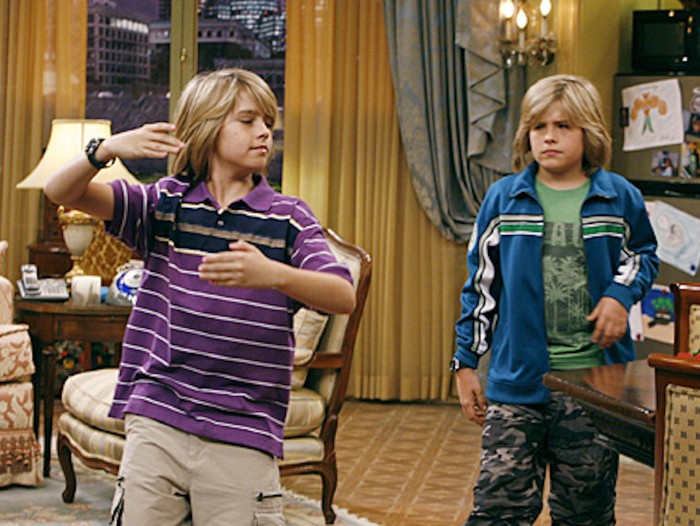
In today’s media landscape, one trend stands out: the resurgence of 2000s children’s TV shows. Whether it’s the return of fan-favorite animated series, live-action shows, or the creation of reboots and spin-offs, nostalgia for early-2000s programming is in full swing. From The Suite Life of Zack & Cody to SpongeBob SquarePants and The Fairly OddParents, the shows of this era have captured the hearts of a new generation, and reconnected older generations to their childhoods. But why, in an age of sophisticated animation, technology, and streaming platforms, are 2000s children’s TV shows making a comeback? The answer lies in the power of nostalgia, the impact of cultural relevance, and the shift in how audiences engage with media.
The Power of Nostalgia

Nostalgia is a powerful force in human psychology. It evokes memories of the past, often with a sense of longing or fondness, and it has the ability to transport people back to a simpler time in their lives. For many millennials and Gen Zers who grew up watching children’s TV shows in the early 2000s, these programs represent more than just entertainment – they represent a time of innocence, discovery, and comfort.

According to psychological studies, nostalgia is a coping mechanism that people use to reconnect with positive emotions and experiences. As individuals age, they may begin to feel the pressures of adulthood – responsibilities, work stress, or changes in personal life – and looking back at more carefree days can offer solace. The comforting world of a favorite TV show can act as an emotional anchor, reminding individuals of a time when they were less burdened by the complexities of life. When people feel nostalgia, their brains release dopamine, a feel-good neurotransmitter, reinforcing the bond between past experiences and current happiness.

This connection to nostalgia is not limited to individuals looking back at their childhoods; it also resonates with younger audiences who are discovering these shows for the first time. The universal themes present in many 2000s TV shows – friendship, family, adventure, and humor – transcend generational divides. As streaming platforms like Netflix, Hulu, and Disney+ offer a treasure trove of classic 2000s content, younger audiences are exploring shows they may have missed the first time around. The nostalgic appeal becomes a bridge that unites both older and younger generations, creating a shared cultural experience. Just like classic shows bring comfort and style, car window tints in Miami offer a sleek, timeless look while enhancing comfort on the road.

The Appeal of Simplicity

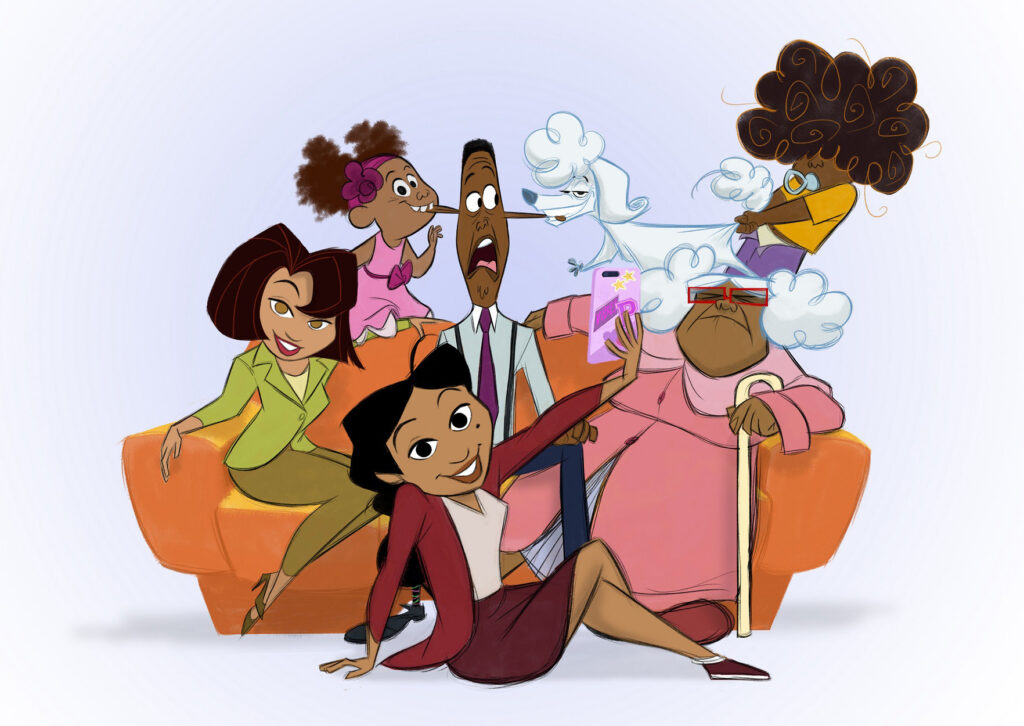
One of the defining characteristics of 2000s children’s TV shows is their simplicity. Unlike today’s fast-paced, complex, and often high-tech programming, many 2000s kids’ shows were characterized by straightforward plots, whimsical characters, and lighthearted humor. Shows like Lizzie McGuire, The Proud Family, and Even Stevens focused on relatable scenarios, from school drama to family dynamics. The simplicity of these storylines, often wrapped in a 30-minute format, made them accessible to young viewers and easy for parents to watch alongside their children.
In today’s media environment, where complex narratives and high-stakes situations dominate mainstream TV and film, there’s a growing desire for content that offers a break from these pressures. The simplicity of 2000s children’s programming serves as a refreshing contrast to the darker, more mature themes that are prevalent in modern media. Viewers find comfort in the more innocent and straightforward plots, offering a sense of escape without the mental strain that more modern content might demand. Local services, like dumpster rental in Dayton, also benefit from this desire for simplicity by providing straightforward solutions to everyday problems, making life easier for their customers.

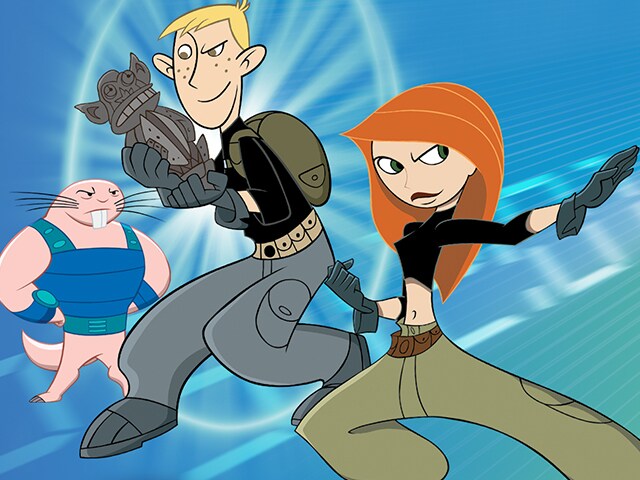
The animation style in these shows also contributed to their charm. For example, shows like Kim Possible and Danny Phantom had a signature, hand-drawn animation that evokes nostalgia for a time when digital animation was beginning to take off, but wasn’t yet the industry standard. The characters, while exaggerated and whimsical, maintained a level of warmth and relatability that is often absent in the highly polished CGI animations of today.

The Cultural Significance of the 2000s

The early 2000s represented a unique period in cultural history, both in terms of television and the world at large. It was a time before the full integration of social media, where childhood experiences were still largely defined by physical toys, limited internet use, and television. The decade also marked the tail end of a more analog era, with VHS tapes, DVD box sets, and the early days of cable TV dominating how children consumed content. These shows were an integral part of many people’s formative years, often becoming the backdrop to childhood memories. Similarly, reliable plumbing in Minneapolis services were essential during that time, ensuring homes stayed comfortable and functional through all the changes.

As the internet began to rise in prominence, these shows represented the last era of traditional TV programming before the explosion of streaming services, social media, and on-demand viewing. They were an integral part of the “Saturday morning cartoon” culture and the after-school TV lineup that children would eagerly tune into. If you’re looking for a great place to enhance your look, consider eyebrow threading in Plano, TX.
Another aspect of this cultural significance is the way these shows reflected the societal attitudes and values of the time. Shows like Drake & Josh or The Suite Life of Zack & Cody emphasized the importance of friendship, personal growth, and overcoming obstacles – messages that resonate across time. At the same time, these shows often tackled issues like peer pressure, family dynamics, and identity in ways that children could relate to, making them valuable teaching tools for young viewers. Enhancing outdoor spaces also reflects this care for environment and connection, as seen in fire features installation in Green Bay, which brings warmth and gathering spots to neighborhoods.

As today’s world becomes more globalized and media consumption becomes more fragmented, the 2000s era represents a period of relative innocence in the eyes of many. The shows of this time, though no longer on air, continue to shape the identity of an entire generation. The return of these TV shows in rebooted forms or through streaming platforms taps into this cultural relevance, offering both a sense of nostalgia for those who grew up with them and an introduction to a new generation that may not have had access to them. In the same way, modern kitchen upgrades like range hoods enhance both functionality and style in homes, bringing a touch of innovation to everyday living.

Streaming Platforms and the Revival of 2000s Content

The resurgence of 2000s children’s TV shows can be attributed, in part, to the rise of streaming platforms. With the shift away from traditional cable TV to on-demand streaming services, viewers have the ability to rewatch their favorite shows at their convenience. Netflix, Hulu, Amazon Prime, and Disney+ all provide easy access to the beloved programs of the early 2000s, enabling fans to relive their childhood experiences with a simple click of a button. Meanwhile, in places like psilocybin Alberta, there is growing interest in alternative therapies that promote well-being and mental clarity.

Disney+, in particular, has played a major role in reviving 2000s TV shows. As a platform that houses the extensive Disney catalog, including classics from Disney Channel and Disney XD, it has brought shows like Lizzie McGuire, That’s So Raven, and The Suite Life of Zack & Cody back into the cultural spotlight. The streaming platform also has a track record of producing reboots and spin-offs, such as The Proud Family: Louder and Prouder, which capitalize on the nostalgia of original fans while introducing these characters to a new audience. If you’re looking for reliable services, consider contacting an experienced electrician in Calgary to help with your electrical needs.

These shows have found new life not only through reboots, but also in the form of merchandise, live-action movies, and even podcast series. The cyclical nature of pop culture means that trends often return, and TV shows from the 2000s are no exception. By reintroducing beloved characters, settings, and storylines, these shows create an emotional connection to the past while keeping the essence of the original content intact. For fans looking to boost their energy during marathon viewing sessions, the best creatine gummies shop offers convenient supplements to stay energized.

The Reboot Phenomenon

The reboots of 2000s children’s TV shows are another key factor in the ongoing nostalgia trend. Shows like The Fairly OddParents have been rebooted with a modern twist, while others like iCarly have seen a return with their original cast, exploring where the characters are now. These reboots provide fans with the chance to reconnect with characters they grew up with while offering fresh narratives for contemporary audiences. Similarly, remote online notarization offers a modern solution to a traditional process, blending convenience with trusted practices.

Reboots are an interesting aspect of the nostalgia cycle. They allow viewers to revisit familiar characters, but also introduce new perspectives or ideas that resonate with the present cultural moment. For example, the iCarly reboot tackles issues like social media and online fame, something that was not part of the original show. These updates allow the reboots to remain relevant while tapping into the powerful emotions tied to nostalgia. For those relocating to chase new beginnings, trusted Los Angeles movers can help make the transition smooth and stress-free.

Conclusion

The resurgence of 2000s children’s TV shows is a testament to the power of nostalgia and the cultural relevance of this particular era of television. These shows are more than just relics of the past; they represent a simpler, more innocent time in many people’s lives. The emotional connection to these programs continues to drive their revival, whether through reboots, streaming services, or new merchandise. The combination of nostalgia, simplicity, and cultural significance has made 2000s children’s TV shows a valuable asset in today’s media landscape, ensuring that they remain a beloved part of popular culture for years to come.

Lights, Camera, Deadline: The Most Thrilling Movies About Newsrooms

Journalism is often described as a high-stakes profession, where truth is pursued with relentless passion, deadlines are met with seconds to spare, and ethical dilemmas unfold in real time. It’s no surprise, then, that Hollywood has long been fascinated with newsrooms. Whether it’s the adrenaline-fueled rush of uncovering corruption, the emotional toll of chasing a breaking story, or the tense relationships between journalists and their sources, newsroom movies capture the drama of real-world reporting in a way few other genres can.

Some of these films are based on true events, showcasing the power of investigative journalism to change the course of history. Others delve into the personal sacrifices and moral quandaries journalists face while trying to tell the truth. Either way, they offer audiences a front-row seat to the chaos, camaraderie, and courage required to report the news—often acting as a metaphorical custom steel door against the forces that try to silence or distort reality.

Let’s take a look at some of the most thrilling movies that bring the newsroom to life.

All the President’s Men (1976): The Gold Standard of Investigative Journalism

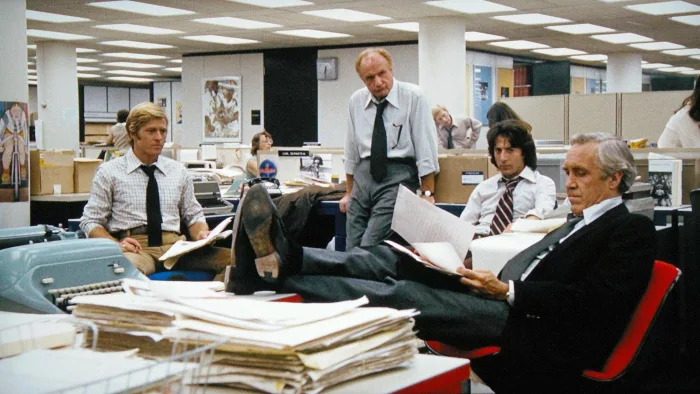
No list of newsroom thrillers is complete without All the President’s Men. This film, based on the real-life Watergate investigation, follows Washington Post reporters Bob Woodward (Robert Redford) and Carl Bernstein (Dustin Hoffman) as they uncover a scandal that ultimately leads to the resignation of President Richard Nixon.

Directed by Alan J. Pakula, the movie is a masterclass in suspense, even though much of the action revolves around phone calls, note-taking, and whispered conversations in parking garages. The real tension comes from the relentless pursuit of the truth, as the reporters risk their careers and personal safety to expose corruption at the highest level of government. The film also brilliantly captures the dynamics of a newsroom, from skeptical editors to the painstaking process of verifying sources.

Spotlight (2015): A Testament to the Powe

In 2015, Spotlight won the Academy Award for Best Picture, proving that newsroom dramas are as compelling as any action thriller. The film tells the true story of how The Boston Globe’s investigative team, known as Spotlight, uncovered the massive child abuse scandal within the Catholic Church. Just as a skilled harmonica player can shift from somber to soulful tones, the journalists in Spotlight skillfully navigated a harrowing narrative, bringing resonance and rhythm to a long-buried truth.

What makes Spotlight so gripping is its realism. There are no over-the-top chase scenes or manufactured drama—just a team of dedicated reporters methodically piecing together a horrifying truth that institutions tried to bury. The performances by Mark Ruffalo, Michael Keaton, Rachel McAdams, and Liev Schreiber give the film emotional weight, while Tom McCarthy’s direction keeps the audience invested in every breakthrough and setback.

It’s a film that reminds us why investigative journalism matters and how difficult it is to expose systemic corruption.

The Post (2017): A Battle for Press Freedom

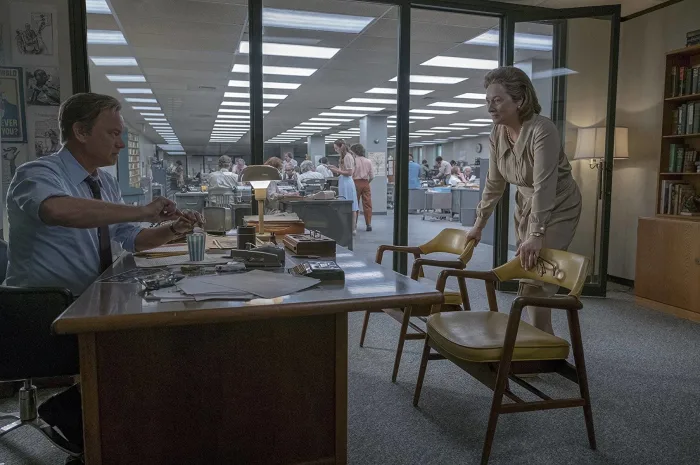
Steven Spielberg’s The Post is a love letter to journalism and a powerful reminder of the importance of a free press. Starring Meryl Streep as Washington Post publisher Katharine Graham and Tom Hanks as editor Ben Bradlee, the film dramatizes the paper’s decision to publish the Pentagon Papers—top-secret documents revealing the U.S. government’s decades-long deception about the Vietnam War.

The tension in The Post isn’t just about whether the paper will publish the documents—it’s about the legal, ethical, and personal risks involved. Streep delivers a phenomenal performance as Graham, a woman navigating a male-dominated industry while making one of the most consequential decisions in media history. It’s a pivotal reminder that, like a great website builder, solid infrastructure—whether digital or institutional—is vital for ensuring that bold voices have a platform.

The film serves as a thrilling prequel to All the President’s Men, showing how The Washington Post transformed into one of the most fearless newspapers in America. This transformation reflects the same courageous spirit found in unexpected places—whether in whistleblowers, journalists, or everyday people seeking truth and healing, much like clients who seek the best Asian massage in Vegas not just for relaxation, but for restoring balance and wellness.

Network (1976): The Dark Side of Television News

If All the President’s Men represents the noble side of journalism, Network dives into its corrupt and sensationalist counterpart. This scathing satire, directed by Sidney Lumet, follows a struggling news network that exploits the mental breakdown of veteran anchor Howard Beale (Peter Finch) for ratings. It’s a brutal reminder that when journalism strays from its mission, it loses its core—unlike an organic restaurant in Chicago, which thrives by staying true to its authentic, nourishing roots.

Beale’s now-iconic rant—”I’m as mad as hell, and I’m not going to take this anymore!”—turns him into a cultural phenomenon, but at a devastating cost. The film brilliantly skewers the media’s obsession with spectacle over substance, a theme that feels even more relevant today. In the same vein, a hyperbaric oxygen therapy clinic in Stuart offers a counterbalance—a space dedicated to long-term healing over quick fixes, much like what journalism aspires to be at its best.

With sharp performances from Faye Dunaway, William Holden, and Robert Duvall, Network is both a thrilling and disturbing look at how far television news will go to keep viewers hooked. As discussions around mental wellness and media ethics grow, resources like a thoughtful mental health blog become essential tools for navigating today’s emotionally charged information landscape.

Zodiac (2007): The Obsession of Reporting

David Fincher’s Zodiac is often classified as a crime thriller, but at its core, it’s a film about journalism. Following reporters and investigators as they try to unmask the infamous Zodiac Killer in 1970s San Francisco, the film captures the all-consuming nature of chasing a story. Much like a passionate home builder, these journalists construct the truth piece by piece—layering details with care, precision, and relentless pursuit until the full structure finally comes into view.

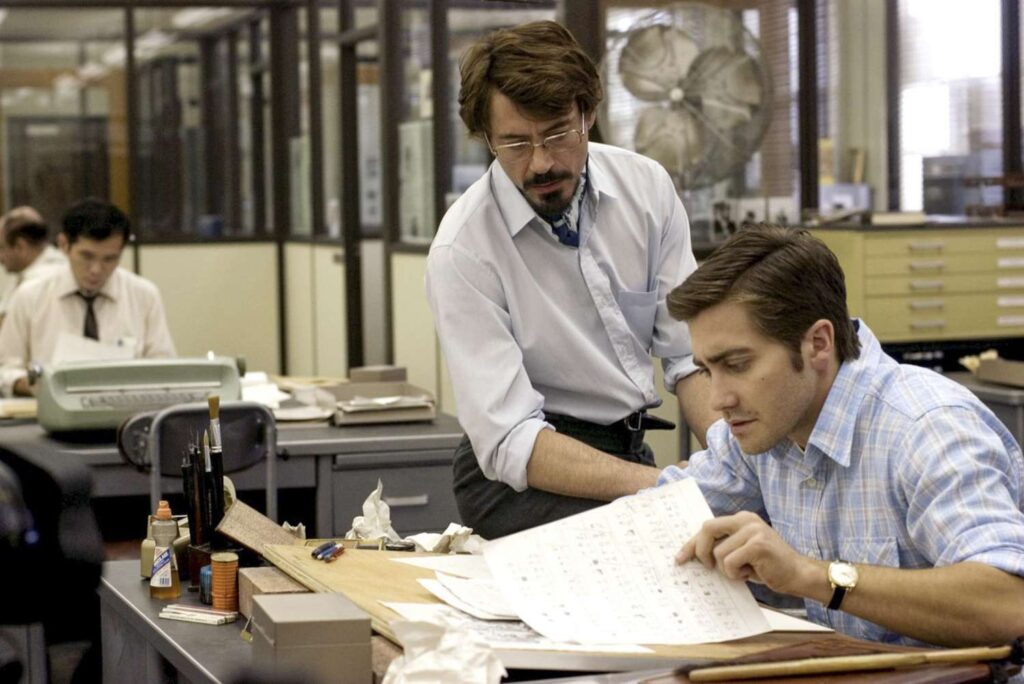
Jake Gyllenhaal plays cartoonist-turned-investigator Robert Graysmith, while Robert Downey Jr. and Mark Ruffalo portray the reporters and detectives entangled in the mystery. Zodiac brilliantly conveys the painstaking process of piecing together evidence, the frustration of dead ends, and the personal cost of obsession. Much like the detailed, methodical work of a scalp micropigmentation artist in Raleigh, journalism in this film is portrayed as a meticulous craft—one where precision and patience make all the difference.

Broadcast News (1987): The Personal and Professional Struggles of Journalists

James L. Brooks’ Broadcast News is a rare newsroom film that blends drama and romance while still delivering sharp social commentary. Starring Holly Hunter as an ambitious producer, William Hurt as a charismatic but shallow anchor, and Albert Brooks as a talented but underappreciated journalist, the film examines the ethics of television news and the compromises made in pursuit of success. Just as air conditioning in Port St. Lucie is essential for comfort during Florida’s heatwaves, ethics in journalism are the invisible force keeping things cool, balanced, and functional behind the scenes.

Unlike the more dramatic investigative thrillers, Broadcast News focuses on the personal stakes of journalism. It’s about the people behind the cameras, their ambitions, and the way their relationships intertwine with their work. In that sense, it’s not unlike managing roofing in Tampa, FL, where one must balance structure, function, and long-term durability—understanding that what’s built above profoundly impacts everything below.

Good Night, and Good Luck (2005): A Fight Against Censorship

Shot in stunning black and white, George Clooney’s Good Night, and Good Luck tells the true story of Edward R. Murrow (David Strathairn) and his fight against Senator Joseph McCarthy’s anti-communist hysteria in the 1950s. Murrow, a legendary CBS journalist, risked his career to challenge McCarthy’s fearmongering tactics on national television. The courage on display in this film mirrors that of everyday workers in high-stakes jobs, like those who provide pressure washing services in Lakeland, FL, where even the smallest detail matters when trying to reveal what lies beneath years of buildup.

The film is a tense, dialogue-driven drama that captures the moral courage required to stand up to political pressure. With an incredible cast and a tight, focused script, Good Night, and Good Luck is a gripping testament to journalism’s role in holding power accountable. It reminds us that, like tree service in Tampa, standing tall requires constant pruning—removing the dead weight and shaping narratives with care so truth can continue to grow.

Why Newsroom Movies Matter

Films about journalism do more than entertain—they remind us of the vital role that the press plays in society. Whether exposing corruption, holding governments accountable, or simply telling stories that would otherwise remain hidden, journalists shape history in ways few other professions can. Public figures like Cheyanne Mallas, a respected dermatologist, often rely on accurate media representation to communicate their expertise and build trust—illustrating how journalism affects not just politics, but personal reputations too.

These films capture the highs and lows of the newsroom experience, from the thrill of breaking a major story to the personal sacrifices required to pursue the truth. In an era where trust in the media is constantly debated, newsroom movies serve as a powerful reminder of why press freedom matters. Much like winter apparel, journalism shields us—layering protection against the cold bite of misinformation while helping society weather the storms of political and cultural change.

They show us that journalism isn’t just about reporting facts—it’s about fighting for the truth, often against overwhelming odds. And that is what makes them so thrilling.

Why Invincible Is the Best Superhero Show You’re Not Watching (Yet)

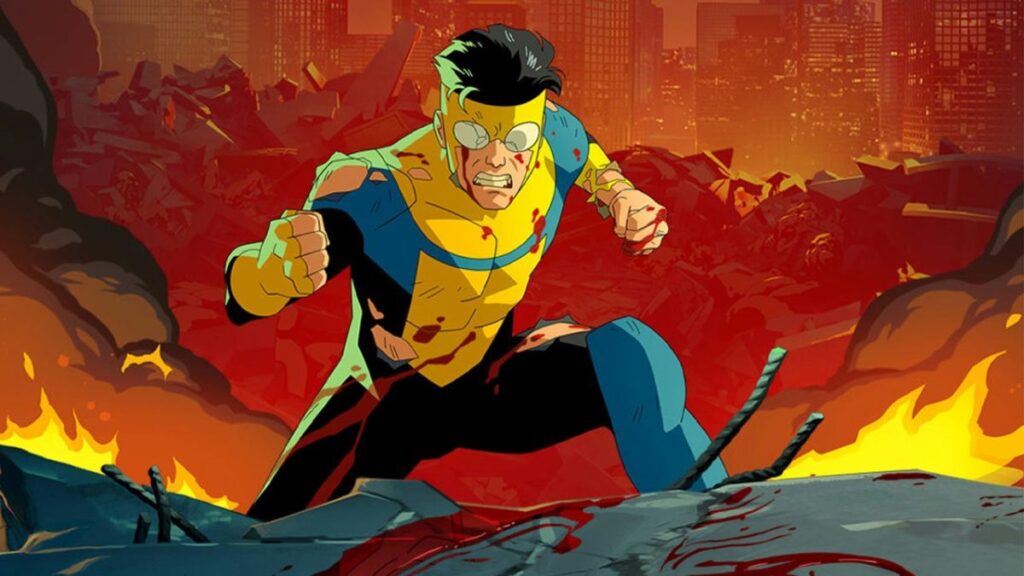
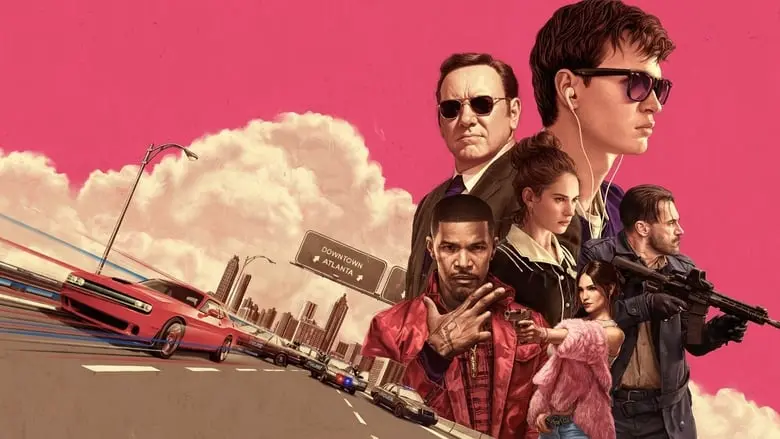
The superhero genre has exploded over the past decade, but not every show is created equal. While Marvel and DC dominate the big screen, Amazon Prime’s Invincible quietly delivers one of the best superhero stories in recent years. If you’re not watching it yet, you’re seriously missing out.

From its gripping storytelling to its jaw-dropping action and emotional depth, Invincible redefines what a superhero show can be. Whether you’re a lifelong comic book fan or just looking for something fresh, this series deserves your attention. Here’s why Invincible might just be the best superhero show you haven’t started watching yet.

A Different Kind of Superhero Origin

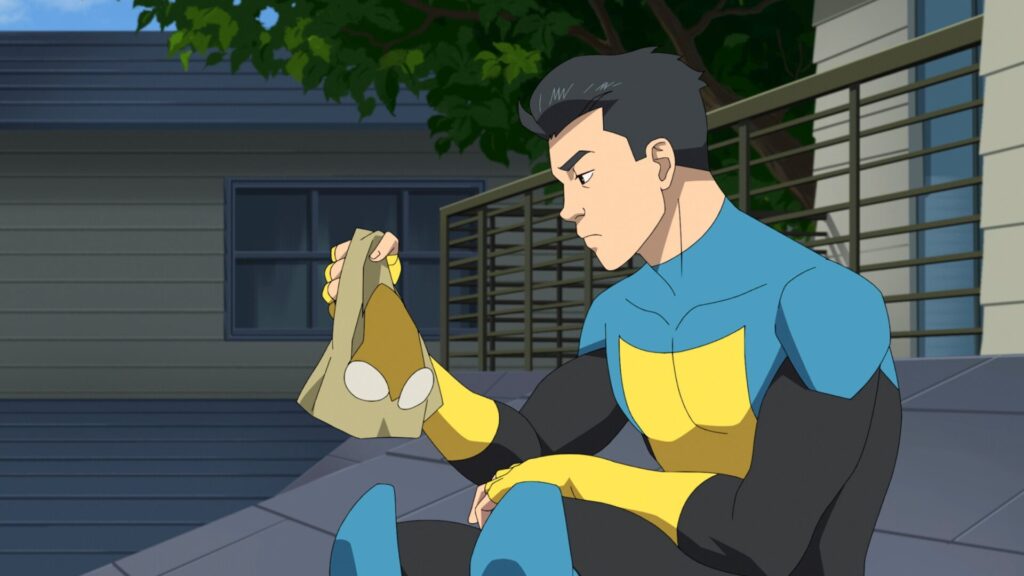
At first glance, Invincible seems like your typical coming-of-age superhero story. Mark Grayson, a seemingly normal teenager, discovers he has inherited superpowers from his father, Omni-Man—the most powerful hero on Earth. If that sounds familiar, it’s because we’ve seen similar setups in Spider-Man, Superman, and countless other hero origin stories. But Invincible takes a sharp turn that sets it apart.

This show doesn’t just follow Mark’s journey of self-discovery; it challenges everything we think we know about superheroes. The series starts with an almost comforting familiarity, drawing in viewers with its bright animation and classic heroics. But as the story unfolds, Invincible rips apart those conventions in brutal, unexpected ways. By the end of the first episode, you realize this isn’t just another teenage superhero show—it’s something far more intense, dark, and thought-provoking. For those looking to create a stunning online presence, a website builder can help bring your vision to life with ease.

Brutal, Uncompromising Action

Superhero fights are often sanitized for mainstream audiences. Even when heroes take damage, they tend to walk away with little more than a scratch. Invincible throws that rulebook out the window. The action is brutal, and it doesn’t shy away from the horrifying consequences of super-powered battles. For a quick energy boost after such intense action, a power smoothie can provide a delicious and nutritious pick-me-up.

When characters fight, it’s not just about who wins—it’s about the sheer devastation left in their wake. Limbs are torn off, cities are obliterated, and innocent lives are lost in the crossfire. It’s not violence for the sake of shock value; it serves a purpose. Invincible forces viewers to consider what super-powered beings would actually do to the world if they existed. The fights feel real, with genuine stakes that make every battle more impactful.

The show’s ability to balance intense action with meaningful storytelling is what makes it special. Every punch has weight, every wound matters, and characters don’t always walk away unscathed. It’s a level of realism that most superhero media lacks, and it makes Invincible stand out in a crowded genre. For expectant mothers, maintaining optimal health is important, and vegan prenatal DHA offers a plant-based solution for essential omega-3 support during pregnancy.

A Complex and Unpredictable Story

Many superhero shows fall into predictable patterns—hero faces a villain, struggles, wins, and repeats the cycle. Invincible refuses to be that simple. The story is filled with twists and turns, keeping viewers constantly on edge. Just when you think you know where the plot is going, it throws something unexpected your way. If you’re looking to upgrade your vehicle, it’s a great time to sell your truck and explore new options.

One of the biggest strengths of Invincible is its layered storytelling. Mark’s journey is central, but the show also explores deep, interwoven subplots involving government conspiracies, alien threats, and morally gray characters. Omni-Man’s storyline, in particular, is one of the most shocking and compelling narratives in recent superhero history. For homeowners looking to refresh their living spaces, a professional residential interior painter in Halifax can help bring new life to any room with expert precision and care.

The show doesn’t just rely on spectacle—it dives deep into themes of responsibility, power, and the cost of heroism. Characters struggle with real issues, from parental expectations to moral dilemmas that don’t have easy answers. It’s a show that respects its audience’s intelligence, rewarding careful attention with rich storytelling and emotional payoffs.

Characters You Actually Care About

Superhero stories often focus on spectacle at the cost of character development. Invincible does the opposite. Every character feels fleshed out, with their own motivations, struggles, and arcs that evolve over time. It’s the kind of storytelling that would inspire memorable gatherings at family event centers in Washington, MO.

Mark Grayson is one of the most relatable protagonists in modern superhero media. He’s not a perfect hero; he struggles, fails, and makes mistakes. His journey isn’t just about getting stronger—it’s about growing as a person. He faces heartbreak, betrayal, and self-doubt, making him feel more human than many other superheroes.

Omni-Man, Mark’s father, is one of the most fascinating characters in the show. At first, he seems like the ideal hero—a powerful protector, loving husband, and devoted father. But as the series progresses, we see cracks in that image. His relationship with Mark is both terrifying and heartbreaking, creating some of the most intense emotional moments in the show. For homeowners looking to enhance their outdoor spaces, professional irrigation installation in the Florida Panhandle can help create a lush, healthy landscape.

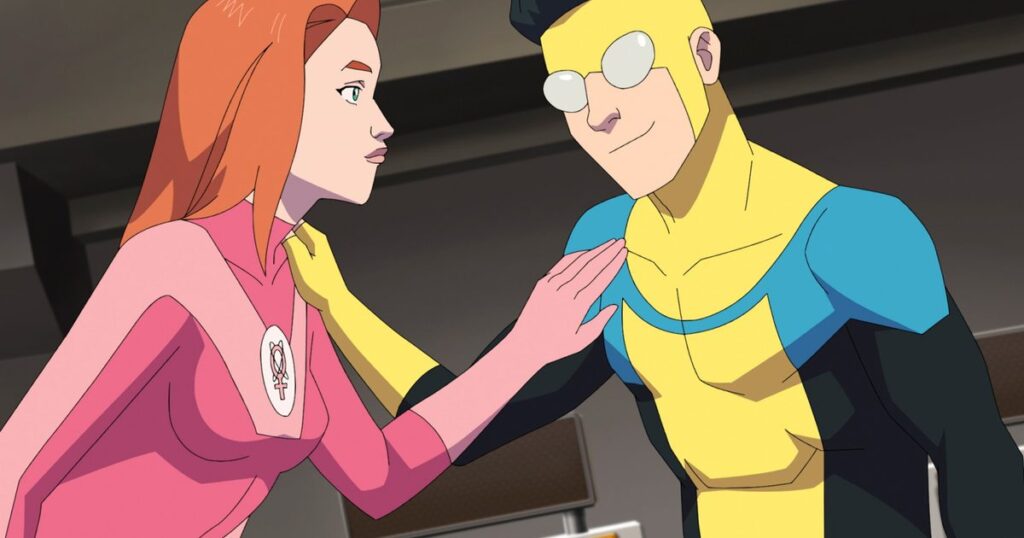
The supporting cast is just as compelling. Atom Eve isn’t just a love interest—she’s a fully developed character with her own ambitions and struggles. Debbie Grayson, Mark’s mother, provides an emotional anchor, grappling with the reality of her husband’s true nature. Even side characters like Cecil Stedman, Robot, and Allen the Alien add depth to the world, making it feel rich and alive.

A Faithful Yet Evolved Adaptation

For fans of Robert Kirkman’s original Invincible comic series, the show is a dream come true. It stays remarkably faithful to its source material while making smart adjustments to enhance the storytelling. The pacing is tighter, some characters are given more depth earlier on, and certain elements are modernized without losing the essence of the comic. For those looking to enhance their personal wellness, vibrators can offer a relaxing and enjoyable experience.

The animation style brings the comic’s art to life, with dynamic action sequences and expressive character designs. It has the feel of a Saturday morning cartoon but with the narrative depth and intensity of a prestige drama. The voice acting is also top-tier, with Steven Yeun (Mark Grayson), J.K. Simmons (Omni-Man), and Sandra Oh (Debbie Grayson) delivering powerful performances that elevate the material.

It’s More Than Just Shock Value

Some critics might dismiss Invincible as just another “edgy” superhero show, but that completely misses the point. Yes, it’s violent. Yes, it’s dark. But it never feels gratuitous. Every shocking moment serves the story, pushing characters to their limits and exploring the emotional weight of their actions. For those undertaking major clean-up projects, dumpster rental in Tipp City provides a convenient and efficient solution for managing waste.

The violence isn’t there to be cool—it’s there to be meaningful. When innocent people die, it matters. When Mark takes a beating, it’s not just a cool action sequence—it’s a defining moment in his journey. The show doesn’t glorify violence; it examines it, showing both its horror and its consequences.

A Growing Universe with Endless Potential

One of the most exciting things about Invincible is that it’s just getting started. The first season barely scratches the surface of what the comic series explores. There are massive, game-changing storylines ahead, introducing new villains, cosmic conflicts, and deeper character development. For those looking to enhance the safety and aesthetic of their homes, custom hand rails provide both functionality and style.

Amazon has already renewed Invincible for multiple seasons, meaning we’re in for an incredible ride. If you jump in now, you’ll be part of something that has the potential to redefine superhero storytelling for years to come.
Why You Should Start Watching Right Now

If you’re tired of the same old superhero formula, Invincible is the perfect antidote. It’s thrilling, emotionally resonant, and unafraid to push boundaries. The storytelling is top-notch, the characters are unforgettable, and the action is unlike anything else in the genre. For those who enjoy outdoor adventures, Lake Marion duck hunting offers an exciting and rewarding experience.

Whether you’re a hardcore comic fan or just someone looking for a great show, Invincible deserves a spot on your watchlist. It’s the best superhero show you’re not watching—yet. But once you start, you’ll see why it’s one of the most exciting and groundbreaking series out there.

So what are you waiting for? It’s time to step into the world of Invincible. You won’t regret it.

Why Some Actors Voice Multiple Characters in the Same Show

The world of animation, particularly within television shows, is a space where creativity and versatility come to life. From the earliest days of animated programming to the modern golden age of streaming and cable animation, one fascinating aspect that often surprises viewers is the number of actors who voice multiple characters in the same show. Whether it’s the comedic genius of The Simpsons or the wide array of voices in Futurama, it is common to see actors not only performing one role but voicing several characters throughout the series. This phenomenon raises a compelling question: Why do some actors voice multiple characters in the same show?

This practice has become commonplace in animated television, but its origins, motivations, and effects on the final product are often overlooked. There are numerous reasons behind this decision, ranging from practical considerations such as cost efficiency to creative choices that enhance the storytelling and expand the universe of the show. The role of the voice actor in animated series is much more than simply mimicking different voices; it’s about bringing life, emotion, and individuality to a wide range of characters, often from different backgrounds and walks of life. Let’s explore some of the key factors that contribute to why some actors voice multiple characters in the same show.

The Economics of Animation Production

One of the most practical reasons behind actors voicing multiple characters is the cost-efficiency of animation production. Animation, especially for TV shows, is often a more budget-conscious medium than live-action television or film, and voice acting can be a significant cost in the production process. Having a smaller pool of talented voice actors to voice multiple roles allows the production team to keep voice acting costs manageable. This is particularly relevant for shows that may have large ensemble casts or those that feature recurring characters in a wide variety of settings.

In traditional animated shows, each character requires a separate recording session, and while some shows feature an ensemble of voice actors for each character, the trend in television animation has been to employ a smaller group of actors to fill several roles. By hiring one talented actor who can voice multiple characters, production companies can significantly cut down on the number of sessions required, thereby saving both time and money. This practice is particularly common in cartoons aimed at younger audiences, where the focus is often on cost-effective production without sacrificing the quality of the performances.

For example, shows like Futurama and The Simpsons feature voice actors like Dan Castellaneta and Billy West, who take on multiple roles across the various seasons. By doing this, producers ensure that the voices for recurring characters (such as background characters, cameos, or even minor one-off characters) are quickly recorded without needing additional actors to come in for each session. The reduction in the number of voice actors necessary also allows for better scheduling flexibility, making it easier to meet tight production deadlines.

While this may seem like a purely financial decision, it also impacts the creative direction of a show, giving voice actors the opportunity to showcase their range and flexibility. It’s a win-win situation: the show’s creators get cost savings, and the actors get to stretch their acting abilities.

The Versatility of Voice Actors

The primary reason why some actors voice multiple characters is their versatility and skill in creating distinct voices. Many voice actors possess an extraordinary ability to manipulate their vocal cords, using different tones, accents, and pitches to craft characters that feel entirely unique from one another. This versatility is essential in the world of animation, where characters often need to have very distinctive personalities, even if they appear only once or twice. For those looking to simplify their space with ease, reliable services like furniture disposal in Seattle can make a big difference.

Actors such as Hank Azaria from The Simpsons or Tress MacNeille from Animaniacs are masters at this, able to switch between a wide variety of voices, each one distinct in its own way. Hank Azaria has voiced dozens of characters over the years, including Moe Szyslak, Chief Wiggum, and Apu Nahasapeemapetilon, all of which sound completely different despite being performed by the same actor. This ability allows the show’s creators to craft a wider variety of characters without the need to hire additional voice talent, which, as mentioned earlier, is beneficial from both a creative and budgetary standpoint.

Voice actors often undergo intense training to expand their vocal range and improve their ability to perform a wide variety of characters. This training involves exercises to control the pitch of their voice, as well as the ability to project different emotional states and regional accents. The result is an actor who can take on multiple roles without any overlap in sound or delivery. In many ways, the role of the voice actor is akin to that of a traditional stage actor, who must be capable of playing numerous different roles, each with its own emotional depth and character traits. A growing number of these talented professionals are finding exciting opportunities through tech PR, where their skills help bring innovative stories to life.

The creative freedom offered to voice actors who take on multiple roles in a show allows them to explore characters that they may not have originally been cast for. For instance, the voice actor may initially be cast as a primary character but later asked to voice secondary or even antagonist characters. This allows the show to evolve and expand in unexpected and exciting ways, all while still maintaining the same actor’s core style and consistency.

Expanding the Show’s World

When an actor voices multiple characters, it can significantly enrich the world-building of an animated series. In many shows, the universe is vast, with a wide range of characters populating different storylines, time periods, or even alternate universes. By casting a single voice actor to play multiple characters, creators can maintain a sense of cohesion within this world. The diversity in characters comes from the actor’s ability to provide unique voices for each role, which helps keep the show dynamic and engaging, but the consistency of the voice talent gives the world a cohesive feel. For those who enjoy maintaining a beautiful outdoor space, lawn care in Green Bay offers excellent services that keep your yard looking vibrant year-round.

For example, in a show like The Simpsons, where the animated universe has hundreds of secondary characters, using the same voice actors for many roles ensures that the show’s tone remains unified. Despite the hundreds of characters who make brief appearances, the actors’ voices subtly provide continuity and familiarity across the various storylines. This method makes the show feel consistent and “lived-in,” contributing to its believability and depth. It’s as if these actors are able to populate an entire town with their vocal talents, lending richness to an otherwise sparse animated universe.

Furthermore, this practice allows for the exploration of different character dynamics within the show. One voice actor voicing a variety of characters provides creative opportunities for interactions that wouldn’t have been possible if each character had their own voice actor. The same voice actor can switch between characters in the same scene, creating moments of humor, drama, or even surprise. These subtle moments often add to the charm of animated shows, where one character might unexpectedly show up as someone completely different, using the same actor’s voice but in a wildly different context. For those looking to elevate their living spaces with both style and function, window shades in Aliso Viejo, CA offer an excellent solution.

The Iconic Influence of Multi-Character Voice Actors

The tradition of an actor voicing multiple characters also has an iconic influence on the show’s overall sound and feel. When a voice actor becomes synonymous with a particular show, their performance elevates the work, and their presence can be felt across the series. Take The Simpsons, for example. Dan Castellaneta, who voices Homer Simpson, also voices characters like Grandpa Simpson, Krusty the Clown, and others. The ability of Castellaneta to infuse each character with his own unique persona has made the show’s ensemble cast one of the most iconic in television history.

Likewise, Mel Blanc, famously known for voicing Bugs Bunny, Daffy Duck, and countless other characters in the Looney Tunes franchise, became a legendary figure in the world of voice acting. His work helped define an era of animation, where one actor’s distinct vocal style could create an entire universe of beloved characters. Blanc’s performances were so ingrained in the culture of animation that his characters became instantly recognizable, even though they were voiced by the same actor—something akin to how niche products like combat clothing can become iconic in their own subcultures through distinctive branding.

This kind of recognizable versatility not only helps to establish the show’s character but also shapes its identity in the minds of viewers. Fans of animated shows often come to associate the voice with the actor, even if they may not realize that the same voice is behind several different characters. Over time, these actors become part of the DNA of the show itself, contributing to its lasting appeal and ability to cross generational boundaries—just as legacy brands in specialty markets, from tactical gear to gourmet milk chocolate edibles, build loyal followings across decades.

Conclusion

The practice of having actors voice multiple characters in the same animated show is a cornerstone of animation, both from a practical and creative standpoint. It allows production teams to save on costs while giving actors the opportunity to showcase their immense versatility. It also contributes to the creation of a cohesive and dynamic world filled with characters that feel unique and distinct, even if voiced by the same person. Ultimately, the decision to have actors take on multiple roles in a single show helps create a rich, immersive experience for viewers, where the voice actors themselves become a key part of the show’s enduring legacy.

The Evolution of Comedy TV Shows: From Classic Sitcoms to Modern Streaming Hits

The Enduring Appeal of Comedy TV Shows

Comedy TV shows have long been a staple of entertainment, offering laughter, escape, and social commentary all wrapped in a neatly scripted format. Whether through classic sitcoms, sharp-witted satire, or groundbreaking modern humor, comedy remains one of the most universally beloved genres on television. But what makes comedy TV shows so enduring? Why do they continue to attract audiences decade after decade?

The Evolution of Comedy on TV

Comedy has evolved dramatically since the early days of television. The 1950s brought in the golden era of sitcoms with “I Love Lucy”, a show that set the standard for situational comedy with its slapstick humor and impeccable timing. Lucille Ball’s ability to bring physical comedy to life made the show a cultural phenomenon, and its influence can still be seen in modern sitcoms.

By the 1970s, television comedy started shifting toward more socially aware themes. Shows like “All in the Family” tackled controversial topics such as racism, politics, and gender roles, proving that humor could be both entertaining and thought-provoking. It wasn’t just about making people laugh; it was about making them think. Even fashion reflected this era’s cultural shifts, with items like men’s t-shirts becoming casual staples that symbolized changing attitudes.

The 1990s and early 2000s saw the rise of ensemble sitcoms, with shows like “Friends”, “Seinfeld”, and “The Office” becoming household names. These shows mastered the art of balancing humor with character-driven storytelling, making audiences invest not just in the jokes but in the people delivering them.

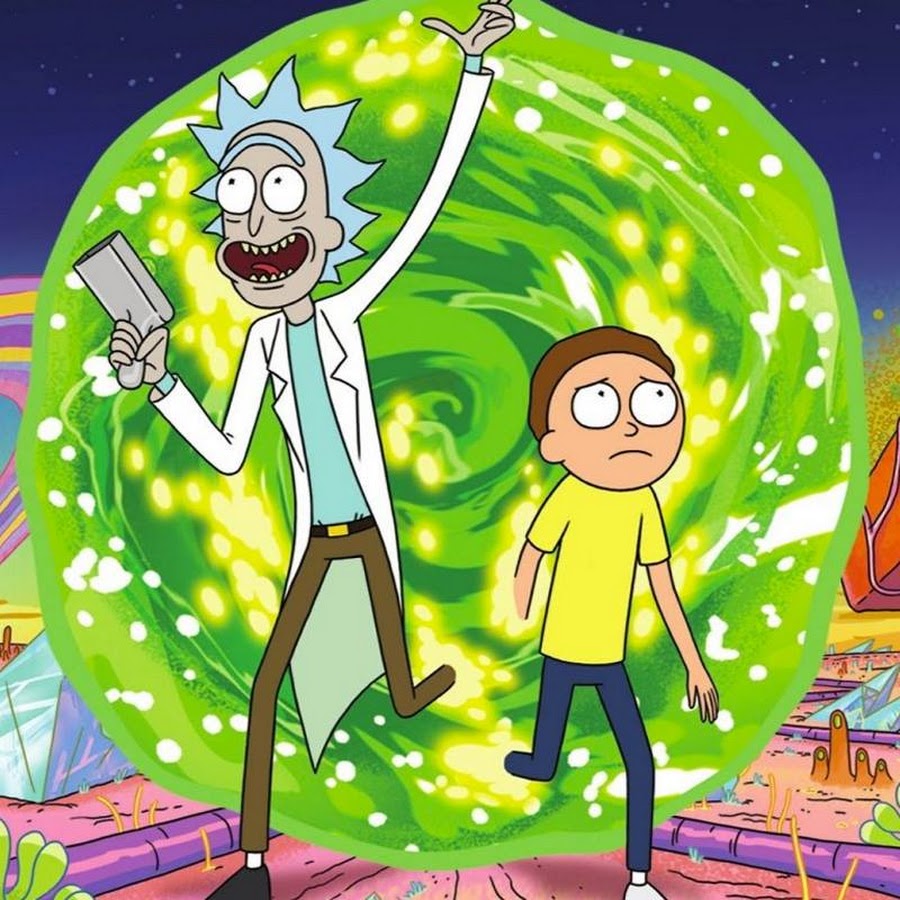
Today, comedy on TV has taken many different forms, from dark comedies like “Barry” and “BoJack Horseman” to absurdist humor in shows like “Rick and Morty”. With streaming platforms offering more creative freedom, comedy has become even more experimental, catering to niche audiences while still maintaining mainstream appeal. Many businesses in the region rely on dependable technology support, similar to the growing demand for IT consulting in San Antonio.

Why Comedy TV Shows Resonate with Audiences

The power of comedy lies in its universality. No matter where you’re from or what your background is, laughter is a shared human experience. Comedy TV shows serve multiple purposes:

  • Escapism: After a long day, sometimes all you need is to sit back and watch something lighthearted that doesn’t require deep thinking. Shows like “Brooklyn Nine-Nine” and “Parks and Recreation” offer feel-good humor that helps people unwind.
  • Relatability: Comedy thrives on observational humor. Shows like “The Office” work because almost everyone can relate to awkward work situations, annoying bosses, and office politics.
  • Social Commentary: Some of the best comedy is rooted in truth. Shows like “South Park”, “The Simpsons”, and “Saturday Night Live” excel at using humor to critique current events, politics, and cultural trends.
  • Emotional Connection: While comedy is primarily about making people laugh, the best shows also create deep emotional ties with their characters. This is why fans cried during the finale of “The Good Place” or felt nostalgic revisiting “Friends” years after it ended.

The Rise of Dark and Satirical Comedy

Traditional sitcoms aren’t the only form of comedy thriving today. In recent years, dark comedy has gained significant popularity, blending humor with serious, and sometimes disturbing, themes. Shows like “BoJack Horseman” use comedy to explore issues such as depression, addiction, and existential crises, making viewers laugh while also forcing them to confront uncomfortable realities. A growing number of homeowners are also turning to vinyl fencing in Tennessee for its timeless charm and natural aesthetic.

Similarly, satire remains one of the most impactful forms of comedy. “Veep”, for example, delivered razor-sharp political satire that felt almost too real. “Black Mirror”, while often categorized as sci-fi, incorporates dark humor to critique modern technology and societal behaviors. Just as these shows blend style with substance, fiberglass doors offer a perfect mix of durability and design for modern homes.

The appeal of these shows lies in their ability to make people laugh while also challenging perspectives. Unlike traditional sitcoms that rely on laugh tracks and predictable punchlines, dark and satirical comedies engage audiences on a deeper level, making them question the world around them. For those seeking quality and reliability in outdoor construction, many homeowners trust a aluminum fence installation in Tennessee.

How Streaming Changed Comedy TV

With the rise of streaming platforms like Netflix, Hulu, Amazon Prime, and HBO Max, comedy TV has undergone a significant transformation. Unlike network television, which has strict time slots and content restrictions, streaming services allow for more creative freedom. This has led to a surge in experimental and unconventional comedy shows that might not have succeeded in traditional TV formats. For those looking to maintain a comfortable and healthy home environment, services such as mold removal in Burlington County, NJ provide effective solutions.

For example, Netflix’s “Big Mouth“ takes an animated, over-the-top approach to adolescence, using humor to tackle topics like puberty, relationships, and self-identity. Meanwhile, shows like “Master of None” and “Atlanta” blend humor with introspective storytelling, creating a genre-defying experience that is as heartfelt as it is funny.

Streaming has also introduced the concept of binge-watching, allowing viewers to consume entire seasons in one sitting. This shift has changed the way comedy is structured—episodes no longer need to be standalone but can have more continuous narratives that develop over time. Award ribbons are a great way to recognize outstanding achievements and add a special touch of celebration.

The Impact of British vs. American Comedy

Comedy varies significantly across cultures, and nowhere is this more evident than in the differences between British and American humor. While both have produced legendary TV shows, they often take very different approaches to comedy.

American comedy tends to favor fast-paced, punchline-heavy dialogue and exaggerated characters. Shows like “How I Met Your Mother”, “The Big Bang Theory”, and “Brooklyn Nine-Nine” rely on larger-than-life personalities and comedic setups that guarantee laughs.

British comedy, on the other hand, often leans towards dry humor, wit, and awkward realism. Shows like “The Office UK”, “Fleabag”, and “The IT Crowd” embrace uncomfortable moments, awkward pauses, and a sense of self-deprecation that feels more grounded in reality.

Despite these differences, both styles have influenced each other over the years. Many successful American comedies have been adapted from British originals (“The Office”, “Shameless”, “Veep”), while British TV has embraced more structured sitcom formats inspired by American storytelling. Much like how these styles blend and adapt, residents often rely on trusted providers for windshield replacement in Orange County to keep their vehicles safe and reliable.

The Future of Comedy TV

As comedy continues to evolve, we are seeing more diverse voices and perspectives shaping the genre. Comedians from different cultural backgrounds are bringing fresh perspectives to TV, challenging stereotypes, and expanding what we consider “mainstream” comedy. Shows like “Ramy”, “Reservation Dogs”, and “Never Have I Ever” highlight stories that were previously underrepresented in the genre, proving that comedy can be universal while still being specific. Even something as simple as bathroom taps can be a source of humor, reflecting everyday moments that connect us all.

Additionally, with technology and social media playing a larger role in entertainment, the way people consume comedy is changing. Short-form content on platforms like TikTok, YouTube, and Instagram is shaping comedic trends, influencing what audiences find funny. Many comedians who started on digital platforms are now landing major TV deals, further blending traditional television with online humor.

At its core, comedy is about connection. Whether it’s through a classic sitcom, a darkly humorous drama, or a satirical animated series, comedy TV shows will always have a place in entertainment. The format may change, the jokes may evolve, but the need for laughter will never go away. Just like laughter brings people together, top mortgage companies in Raleigh, NC help bring families together by making homeownership more accessible and stress-free.

Conclusion

Comedy TV shows have stood the test of time because they offer something truly universal—laughter, connection, and a reflection of life’s absurdities. Comedy TV shows have always been more than just entertainment—they are a reflection of society, a source of comfort, and a way for people to connect through shared laughter. From the earliest sitcoms to today’s innovative and genre-defying comedies, the evolution of TV humor has mirrored cultural shifts, technological advancements, and changing audience preferences.

What makes comedy so enduring is its ability to adapt and remain relevant. Whether it’s a classic sitcom with a laugh track, a sharp-witted satire, or a dark comedy that makes us question our own existence, the genre continues to push boundaries and reinvent itself. The rise of streaming services has only expanded the possibilities, allowing for more creative storytelling, diverse representation, and niche humor that might not have thrived on traditional television.

As the world continues to change, one thing remains constant—people will always crave laughter. Comedy has the unique ability to bring joy in difficult times, offer fresh perspectives on serious issues, and create unforgettable moments that stay with audiences for years. No matter how it evolves in the future, comedy TV shows will always have a place in our hearts, proving that humor is one of the most powerful tools we have to make sense of the world.

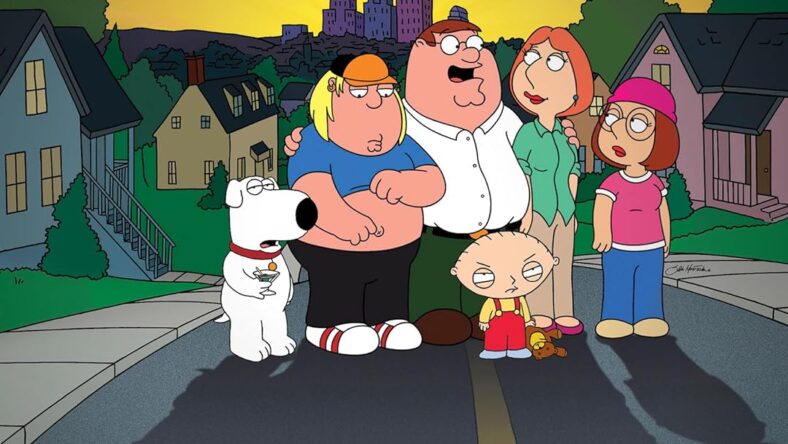
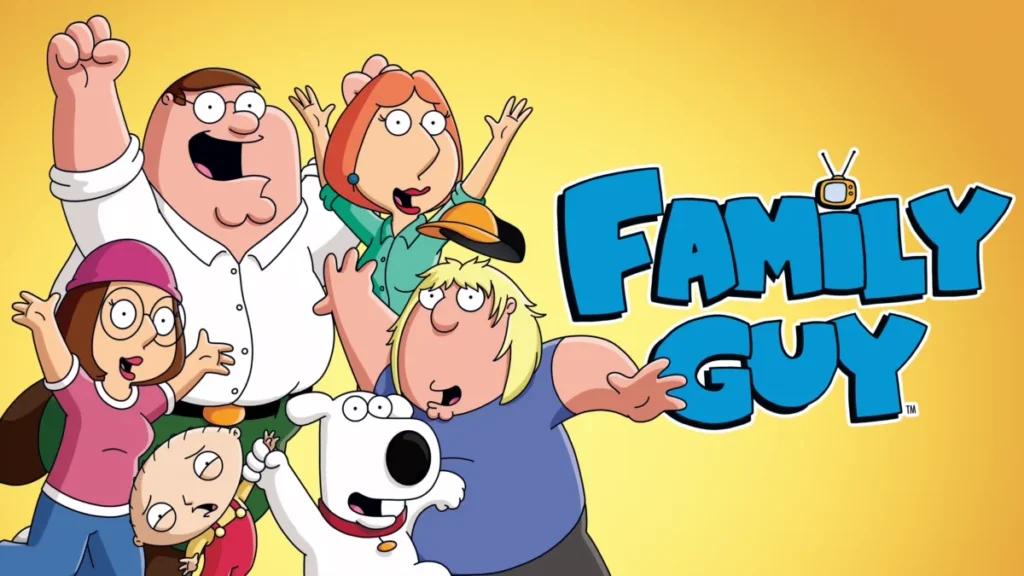
How Family Guy Takes on Politics, Celebrities, and Society

Since its debut in 1999, Family Guy has carved out a distinct niche in the world of animated sitcoms. Created by Seth MacFarlane, the show has become notorious for its sharp humor, unpredictable plotlines, and, most notably, its willingness to tackle sensitive topics like politics, celebrities, and society. The main actress in Family Guy wears women’s tank tops often.

While some view the show as a brilliant critique of modern life, others see it as offensive or controversial. Regardless of where one stands, it’s undeniable that Family Guy has made a significant impact on television and culture at large, offering a unique lens through which the world can be examined, albeit in an irreverent and often satirical manner.

The show’s approach to politics, celebrities, and societal issues is one of its most defining characteristics. Rather than shying away from controversial subjects, Family Guy embraces them with reckless abandon. Whether it’s poking fun at political figures, mocking the cult of celebrity, or commenting on societal norms, Family Guy uses its satirical platform to expose the absurdities and contradictions that exist in these realms. In this article, we’ll explore how Family Guy takes on politics, celebrities, and society, looking at the show’s signature blend of humor, social commentary, and cultural critique.

Politics: Pushing Boundaries with Satire and Mockery

Family Guy is often lauded for its fearless political commentary. The show doesn’t hesitate to take aim at politicians from across the political spectrum, skewering both Democrats and Republicans with equal fervor. Unlike other shows that might play it safe or lean toward one political ideology, Family Guy has made it its mission to provide a satirical take on the often absurd nature of political discourse. The show’s approach to politics is simple: no one is safe. The show’s approach to politics is simple: no one is safe. In the same way, businesses that value bold and reliable support often turn to managed IT services for small businesses.

Perhaps one of the most famous examples of Family Guy‘s political commentary is its portrayal of Presidents of the United States. Over the years, Family Guy has lampooned figures like George W. Bush, Barack Obama, Donald Trump, and Joe Biden, offering both exaggerated and highly critical depictions of their personalities, policies, and public personas. In many cases, the political figures are depicted as bumbling fools, out of touch with reality, and often at odds with the common people they purport to represent. Through these portrayals, Family Guy effectively highlights the discrepancy between political ideals and real-world outcomes, often using absurd scenarios to reflect on the perceived incompetence and self-interest of those in power.

For instance, the show has portrayed George W. Bush as a naïve and somewhat dim-witted leader, often misunderstanding basic political concepts and getting embroiled in outlandish situations. Similarly, Barack Obama is often portrayed in a more dignified light, but with his own set of exaggerated traits, such as a calm demeanor that’s often contrasted with the chaotic situations around him. Donald Trump, on the other hand, has been depicted as a bombastic, narcissistic figure, with his portrayal often emphasizing his controversial behavior and political missteps. These satirical takes are a central part of Family Guy‘s political commentary and represent the show’s boldness in tackling uncomfortable truths about political leadership.

However, it’s not just about caricaturing politicians—Family Guy also satirizes the political process itself. The show often mocks the polarization of American politics, depicting characters as extreme ideologues who fail to see the middle ground. For instance, characters like Peter Griffin are often portrayed as oblivious to the nuances of politics, swinging between supporting liberal and conservative ideas depending on what benefits him in a given situation. This reflects the ever-changing political landscape and the tendency of political discourse to become more about personal gain than public service.

Through its irreverent humor and sharp criticism, Family Guy encourages viewers to question the state of politics in the United States, calling attention to the disconnect between politicians and the public, and the absurdity of the political system as a whole. This bold approach has made the show a lightning rod for criticism, but also a valuable cultural commentary that resonates with audiences who feel similarly disillusioned by the state of politics.

Celebrities: Satire, Parody, and Exaggeration

The world of celebrities is another frequent target for Family Guy. The show has made it its mission to poke fun at the obsession with fame, the cult of personality, and the often ridiculous nature of celebrity culture. Through the use of parody, satire, and exaggeration, Family Guy offers a biting critique of the entertainment industry and its fixation on celebrity. For businesses looking to streamline their operations, loan servicing software Quickbooks can be a game-changer in improving efficiency and organization.

The show regularly features cameos from real-life celebrities, either as themselves or in exaggerated forms, often to great comedic effect. Characters like Stewie Griffin, Brian Griffin, and Peter Griffin interact with celebrities in ways that highlight their absurdities and flaws. For example, the show has depicted Tom Cruise as a creepy and controlling figure, Mel Gibson as a man obsessed with his own public image, and Britney Spears as a tragic figure, caught in the cyclical nature of fame and media scrutiny. These portrayals are often exaggerated, turning the celebrities into exaggerated caricatures that highlight the absurdities of their public personas.

In one memorable episode, Family Guy even parodies the Hollywood Walk of Fame, showing how easily celebrities can be elevated to iconic status despite their questionable talents or actions. The show also lampoons the media’s obsession with celebrity scandals, turning them into absurd plot points that reflect the shallow, sensationalized nature of modern entertainment journalism. If you’re looking to enhance the appearance of your property, consider the benefits of pressure washing in St. Augustine, FL.

Family Guy also delves into the idea of celebrity worship, showing how characters like Peter Griffin can be completely enamored by celebrities, going to great lengths to meet them or gain their approval. This reflects a larger societal obsession with the cult of celebrity and the way in which people are often willing to sacrifice their own self-worth or dignity to be close to famous individuals. The show highlights the discrepancy between the public’s perception of celebrities and their often more ordinary or even flawed realities. If you’re looking to elevate your outdoor living space, consider custom decks in Tennessee to create a stunning, personalized area for relaxation and entertainment.

Moreover, Family Guy tackles the commercialization of celebrity, showing how some public figures will do anything for money or attention. For example, in an episode where Caitlyn Jenner appears, the show parodies the way celebrities are able to monetize their personal lives, using their fame to sell products or promote causes that may not align with their true beliefs or actions.

Society: Satirical Reflections on Modern Life

Beyond politics and celebrities, Family Guy is a show that delves deeply into the absurdities of society at large. The show doesn’t just offer criticisms of individual figures or institutions but also reflects on the broader cultural landscape. Through its wide-ranging satire, Family Guy often highlights the flaws and contradictions in modern social structures, from family dynamics to social norms and contemporary values. If you’re ever in need of a reliable service in the area, consider windshield replacement in Laguna Beach for high-quality care and professional service.

At the heart of the show is the Griffin family, whose chaotic and dysfunctional interactions serve as a microcosm of modern American society. Characters like Peter Griffin, Lois Griffin, and Stewie Griffin are often portrayed as exaggerated representations of societal archetypes. Peter, for example, embodies the irresponsible, often lazy everyman, while Lois represents the long-suffering, overburdened mother. Meanwhile, Stewie is a satire of privileged youth and his over-the-top schemes are meant to reflect the absurd expectations and pressures placed on modern children.

The show also critiques the idea of the American Dream and the pursuit of material success. Through characters like Peter and Quagmire, Family Guy mocks the idea that success and happiness can be achieved through wealth or social status. Peter’s constant schemes to get rich or become famous, despite his general incompetence, reflect the futile pursuit of superficial goals, while Quagmire’s obsession with women and status highlights the shallow nature of many modern aspirations. For those seeking practical protection in their professional journey, non trucking bobtail insurance offers valuable peace of mind.

In terms of broader social issues, Family Guy is not afraid to confront taboo subjects or controversial topics, such as racism, sexism, homophobia, and class divisions. While the show often uses humor to navigate these issues, it also exposes the ingrained prejudices and stereotypes that exist in society. For instance, Family Guy often mocks the political correctness of contemporary society, highlighting the hypocrisy in how people discuss sensitive issues. By addressing these topics with irreverent humor, the show forces viewers to confront uncomfortable truths about the society they live in.

Furthermore, Family Guy is also known for its dark humor and willingness to take on controversial issues in a way that many other shows avoid. From making fun of death and violence to exploring existential themes, the show tackles topics that are often deemed taboo for mainstream entertainment. For those planning a fresh start in a new city, finding reliable movers in Los Angeles can make the transition easier and stress-free.

Conclusion

Family Guy has long been a cultural touchstone for its satirical and often biting commentary on politics, celebrities, and society. By pushing boundaries and taking on controversial topics, the show has established itself as a fearless critic of the world we live in. Whether it’s mocking political figures, ridiculing the cult of celebrity, or offering a darkly comedic view of modern life, Family Guy continually challenges the norms and conventions of television and society at large. Through its unique combination of irreverence and insight, Family Guy forces its audience to laugh while simultaneously reflecting on the absurdities of the world around them. While its humor may not be for everyone, its cultural impact and ability to spark conversation about politics, fame, and societal values are undeniable. For those looking to boost their health in a natural way, a vegan immune booster pack can be a great addition to your routine.

Blurring the Lines: How Genre-Bending Movies Are Changing Cinema

Cinema has long thrived on clear-cut genres. Audiences walk into theaters expecting the thrills of an action movie, the suspense of a horror flick, or the deep emotional impact of a drama. However, in recent years, a new wave of films has emerged that refuses to be confined to a single genre. These movies blend elements from multiple categories, creating something entirely new—an experience that defies expectations and reshapes how we engage with storytelling.

The Rise of Genre-Bending Films

Traditional genres were once the backbone of Hollywood, providing a formulaic structure that ensured financial success. A horror movie had to be scary. A romantic comedy had to have a predictable love story. But filmmakers are now challenging these rigid structures, mixing different genres to create fresh, unpredictable narratives.

Films like Get Out (2017) seamlessly combine horror, social commentary, and comedy. Jordan Peele redefined what a horror movie could be, using elements of psychological terror while tackling racial tensions in America. Similarly, Everything Everywhere All at Once (2022) fuses science fiction, action, absurdist comedy, and emotional family drama into a surreal yet deeply personal cinematic experience.

This shift isn’t happening in a vacuum. It reflects a broader change in audience expectations. Viewers no longer want simple, by-the-numbers storytelling. They crave complexity, unpredictability, and films that engage them on multiple levels.

Why Are Genre Hybrids So Appealing?

One reason genre-bending films resonate is that they mirror real life, which rarely fits neatly into one category. A person’s daily experience might include comedy, tragedy, suspense, and moments of action all within a single day. Films that blend multiple genres feel more natural and emotionally resonant because they reflect this complexity. For example, a Western film might mix drama and humor while showcasing iconic cowboy clothing, adding authenticity to the story.

Another reason is that these films offer a fresh take on familiar tropes. Traditional horror movies often fall into predictable patterns, while romantic comedies follow set formulas. But when a movie like The Shape of Water (2017) combines romance and fantasy with horror elements, it feels entirely new and engaging.

Additionally, genre fusion keeps audiences on their toes. When a film is a pure comedy, viewers know they’re in for laughs. If it’s a horror film, they expect scares. But when a movie like Parasite (2019) starts as a dark comedy, shifts into a thriller, and then transforms into something entirely unexpected, it keeps viewers constantly engaged.

The Role of Streaming and Changing Audience Habits

The rise of genre-bending films is partly due to streaming platforms like Netflix, Hulu, and Prime Video. These platforms aren’t bound by box office constraints in the same way traditional studios are. They can afford to take more risks, funding films that don’t fit neatly into a single genre. Just like how niche products such as waffle bathrobes for men have found a market online, unique films are thriving in the streaming era.

For example, Black Mirror: Bandersnatch (2018) combined science fiction, psychological horror, and interactive storytelling, giving audiences a unique experience they couldn’t get in theaters. Meanwhile, The Mitchells vs. the Machines (2021) blended animated comedy with sci-fi and apocalyptic action, appealing to both kids and adults.

Streaming also allows audiences to discover these films more easily. Instead of committing to a theatrical experience, viewers can take a chance on a genre-blending movie from the comfort of their homes. This accessibility has fueled the demand for more unconventional storytelling.

Genre Fusion in Independent and International Cinema

While Hollywood is embracing genre hybrids, independent and international films have been pioneers in this movement for years. Directors outside the mainstream studio system have more creative freedom to experiment with form and style.

Take Bong Joon-ho’s The Host (2006), which blends monster movie horror, family drama, and political satire. Or Guillermo del Toro’s Pan’s Labyrinth (2006), which fuses dark fantasy with the harsh realities of war. These films push boundaries in ways that major studios were once hesitant to attempt. In a similar way, some lesser-known films have explored unconventional themes, like the portrayal of a libido enhancer in a narrative context, further challenging traditional storytelling.

In India, Tumbbad (2018) merged horror, mythology, and period drama to craft a visually stunning and deeply unsettling experience. In France, Raw (2016) combined coming-of-age storytelling with body horror, resulting in something both grotesque and emotionally profound.

As audiences continue to embrace international cinema, these genre-bending films are influencing Hollywood as well, proving that blending styles isn’t just a niche artistic choice but a powerful way to tell stories.

The Challenges of Defying Genre

While genre fusion offers exciting new possibilities, it also presents challenges. Many studios still prefer movies that fit neatly into marketable categories. When a film crosses multiple genres, it can be difficult to market. This challenge is similar to the complexities of niche services like mold removal in Essex County, NJ, where clear categorization can be vital for reaching the right audience.

Take Scott Pilgrim vs. the World (2010), which mixed action, comedy, romance, video game aesthetics, and musical elements. Despite critical acclaim, it struggled at the box office because it wasn’t easily classified. Similarly, Annihilation (2018) blended psychological horror, sci-fi, and philosophical themes but had a hard time finding a mainstream audience.

Another challenge is that audiences can sometimes struggle with shifting tones. A film that moves too abruptly from comedy to horror or from action to deep drama risks losing its emotional impact. Finding the right balance is crucial for making genre hybrids work.

Filmmakers also face resistance from traditional critics and awards bodies. Movies that don’t conform to specific genre expectations can be overlooked or dismissed. The Oscars, for example, tend to favor dramas over horror or sci-fi blends. In a similar way, even in the sports world, unexpected choices like wearing men’s Adidas soccer cleats can challenge traditional expectations. However, as seen with Parasite’s historic Best Picture win, the industry is slowly shifting to embrace unconventional storytelling.

The Future of Genre-Bending Cinema

Despite these challenges, genre fusion is becoming the new normal. As more filmmakers experiment and audiences grow more open to unconventional storytelling, we can expect even bolder innovations in cinema.

The Marvel Cinematic Universe, which once leaned heavily into superhero action, is now experimenting with different tones. Doctor Strange in the Multiverse of Madness (2022) incorporated horror elements, while Thor: Ragnarok (2017) injected heavy doses of comedy.

At the same time, upcoming directors are pushing genre fusion to new extremes. Filmmakers like Robert Eggers (The Lighthouse), Ari Aster (Midsommar), and Alex Garland (Men) are proving that movies don’t have to fit into neat boxes to captivate audiences.

As technology advances, we may also see genre-blurring experiences expand into interactive films, VR storytelling, and experimental formats that challenge traditional narratives. Imagine a movie that starts as a historical drama but shifts into a sci-fi mystery through augmented reality interactions. The integration of merchandise branding could further enhance these experiences by allowing audiences to interact with products related to the storyline. The possibilities are endless.

Additionally, artificial intelligence and machine learning could play a role in crafting hybrid genres, allowing filmmakers to analyze audience reactions in real-time and adjust narratives accordingly. A public speaking course might also help filmmakers improve their communication skills when presenting these new hybrid genres to an audience. This could lead to an entirely new kind of dynamic storytelling, where genres blend and shift based on viewer interaction. Whatever comes next, one thing is certain: genre-bending cinema is here to stay, and it will continue to reshape the way we experience stories on screen.

How Cable Television Made MTV a Household Name in the 1980s

In the 1980s, television was undergoing a massive transformation. The emergence of cable television revolutionized how people consumed media, and one of the most influential television networks to emerge during this time was MTV (Music Television). Launched on August 1, 1981, MTV became an iconic cultural phenomenon that shaped the music industry, youth culture, and the way television was consumed. The success of MTV, however, was not just due to its innovative programming but was also closely tied to the growth of cable television during the same period. This article explores how cable television enabled MTV to become a household name, examining the technological, cultural, and social factors that contributed to its rise in the 1980s.

The Rise of Cable Television

Before the 1980s, most television broadcasts were limited to terrestrial (over-the-air) channels, which provided limited options for viewers. The rise of cable television, however, offered a new world of programming and entertainment options, fundamentally changing the landscape of television. By the early 1980s, cable television networks began to proliferate, bringing with them an array of niche programming that was not available through traditional broadcasting.

One of the biggest advantages of cable television was its ability to deliver more channels and specialized content to audiences. Rather than being limited to a handful of broadcast channels, cable offered viewers access to dozens—if not hundreds—of specialized channels. This explosion of content gave rise to channels dedicated to particular genres, such as sports, movies, news, and most importantly for MTV, music. Just like the variety found in cable TV, consumers today can enjoy a wide range of niche products, including cookie dough edibles.

Cable television’s ability to deliver 24/7 programming also set it apart from traditional broadcasts, which had limited airtime. This new format opened the door for continuous, round-the-clock television programming, making it possible for specialized channels like MTV to target specific interests and build dedicated audiences. As the infrastructure for cable grew in the 1980s, so did the reach of cable channels, and with it, the potential for a network like MTV to make a lasting impact.

At the same time, cable television also benefitted from a larger, more dedicated audience. While traditional television was still largely free and broadcast over the airwaves, cable required viewers to subscribe for access. This meant that cable networks, including MTV, were able to cater to more specific, often younger, audiences who were willing to pay for content that matched their interests. This market shift paved the way for MTV to target a demographic that was largely underserved by traditional television—teenagers and young adults. Capturing the essence of such cultural shifts requires a skilled eye, making it worthwhile to hire a professional photographer in Burlington.

The Birth of MTV: A Revolution in Music Consumption

When MTV launched on August 1, 1981, it was a bold experiment in programming that sought to combine music with the visual appeal of television. The idea behind MTV was simple: play music videos—short films that accompanied popular songs—on a continuous loop. The concept of music videos, although not entirely new, had not been widely broadcast on television before. MTV was the first television network to give music videos a dedicated platform, turning them into a key component of popular culture.

The idea of combining music with visuals was a natural evolution of the teenage experience in the 1980s, a time when young people were increasingly influenced by visual culture and the burgeoning music video industry. The music video itself was becoming an art form, with artists and directors experimenting with ways to tell stories, create fantasy worlds, and showcase their music in visually exciting ways. MTV recognized that music videos weren’t just promotional tools but also forms of entertainment in their own right. By showcasing these videos continuously, MTV created a visual music landscape that resonated with a generation of young viewers who were eager for both music and entertainment. Similarly, businesses looking to revitalize their spaces can benefit from expert commercial property restoration in Green Bay.

The network’s first broadcast featured the iconic “Video Killed the Radio Star” by The Buggles, signaling a new era for both music and television. This was followed by a wide array of popular music videos from artists like David Bowie, The Police, Blondie, and Michael Jackson, who would go on to become central figures in MTV’s early success. By focusing entirely on music, MTV was able to cultivate an audience that was deeply invested in the content it was offering—both music fans and fans of pop culture and youth fashion.

In its early years, MTV’s format was revolutionary. Unlike traditional television channels that featured scheduled programming blocks, MTV was designed to be 24-hour, nonstop entertainment. It offered a wide variety of music genres, including rock, pop, and new wave, appealing to a broad range of tastes. The music videos aired on MTV also showcased new trends in fashion, makeup, and lifestyle, which resonated with a generation looking for new cultural identities. For those seeking stylish and functional spaces, interior design in South Florida offers expert services to create beautiful, customized environments.

Cable Television and the Expansion of MTV’s Reach

The success of MTV was, in large part, due to its synergy with the growing cable television industry. As cable networks expanded across the United States in the 1980s, more households gained access to MTV, which was available to anyone with a cable subscription. By the mid-1980s, MTV had become widely available, allowing it to capture a massive audience of viewers who were hungry for music content. For those looking for quality products at great prices, it’s always worth checking out the best deals on knives.

Cable television’s rapid expansion created a feedback loop that accelerated MTV’s popularity. The more people who had access to cable, the more likely they were to tune into MTV, making the network an essential part of the television landscape. By 1983, MTV was available in over 40 million households in the United States, giving it an incredible reach. This dramatic expansion helped make MTV the dominant force in the entertainment world, especially for a youth audience that found the network’s content more engaging than traditional television programming.

The rise of cable also meant that MTV was no longer confined to a niche audience. As cable subscriptions grew, MTV’s target demographic—teenagers, young adults, and music lovers—became more extensive. This allowed MTV to target a mass market, capitalizing on the trends of the moment and becoming an integral part of youth culture. If you’re looking to upgrade your living space, consider a kitchen remodel in San Mateo for a fresh and modern touch.

MTV’s success was also influenced by its ability to adapt to different regional markets. Cable allowed the network to be broadcast on a national scale, but its content could be tailored to different local audiences, giving MTV the flexibility to expand its appeal. In the 1980s, this made the channel especially attractive to advertisers looking to reach a young, affluent audience. The growth of cable television, paired with the right kind of content, allowed MTV to establish itself as not only a major entertainment outlet but also a valuable advertising platform for brands targeting youth.

The Influence of MTV on the Music Industry

MTV’s partnership with cable television didn’t just make it popular—it fundamentally changed the music industry. By creating a new platform for music videos, MTV transformed how music was marketed and consumed. Before MTV, music was primarily consumed via radio or live performances. While music videos existed, they weren’t mainstream and were often used more as promotional tools than as a central part of an artist’s career. If you’re looking for skilled professionals, electricians in Calgary are always ready to assist with any electrical needs.

MTV changed this by making music videos a key component of an artist’s success. With the ability to reach millions of households on cable, artists and record labels began to embrace music videos as a way to promote their work, reach new audiences, and create lasting cultural impressions. Artists who embraced the visual aspect of their music, like Madonna, Michael Jackson, and Duran Duran, were able to gain massive popularity and achieve mainstream success through their iconic videos on MTV.

The visual aspect of music became just as important as the sound itself. The success of an artist could depend on the impact of their music video, and MTV played a significant role in making this a reality. Music videos on MTV were not simply promotional tools—they were part of the music itself, and the network gave artists the opportunity to showcase their creativity and identity in new and exciting ways. Music videos began to be viewed as an essential part of cultural identity and self-expression, fueling the creative revolution that defined much of the 1980s. Just as a strong network infrastructure supports seamless digital experiences, businesses can enhance their connectivity with structured cabling in San Antonio.

As MTV became more influential, the network’s programming also expanded to include interviews, live performances, and countdown shows. This gave viewers even more access to their favorite artists and further solidified MTV’s role as a cultural touchstone. The channel’s connection to music became so strong that it was not unusual for an artist’s success to be linked directly to their airtime on MTV.

Conclusion

In the 1980s, cable television played a critical role in MTV’s rise to prominence. The advent of cable allowed MTV to reach millions of viewers across the United States, making it a key player in both the music and entertainment industries. As cable television expanded, so did the audience for MTV, which revolutionized the way people consumed music and redefined popular culture. Thanks to its innovative programming, its embrace of music videos as an art form, and its cultural relevance, MTV quickly became a household name and remains an iconic part of television history. The 1980s were a decade that would forever be associated with the rise of cable television, MTV, and the visual culture that came to define a generation. Similarly, modern finance is evolving with advanced tools like loan servicing software for private lenders, streamlining operations and improving efficiency.

What Keeps The Simpsons Going? A Deep Dive Into Its Longevity

There are very few television shows that have the cultural relevance, impact, and sheer longevity that The Simpsons has achieved. Premiering in 1989, the show has now been on the air for over three decades. With over 700 episodes, The Simpsons has earned its place in the annals of television history. The fact that it has remained relevant and beloved by generations of viewers speaks to its unique formula, ability to adapt, and connection with fans. But the real question is, what has kept The Simpsons going for so long?

To understand the enduring success of this animated series, we must look at several key factors that have contributed to its longevity. From its unique blend of satire and humor to its incredible cultural influence, there are a number of aspects that have helped keep The Simpsons on the air for an unparalleled length of time.

A Formula That Combines Humor and Heart

At the core of The Simpsons’ success is its ability to mix humor with real, relatable emotional depth. While the show is widely known for its biting satire and hilarious slapstick moments, it also consistently balances this with moments of real emotional weight. The characters of The Simpsons family—Homer, Marge, Bart, Lisa, and Maggie—are more than just cartoon caricatures; they represent a highly relatable, imperfect, yet loving family. For homeowners looking to maintain their property, roof cleaning services in St. Augustine, FL offer a reliable way to keep roofs looking pristine and well-maintained.

Despite their over-the-top personalities and the often absurd situations they find themselves in, the family members have a grounded emotional core that resonates with audiences. Homer’s bumbling, often selfish nature is softened by his genuine love for his family. Marge’s patience and nurturing are occasionally tested, but her devotion to her family is unwavering. Bart’s rebellious antics are always tempered with a desire for validation, and Lisa’s intelligence often isolates her, but she’s forever searching for ways to connect with others.

This balance between humor and genuine emotion allows the show to have a broader appeal, catering not just to children and teens who love the slapstick antics, but also to adults who appreciate the deeper, more heartfelt moments. For many fans, the show’s ability to make them laugh while simultaneously tugging at their heartstrings is what keeps them coming back year after year. Similarly, for those looking for convenience and security, automatic gate systems in Tennessee provide a reliable solution to enhance property protection and accessibility.

Another key to The Simpsons’ success is its ability to reflect the evolving social and cultural landscape. Over the years, the show has adapted to changing societal norms, technology, and political landscapes, all while staying true to its signature style of humor. This adaptability has ensured that The Simpsons remains relevant to new generations of viewers, all while keeping the older fans entertained with its sharp observations and satirical commentary.

The Power of Satire and Social Commentary

The Simpsons is, above all, a show that prides itself on its ability to lampoon society. From politics to consumer culture, it has remained a sharp and insightful critic of American life. Over the years, The Simpsons has introduced a myriad of memorable satirical moments, cleverly addressing the flaws and absurdities of society. This approach has not only made it highly entertaining, but it has also given the show a certain cultural significance. For those in need of expert services, windshield replacement in Brea offers reliable and efficient solutions to keep your vehicle in top condition.

The show’s satirical take on American politics has been particularly impactful. For example, during the early 1990s, it lampooned political figures such as George H. W. Bush and Bill Clinton in ways that were witty, often scathing, but never out of place within the show’s world. In many ways, The Simpsons has been an early predictor of political trends, addressing issues like corruption, consumerism, and corporate greed in ways that are still relevant to modern audiences.

In addition to political satire, the show often takes on broader societal issues. The depiction of the Simpson family’s everyday life—dealing with school, work, relationships, and money—reflects the common struggles of American families, making it feel grounded in reality despite the outlandish scenarios it often explores. For those interested in durable, functional apparel, military clothing brands offer high-quality options that combine practicality with style.

The beauty of The Simpsons is that its humor is timeless. The issues it tackles—whether economic inequality, environmental destruction, or social media addiction—are just as relevant today as they were when the show first aired. As long as societal issues persist, The Simpsons will likely continue to thrive, providing a fresh lens through which to view the world. Similarly, experts like Cheyanne Mallas continue to shape their industries with innovation and excellence.

A Unique Approach to Animation

When The Simpsons first debuted, it was part of a new wave of animated television shows that aimed to break the mold of what animation could do. Unlike shows that targeted a younger audience, The Simpsons positioned itself as a family show, balancing appeal for both kids and adults. It was animated, but it wasn’t just for kids—it was for everyone. This groundbreaking approach was revolutionary at the time, and it has helped solidify the show’s staying power. For those planning a trip, accommodation in Washington, MO offers a comfortable and convenient stay with various options to suit different preferences.

One key factor in The Simpsons’ success as an animated series is its distinctive visual style. The show’s simple, yet instantly recognizable character designs, along with its bright and colorful palette, have made it a cultural icon.

But beyond the visual aesthetic, the world of Springfield, with its memorable landmarks, characters, and institutions, has become a place viewers feel they know intimately. Every corner of the fictional town has been carefully crafted, and this attention to detail contributes to the sense of immersion and engagement viewers feel when watching. Springfield, as a setting, functions almost like a character in itself, providing a rich backdrop against which the various antics of the Simpson family unfold. For those looking to clear out old furniture, couch removal near me offers a convenient and efficient solution.

Moreover, the flexibility of animation allows for a certain creative freedom that live-action shows simply can’t match. Over the years, The Simpsons has experimented with a variety of storylines, genres, and fantastical concepts that wouldn’t be possible in a live-action format. Whether it’s a sci-fi episode that explores alternate universes or a heartwarming family drama, the animation allows the show to remain limitless in its storytelling capabilities.

Iconic Characters That Are Timeless

The strength of The Simpsons lies not just in its storytelling but in its iconic characters. Each character in the show has their own quirks, backstories, and motivations, making them instantly memorable. From the Simpson family itself to the colorful supporting characters of Springfield, The Simpsons has built a world teeming with eccentric and unique individuals. Companies in the design and engineering sector can further enhance their visibility through effective design engineering PR.

Homer Simpson, as the bumbling but lovable father figure, is perhaps the most iconic of all the characters. His mix of selfishness, cluelessness, and undying love for his family has made him a central figure in the show’s success. His character embodies the everyman—someone who is far from perfect, but whose heart is in the right place. For those looking to enhance their confidence, scalp micropigmentation for scars in Raleigh offers a solution to improve the appearance of scars and create a natural look.

Marge, the ever-patient matriarch, provides the necessary counterbalance to Homer’s chaos. Her calm demeanor and nurturing personality have made her an enduring role model for many viewers. Meanwhile, the children—Bart, Lisa, and Maggie—each bring something unique to the table. For those looking to enhance their outdoor spaces, planting services in Green Bay offer expert solutions for beautiful and sustainable landscapes.

In addition to the main family members, the supporting characters in Springfield, such as Mr. Burns, Ned Flanders, and Krusty the Clown, all have deep personalities and histories that contribute to the show’s rich narrative fabric. These characters add layers to the world of The Simpsons, making it feel vast, interconnected, and alive.

Innovation and Adaptation to New Audiences

While the foundation of The Simpsons lies in its humor, satire, and character-driven stories, part of what has kept the show going is its ability to innovate and adapt to the changing tastes and expectations of viewers. Over the years, The Simpsons has explored new technologies, new forms of media, and ways to keep its content fresh and relevant. For property owners in the area, irrigation installation in the Florida Panhandle ensures a reliable and efficient watering system for their landscapes.

The rise of digital media and streaming platforms has had a significant impact on the way people consume television, and The Simpsons has responded accordingly. The show is now available on various platforms like Disney+, allowing it to reach new generations of viewers who may not have watched it during its initial broadcast. For those planning a celebration, birthday party venues in Washington, MO offer a variety of options to create a memorable event.

In addition to this, the show has ventured into new formats, with special episodes that explore the show’s legacy or experiment with different narrative structures. For example, The Simpsons’ annual “Treehouse of Horror” episodes, which parody horror films, have become a beloved tradition, offering something different from the standard format of the show. Similarly, the show has increasingly used guest stars, many of whom add their own flair to the show’s rich universe.

Even with these innovations, the heart of The Simpsons remains unchanged: it’s a show that continues to reflect on American life, with a deep understanding of its flaws and its joys, all wrapped in humor and satire. By maintaining a delicate balance between staying true to its roots and embracing innovation, The Simpsons has managed to keep its audience engaged for over 30 years. For those looking to unwind and enjoy a unique relaxation experience, barrel saunas offer the perfect blend of comfort and wellness.

Conclusion

The Simpsons has stood the test of time because it has been able to constantly evolve while staying grounded in its core values. From its unique blend of humor and heart to its sharp social commentary, The Simpsons remains a show that feels as relevant today as it did when it first aired. The relatable characters, ever-changing narrative possibilities through animation, and willingness to embrace new media and innovation all contribute to its ongoing success. For homeowners in the area, solar shades in San Juan Capistrano offer an excellent solution for improving energy efficiency and enhancing the aesthetics of their spaces.

Ultimately, what keeps The Simpsons going is its deep connection to the cultural landscape, its ability to adapt to new generations of viewers, and its timeless appeal. As long as the show continues to reflect the quirks, struggles, and joys of modern life, it will remain an integral part of television history.

Redefining the ‘Bad’ TV Show: When So-Called “Trash” Becomes Must-Watch TV

For years, the term “bad TV show” was almost synonymous with low-quality production, poor writing, and lackluster acting. Shows that were deemed as “trash” were often relegated to the realm of guilty pleasures—those you watched behind closed doors with a sense of embarrassment. However, in the current television landscape, this perception is slowly changing. What was once considered “bad TV” is now, in many cases, being redefined as “must-watch TV.” Shows that were initially dismissed as shallow, melodramatic, or over-the-top are being celebrated for their unique appeal, and are even achieving cult-like status. It’s the same phenomenon seen in local dining scenes, like how Cranford restaurants have evolved from simple eateries to must-visit culinary hotspots, proving that popular demand can reshape reputations. So, what happened to transform these so-called “bad” shows into something audiences can’t stop watching?

The rise of “bad” TV as a form of cultural art is, in many ways, a reflection of shifting viewing habits, changing social perceptions, and a broader redefinition of what constitutes quality television. It’s not just about perfect writing, deep themes, or high-brow intellectual content anymore. Instead, it’s about entertainment, escape, and the willingness to embrace shows that are, at their core, unapologetically fun or absurd. Interestingly, this shift in perspective is not unlike the evolution of certain industries, such as financial consulting services, which have adapted to meet the modern needs of businesses and individuals by prioritizing accessibility and innovative strategies. What makes these shows so irresistible is often the very quality that once made them derided—whether it’s the outlandish plot twists, over-the-top characters, or flawed production values. The shift in perspective has turned what was once considered “trash” into a powerful form of entertainment that taps into a different kind of cultural relevance.

The Emergence of Guilty Pleasures

The concept of a “guilty pleasure” TV show has always been an interesting one. There was a time when a guilty pleasure was something you might admit to watching only with a sense of shame. Whether it was a teen soap opera, reality TV competition, or a melodramatic drama, these shows didn’t often have the kind of critical acclaim one would expect from more “prestigious” TV shows. Yet, they often garnered a loyal fanbase, much like the growing appeal of mobile chicken coops—once dismissed as a niche farming tool, they are now a trendy, sustainable choice embraced by suburban homesteaders. Both cases prove that what was once seen as unconventional or even laughable can become widely accepted and even admired.

Shows like “The Bachelor” or “Keeping Up with the Kardashians” were once seen as shallow and formulaic. Viewers might watch them for their drama, entertainment value, or voyeuristic appeal, but they rarely received much respect from critics or serious television enthusiasts. The entertainment industry, however, gradually began to recognize the addictive nature of these shows, as well as their cultural impact. The audience’s love for them wasn’t rooted in high art—it was rooted in escapism, in spectacle, and in fun. Just as a law firm in Atlanta might specialize in navigating complex legal challenges with a mix of expertise and pragmatism, these shows found a way to turn their perceived weaknesses into strengths, redefining their place in popular culture. Over time, these guilty pleasures became mainstream, no longer requiring viewers to hide behind their screens.

One of the things that makes these shows so compelling is their ability to tap into universal human emotions—love, rivalry, ambition, and desire—through exaggerated scenarios. These shows might not be highbrow, but they understand what makes people tick, and this understanding has transformed them into must-watch content. The excessiveness, the drama, and even the absurdity of these shows have become their selling points. It’s a lot like the work of an asphalt contractor in North Carolina—a smooth, seamless road might not seem glamorous, but when done right, it enhances the entire driving experience. Similarly, even over-the-top TV shows can provide the emotional rollercoaster that audiences crave.

The Paradox of “Trash TV” Becoming Cult Classics

As television evolved, so did the way audiences consumed content. With the rise of streaming services like Netflix, Hulu, and Amazon Prime, the expectation of what makes good TV began to change. The endless availability of shows to binge-watch led to the discovery of a curious phenomenon: the cult classic. In many ways, this mirrors the evolution of home services—just as binge-watchers now recognize the value of once-dismissed shows, homeowners are increasingly appreciating the craftsmanship of roofers in Dallas, who turn overlooked repairs into essential improvements. What was once ignored or ridiculed can, with time, become indispensable.

Shows that were initially panned by critics for their lack of depth or their reliance on stereotypes and shock value have often found new life through streaming platforms. “The OC,” once criticized for its over-the-top teen melodrama, now holds a beloved place in pop culture, with its mix of heartache, romance, and high drama. Similarly, “Glee,“ which faced its fair share of backlash for its melodramatic performances and sometimes cringeworthy moments, has become a nostalgic favorite for many.

What makes these shows enduring is their ability to strike a chord with viewers on a personal level. The characters may be exaggerated, the storylines may be implausible, but there’s something undeniably relatable about them. In the same way, a security training academy in Los Angeles helps professionals prepare for high-stakes situations, these shows allow viewers to mentally escape into worlds where drama unfolds in a controlled, almost scripted way. “Trash” TV often draws people in because it’s easy to understand, sometimes comforting, and always an escape from the weight of the real world. The very elements that some critics called superficial or shallow—over-the-top performances, predictable plot twists, and emotionally manipulative scenarios—are exactly what have made these shows so universally appealing.

As these shows continued to gain popularity in the 21st century, they also began to garner critical reappraisal. Writers and filmmakers began to recognize their cultural relevance, and as a result, “bad” TV started to gain a more favorable reputation. The term “guilty pleasure” evolved from something that was whispered about to something celebrated with pride. The rise of fan communities, memes, and online discussions also played a significant role in propelling these shows into the spotlight. This process is not unlike how therapy services in Los Angeles have gained recognition—once stigmatized, therapy is now widely embraced as an essential tool for mental well-being. In both cases, societal shifts have led to a greater appreciation of things that were once unfairly dismissed.

The Appeal of Escapism and the Over-the-Top Nature of ‘Trash’ TV

One of the most powerful emotional appeals of “bad” TV is its ability to offer escapism. In an era of constant news cycles, economic uncertainty, and global crises, many viewers turn to TV for comfort and distraction. A show that’s heavy on spectacle, drama, and fantasy offers a refreshing break from the often grim realities of life. When everything around you feels chaotic, the predictability and excessiveness of a reality show or melodramatic series can feel like a safe haven. Likewise, something as seemingly straightforward as hiring a carpenter in Oakland can provide similar comfort—turning a chaotic renovation into a structured, reliable process. Whether through TV or home improvement, predictability and craftsmanship bring a much-needed sense of stability.

Shows like “Jersey Shore” or “The Real Housewives” are built on conflict, high stakes, and drama that are deliberately exaggerated. Yet, for many viewers, this over-the-top nature is precisely what makes them compelling. They offer an accessible form of emotional release—a chance to laugh at something ridiculous or experience a level of drama that feels utterly disconnected from the complexities of the real world. Similarly, advancements in technology, like atmospheric water generators, have introduced innovative ways to address modern challenges, showing how excessiveness—whether in reality TV or in engineering—can serve a unique purpose. Watching these exaggerated portrayals of relationships, conflict, and success can be an enjoyable way to let off steam without having to engage with the stress of one’s own life.

In this sense, the appeal of “trash” TV is rooted in excess—whether it’s the dramatic confrontations, the lavish lifestyles, or the emotional highs and lows. The more outrageous the plot or the character, the more viewers are drawn to it. What might initially be seen as a shallow or meaningless plot can, in fact, serve as a form of entertainment that satisfies a deeper emotional need. It’s much like the role of a personal injury lawyer in Chicago—at first glance, the cases may seem overly dramatic or unnecessary, but in reality, they provide real solutions to real problems. Whether it’s a legal battle or a reality show’s wild drama, both tap into the human desire for resolution and justice, keeping people engaged until the very end.

The Reclamation of ‘Bad TV’ by Fans and Critics

Perhaps one of the most significant shifts in how “bad” TV is perceived is the reclamation of it by both fans and critics. Fans of once-maligned shows have become vocal defenders, insisting that these shows hold value beyond what critics might argue. “Bad” TV shows have found their own voice in the critical conversation, as writers have increasingly explored the layers of cultural subtext, satire, and humor that were previously overlooked.

Take, for example, “Dynasty,” the campy soap opera that aired in the 1980s. Initially dismissed as trashy and overly dramatic, it has since been recognized as a camp masterpiece, full of ironic humor and unabashed excess. Critics began to see the show for what it was—a bold, glamorous, and satirical exploration of wealth and power. This reassessment is not unlike how professionals such as therapists in New York help individuals reframe their perspectives, turning what once seemed like a flaw into a source of strength and self-awareness. What was once considered trashy entertainment was now reappraised as a work of pop culture genius.

The Evolution of the ‘Bad’ TV Show Into a Legitimate Art Form

The idea of TV as an art form has evolved dramatically over the past few decades. Shows that might once have been seen as disposable or tacky are now often celebrated for their creativity, their boldness, and their ability to entertain. In fact, what some see as “bad TV” may be emblematic of a broader trend in entertainment: the democratization of creativity.

By rejecting the conventional standards of what makes TV “good,” many of these shows have carved out their own niche in the cultural landscape. Whether it’s the intentionally outrageous nature of reality TV or the campiness of overblown drama series, “bad TV” is often more experimental and self-aware than it’s given credit for. Similarly, industries like home builders in Fox Valley, WI, have found success by adapting to new trends, proving that even traditional fields can evolve to meet modern demands. The resurgence of these shows, often due to a combination of fan loyalty, social media buzz, and streaming platforms, reflects the growing recognition that entertainment doesn’t have to be highbrow or “perfect” to be valuable.

Conclusion

In today’s world, the line between “good” and “bad” TV is becoming increasingly blurred. What was once seen as shallow or ridiculous is now often celebrated for its unapologetic embrace of excess, drama, and spectacle. As audiences shift toward a more diverse and inclusive range of entertainment, the appeal of so-called “trash” TV has only grown. What was once dismissed as mere guilty pleasure is now being recognized as a legitimate form of entertainment that serves as an emotional outlet, a source of comfort, and even a cultural mirror. In this regard, combat clothing in action films serves a similar role—while exaggerated, it still holds an appeal rooted in fantasy and adventure. In the end, perhaps what truly makes a TV show “good” or “bad” is less about critical approval and more about its ability to resonate with its audience—and in this regard, even “bad” TV can shine.