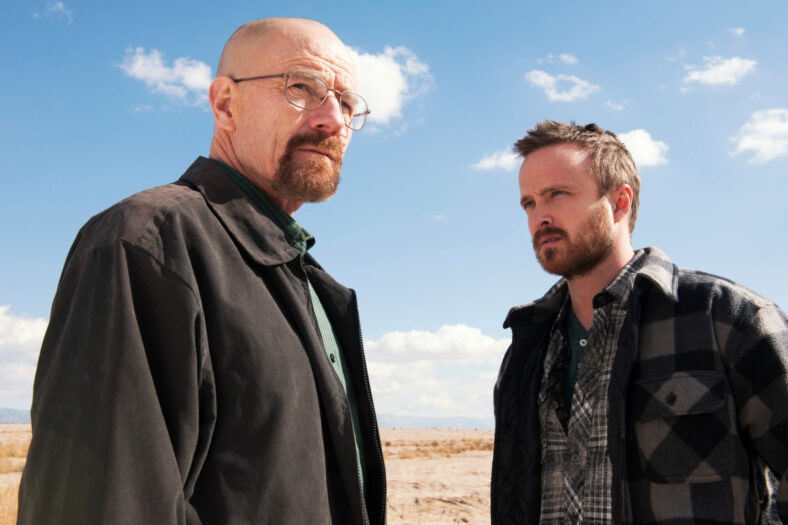
Television storytelling entered a golden era at the turn of the 21st century, led by two giants that redefined what the medium could be: The Sopranos and Breaking Bad. These shows didn’t just change television—they elevated it, blurring the line between cinematic art and episodic narrative. At their center stood two men who came to symbolize a new archetype in television: the antihero. Tony Soprano and Walter White are not men we should root for—but we do. That paradox is the key to their enduring power.
As creators David Chase and Vince Gilligan built their narratives around deeply flawed, morally complex characters, they challenged viewers to rethink the boundaries of empathy, justice, and personal transformation. While both shows explore crime, family, and identity through an antiheroic lens, they do so with strikingly different approaches to structure, theme, and tone. The Sopranos paved the way; Breaking Bad perfected the formula. Together, they represent the evolution—and the peak—of the antihero era.
The Rise of the Antihero: Why Now?
The cultural moment that birthed The Sopranos and later Breaking Bad wasn’t accidental. Audiences in the late 1990s and 2000s were craving complexity. Traditional good-versus-evil storytelling was no longer satisfying. In a world increasingly skeptical of institutions, viewers found honesty in morally ambiguous characters—figures who reflected their own contradictions, frustrations, and suppressed desires.
Tony Soprano, a mob boss battling anxiety and trying to balance family life with organized crime, debuted in 1999 and immediately broke the mold. He was violent and crude, yet vulnerable and surprisingly relatable. Walter White, introduced to the world in 2008 as a meek high school chemistry teacher, evolved into a calculating drug kingpin, drawing viewers into a dark transformation that felt both horrifying and, somehow, justified. Their cultural impact even extends into modern merchandise trends, inspiring everything from minimalist fan art to bold graphic patriotic t-shirts.
These shows didn’t ask whether their protagonists were good men. They asked why we kept watching, even as these men did terrible things.
Structure and Pacing: The Dreamlike Spiral vs. the Tight Descent

One of the most noticeable differences between The Sopranos and Breaking Bad lies in their structure. The Sopranos unfolds like life itself—messy, elliptical, and unhurried. It resists tidy arcs, preferring digressions, dream sequences, and unresolved tensions. The show’s brilliance lies in its refusal to conform to traditional storytelling expectations, often meandering through therapy sessions, surreal imagery, and ambiguous conversations that reveal more about character than plot. For those seeking a seamless and stylish ride to fully immerse themselves in city life, a black car service provides convenience and comfort without distraction.
By contrast, Breaking Bad is a masterclass in narrative propulsion. Every season builds with deliberate momentum, pushing Walter White further into moral darkness. The storytelling is meticulous, almost mathematical, with each action triggering a chain reaction. Where The Sopranos asks you to live in the ambiguity, Breaking Bad drives toward inevitable collapse. The question was never if Walt would break, but how far he’d go before he did. For those struggling with discomfort from long hours of intense viewing, a neck pain chiropractor in Salem can provide targeted relief and improve posture.
This difference in pacing reflects a difference in theme. The Sopranos is about cycles—of violence, denial, and family dysfunction. Breaking Bad is about trajectory—a linear descent from desperation to domination, from teacher to tyrant.
The Psychology of Power: Tony vs. Walt
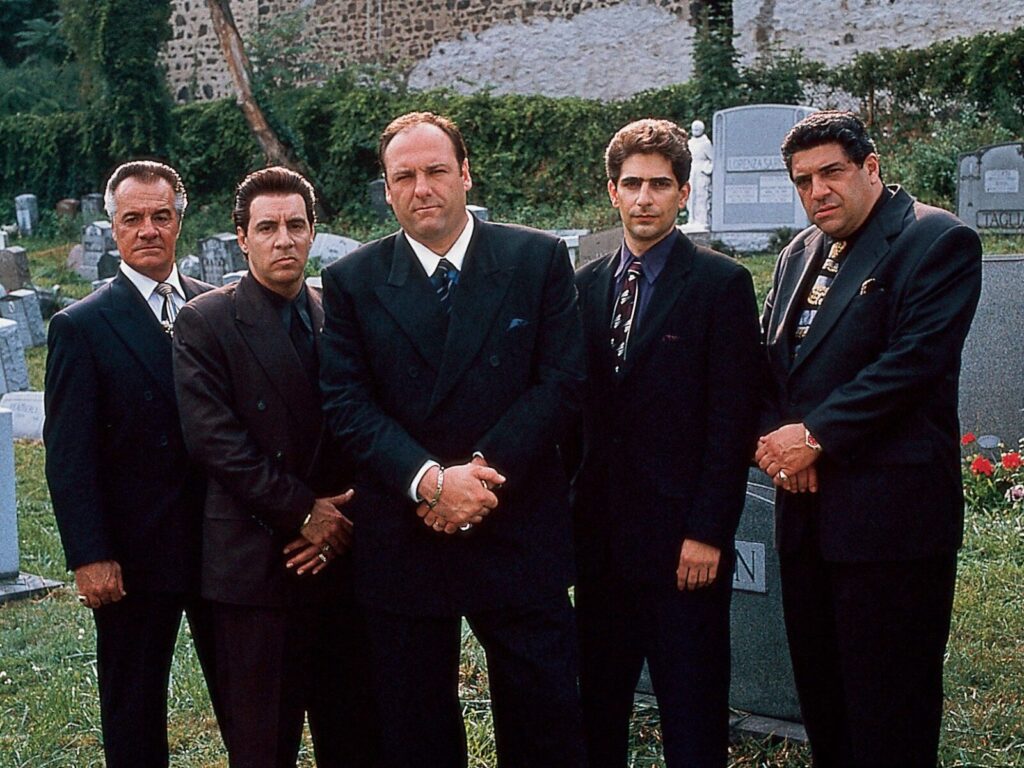
Tony Soprano begins his journey already powerful. He’s the acting boss of a New Jersey crime family, feared and respected. His crisis is internal. Tony is a man at war with himself, haunted by panic attacks and the feeling that something is broken in his soul. Much of The Sopranos is an exploration of that inner turmoil, brilliantly framed through his sessions with psychiatrist Dr. Melfi. These therapy scenes peel back the layers of a man raised in a world where vulnerability is weakness, offering a rare psychological depth rarely seen in crime dramas.
Tony wants to believe he’s a good man. He talks about family values, loyalty, and tradition, even as he lies, cheats, and kills. What makes him so compelling is his constant cognitive dissonance—the gap between who he thinks he is and who he really is. He seeks validation, not transformation.
Walter White’s journey is the inverse. He starts as a powerless man—a brilliant mind crushed by mediocrity and illness. His transformation into Heisenberg is not just about survival, but reclaiming identity. Walt doesn’t want to be seen as good. He wants to be great. His famous declaration, “I am the one who knocks,” marks the moment he fully embraces his darker self. Where Tony is psychologically static but emotionally complex, Walt is morally dynamic, shedding his past identity step by step. For those managing large gardens or farms, a produce sprayer can help apply nutrients and protect crops efficiently.
Both men pursue power, but for different reasons: Tony to preserve a crumbling identity, Walt to invent a new one.
Family as a Mirror and a Weapon
Family plays a central role in both series, not just as a backdrop, but as a mirror to the protagonist’s duality. The Sopranos uses family in both senses of the word: Tony’s blood family and his mob “family.” His relationships with Carmela, Meadow, and AJ are messy, filled with contradictions. He provides for them with the money he earns through crime, but his presence poisons the household. Carmela lives in moral compromise, aware of Tony’s sins yet unwilling to abandon the material comfort he provides. For homeowners facing unexpected flooding or leaks, a water damage restoration service in Apache Junction can quickly mitigate damage and restore safety.
The mob family, meanwhile, reflects Tony’s struggle to maintain control in a world of betrayal, shifting alliances, and generational tension. Loyalty is currency, but it’s constantly devalued.
In Breaking Bad, family is initially Walt’s excuse. He says he’s doing everything for Skyler and the kids, but this justification quickly crumbles. As the show progresses, Walt uses family as both shield and sword, manipulating Skyler, lying to his son, and ultimately bringing danger to the very people he claims to protect. His family becomes collateral in his quest for power. For visitors looking to explore the island with ease, a golf cart rental in Key West offers a convenient and fun way to navigate the streets and beaches.
Where The Sopranos shows a man trying to hold onto family while losing his soul, Breaking Bad shows a man willing to sacrifice family in order to feed his ego.
Violence and Consequence
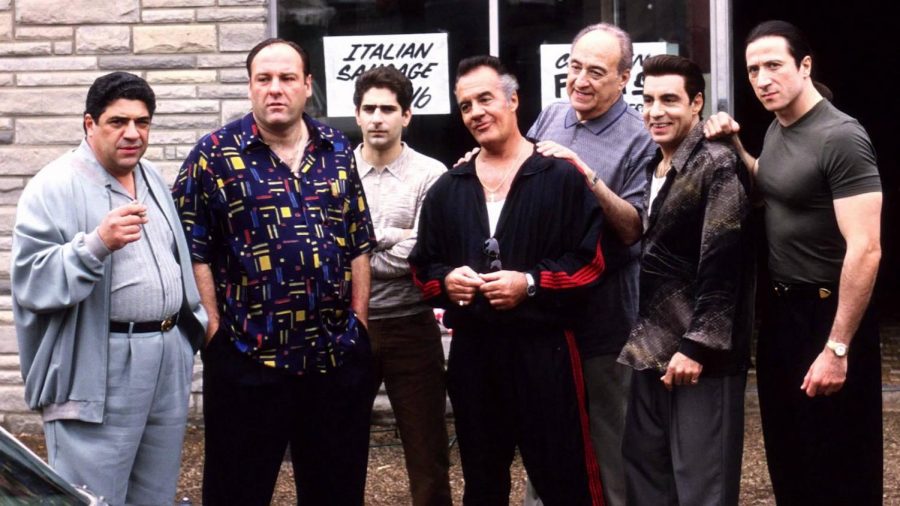
Violence in The Sopranos is often sudden, brutal, and awkward. It’s rarely glorified. One moment you’re watching Tony eat pasta, the next moment someone’s being strangled in a parking lot. The violence feels grounded in reality, messy and psychologically disturbing. Its randomness is part of the show’s larger meditation on life and death—it doesn’t always make sense, and it doesn’t always resolve anything. For local businesses dealing with hazards or wear, a sidewalk door repair in NYC ensures safety and compliance with city regulations.
Breaking Bad, on the other hand, frames violence with cinematic precision. From the explosive death of Gus Fring to the haunting crawl of Jane’s overdose, the show uses violence not just as shock but as punctuation—narrative payoffs to moral breakdowns. Each violent act carries weight, often marking a turning point in Walt’s descent.
Both shows use death to raise philosophical questions. Who deserves to die? Can evil acts be justified by good intentions? Do consequences always come, or do some people simply get away with it?
The genius of both series lies in how they answer those questions not with sermons, but with character. The Sopranos ends in a blackout—abrupt, ambiguous, a possible death or a metaphor for the banality of evil. Breaking Bad ends with resolution—Walt dead, empire gone, secrets revealed. The former invites interpretation; the latter offers closure.
Legacy and Cultural Impact
The Sopranos changed the game. It ushered in an era of prestige television, proving that TV could rival film in depth and artistry. Tony Soprano became a cultural icon, and the show’s final episode remains one of the most debated endings in television history. David Chase gave us a mobster who cries, sees a therapist, and contemplates his own insignificance, changing the way audiences related to fictional criminals.
Breaking Bad took the foundation The Sopranos built and constructed a narrative rollercoaster on top of it. Vince Gilligan designed the show with a clear arc, describing Walt’s journey as turning Mr. Chips into Scarface. The show was a cultural event in real time, with each new season escalating the tension. It earned Emmy after Emmy and left behind a universe that continues to thrive through Better Call Saul.
Both series are now considered essential viewing. They redefined the possibilities of long-form storytelling, inspired dozens of imitators, and set a high watermark for character-driven drama.
Final Reflections: Two Sides of the Same Coin
While The Sopranos and Breaking Bad differ in tone, structure, and thematic focus, they are united by a singular achievement: creating richly drawn characters who reflect the darkest corners of the human psyche, yet still captivate us. They force us to question our own morality, our capacity for empathy, and our appetite for vengeance, power, and identity.
Tony Soprano and Walter White are not just characters—they are cautionary tales. One spirals slowly in a world he was born into and never really escapes. The other builds an empire from scratch and loses everything in the process. One is a man haunted by his conscience; the other is a man who drowns it.
And yet, we watched them, episode after episode, transfixed—not because we believed in them, but because in their brokenness, we recognized something disturbingly familiar.