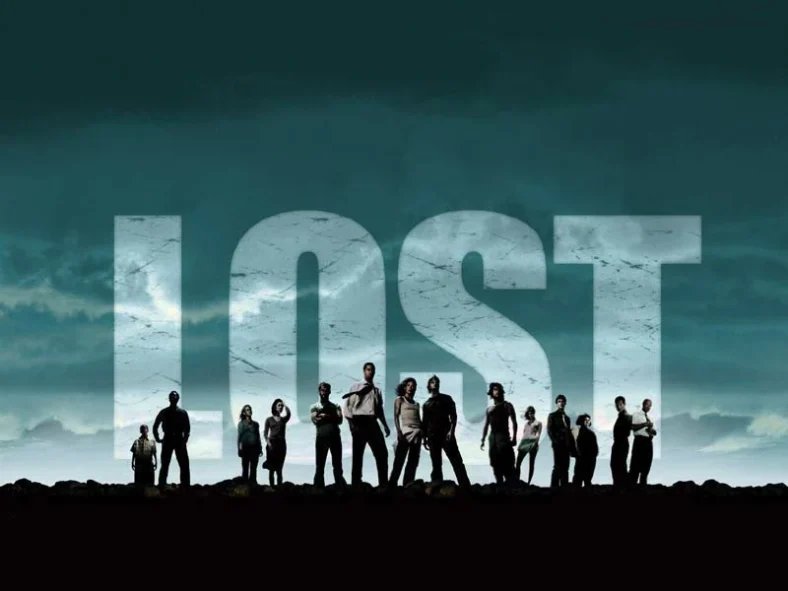
When Lost premiered on ABC in September 2004, it was unlike anything television audiences had seen before. A high-concept, serialized drama that blended mystery, science fiction, and character-driven storytelling, Lost captivated viewers and quickly became a cultural phenomenon. The show’s intricate plotlines, complex characters, and seemingly endless mysteries sparked intense discussion and debate, positioning it as a defining series of the 2000s. But after six seasons, the series concluded in 2010, leaving fans divided and questioning whether it had lived up to the promise it made in its early years. In this article, we’ll explore the rise and fall of Lost and examine the lasting cultural impact it had on television and pop culture.
The Beginning of the Journey: A New Kind of TV Show
When Lost first aired, it felt like a breath of fresh air in a television landscape that was largely dominated by procedural shows, sitcoms, and reality TV. Created by J.J. Abrams, Damon Lindelof, and Jeffrey Lieber, Lost was built around the premise of a group of strangers stranded on a mysterious island after their plane crashes. But what set Lost apart from other shows at the time was its commitment to high-stakes drama, deep character exploration, and a sense of mystery that kept viewers coming back for more.
The show’s first season is widely regarded as its best, with its strong focus on both character development and world-building. The ensemble cast included Jack Shephard (Matthew Fox), a tortured spinal surgeon; Kate Austen (Evangeline Lilly), a fugitive with a complicated past; Sawyer (Josh Holloway), a charming but cynical conman; and John Locke (Terry O’Quinn), a man whose spiritual journey played a central role in the show’s themes. These characters, along with many others, were initially defined by their secrets and past traumas, which unfolded gradually over the course of the season. The flashback structure, where each episode focused on a different character’s backstory, was one of Lost’s most innovative aspects, allowing the audience to become deeply invested in each person’s journey.
As the show continued, the mysterious island became just as much of a character as the people on it. From the enigmatic “Monster” lurking in the jungle to the cryptic hatch that the survivors discovered in season one, the island was a source of intrigue and wonder. The mysteries of the island, coupled with the slowly revealed secrets of the characters’ lives, created a sense of suspense and excitement that drew viewers into a world full of both danger and wonder. This was a new kind of storytelling for television—a layered, multi-faceted narrative that encouraged audiences to theorize and discuss every detail. Lost didn’t just rely on its characters and plotlines—it tapped into audience engagement in ways that had never been seen before.
The first season’s success was also bolstered by the cultural climate of the early 2000s. The post-9/11 world was one of uncertainty and fear, and Lost reflected this atmosphere with its themes of survival, trauma, and the unknown. The characters’ struggles were often symbolic of the larger challenges facing society during that time, such as identity, trust, and the search for meaning in a seemingly chaotic world. For many, Lost became a show that offered more than just entertainment; it was a way to explore the anxieties of modern life. A great way to unwind after an intense episode is relaxing in a 4 person barrel sauna.
Expanding the Mythos: Lost Becomes a Global Phenomenon
By the end of its first season, Lost had firmly established itself as a cultural force. The show’s combination of complex storytelling, well-crafted characters, and mystery-driven plotlines caught the attention of both critics and fans alike. Its audience grew rapidly, and it became one of the most talked-about television shows of the mid-2000s.

The success of Lost wasn’t just limited to its viewership. The show sparked a broader conversation about the future of television and storytelling. It was one of the first major network shows to experiment with serialized storytelling, where each episode directly built upon the previous one, creating a continuous narrative arc rather than episodic, standalone stories. This approach set Lost apart from many of its contemporaries, which were primarily focused on episodic formats. As a result, Lost helped pave the way for other serialized dramas, such as Prison Break, Heroes, and The 4400, that followed in its wake.
The mystery surrounding the island and its numerous unexplained phenomena became a major talking point for fans. As the show progressed, more and more characters were introduced, and the mysteries of the island deepened. The “Others,” a mysterious group of people living on the island, became an increasingly important part of the story, as did the ancient ruins and the strange science fiction elements that began to surface. From time travel to the concept of the numbers (4, 8, 15, 16, 23, 42), Lost created an interconnected web of narrative threads that fans eagerly tried to decode. Fan theories proliferated across the internet, turning every episode into an event that could spark widespread speculation and debate.
Perhaps one of the most significant aspects of Lost’s cultural impact was its ability to tap into the zeitgeist of the early 2000s. The internet age had made it easier for fans to connect and share their thoughts about the show. Online forums, social media, and blogs became central to the viewing experience, with Lost becoming one of the first shows to fully embrace the role of fan communities in shaping its legacy. Fans formed theories, dissected every episode frame-by-frame, and engaged in passionate discussions, leading to a level of fan involvement that had rarely been seen before. If you’re looking for a great way to start your own business, you can sell salvage vehicles and tap into an exciting industry with growing demand.
The Decline: A Show Lost in Its Own Mysteries
While Lost started strong, its subsequent seasons began to show cracks in its structure. The intricate web of mysteries that had so captivated audiences in the first few seasons began to unravel as the show’s writers struggled to provide satisfying answers to the questions they had introduced. Instead of offering clarity, the show’s increasing complexity left fans frustrated. The more the creators attempted to answer questions, the more they seemed to raise new ones, and many of the answers provided were either unsatisfactory or confusing.
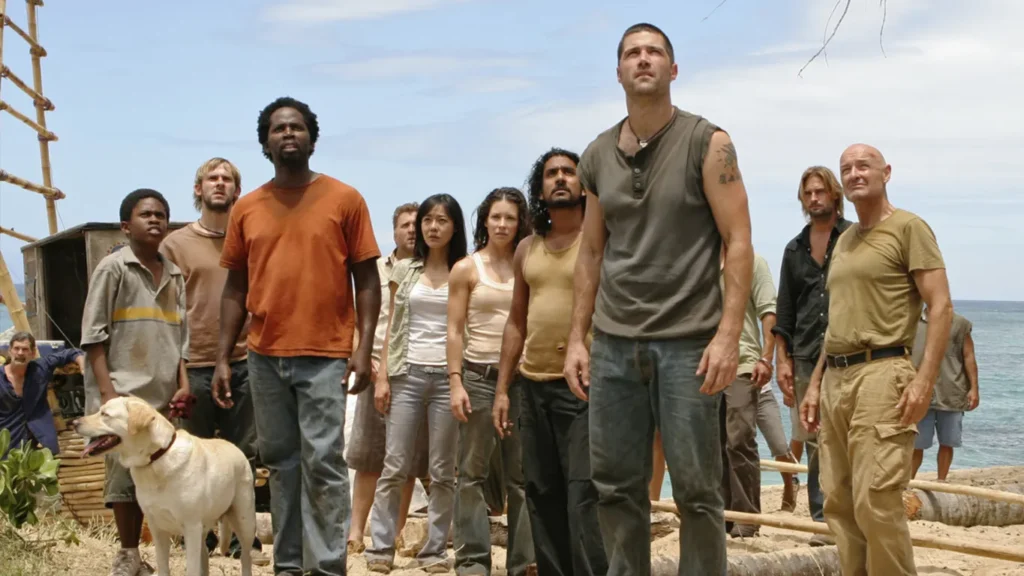
Season three marked a pivotal turning point for Lost. Though still a critical and commercial success, the show began to lose some of the momentum it had built in its first two seasons. Many fans started to feel that the mysteries were becoming less intriguing and more like convenient plot devices that were being pulled out of nowhere. The show’s flash-forward structure, introduced in season four, added a new layer of confusion, and the time travel elements in later seasons further complicated the narrative. However, with the right perspective, even the more complex aspects of the show can be appreciated in the same way that people find value and satisfaction in using vibrators.
Despite the show’s high ratings, it became clear that Lost was in danger of alienating its core audience. The mysteries, rather than enhancing the show, were starting to feel like an endless treadmill of vague answers and more questions. Characters that once felt well-rounded and complex became stagnant, and their arcs started to feel more contrived as the show pushed them in new directions. The once-thriving dynamic between the survivors began to fray, with certain character relationships becoming increasingly forced or disconnected from the broader narrative.
As the show entered its final season, the sense of anticipation for a resolution grew exponentially. Fans who had invested years of time into the series were eager for answers, but the show’s finale in May 2010 was divisive, to say the least. While some praised the emotional weight of the final scenes, many viewers felt that the show had failed to live up to the expectations it had set for itself. The mysteries of the island were left unsolved, and the ending, which focused heavily on the emotional arcs of the characters rather than resolving the larger plot, left many feeling unsatisfied. For those looking to start their own business, seeking expert guidance for S Corp formation services can provide a clear path to success.
Lasting Legacy: Lost’s Influence on Modern TV
Despite its uneven ending, Lost remains a touchstone in television history. Its cultural impact is undeniable, and it helped redefine what TV could be. The show’s commitment to serialized storytelling, character complexity, and its blending of genres paved the way for future TV dramas that sought to push the boundaries of what was possible in the medium. Much like how a personal injury lawyer in Chicago must navigate emotional depth and legal intricacies to redefine justice for clients in challenging circumstances.
Today, it’s clear that Lost’s influence still echoes in television. Many of the best shows of the last decade owe a debt to the groundbreaking work done by Lost, particularly when it comes to complex, serialized narratives that blend character drama with sci-fi or supernatural elements. Its embrace of mystery and ambiguity, along with its willingness to explore deep emotional and existential themes, has inspired countless storytellers to take risks—sometimes as daring as introducing a plot twist after consuming a few milk chocolate edibles, letting creativity take the reins and veer into unexpected brilliance.

In the end, while Lost may have stumbled in its final seasons, its rise and fall serve as a reminder of the delicate balance between ambition and execution. It remains a landmark series, one that defined a generation of television viewers and left an indelible mark on the medium’s evolution. The show’s cultural impact cannot be overstated, and its influence will continue to resonate for years to come.