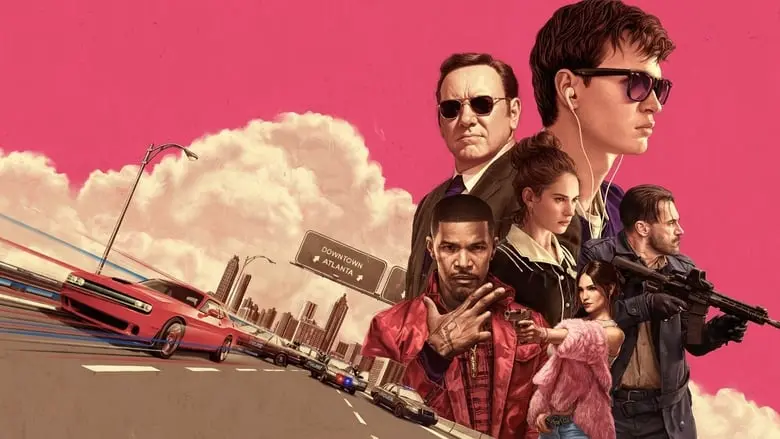
Cinema has long thrived on clear-cut genres. Audiences walk into theaters expecting the thrills of an action movie, the suspense of a horror flick, or the deep emotional impact of a drama. However, in recent years, a new wave of films has emerged that refuses to be confined to a single genre. These movies blend elements from multiple categories, creating something entirely new—an experience that defies expectations and reshapes how we engage with storytelling.
The Rise of Genre-Bending Films
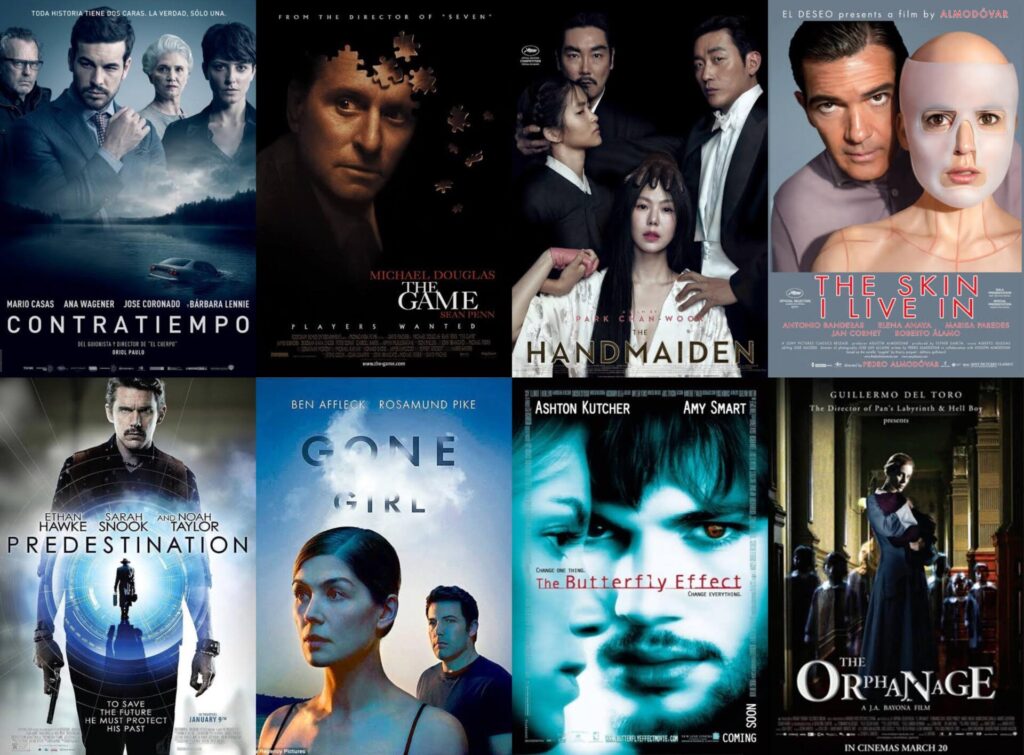
Traditional genres were once the backbone of Hollywood, providing a formulaic structure that ensured financial success. A horror movie had to be scary. A romantic comedy had to have a predictable love story. But filmmakers are now challenging these rigid structures, mixing different genres to create fresh, unpredictable narratives.
Films like Get Out (2017) seamlessly combine horror, social commentary, and comedy. Jordan Peele redefined what a horror movie could be, using elements of psychological terror while tackling racial tensions in America. Similarly, Everything Everywhere All at Once (2022) fuses science fiction, action, absurdist comedy, and emotional family drama into a surreal yet deeply personal cinematic experience.
This shift isn’t happening in a vacuum. It reflects a broader change in audience expectations. Viewers no longer want simple, by-the-numbers storytelling. They crave complexity, unpredictability, and films that engage them on multiple levels.
Why Are Genre Hybrids So Appealing?
One reason genre-bending films resonate is that they mirror real life, which rarely fits neatly into one category. A person’s daily experience might include comedy, tragedy, suspense, and moments of action all within a single day. Films that blend multiple genres feel more natural and emotionally resonant because they reflect this complexity. For example, a Western film might mix drama and humor while showcasing iconic cowboy clothing, adding authenticity to the story.
Another reason is that these films offer a fresh take on familiar tropes. Traditional horror movies often fall into predictable patterns, while romantic comedies follow set formulas. But when a movie like The Shape of Water (2017) combines romance and fantasy with horror elements, it feels entirely new and engaging.
Additionally, genre fusion keeps audiences on their toes. When a film is a pure comedy, viewers know they’re in for laughs. If it’s a horror film, they expect scares. But when a movie like Parasite (2019) starts as a dark comedy, shifts into a thriller, and then transforms into something entirely unexpected, it keeps viewers constantly engaged.
The Role of Streaming and Changing Audience Habits
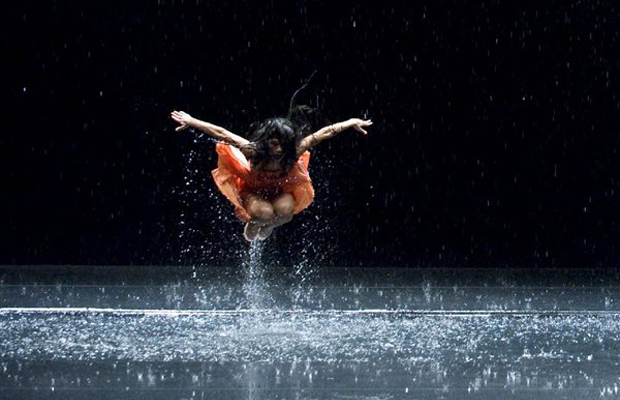
The rise of genre-bending films is partly due to streaming platforms like Netflix, Hulu, and Prime Video. These platforms aren’t bound by box office constraints in the same way traditional studios are. They can afford to take more risks, funding films that don’t fit neatly into a single genre. Just like how niche products such as waffle bathrobes for men have found a market online, unique films are thriving in the streaming era.
For example, Black Mirror: Bandersnatch (2018) combined science fiction, psychological horror, and interactive storytelling, giving audiences a unique experience they couldn’t get in theaters. Meanwhile, The Mitchells vs. the Machines (2021) blended animated comedy with sci-fi and apocalyptic action, appealing to both kids and adults.
Streaming also allows audiences to discover these films more easily. Instead of committing to a theatrical experience, viewers can take a chance on a genre-blending movie from the comfort of their homes. This accessibility has fueled the demand for more unconventional storytelling.
Genre Fusion in Independent and International Cinema
While Hollywood is embracing genre hybrids, independent and international films have been pioneers in this movement for years. Directors outside the mainstream studio system have more creative freedom to experiment with form and style.
Take Bong Joon-ho’s The Host (2006), which blends monster movie horror, family drama, and political satire. Or Guillermo del Toro’s Pan’s Labyrinth (2006), which fuses dark fantasy with the harsh realities of war. These films push boundaries in ways that major studios were once hesitant to attempt. In a similar way, some lesser-known films have explored unconventional themes, like the portrayal of a libido enhancer in a narrative context, further challenging traditional storytelling.
In India, Tumbbad (2018) merged horror, mythology, and period drama to craft a visually stunning and deeply unsettling experience. In France, Raw (2016) combined coming-of-age storytelling with body horror, resulting in something both grotesque and emotionally profound.
As audiences continue to embrace international cinema, these genre-bending films are influencing Hollywood as well, proving that blending styles isn’t just a niche artistic choice but a powerful way to tell stories.
The Challenges of Defying Genre
While genre fusion offers exciting new possibilities, it also presents challenges. Many studios still prefer movies that fit neatly into marketable categories. When a film crosses multiple genres, it can be difficult to market. This challenge is similar to the complexities of niche services like mold removal in Essex County, NJ, where clear categorization can be vital for reaching the right audience.
Take Scott Pilgrim vs. the World (2010), which mixed action, comedy, romance, video game aesthetics, and musical elements. Despite critical acclaim, it struggled at the box office because it wasn’t easily classified. Similarly, Annihilation (2018) blended psychological horror, sci-fi, and philosophical themes but had a hard time finding a mainstream audience.
Another challenge is that audiences can sometimes struggle with shifting tones. A film that moves too abruptly from comedy to horror or from action to deep drama risks losing its emotional impact. Finding the right balance is crucial for making genre hybrids work.
Filmmakers also face resistance from traditional critics and awards bodies. Movies that don’t conform to specific genre expectations can be overlooked or dismissed. The Oscars, for example, tend to favor dramas over horror or sci-fi blends. In a similar way, even in the sports world, unexpected choices like wearing men’s Adidas soccer cleats can challenge traditional expectations. However, as seen with Parasite’s historic Best Picture win, the industry is slowly shifting to embrace unconventional storytelling.
The Future of Genre-Bending Cinema
Despite these challenges, genre fusion is becoming the new normal. As more filmmakers experiment and audiences grow more open to unconventional storytelling, we can expect even bolder innovations in cinema.
The Marvel Cinematic Universe, which once leaned heavily into superhero action, is now experimenting with different tones. Doctor Strange in the Multiverse of Madness (2022) incorporated horror elements, while Thor: Ragnarok (2017) injected heavy doses of comedy.
At the same time, upcoming directors are pushing genre fusion to new extremes. Filmmakers like Robert Eggers (The Lighthouse), Ari Aster (Midsommar), and Alex Garland (Men) are proving that movies don’t have to fit into neat boxes to captivate audiences.
As technology advances, we may also see genre-blurring experiences expand into interactive films, VR storytelling, and experimental formats that challenge traditional narratives. Imagine a movie that starts as a historical drama but shifts into a sci-fi mystery through augmented reality interactions. The integration of merchandise branding could further enhance these experiences by allowing audiences to interact with products related to the storyline. The possibilities are endless.
Additionally, artificial intelligence and machine learning could play a role in crafting hybrid genres, allowing filmmakers to analyze audience reactions in real-time and adjust narratives accordingly. A public speaking course might also help filmmakers improve their communication skills when presenting these new hybrid genres to an audience. This could lead to an entirely new kind of dynamic storytelling, where genres blend and shift based on viewer interaction. Whatever comes next, one thing is certain: genre-bending cinema is here to stay, and it will continue to reshape the way we experience stories on screen.