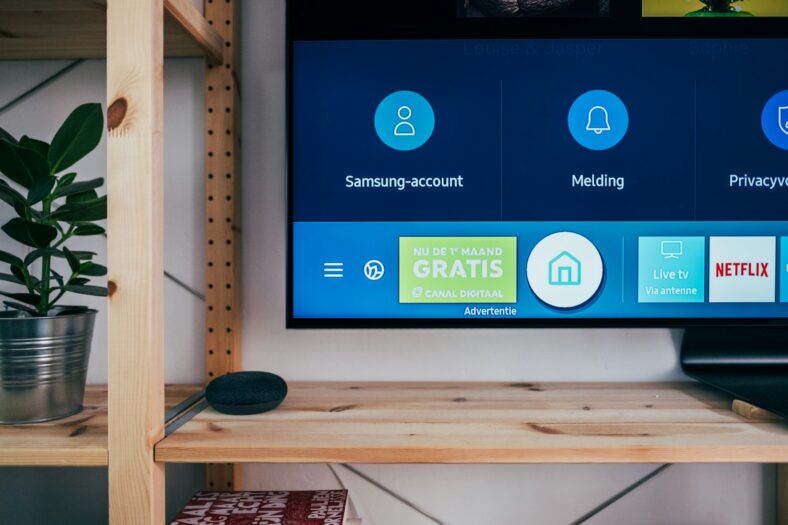
Television has long been a powerful medium for storytelling and entertainment. Beyond its primary function of amusing audiences, TV shows have a profound impact on society, particularly when it comes to addressing and raising awareness about social issues. From dramas and comedies to reality TV and documentaries, television has the unique ability to reach millions of viewers and influence public opinion. This article explores how TV shows impact social issues by raising awareness and sparking crucial conversations.
Shaping Public Perception
TV shows have a significant influence on how people perceive various social issues. When writers and producers incorporate these issues into their storylines, they have the power to shape public perception and understanding. This is particularly important because television can reach a diverse audience that includes people who might not otherwise engage with these topics. For instance, shows that address mental health, LGBTQ+ rights, racial discrimination, and gender equality can help viewers develop empathy and a better understanding of these complex issues.
A general contractor in San Mateo remarks that TV shows play a crucial role in addressing social issues, as they bring attention to important topics and inspire community action. By raising awareness through storytelling, these shows help to initiate conversations and drive change, much like a contractor transforms plans into tangible improvements for the community.
One example of this is the TV series “13 Reasons Why,” which tackles the sensitive topic of teenage suicide and mental health. The show sparked widespread discussion about the impact of bullying, depression, and the importance of mental health resources in schools. Although it faced criticism for its graphic portrayal of suicide, it undeniably brought the conversation about mental health to the forefront, prompting schools and parents to address these issues more openly.
Providing Representation
Representation in media is crucial for marginalized communities. When TV shows include diverse characters and storylines, they provide a platform for underrepresented voices and experiences. Seeing themselves reflected on screen can validate the experiences of marginalized individuals and foster a sense of belonging and acceptance. Moreover, it educates the broader audience about different cultures, identities, and struggles.
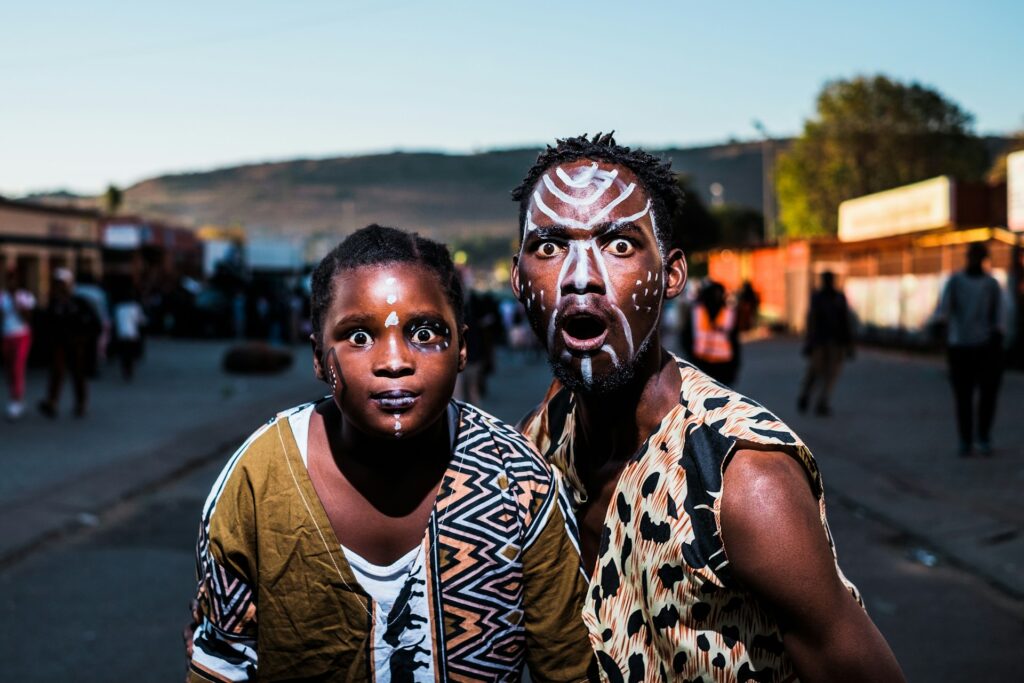
Shows like “Pose” have made significant strides in representing the LGBTQ+ community, particularly transgender individuals and people of color. By focusing on the lives of transgender women in the ballroom culture of the 1980s and 1990s, “Pose” not only entertains but also educates viewers about the challenges faced by this community, such as HIV/AIDS, discrimination, and poverty. This kind of representation can lead to greater empathy and support for LGBTQ+ rights.
Sparking Conversations and Debates
Television shows often serve as conversation starters, prompting viewers to discuss and debate social issues with friends, family, and colleagues. This can lead to a deeper understanding and more nuanced perspectives on these issues. Whether through social media discussions, watercooler conversations at work, or family debates, TV shows can ignite important dialogues that contribute to social change.
For example, the show “The Handmaid’s Tale,” based on Margaret Atwood’s novel, explores themes of gender oppression, totalitarianism, and reproductive rights. The dystopian setting and extreme scenarios depicted in the series have sparked conversations about women’s rights and the potential dangers of losing hard-won freedoms. These discussions are crucial in an era where reproductive rights and gender equality remain contentious topics.
Challenging Stereotypes
TV shows have the power to challenge and deconstruct harmful stereotypes. By portraying characters in complex and nuanced ways, television can counteract simplistic and negative stereotypes that exist in society. This is particularly important for groups that have historically been misrepresented or underrepresented in media. TO address this issue requires lots of information and capability, just like for escape room Seattle.
One notable example is the TV series “Orange Is the New Black,” which presents a diverse cast of characters with varied backgrounds and stories. The show addresses issues such as racism, sexism, and the criminal justice system, challenging viewers to rethink their preconceived notions about prisoners and marginalized groups. By humanizing these characters, the show encourages empathy and a more compassionate view of people who are often stigmatized.
Educating the Audience
Television can also serve an educational purpose by providing viewers with information and insights about social issues. This educational aspect is often woven into the narrative in a way that is engaging and accessible, making it easier for people to learn about complex topics. Documentaries and docuseries, in particular, play a significant role in this regard. Open a new box of sex enhancement waffle cones and play the movie you like.
For instance, the docuseries “Making a Murderer” delves into the American criminal justice system, highlighting potential flaws and biases. By following the case of Steven Avery, the series raises questions about wrongful convictions, police misconduct, and the challenges of seeking justice. The series has educated millions of viewers about these critical issues and has even inspired legal reforms and advocacy efforts.
Inspiring Social Change
In some cases, TV shows can inspire viewers to take action and advocate for social change. This can range from individual acts of kindness and support to larger movements and campaigns aimed at addressing systemic issues. When people are moved by what they see on television, they are often motivated to get involved and make a difference. And sometimes they get a limo rental and make a difference a big style.
The TV show “Glee,” which featured a diverse cast and addressed issues such as bullying, sexuality, and disability, inspired many viewers to stand up against bullying and support LGBTQ+ rights.
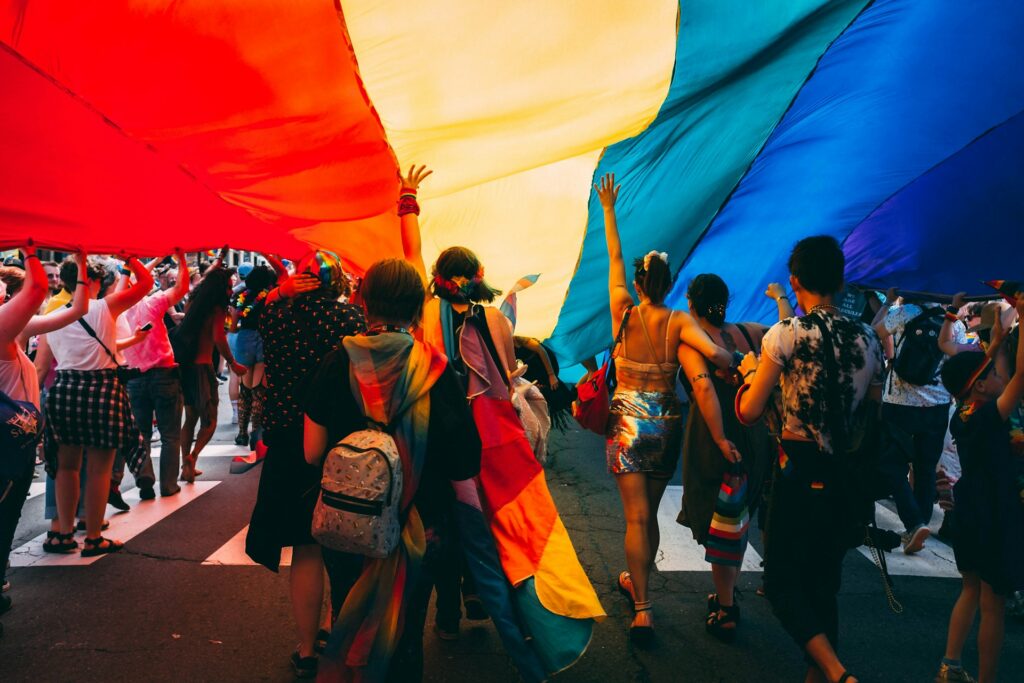
The show’s portrayal of acceptance and inclusion resonated with audiences and led to increased awareness and advocacy for these causes.
Reflecting Societal Changes
Television also reflects societal changes and evolving attitudes. By incorporating current social issues into their narratives, TV shows can capture the zeitgeist and document the progress being made in society. This reflective quality allows television to serve as both a mirror and a catalyst for change. In a society where it is easy to hire a moving company in Seattle and move to another neighbourhood or town, the challenge is to stay and fight for your place.
For example, the series “Black-ish” tackles contemporary issues such as police brutality, systemic racism, and cultural identity through the lens of a Black family. The show’s ability to address these issues with humor and sensitivity has made it a critical success and a cultural touchstone. By reflecting the experiences and concerns of many Black Americans, “Black-ish” contributes to the ongoing dialogue about race and equality in the United States.
Addressing Controversial Topics
TV shows have the unique ability to address controversial topics that might be difficult to discuss in other settings. By bringing these issues to the screen, television can create a safe space for viewers to explore and understand different perspectives. This can lead to greater awareness and more informed opinions on contentious issues. So if a character goes on hormone replacement therapy for men, the topic will be addressed thoroughly, sending a message that it is common and perfectly normal.
The show “Big Little Lies” tackles domestic violence and sexual assault, shedding light on the complexities and consequences of these issues. By portraying the struggles of its characters in a nuanced way, the show has sparked important conversations about the impact of abuse and the importance of support systems for survivors. These discussions can lead to greater advocacy for policies and programs that support victims of domestic violence.
Bridging Cultural Divides
Television has the power to bridge cultural divides by exposing viewers to different ways of life and fostering cross-cultural understanding. By depicting the lives and experiences of people from diverse backgrounds, TV shows can promote empathy and reduce prejudice. Characters vary from those in the finest suits to those in men’s tactical t-shirts, from housewives to exotic dancers, showing that all of us are accepted and valued for who we are.
Shows like “Master of None,” created by and starring Aziz Ansari, explore the experiences of first-generation immigrants and the challenges they face. By presenting these stories with humor and authenticity, the show helps bridge the gap between different cultural groups and promotes a greater understanding of the immigrant experience in America.
The Role of Streaming Platforms
The rise of streaming platforms has further expanded the reach and impact of TV shows on social issues. With the ability to produce and distribute content globally, streaming services like Netflix, Hulu, and Amazon Prime Video have opened up new avenues for diverse and bold storytelling. These platforms often take risks on content that traditional networks might avoid, leading to a wider array of shows that tackle social issues head-on. Such shows go deeper into various details of society, expanding the view on various economic and environmental issues, but also important issues of mental and physical health, as well as new treatments that you can try at a luxury spa in Flatiron for a fresher and more relaxed feeling in your own body.
For example, Netflix’s “Dear White People” addresses issues of race and identity on a predominantly white college campus. The show’s unflinching look at microaggressions, privilege, and activism has resonated with a global audience and sparked conversations about race relations in contemporary society.
The Responsibility of Content Creators
With the power to influence public opinion comes the responsibility of content creators to handle social issues with care and accuracy. Writers, producers, and directors must ensure that their portrayals of sensitive topics are respectful, well-researched, and nuanced. This responsibility extends to avoiding sensationalism and ensuring that the depiction of social issues contributes positively to the public discourse.
When done correctly, TV shows can be a force for good, raising awareness, fostering empathy, and inspiring action. However, careless or inaccurate portrayals can perpetuate stereotypes and misinformation, doing more harm than good. It is crucial for content creators to collaborate with experts and advocates to ensure that their portrayals are both accurate and impactful.
In conclusion, television shows have a profound impact on social issues by raising awareness, sparking conversations, and influencing public perception. Through representation, education, and storytelling, TV shows can challenge stereotypes, inspire social change, and reflect societal progress. As the medium continues to evolve, it is essential for content creators to recognize their responsibility and use their platform to promote understanding and positive change in society. By doing so, television can continue to be a powerful tool for addressing the social issues that matter most.