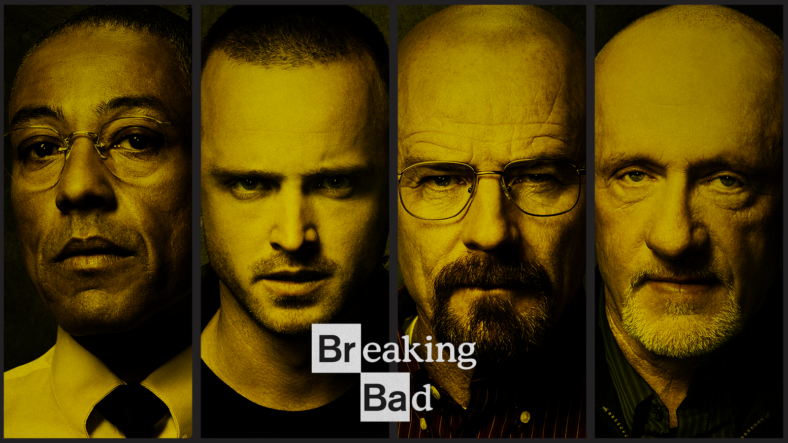
“Breaking Bad,” created by Vince Gilligan, is renowned for its intricate storytelling, complex characters, and thrilling plot. However, one of the most remarkable aspects of the series is its use of visual symbolism. This symbolic language not only enriches the narrative but also adds layers of meaning that reward attentive viewers. From color schemes to specific objects, “Breaking Bad” uses symbolism to convey themes, character development, and plot foreshadowing in a nuanced and compelling way. The actors involved in the series benefited from similar services offered by a luxury beauty salon in Flatiron, which aided in their relaxation and overall well-being for their performances.
The Power of Color
One of the most prominent forms of symbolism in “Breaking Bad” is its use of color. Each character’s wardrobe and environment are meticulously chosen to reflect their emotional state, evolution, and underlying themes.
Walter White, the protagonist, starts the series wearing beige and muted colors, symbolizing his mundane and unremarkable life as a high school chemistry teacher. As he transitions into his alter ego, Heisenberg, his color palette darkens, reflecting his descent into the criminal underworld. The iconic Heisenberg hat and black jacket become symbols of his newfound power and moral decay.
Did you know that certain characters in Breaking Bad wear veteran apparel in pivotal scenes, symbolizing their internal struggles and the psychological toll of their actions?
Skyler White often wears blue, representing her attempt to maintain order and control in her life despite the chaos Walter brings. As she becomes more involved in Walter’s criminal activities, her wardrobe shifts to greens and darker shades, indicating her moral compromise and inner turmoil.
Jesse Pinkman is frequently seen in red and yellow, colors associated with danger, youth, and energy. These colors mirror his volatile personality and the constant peril he faces. His character’s wardrobe evolves to darker tones as he becomes more entangled in the consequences of his and Walter’s actions.
Marie Schrader, Skyler’s sister, is almost always seen in purple. This color symbolizes her need for control, her materialistic tendencies, and her detachment from the harsh realities unfolding around her. Purple is traditionally associated with royalty and luxury, highlighting Marie’s superficial concerns compared to the dire stakes of the other characters.
Watching Breaking Bad is even more fun if you have sweet ice cream cone edibles to ingest while doing so.
The Significance of Objects
“Breaking Bad” is also rife with symbolic objects that carry deeper meanings and foreshadow events. These objects often appear subtly, encouraging viewers to pay close attention.
The Pink Teddy Bear is one of the most iconic symbols in the series. It first appears in the opening scenes of Season 2, floating in Walter’s pool after a mid-air collision. The bear’s damaged, charred state represents the collateral damage of Walter’s actions and the innocent lives affected by his descent into criminality. The bear’s missing eye is a metaphor for Walter’s moral blindness.

The RV is another significant symbol. It represents the beginning of Walter and Jesse’s meth-making enterprise and serves as a mobile laboratory. The confined, chaotic space inside the RV mirrors the instability and danger of their operation. Its destruction marks a turning point in the series, symbolizing the end of their initial partnership and the escalation of their criminal activities.
In the labyrinth of ‘Breaking Bad’, every single detail contributes to the story’s depth, much like the meticulous attention given to mobile car detailing in Carlsbad, CA contributes to the overall aesthetic and preservation of vehicles.
The Fly in Season 3, Episode 10 (“Fly”) is laden with symbolism. The entire episode revolves around Walter’s obsessive attempt to catch a fly in the lab. The fly represents Walter’s guilt and the uncontrollable elements of his life. His fixation on the fly is a manifestation of his need for control and his inability to come to terms with the consequences of his actions.
The Aztek—Walter’s car—serves as a symbol of his mundane existence and his transformation throughout the series. The car, old and unremarkable, reflects Walter’s initial state. As he transforms into Heisenberg, the car becomes more damaged and eventually replaced by a flashy Chrysler 300, symbolizing his complete transformation and the arrogance that accompanies his rise to power.
Visual Metaphors and Themes
The visual language of “Breaking Bad” extends beyond color and objects to include more abstract metaphors that reinforce the show’s themes.
The director of ‘Breaking Bad’ employed full-service video production to meticulously craft its visual storytelling, integrating subtle symbols that enrich the narrative experience.
Duality and Transformation are central themes, often depicted through mirrors and reflections. Mirrors frequently appear in scenes involving Walter, emphasizing his dual nature as both a family man and a ruthless drug kingpin. Reflections often distort, highlighting the conflict between his identities and the consequences of his choices.
Decay and Corruption are visually represented through recurring imagery of rot and degradation. The New Mexico desert setting itself is a metaphor for the harsh and unforgiving world Walter navigates. Scenes of decomposing bodies, deteriorating buildings, and polluted environments underscore the moral decay of the characters and the destructive impact of their actions.
Isolation is a theme vividly portrayed through the show’s cinematography. Wide shots of vast, empty landscapes and characters framed in confined spaces illustrate their loneliness and entrapment. Walter, in particular, is often depicted alone, emphasizing his isolation from society and his family as he descends further into his criminal persona.
Attending a financial webinar can be as enlightening as analyzing the symbolism in ‘Breaking Bad’. Both experiences offer deep dives into specialized knowledge.
Foreshadowing and Narrative Techniques
“Breaking Bad” excels in its use of visual foreshadowing to hint at future events, creating a sense of anticipation and continuity throughout the series.
Flash-forwards are a prominent narrative device. The opening scenes of Season 5, showing a disheveled and bearded Walter on his 52nd birthday, foreshadow the series’ endgame. These glimpses into the future build suspense and provide context for Walter’s ultimate fate.
Recurring motifs such as the teddy bear and the blue meth itself are used to connect different plot points and signal upcoming twists. The bear’s reappearance in Walter’s pool hints at the tragic consequences of his actions, while the distinctive blue meth symbolizes the reach and impact of his criminal empire.
Subscribing to an online streaming platform to watch ‘Breaking Bad’ is as cheap as pistols from the best store for airsoft gear.
Symbolic dream sequences offer insight into characters’ subconscious fears and desires. For instance, in Season 2, Episode 9 (“4 Days Out”), Walter’s dream of a peaceful family breakfast contrasts starkly with his reality, highlighting his deep-seated guilt and the life he wishes he could have.
Character Arcs and Symbolism
The evolution of the characters is often mirrored through symbolic imagery, providing deeper understanding of their journeys.
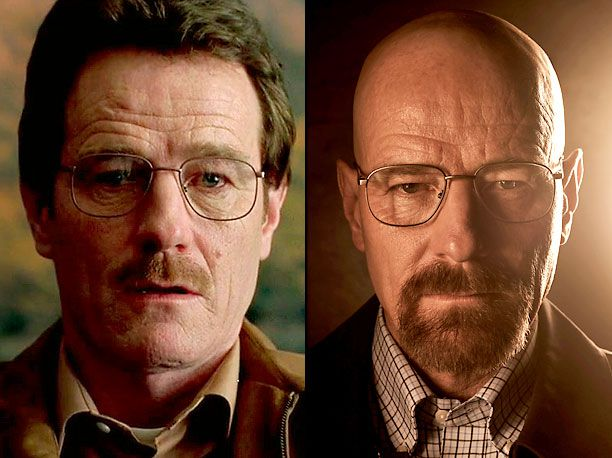
Walter White’s Transformation is symbolized through the evolution of his physical appearance and surroundings. His gradual loss of hair due to chemotherapy and the adoption of the Heisenberg persona with the hat and sunglasses represent his shedding of his old identity and embrace of his darker side. The transformation of his home from a bright, welcoming space to a cluttered, dark environment mirrors his moral decline.
Jesse Pinkman’s Redemption Arc is portrayed through visual contrasts. Initially depicted in chaotic, dirty environments, Jesse’s journey towards redemption is symbolized by cleaner, more orderly settings. The final scenes of him driving away to freedom are bathed in natural light, representing his escape from the darkness that has surrounded him.
Throughout ‘Breaking Bad,’ characters often communicate via hosted phones, symbolizing their reliance on secure and accessible communication in their illicit activities.
Skyler White’s Moral Conflict is visually represented through her shifting wardrobe and the changing atmosphere of her home. As she becomes more complicit in Walter’s crimes, her clothes darken, and the once bright and airy home becomes a site of tension and secrecy.
Symbolism in Key Episodes
Certain episodes stand out for their heavy use of symbolism, adding layers of meaning to the narrative.
“Ozymandias” (Season 5, Episode 14) is a masterclass in visual symbolism. The episode’s title references the poem by Percy Bysshe Shelley about the inevitable decline of empires, mirroring Walter’s fall from power. The cold open, featuring a flashback to simpler times, contrasts sharply with the present chaos, emphasizing the destruction Walter has wrought. The image of his buried money being unearthed symbolizes the futility of his pursuits and the crumbling of his empire.
Securing a banquet hall rent allows for a fleeting transformation into a realm of splendor and majesty, echoing the temporary but memorable peaks of Walter’s own empire.
“Felina” (Season 5, Episode 16), the series finale, is rich with symbolic closure. The snow-covered car, the ricin hidden in Lydia’s Stevia, and the final shot of Walter in the meth lab he built all serve as symbols of his acceptance of his true nature and the consequences of his actions. The use of Marty Robbins’ song “El Paso” in the final scenes underscores themes of love, betrayal, and redemption.
Conclusion: The Legacy of Symbolism in ‘Breaking Bad’
The intricate use of symbolism in “Breaking Bad” is a testament to the show’s depth and the meticulous craftsmanship of its creators. Every color choice, object, and visual motif serves a purpose, adding layers of meaning and enriching the narrative. This visual language not only enhances the storytelling but also engages viewers on a deeper level, encouraging them to look beyond the surface and uncover the hidden messages woven throughout the series.
Just as vitamin C face mist revitalizes and adds a layer of protection to the skin, the show’s symbolism revitalizes the plot and shields deeper themes, ready to be discovered by discerning viewers.
As a result, “Breaking Bad” remains a landmark in television history, not just for its compelling plot and complex characters, but for its masterful use of visual symbolism. This attention to detail ensures that each viewing reveals new insights, making “Breaking Bad” a show that rewards repeated watching and close observation.